Why Bulls Drop Antlers in Midwinter
One of the most perplexing things for any hunter, especially those new to the vast Alaskan wilderness, is the sudden disappearance or dramatic transformation of a moose bull after the frenzy of the rut. You might have seen magnificent bulls with huge racks in September, only to wonder why they seem to vanish or look entirely different a few months later. This guide will walk you through the fascinating biological reasons behind why Alaska moose bulls drop their antlers in midwinter, shedding light on this crucial part of their annual cycle and what it means for hunting.
The Biological Dance: Understanding Antler Growth and Decline in Alaska Moose
Moose antlers are not like horns; they are living bone structures that grow and are shed annually. This incredible cycle is a testament to the immense energy and biological processes at play within these magnificent animals. Understanding this dance of growth and decline is key to appreciating the life cycle of an Alaska moose.
The Energetic Cost of Crown Development
The growth of antlers is one of the most rapid bone growth processes in the animal kingdom. Beginning in early spring, usually around April, new antlers start to sprout from permanent bony protuberances on the bull's skull called pedicles. For months, these antlers are covered in a soft, fuzzy skin known as velvet, which is rich in blood vessels and nerves. This velvet provides the nutrients and oxygen necessary for the phenomenal rate of growth. A bull moose can grow hundreds of pounds of bone in a matter of months, demanding a tremendous amount of calcium, phosphorus, and other minerals from his body.
Imagine the sheer physical output required to produce such a massive crown. This period places significant nutritional demands on the bull. Their diet during spring and summer—rich in willow, birch, and aquatic vegetation—is critical for accumulating the necessary resources. The size and health of a bull's antlers are often a direct reflection of his overall health, age, and the quality of his habitat. A strong bull with access to excellent forage can grow an impressive rack, while a less healthy or younger bull might have smaller, less developed antlers. This rapid growth also makes the antlers vulnerable to injury, especially when they are still soft and covered in velvet.
Hormonal Shifts: The Signal to Shed
The entire antler cycle is tightly regulated by hormones, primarily testosterone. As summer progresses and the antlers reach their full size, typically by late August or early September, a surge in testosterone in the bull's system triggers a dramatic change. The velvet, which has served its purpose, begins to dry, itch, and is rubbed off against trees and shrubs. This process, often seen in late August and early September, leaves behind the hard, bony antlers we associate with the rut.
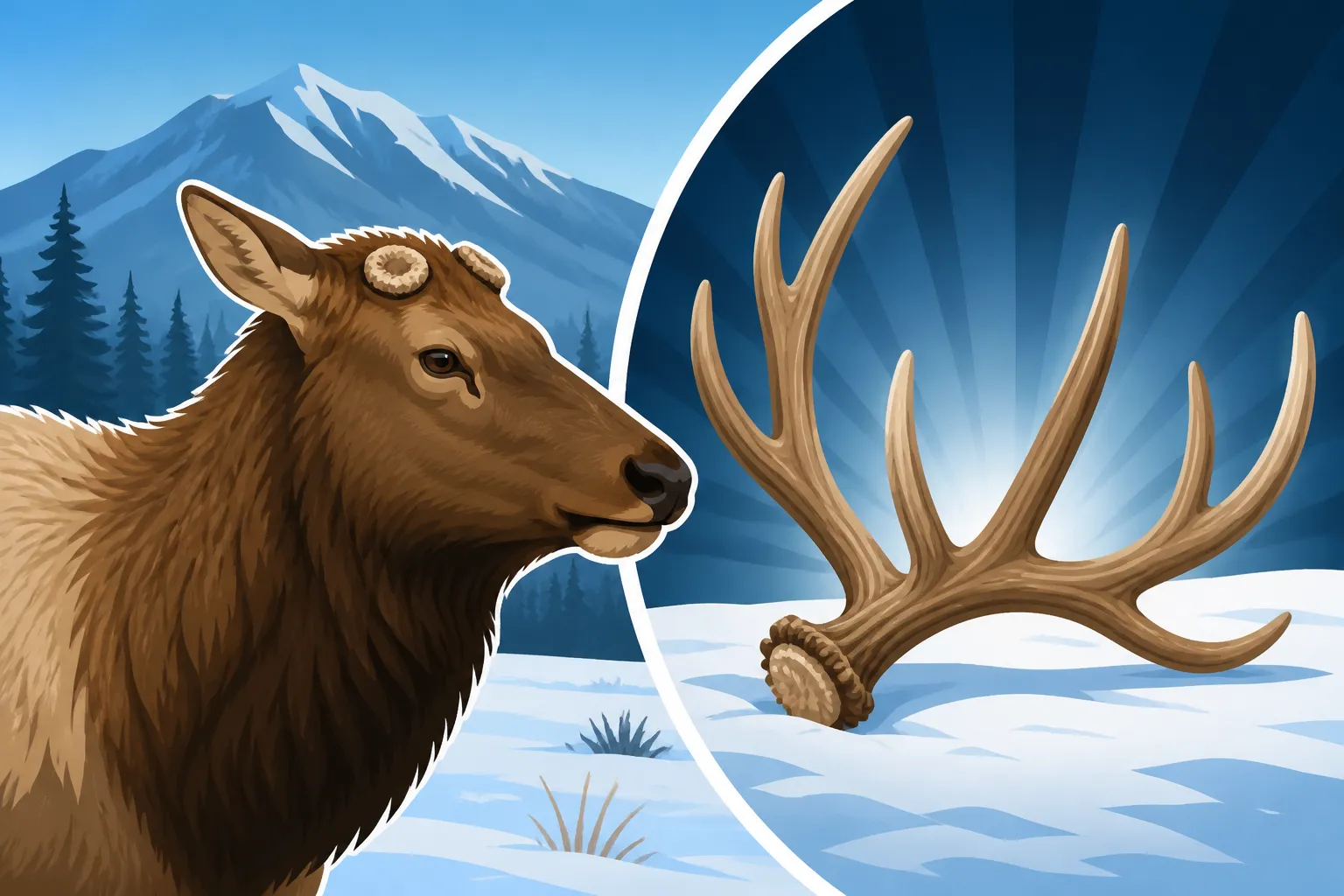
Once the velvet is shed, the antlers are fully mineralized and hardened, ready for the intense sparring and display of dominance that characterizes the breeding season. The high levels of testosterone during the rut are what maintain the connection between the antlers and the pedicles. However, after the rut, which typically peaks in late September and October, the bull's testosterone levels begin to plummet. This significant drop in hormone levels signals the body to start the process of antler shedding. A specialized layer of cells, known as the abscission layer, forms between the antler and the pedicle. This layer gradually weakens the connection, essentially dissolving the bone at the junction. Eventually, the antlers detach and fall off. It’s a natural process, and sometimes hunters will find a single antler, indicating the bull lost one and the other is soon to follow.
When and Why the Drop Happens: Midwinter Timing and Influencing Factors
While the general timeframe for antler shedding is midwinter, it's not a universal date. Many factors contribute to exactly when an individual bull will drop his rack, from his personal condition to the specific environmental pressures he's facing.
Post-Rut Exhaustion and Winter Survival Strategies
The rut is an incredibly demanding period for bull moose. They spend weeks, sometimes months, focused almost entirely on breeding, often neglecting feeding and burning through substantial fat reserves. The constant movement, sparring, and bellowing required for Calling Bull Moose During the Alaska Rut deplete their energy stores significantly. By the time the rut concludes, many bulls are in a state of exhaustion, having lost a considerable amount of body weight.
Shedding their antlers is a critical survival strategy. While impressive, a full set of antlers is heavy, cumbersome, and requires continuous metabolic maintenance. Imagine lugging around an extra 50 or 60 pounds on your head, day in and day out, especially when trying to navigate deep snow or thick brush. By shedding this weight, bulls reduce their overall energy expenditure, allowing them to conserve vital calories during the leanest months of winter. This energy conservation is paramount for surviving harsh Alaskan winters, where food is scarce and temperatures can plummet. Shedding also makes it easier for them to move through dense willow thickets and forests without getting caught, helping them to evade predators like wolves. This is particularly important for their Winter Range and Moose Survival in Interior Alaska.
Age, Health, and Environment: Variables in Shedding Schedules
The exact timing of antler drop can vary quite a bit, influenced by a combination of individual bull characteristics and external conditions.
- Age: Generally, older, more mature bulls tend to shed their antlers earlier than younger bulls. This is often attributed to the greater metabolic drain of growing and maintaining larger antlers, and perhaps a more pronounced hormonal crash after the rut. Younger bulls, with smaller racks and less extreme rut activity, might hold onto theirs a bit longer.
- Health and Nutrition: A bull in peak physical condition with excellent nutrition might retain his antlers longer into the winter. Conversely, a bull that went into the rut in poor health, or who had a particularly stressful or nutritionally deficient summer and fall, might shed his antlers much earlier. Severe injuries during the rut can also trigger an early drop.
- Environmental Factors: Harsh environmental conditions, such as unusually cold temperatures, early deep snows, or a general lack of available forage, can accelerate antler shedding across a population. When survival becomes a greater challenge, the body prioritizes conserving energy, and shedding the metabolic burden of antlers becomes more urgent.
- Geographical Differences: You might notice slight variations in shedding times between different regions of Alaska. For instance, bulls in the deep Interior might face harsher winter conditions earlier than those in more coastal areas, potentially influencing their shedding schedule. These factors can make it challenging to predict the exact date for a specific bull, but generally, late December through February is the most common period.
Here’s a simplified look at the general factors influencing antler drop:
| Factor | Tendency to Drop Antlers Early (Nov-Dec) | Tendency to Hold Antlers Longer (Jan-Feb) |
|---|---|---|
| Age | Older, more mature bulls | Younger, less mature bulls |
| Health | Poor condition, injured, stressed | Peak physical condition, healthy |
| Rut Intensity | High activity, exhausted after rut | Moderate rut activity, good recovery |
| Nutrition | Poor forage availability | Abundant, high-quality forage |
| Winter Severity | Early, deep snows, extreme cold | Mild winter, accessible forage |
Beyond the Drop: Practical Implications for Alaska Hunters
For hunters, understanding when and why moose shed their antlers has significant practical implications, influencing everything from scouting tactics to late-season hunting strategies and compliance with regulations.
Shed Hunting as a Scouting Tool
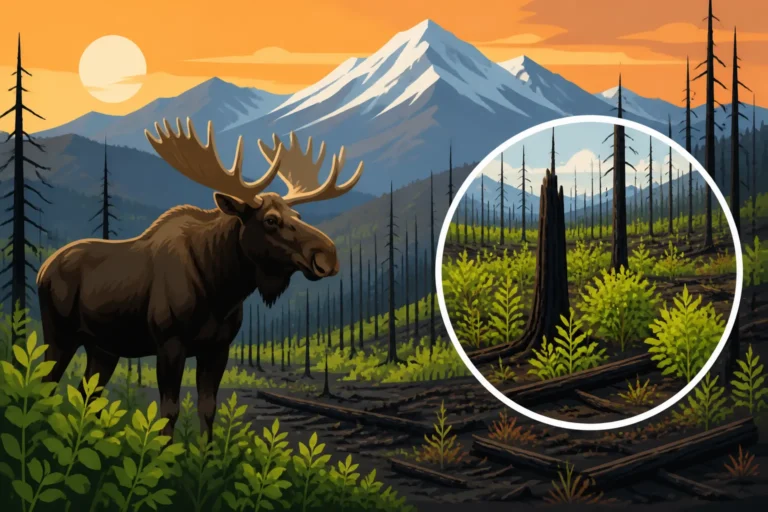
While finding a dropped antler might seem like a consolation prize for missing a bull during the season, it's actually an invaluable scouting tool. Dedicated shed hunters spend countless hours after the general hunting seasons are over, traversing moose wintering grounds. Finding sheds can reveal where bulls congregate during the leanest months, which in turn can indicate excellent potential hunting areas for the following year. A cluster of sheds in a particular Willow Flats Versus Spruce for Bull Moose area, or near a burn scar, suggests a reliable winter food source and safe haven.
Furthermore, sheds can provide clues about the health and size of the moose in an area. Large, heavy sheds indicate robust, mature bulls are present, while many smaller sheds might point to a younger population. You can even use sheds to estimate the general antler spread of bulls that survived the previous season. Many hunters use mapping software, like those offered by GoHunt, to mark the locations where they find sheds, building a valuable database for future hunts. This data, combined with knowledge of Old Burns and Where Moose Feed in Them, can significantly improve your odds.
Navigating Antler Restrictions in Late-Season Hunts
This is perhaps one of the most critical aspects for hunters to grasp. Alaska has specific antler restrictions in many Game Management Units, often requiring a bull to have a certain antler spread (e.g., 50 inches) or a minimum number of brow tines (e.g., four on one side), or to be a "spike-fork" (one brow tine or an unbranched antler). These rules are designed to protect younger, developing bulls. However, once a bull drops his antlers, he no longer meets these criteria.
Hunting a moose in late fall or early winter, when antler shedding is imminent or already underway, presents a significant challenge. A bull without antlers is, by definition, not a spike-fork, nor does he have a 50-inch spread. Attempting to identify a legal bull without his antlers in an antler-restricted area is extremely risky and can easily lead to a citation for taking an illegal animal. Most regulations are clear: the animal must meet the legal definition at the time of harvest. Therefore, if you are hunting in an area with antler restrictions, you must be absolutely certain the bull still possesses his legal antlers. This is why many hunters focus their efforts earlier in the season, before the risk of shedding becomes high. Always consult the current Alaska hunting regulations booklet for the specific unit you intend to hunt. Resources like GoHunt can help you research unit-specific regulations.
Planning for Winter Moose Opportunities
While the focus often shifts from "trophy" antlers after the rut, winter moose hunting can still be a rich experience, particularly for meat hunters or those with specific registration permits. Some units might have general season hunts that extend into early winter, or specific draw permits that allow for cow or "any moose" harvests. In these cases, the absence of antlers isn't a legal impediment.
For example, if you have a permit for a cow moose, or are hunting in a unit with an "any moose" harvest ticket, the timing of antler drop becomes less of a concern regarding legality. The challenge then shifts to navigating deep snow, colder temperatures, and the logistical difficulties of meat recovery. Planning for a successful winter hunt means being prepared for the elements, having appropriate gear for Backpack Hunting in Alaska: Gear Weight and Meat Loads, and understanding that the visual cues you use to identify animals in September will be entirely different. You might be focusing on body size, presence of a "bell," or simply the general shape of the animal to differentiate a bull from a cow, especially if antlerless. Always ensure you have reported any previous harvest tickets by the Alaska Harvest Report Deadline After the Hunt.
Disclaimer
This article is for general informational purposes only and does not constitute professional advice. Laws, prices and regulations vary by location and change over time. Consult a qualified professional for guidance on your specific situation.