Fortymile Fall and Winter Quota Split
Navigating the ever-changing landscape of Alaska's hunting regulations can feel like trying to hit a moving target, especially when it comes to migratory herds like the Fortymile caribou. Hunters often get frustrated by the dynamic nature of season dates and harvest limits, wondering how they can possibly plan a hunt when the rules seem to shift with the wind. This guide is designed to demystify the Fortymile caribou fall and winter quota split, helping you understand the rationale behind it, what to expect in each season, and how to stay on top of critical updates to make your hunt both successful and fully compliant.
Understanding the Fortymile Caribou Herd and Its Management
The Fortymile Caribou Herd is one of Alaska's iconic wildlife populations, a truly magnificent sight that draws hunters from across the globe. But managing such a vast and dynamic resource is a monumental task, requiring constant adaptation to ensure its long-term health.
The Fortymile's Historical Significance and Range
The Fortymile Caribou Herd isn't just a group of animals; it's a living legend in the Interior. Known for its extensive migrations, this herd ranges across a significant portion of Interior Alaska and into the Yukon Territory of Canada. Its numbers have seen incredible fluctuations over the decades, from devastating lows that worried conservationists to booms that allowed for generous harvests. The herd's movements are vast, often covering hundreds of miles between their calving grounds, summer foraging areas, and winter ranges. This constant movement across such a large landscape makes predicting their exact location a challenge, but it also creates diverse hunting opportunities. Historically, these caribou have been a vital subsistence resource for local communities, deeply interwoven with the culture and livelihood of many Alaskans. Understanding the sheer scale of the Caribou Herds of Alaska and How They Move is crucial for appreciating the management effort involved.
Why Quotas and Splits Are Essential for Conservation
At the heart of any sustainable wildlife management strategy lies the concept of a harvest quota. For the Fortymile Caribou Herd, a quota represents the maximum number of animals that can be harvested in a given regulatory year without negatively impacting the herd's long-term population health. These quotas aren't pulled out of thin air; they're based on extensive research, aerial surveys, and population modeling conducted by the Alaska Department of Fish and Game (ADF&G).
The decision to implement a fall and winter quota split for the Fortymile is a proactive measure designed to achieve several management objectives. Firstly, it allows managers to distribute hunting pressure more evenly across the different periods, preventing an overwhelming harvest in a single short burst. Secondly, it provides flexibility. If the herd's numbers or behavior change unexpectedly during the fall, adjustments can be made to the remaining winter quota. This adaptive management approach is critical for species like caribou, which can be highly susceptible to environmental factors, predation, and habitat changes. The goal is always to balance hunting opportunities with the imperative of conservation, ensuring that these incredible animals continue to thrive for generations to come. Without careful monitoring and the ability to set and adjust quotas, even a robust herd could face rapid decline. This is part of the broader framework of Alaska Hunting Seasons and Tag Rules Explained.
The Nuances of the Fall and Winter Quota Split
The concept of splitting the quota into distinct fall and winter periods for the Fortymile Caribou Herd adds a layer of complexity, but it’s a necessary tool for effective management. This split directly impacts when and how hunters can pursue these animals.
Defining the Fall and Winter Hunting Periods
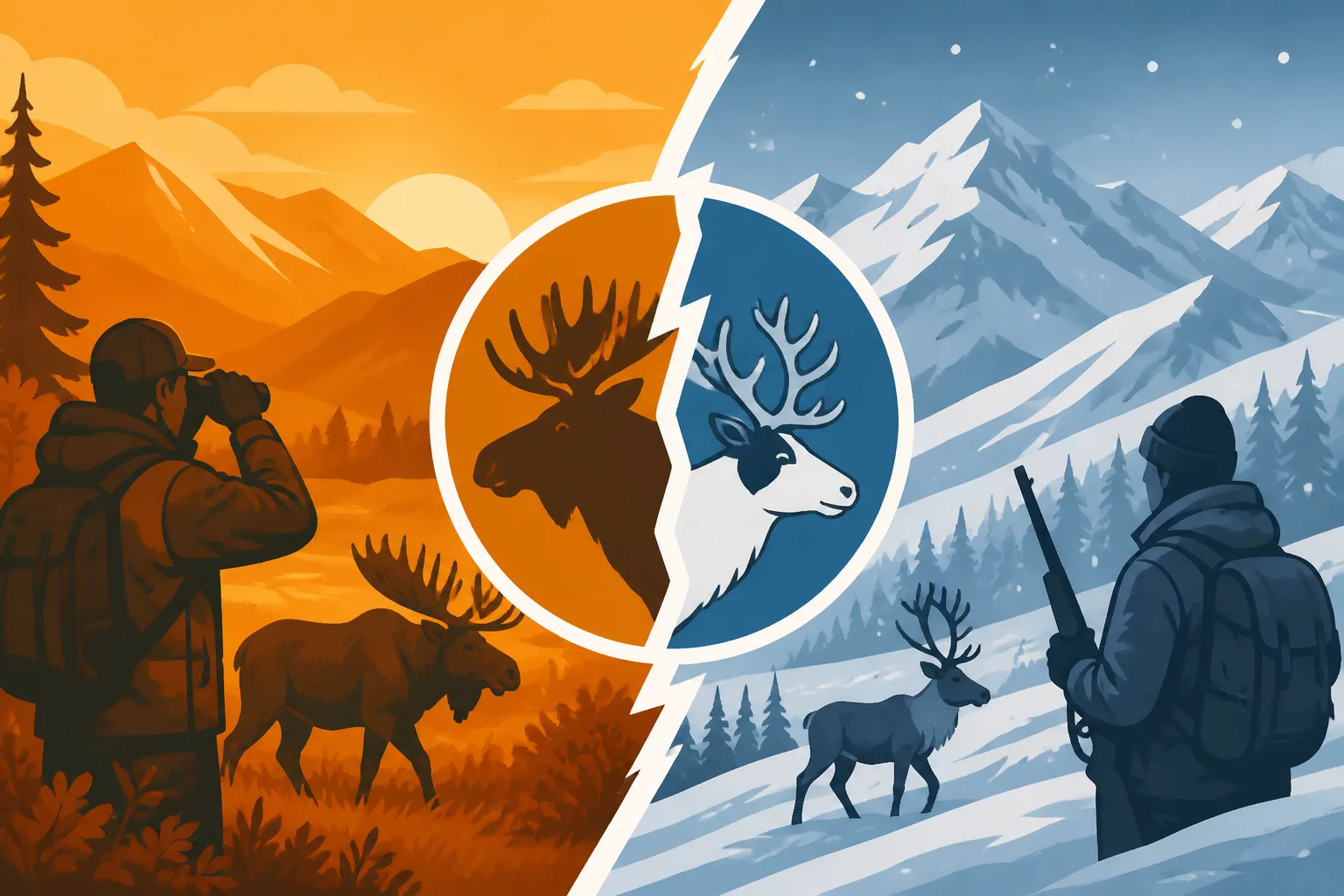
Generally, the fall hunting period for the Fortymile Caribou Herd typically opens in late summer or early fall, often around August or September. This timing means hunters are often pursuing caribou that may still be in velvet, or just beginning to harden their antlers. The weather is usually milder, and access can be easier on unimproved roads and trails. The animals might be more spread out, feeding across the tundra and within burn scars. It's a beautiful time to be in the Alaska backcountry, with the tundra turning vibrant reds and golds.
The winter hunting period, in contrast, usually kicks off much later in the year, often starting in late October or November and extending through the winter months, sometimes into March, depending on the quota and conditions. This is a completely different ballgame. Temperatures plunge, snow depths increase dramatically, and access often shifts from ATVs or trucks to snowmachines, skis, or even dog teams. Caribou might be more concentrated as they seek out forage in winter ranges, but they also face harsher conditions, making their movements more predictable in some ways, but also more challenging to access. The exact Federal Fortymile Winter Hunt Opening Date is a crucial piece of information for planning these hunts.
How Quotas Are Allocated and Announced
The total harvest quota for the Fortymile Caribou Herd is determined annually by ADF&G based on population estimates, herd health, and management objectives. Once that overall number is established, it's then divided into the fall and winter segments. This isn't always a 50/50 split; the allocation can vary significantly year to year, influenced by past harvest success, perceived hunting pressure, and the specific conservation goals for that season. For instance, if there was a particularly high harvest in the fall, the winter quota might be reduced to ensure the total limit isn't exceeded.
The announcement of these quotas, and more importantly, the specific opening and closing dates for each segment, are critical pieces of information for hunters. ADF&G communicates these updates primarily through their official website, emergency orders, and often through local news outlets and social media. It's a dynamic situation, and a season can close with very little notice once the quota is approached. This means hunters need to be hyper-vigilant. Resources like GoHunt, for example, often aggregate and disseminate these critical updates, providing a convenient way for hunters to stay informed about changes to the Fortymile Caribou Quota for the Season and real-time season closures. Regularly checking these sources is absolutely non-negotiable if you plan to hunt this herd.
Hunting the Fortymile: Strategies for Each Season
Hunting the Fortymile caribou offers two distinct experiences, each with its own set of challenges and rewards. Understanding these differences can dramatically improve your chances of success.
Fall Hunting: Opportunities and Challenges
Fall hunting for Fortymile caribou typically coincides with milder weather, which can be a double-edged sword. On one hand, it's more comfortable for camping and hiking, and overland travel with ATVs is often feasible. This is when many hunters leverage ATV Access Tactics on Alaska's Denali Highway or focus on The Taylor Highway and Fortymile Country for road-system opportunities. The caribou are generally in good condition, carrying abundant fat reserves from summer foraging, and their antlers are often fully developed, sometimes still in velvet, or recently hardened.
However, the warmer temperatures mean flies can be a real nuisance for meat care, and you'll need to be extra diligent about cooling your animal quickly. The caribou are also more spread out during the fall, often in smaller groups, making them harder to locate. You might spend more time glassing vast landscapes, covering significant ground on foot or ATV to find a legal bull. The "bull-only" restriction in many areas means you'll need to carefully field-judge animals, ensuring you're targeting a legal caribou under the Fortymile Bull-Only Bag Limit. Despite these challenges, the crisp autumn air and vibrant tundra colors make fall hunts incredibly rewarding for those who are prepared for the physical demands and the need for persistent scouting.
Winter Hunting: The Unique Alaska Experience
Winter caribou hunting in the Fortymile is an entirely different beast. The landscape is transformed by snow and ice, temperatures plummet far below freezing, and daylight hours are short. While these conditions can be intimidating, they also offer unique advantages. Caribou tend to congregate more in their winter ranges, often following traditional migration routes, which can make them easier to locate if you're in the right spot. Access shifts dramatically, with snowmachines becoming the primary mode of transportation in many areas, allowing hunters to cover immense distances efficiently. You’ll need specialized cold-weather gear, from insulated boots and parkas to robust camping equipment capable of withstanding extreme cold.
The biggest challenge, beyond the brutal weather, is meat care. While the cold naturally preserves the meat, quartering an animal in sub-zero temperatures requires a different approach, often involving careful attention to not freezing your hands. You also need to be acutely aware of snowmachine trail rules and access restrictions, especially in different Units Open in the Federal Fortymile Winter Hunt. Despite the hardships, there's an undeniable allure to a winter caribou hunt – the stark beauty of the snowy landscape, the silence of the wilderness, and the profound satisfaction of harvesting an animal in truly challenging conditions. Plus, the meat quality is often outstanding, as the animals have had time to recover from the rut, and their fat reserves are well-distributed, impacting Caribou Meat Quality After the Rut.
Here’s a quick comparison of what you might expect:
| Feature | Fall Hunting (August-September) | Winter Hunting (Oct/Nov-March) |
|---|---|---|
| Weather | Milder, pleasant, but can be rainy | Extreme cold, snow, potential blizzards |
| Access | ATV, hiking, road system, float plane | Snowmachine, skis, snowshoe, limited aircraft |
| Caribou Behavior | More dispersed, smaller groups, feeding heavily | More concentrated, following winter trails |
| Antlers | Hardened or in velvet | Hardened, bulls may have shed by mid-winter |
| Meat Care | Flies, need quick cooling/hanging | Natural refrigeration, extreme cold on quartering |
| Gear | Rain gear, layered clothing, hiking boots | Extreme cold-weather gear, insulated boots, survival equipment |
| Light Hours | Long daylight | Short daylight |
| Primary Challenge | Locating dispersed animals, meat spoilage | Extreme cold, navigating deep snow, machine reliability |
Staying Informed and Maximizing Your Chances
In the dynamic world of Fortymile caribou hunting, being informed isn't just helpful—it's absolutely essential. The success or failure of your hunt often hinges on your ability to react to real-time changes.
The Critical Importance of Emergency Orders
Let me be blunt: if you're hunting the Fortymile caribou, emergency orders are your lifeline. These are announcements issued by ADF&G that can open, close, or modify seasons with very little warning. Because the Fortymile harvest is managed by quota, the season for either the fall or winter period can close suddenly once the predetermined harvest limit is met or is projected to be met. This isn't like a set-date season where you know exactly when it starts and ends months in advance. You could literally be in camp, miles from civilization, and the season could close that day.
This is why staying connected and regularly checking official ADF&G channels is non-negotiable. Many hunters rely on satellite communicators (like an InReach) to receive texts or emails with updates, or they have a contact back home who is diligently checking the ADF&G website and social media feeds. Missing an emergency order can lead to a costly citation for hunting out of season, even if you were unaware of the closure. Always assume the season could close at any moment, and plan accordingly. This vigilance is part of being a responsible hunter and understanding the detailed Alaska Harvest Tickets, Registration Permits and Draw Permits process.
Planning Your Hunt Around Quota Dynamics
Given the unpredictable nature of quota-based seasons, planning a Fortymile caribou hunt requires a level of flexibility not typically demanded by other hunts. Here are some strategies to maximize your chances:
First, be flexible with your dates. If possible, have a window of opportunity rather than a rigid set of days. This allows you to shift your hunt slightly if the opening date changes or if the quota is reached earlier than expected.
Second, have a backup plan. What if the caribou aren't where you expect them to be? What if the season closes early? Consider other nearby hunting opportunities or species you might be able to pursue if your primary caribou hunt falls through. This could involve scouting for grouse for Waterfowl and Ptarmigan as Camp Meat or having a plan for Wolf Hunting Over a Winter Kill Site if you're in the right area and season.
Third, stay connected. As mentioned, a satellite communicator is an invaluable tool. Program the ADF&G closure hotline number into your phone or satellite device. Regularly check the ADF&G hunting regulations online before and during your hunt. Websites like GoHunt also provide real-time updates and predictions, which can be incredibly helpful for advanced planning.
Finally, understand the Fortymile Caribou Herd Range and Migration. Knowing where the herd typically is during fall versus winter, and which management units (Fortymile Zone Openings and Delays) are open, will help you pick a location with the highest probability of success. Even with the best plans, Alaska hunting is always an adventure, and adapting to the unexpected is part of the experience.
Disclaimer
Please be aware that hunting regulations in Alaska are subject to change without notice. Always consult the most current Alaska Department of Fish and Game (ADF&G) hunting regulations and emergency orders before planning or undertaking any hunting activity. This guide provides general information and should not be considered a substitute for official regulatory documents. It is the hunter's responsibility to know and follow all applicable laws and regulations.