Alaska’s Brooks Range and Arctic Hunting Areas
The vast, stark beauty of Alaska's Brooks Range and the immense Arctic Slope often calls to a hunter's soul, but the sheer scale and isolation of these regions can feel utterly overwhelming when you're trying to plan a hunt. It's not just about finding game; it's about surviving a landscape that demands respect and meticulous preparation. This guide will meticulously break down what it takes to successfully plan and execute a hunting adventure in Alaska's far north, from understanding the terrain and wildlife to navigating the complex logistics of accessing truly remote country.
Understanding the Vastness: An Introduction to Alaska's Brooks Range and Arctic Hunting
Hunting in Alaska's Brooks Range and the greater Arctic region isn't just a trip; it's an expedition into one of the planet's last true wildernesses. This isn't your average road-system hunt, where you can drive a few hours and hike a ridge. We're talking about an area larger than many states, with minimal infrastructure and an environment that can turn on a dime. The appeal lies precisely in this raw, untamed nature, offering an experience that few other places on Earth can match. But that allure comes with a steep learning curve and a need for serious respect for the land.
The Geography and Climate That Define the Region
Imagine a mountain range stretching over 700 miles, an extension of the Rocky Mountains, but far more remote and rugged: that's the Brooks Range. It forms the northern continental divide in Alaska, separating the vast Interior river systems from the Arctic Slope. North of the range, the land flattens out into tundra, dotted with countless lakes and braided rivers, eventually meeting the Arctic Ocean. This geography dictates everything about hunting here. The mountains offer incredible sheep and grizzly habitat, while the tundra is the domain of caribou and muskox. The sheer scale means that glassing for hours, even days, is the norm. You're covering immense distances, often on foot, in terrain that ranges from rocky peaks to spongy, tussock-filled tundra.
The climate is equally defining. Even in summer, temperatures can dip surprisingly low, and strong winds are a constant companion, capable of dropping wind chill values dramatically. Snow can fall any month of the year, and conditions can shift from sunny and calm to blizzard-like in mere hours. Forget about mild autumn days; here, fall hunting often feels like early winter elsewhere. This extreme variability means your gear choices, shelter, and emergency preparedness aren't just about comfort—they're about survival. The long daylight hours of summer gradually shrink into the brief, twilight days of early fall, impacting hunting windows and travel times. Understanding this environment is the first step to a successful hunt.
Why Hunters Dream of the Far North
For many, the Arctic represents the pinnacle of wilderness hunting. It's the challenge, yes, but it's also the unparalleled opportunity to pursue iconic species in their natural, untamed habitat. Imagine spotting a Dall sheep ram high on a shale slope, knowing you're hundreds of miles from the nearest road, or watching a massive caribou herd flow across the tundra like a living river. These are experiences that imprint themselves on your memory forever. It's a true test of self-reliance, physical endurance, and mental fortitude. The solitude is profound; you might not see another human for weeks. This isolation forces you to confront your own capabilities and limitations, leading to a deeper connection with the land and a profound sense of accomplishment if you succeed.
Beyond the challenge, there's the aesthetic. The vast, open landscapes under the midnight sun or the dancing aurora borealis are simply breathtaking. The rawness of the environment strips away all pretenses, leaving you with the essentials of hunter and hunted in an ancient landscape. Hunters dream of the far north not just for a trophy, but for the profound personal journey, the immersion in a truly wild place, and the stories that will resonate for a lifetime. It's about stepping out of the familiar and into a realm where nature reigns supreme.
Targeting Iconic Arctic Species: What You'll Hunt Here
The Brooks Range and Arctic region are home to some of North America's most sought-after big game animals. Each species presents its own unique challenges and requires specific hunting strategies, but they all share one thing in common: they are creatures of this harsh, beautiful landscape, and pursuing them here is an experience unlike any other. Knowing their habits, habitats, and the specific regulations governing their harvest is paramount for a successful and legal hunt.
Caribou: The Migratory Herds of the North Slope
When most people think of Arctic hunting, caribou often come to mind first. The vast herds, such as the Western Arctic Herd and the Porcupine Herd, migrate across immense distances on the North Slope and in portions of the Brooks Range, sometimes numbering in the hundreds of thousands. Timing is everything with caribou; you need to be in the right place at the right time to intercept their migration. These animals are constantly on the move, driven by forage availability and breeding cycles. The excitement of seeing a massive caribou herd, sometimes for days on end, is an unforgettable spectacle.
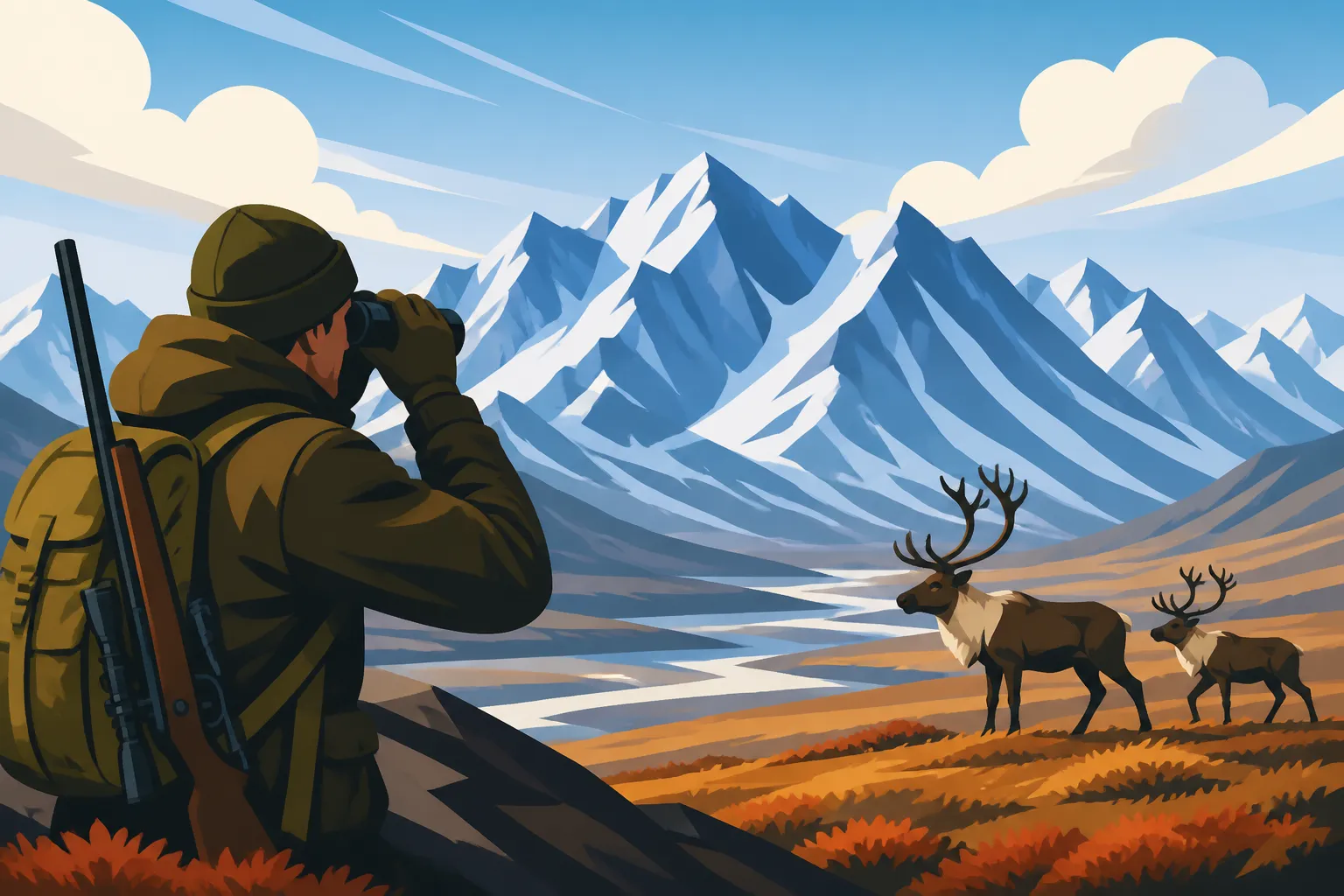
Hunting caribou here typically involves extensive glassing of vast tundra plains, often from a small knoll or ridge, followed by long stalks. Patience is key, as is understanding wind direction and the caribou's tendency to circle downwind. Many hunts are fly-in affairs, dropping hunters onto remote gravel strips or lake edges where they can set up a base camp and then backpack out to intercept migrating animals. Regulations vary significantly by Game Management Unit (GMU) and herd, so meticulously checking the current Alaska hunting regulations booklet for specific units like the Fortymile or Western Arctic herds is crucial. These hunts can also be very physically demanding, requiring hunters to cover many miles over often soft, uneven tundra, and then pack out heavy loads of meat. Successfully locating a herd is only half the battle; the work begins when an animal is down. Caribou Herds of Alaska and How They Move is a great resource for understanding their patterns.
Dall Sheep: The White Ghosts of the Mountains
High in the craggy peaks of the Brooks Range, the Dall sheep roam. These magnificent white sheep are truly a pinnacle species for mountain hunters. Pursuing Dall sheep is perhaps the most physically demanding hunt Alaska offers, requiring exceptional stamina, mountaineering skills, and a keen eye for spotting animals in their rugged, high-alpine habitat. Imagine ascending thousands of feet over loose shale and steep scree slopes, often setting up a spike camp above timberline, all in pursuit of a full-curl ram. Spot-and-Stalk Dall Sheep Hunting Above Alaska Timberline covers this in detail.
Dall sheep are primarily found on open, windswept slopes and ridges, using their incredible vision to spot predators (including hunters) from afar. They often use mineral licks in the spring and summer, but during hunting season, they are typically found in the high country, carefully navigating cliffs and broken terrain. Successful sheep hunting relies heavily on thorough glassing, patience, and meticulous stalking from below, using terrain features for cover. Understanding how to field judge a ram to ensure it meets the legal "full curl" or age criteria is absolutely critical; mistakes can lead to citations. How to Judge a Full-Curl Ram in the Field provides essential tips. A Brooks Range sheep hunt is an immersion in alpine wilderness, testing every aspect of a hunter's skill and determination.
Muskox: A Relic of the Ice Age
For hunters seeking a truly unique Arctic experience, the muskox stands out. These shaggy, prehistoric-looking bovids are found in only a few specific areas in Alaska, primarily on Nunivak Island and the Seward Peninsula, but also on the North Slope in GMU 26. Hunting muskox is almost exclusively done through a limited draw permit system due to their restricted range and population numbers. Securing a tag is often the biggest hurdle.
Muskox are herd animals, often found in open tundra environments. Their primary defense mechanism is to form a defensive circle, facing outward, which can make stalking challenging. They have incredible insulation, allowing them to thrive in the harshest Arctic conditions. Hunting methods typically involve locating a herd, often with the aid of a guide (which is required for nonresidents on some hunts), and then carefully approaching them on the open tundra. The hunt isn't about speed or long-distance shooting necessarily, but about patience, reading the herd's behavior, and making a precise shot when the opportunity arises. It's a profound experience to be in the presence of these ancient animals, which have survived since the last Ice Age. Muskox in Alaska: Nunivak, Nelson and the North Slope offers more insight into their distribution.
Grizzly Bears: The Interior's Apex Predator
While the massive coastal brown bears often get the most attention, the Brooks Range and Arctic are home to formidable interior grizzly bears. These bears are generally smaller than their coastal cousins, lacking the rich salmon diet, but they are no less dangerous or impressive. They are incredibly tough, intelligent, and perfectly adapted to life in the vast, open tundra and mountain environments. Hunting grizzlies here is a true wilderness experience, often combined with caribou or sheep hunts.
Grizzlies in this region are omnivores, feeding on berries, roots, ground squirrels, and the occasional caribou calf or Dall sheep. They are found throughout the range and across the North Slope. Hunting often involves spot-and-stalk tactics, patiently glassing vast areas to locate a bear. Their keen senses and wariness make them challenging to approach. Proper bear safety protocols are absolutely non-negotiable when hunting in grizzly country, from carrying appropriate firearms and bear spray to being constantly aware of your surroundings, especially around a kill site. Alaska Brown Bears on the Coast Versus Interior Grizzlies clarifies the differences and challenges. Encountering a grizzly in the open expanse of the Arctic tundra is an awe-inspiring, and humbling, moment.
Wolves and Wolverine: Opportunistic Predators
While often pursued as secondary species, wolves and wolverine add an incredible dimension to any Arctic hunt. These elusive predators are present throughout the Brooks Range and North Slope, though spotting them requires luck, patience, and a deep understanding of their behavior. Wolves often follow the caribou herds, preying on the weak and young, while wolverine are solitary, wide-ranging scavengers and opportunists.
Wolf hunting can involve calling, especially over a caribou or moose kill, or simply being in the right place at the right time while pursuing other game. Their incredible senses and intelligence make them incredibly difficult to hunt. Wolverine are even more elusive, often seen only as a flash of dark fur disappearing over a distant ridge. Hunting either species in the Arctic is a testament to perseverance and keen observation. If you get the chance to harvest one, it’s a truly special trophy, representing the wild spirit of the far north. Don't forget to understand the specific sealing requirements for these furbearers if you are successful.
Getting There: Navigating Remote Arctic Access
The single biggest logistical challenge and often the highest cost of an Arctic hunting trip is simply getting to your hunting grounds. With virtually no roads beyond a few very limited stretches, access to the vast majority of the Brooks Range and North Slope depends entirely on bush planes, river boats, or extreme hiking. This remote access shapes every aspect of the hunt, from gear choices to emergency planning.
Bush Plane Charters: The Lifeline of Arctic Hunting
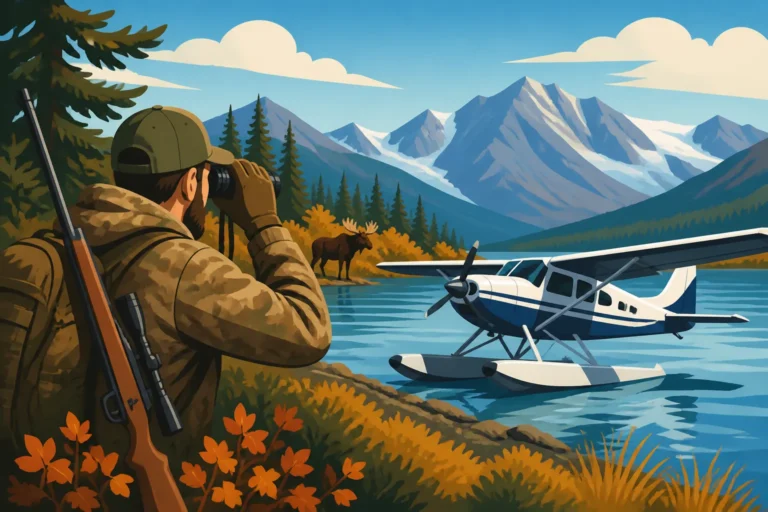
For most hunters venturing into the Brooks Range or onto the North Slope, a bush plane charter is the only realistic way to reach their destination. Air taxis operate out of towns like Fairbanks, Bettles, Coldfoot, or Kotzebue, flying hunters into remote strips, gravel bars, or lake landings. These planes—often Super Cubs, Cessna 185s, or larger DeHavilland Beavers—are purpose-built for Alaska's challenging terrain, capable of landing and taking off from incredibly short, unimproved strips. The cost can be substantial, as you're not just paying for your flight in, but often for multiple "deadhead" flights (where the plane flies empty) and the pick-up flight.
Booking an air taxi requires careful planning, often a year or more in advance, especially for peak hunting seasons. You'll need to coordinate gear weight, passenger limits, and a precise drop-off and pick-up schedule. Weather is a huge factor; fog, high winds, or low ceilings can ground planes for days, delaying both your drop-off and your crucial pick-up. Always build extra buffer days into your schedule for weather delays. Communication with your pilot is vital, and having a satellite communication device like a Garmin inReach or Zoleo is essential for check-ins and emergency contact. Fly-In Hunting: Working With an Alaska Transporter Pilot provides excellent advice on this critical aspect of Arctic hunting.
The Dalton Highway: A Glimmer of Road Access
While the vast majority of the Arctic is roadless, the Dalton Highway offers a unique, albeit challenging, exception. Stretching over 400 miles from Livengood north to Prudhoe Bay, this gravel road (famously known as the "Haul Road") provides access to a narrow corridor of the Brooks Range and North Slope. However, hunting directly off the Dalton comes with very specific and strict regulations. There are usually corridors (often five miles on either side of the road) where hunting is prohibited or restricted to archery-only, and special rules apply regarding camping and vehicle use.
Using the Dalton Highway requires a robust, well-maintained 4×4 vehicle, spare tires, fuel, and supplies. Services are incredibly scarce along its length. Hunters can use the Dalton to access areas beyond the restricted corridor, often by hiking or using ATVs on designated trails (where allowed) once they are legally off the highway. It's a more "DIY" approach to Arctic hunting, but it requires meticulous planning to ensure compliance with all regulations, particularly concerning Alaska's Dalton Highway Corridor Hunting Rules. The Dalton can be an excellent option for caribou if timed right with the migrations, but it’s still an extremely challenging undertaking, and hunters should be prepared for the worst-case scenario regarding breakdowns and isolation.
River Systems and Coastal Access Points
Another less common, but viable, access method for certain areas of the Arctic involves river systems or, along the coast, boat-based travel. Rivers like the Noatak, Kobuk, or Colville, which flow through or north of the Brooks Range, can be float-hunted for caribou or moose in specific areas. This requires extensive planning for rafts or packrafts, portages, and a reliable pick-up at the end of your float. Weather can still affect river levels and make travel difficult or dangerous, especially with large loads of meat. Float Hunting Alaska Rivers for Moose and Caribou delves into this approach.
Along the Arctic coast, small communities might offer boat charters to access remote stretches of coastline or barrier islands for specific species. However, this is typically highly specialized and less common for the general big game hunter in the Brooks Range proper. Regardless of the method, the key takeaway is that Arctic access is rarely easy, always expensive, and demands a high level of self-sufficiency and preparation.
The Land Maze: Understanding Public and Native Lands
Alaska's land ownership is a complex patchwork, and nowhere is this more apparent than in the Brooks Range and Arctic. What appears as vast, open wilderness on a map can actually be a mosaic of federal, state, and Native Corporation lands, each with its own set of regulations and access requirements. Ignorance of these boundaries is no excuse, and accidentally trespassing on private or restricted lands can result in fines, confiscation of game, or even a ban from hunting in Alaska. Meticulous pre-hunt scouting of land status is absolutely vital.
Federal Lands: National Preserves and Wildlife Refuges
Much of the Brooks Range and North Slope falls within federal designations such as National Preserves (like Gates of the Arctic National Preserve or Noatak National Preserve) and National Wildlife Refuges (like the Arctic National Wildlife Refuge, ANWR). While National Parks generally prohibit hunting, National Preserves do allow sport hunting under state regulations, often with additional federal stipulations. National Wildlife Refuges also generally allow hunting, but again, with specific rules that might differ from state regulations.
The important distinction for federal lands, especially for residents, involves subsistence hunting priority, where rural residents of Alaska may have preferential access or different seasons. For nonresidents, these federal lands usually follow state general hunting seasons and regulations. However, some areas within these federal designations might have specific restrictions on motorized access, camp duration, or even required permits that go beyond your state hunting license and tags. Using detailed mapping tools like onX Hunt is invaluable for identifying these boundaries, showing whether you are on federal, state, or other lands. Always check the specific refuge or preserve regulations well in advance of your hunt.
State Lands and Their Specific Rules
Alaska State Lands are generally open to public hunting in accordance with state regulations. These lands often fill the gaps between federal and Native Corporation holdings. While state land might seem straightforward, there can still be complexities. For example, some state lands might be leased for mining or oil exploration, and while hunting might still be permitted, there could be infrastructure or temporary closures to be aware of.
Water access can also be a consideration; while navigable waters in Alaska are generally considered public thoroughfares, the adjacent lands might be private. So, while you can float a river, you might not be able to set up camp or walk up the bank onto adjacent land without knowing its status. The Alaska Department of Fish and Game (ADF&G) regulations will outline general rules for state lands, but again, precise mapping is your best friend. Familiarize yourself with the Land Status in Alaska: State, Federal and Native Corporation guide to help navigate this complex issue.
Native Corporation Lands: Permits and Permission
Perhaps the most confusing aspect of land status in the Arctic involves Alaska Native Corporation (ANC) lands. Following the Alaska Native Claims Settlement Act (ANCSA) in 1971, millions of acres of land, often critical to traditional subsistence, were conveyed to regional and village Native Corporations. These lands are private property. Hunting on Native Corporation lands requires explicit permission from the relevant corporation, and in most cases, this means purchasing an access permit. These permits can be expensive, and availability might be limited, especially for non-members.
The boundaries of these Native Corporation lands can be incredibly intricate, sometimes encompassing checkerboard patterns or isolated parcels surrounding villages. Flying over these lands without realizing it can be easy, and landing on them without a permit can lead to serious legal trouble. Before planning any hunt that might even remotely touch ANC lands, research which corporations own the land in your target GMU (e.g., Doyon Limited, Arctic Slope Regional Corporation, Bering Straits Native Corporation) and contact them directly about their access policies and permit requirements. This is where a robust mapping application like onX Hunt becomes absolutely essential; it clearly delineates these private land boundaries, allowing you to plan your hunt route and campsite locations accordingly.
| Land Type | Typical Hunting Access | Special Considerations |
|---|---|---|
| Federal (Preserves/Refuges) | Generally open per state rules | May have additional federal regulations, motorized restrictions |
| Alaska State Land | Generally open per state rules | Check for specific leases or closures, public vs. private adjacent land |
| Native Corporation Land | Private, requires permit | Strict trespass rules, permits can be costly/limited, complex boundaries |
Preparing for the Ultimate Challenge: Logistics and Gear
Hunting in the Brooks Range and Arctic is a full-blown expedition, not just a casual trip. The remoteness, the extreme weather, and the sheer physical demands mean that your logistics and gear choices are paramount to success and safety. Every item in your pack needs to justify its weight and serve multiple purposes. This isn't the place to skimp on quality or preparation.
Expedition Planning: Beyond a Weekend Trip
Arctic hunting demands a meticulous, almost military-level, approach to planning. You're typically operating in an area with no cell service, no established trails, and no nearby towns for resupply. This means you need to be entirely self-sufficient for the duration of your hunt, plus several contingency days. Your planning starts with your chosen species and GMU, then extends to season dates, bag limits, and specific regulations like Alaska Harvest Ticket Reporting Deadlines. From there, you'll need to develop a detailed itinerary, including primary and secondary drop-off/pick-up points, daily mileage goals, and planned campsite locations.
Food planning is critical. Freeze-dried meals are common, but consider supplemental foods for variety and calories. Water sources should be identified on maps, and purification methods (filters, tablets) are essential. Fuel for cooking and heating (if using a stove) must be calculated precisely, often accounting for extra days. You'll need to create detailed manifests for your air taxi, ensuring all gear meets weight limits and hazardous materials like fuel or bear spray are properly handled. Don't forget a communication plan; even if you have a satellite device, a daily check-in schedule with a trusted contact back home is a must. Signal Devices and Check-In Plans for Solo Alaska Hunts highlights the importance of this. The level of detail in your planning will directly impact your safety and enjoyment.
Essential Gear for Arctic Conditions
Your gear is your lifeline in the Arctic. Think layers, durability, and redundancy. Here's a breakdown of some critical items:
- Shelter: A high-quality, four-season tent is non-negotiable. It must be able to withstand strong winds and heavy snow loads. If float hunting, a robust canvas tent with a stove is a common choice for comfort and drying gear.
- Sleeping System: A sleeping bag rated for well below freezing (0 to -20°F, even in September) is essential, coupled with a high R-value sleeping pad to insulate you from the frozen ground.
- Clothing: Layering is key. Start with a moisture-wicking base layer, add insulating mid-layers (fleece, puffy jacket), and top it with a bombproof waterproof and windproof outer shell. Bring duplicates of socks, gloves, and hats. Opt for wool or synthetic materials; cotton is useless when wet.
- Navigation: Redundancy is crucial. Carry a reliable GPS unit with pre-loaded maps, a physical map (waterproofed), and a compass. Know how to use all three, even without battery power. onX Hunt is an invaluable tool here, allowing you to download offline maps before you leave civilization, complete with satellite imagery, public land boundaries, and your pre-marked waypoints.
- Optics: High-quality binoculars (10×42 or 12×50) and a spotting scope with a sturdy tripod are essential for glassing the vast landscapes, especially for sheep and caribou. You'll spend hours behind your glass.
- Firearm/Archery: A reliable rifle in a capable caliber (.30-06, .300 Win Mag, .338 Win Mag) for big game is standard, often with a tough scope. Bring enough ammunition for practice and the hunt, plus a few extra rounds for emergencies. For bowhunters, Archery Tackle That Survives Ten Days of Rain is a must-read.
- Safety: Bear spray (carried in a readily accessible holster), a stout knife, a first-aid kit, a headlamp with extra batteries, fire starters, and emergency signaling devices are paramount. A satellite communicator is your only reliable link to the outside world.
When considering gear weight, remember you'll be packing out meat. Backpack Hunting in Alaska: Gear Weight and Meat Loads should be reviewed carefully. Every ounce counts, but safety and warmth are not areas to compromise.
Food, Water, and Fuel Considerations
Planning your consumables for an Arctic hunt requires precision. Dehydrated meals are lightweight and calorie-dense, but supplementing with things like summer sausage, cheese, hardtack, and energy bars can boost morale and energy. Plan for at least 3,500-4,000 calories per day, more if you expect extreme exertion or cold. Always pack an extra 2-3 days' worth of food and fuel as a buffer against weather delays or unforeseen circumstances.
Water in the Arctic is generally abundant from streams and lakes, but always filter or treat it. Giardia and other parasites are present. Be aware that small streams can dry up in late summer, or larger rivers can become silty after heavy rains. If you're using a camp stove, calculate your fuel needs meticulously. White gas or propane are common choices. Consider the weight and bulk of fuel carefully when flying in. For an average 10-day trip, two hunters might need 2-3 liters of white gas or multiple small propane canisters, depending on cooking habits and whether a tent stove is used. The further north you go, the more essential fuel becomes, as wood is often scarce or non-existent on the tundra.
Survival in the Extreme: Safety in the Arctic Wilderness
The remoteness and harshness of the Brooks Range and Arctic mean that personal safety and emergency preparedness are not just recommendations; they are critical components of any hunting plan. There's no quick rescue, no immediate medical care, and often no one else around for hundreds of miles. You are your own first responder, and sometimes, your own only hope.
Bear Safety: A Constant Companion
Hunting in the Arctic means you are always in grizzly country. From the moment you land until you're safely on the plane out, bear awareness must be constant. Grizzlies are intelligent, powerful, and unpredictable, especially sows with cubs or hungry bears. Carrying bear spray, knowing how to deploy it, and having a powerful firearm (like a .338 Win Mag or 12-gauge slug gun) readily accessible, particularly around a kill site, is non-negotiable. Bear Safety While Butchering a Kill in Alaska offers specific guidance for the most vulnerable times.
Practice vigilance: make noise while hiking, check wind direction, and avoid surprising a bear. Store food and scented items properly, either in bear-resistant containers or hung from a tree, away from your sleeping area. If you make a kill, process the meat quickly and cleanly, and get it hung out of bear reach as soon as possible. Be aware that a bear might be attracted by the smell of gut piles or fresh meat. Never approach a bear, and give them a wide berth. Remember, your goal is to avoid an encounter entirely, not to test your resolve in a confrontation.
Navigation and Communication Beyond Cell Service
Cell phone service is virtually non-existent in the vast majority of the Brooks Range and Arctic. This means you must have reliable, redundant navigation and communication tools. A robust GPS unit with detailed topographic maps is essential, but it can fail due to battery drain, damage, or electronic malfunction. Always carry a waterproof paper map of your hunting area and a compass, and know how to use them together. Mark key waypoints, potential water sources, and your emergency pick-up locations on your map before you leave. Alpine Navigation Without Cell Service is a critical skill for this environment.
For communication, a satellite messenger (like an inReach or Zoleo) or a satellite phone is your only lifeline. These devices allow you to send and receive text messages, share your location, and trigger an SOS in a true emergency. Establish a daily check-in schedule with a trusted person back home. If you miss a check-in, they should know your emergency plan and whom to contact (e.g., your air taxi, Alaska State Troopers). Do not rely solely on these devices; always have a backup communication plan.
Weather Preparedness and Emergency Planning
Arctic weather is notorious for its rapid, dramatic shifts. A sunny morning can quickly turn into a whiteout blizzard or a deluge of freezing rain. This can lead to hypothermia, delayed flights, and dangerous conditions. Your gear must be capable of keeping you warm and dry in the worst conditions imaginable. Always have contingency plans for being weathered in for several extra days. This means packing extra food, fuel, and critical medications.
Your emergency plan should cover a range of scenarios:
- Medical Emergency: What if someone breaks a leg, or develops severe hypothermia? How will you stabilize the person, communicate the emergency, and prepare for extraction?
- Lost Hunter: What steps will you take if a member of your party becomes separated? How will you signal for help, and how long will you wait before initiating your emergency communication?
- Gear Failure: What if your tent rips in a storm, your stove fails, or your primary rifle becomes inoperable? Have repair kits, backup methods, and alternative strategies.
- Delayed Pick-up: As mentioned, weather can ground planes for days. Have enough supplies to comfortably (or at least safely) wait it out.
Being proactive and conservative in your decision-making is key to Arctic survival. Turning back due to bad weather or dangerous terrain is a sign of wisdom, not weakness.
The Unique Rewards and Realities of Arctic Hunting
A hunting trip to Alaska's Brooks Range and Arctic is more than just a hunt; it's an immersive experience that will challenge you physically and mentally, while simultaneously offering profound rewards. It’s important to go into this knowing both the incredible highs and the very real difficulties.
Physical and Mental Demands
There's no sugar-coating it: Arctic hunting is physically brutal. Whether you're slogging through tussocks on the tundra, climbing endless shale slopes for sheep, or packing heavy loads of meat over rugged terrain, your body will be pushed to its limits. Forget flat ground; even the "flat" tundra is a constant ankle-twisting challenge. You should be in peak physical condition, capable of carrying a heavy backpack for multiple days over uneven terrain, uphill and down. Training with weighted packs, doing hill climbs, and focusing on core strength and endurance is essential.
Beyond the physical, the mental demands are equally significant. The solitude, the constant awareness of danger (bears, weather), the exhaustion, and the potential for setbacks (missed game, bad weather, gear issues) can wear you down. You need mental toughness, resilience, and a positive attitude. Being able to problem-solve under pressure and maintain focus when tired are crucial traits. GoHunt's resources often emphasize the mental fortitude required for these types of hunts, suggesting that preparation extends beyond just physical training. It's a test of character, where patience and perseverance often determine success.
Trophy Care in the Field
Harvesting an animal in the Arctic often means you are days away from any sort of processing facility or even cold storage. Proper field care of meat and trophies is critical to prevent spoilage and ensure you can legally transport your harvest. For caribou and moose, this means quickly quartering the animal, getting the meat off the bone and into breathable game bags, and then cooling it as rapidly as possible. In colder conditions, hanging meat in the shade or a breezy spot can work, but watch for warmer temperatures. Hanging Meat in Warm September Weather details methods to prevent spoilage.
For trophy animals like Dall sheep or grizzlies, meticulous caping and skull preparation are required. This involves carefully skinning the hide, turning the ears and lips, and removing as much flesh and fat as possible to prevent hair slippage. Salt is your best friend for hides, but drying in humid or wet conditions can be a challenge. You’ll need to protect hides from flies and maggots. If you're successful with a bear or wolf, remember the Alaska Sealing Requirements for Bear and Wolf Hides which must be done by an ADF&G official within a specified timeframe after harvest. Proper field care ensures that your hard-earned trophy makes it home in good condition.
The Unforgettable Experience
Despite all the challenges and preparations, the rewards of hunting in Alaska's Brooks Range and Arctic are truly immense and often deeply personal. It's an opportunity to connect with the land and with yourself on a primal level. The feeling of utter self-reliance, the stunning beauty of the untouched wilderness, the awe of seeing iconic wildlife thriving in its natural environment—these are experiences that transcend the act of hunting itself.
You'll create memories that last a lifetime, whether it's the thrill of a successful stalk, the quiet camaraderie shared with hunting partners, or simply the profound peace of a starry Arctic night under the aurora. This isn't just about punching a tag; it's about the journey, the challenge, and the deep satisfaction of knowing you've truly earned your place in one of the wildest corners of the world. It redefines what you think you're capable of, making you a better hunter and, arguably, a better person.
Disclaimer
This article is for general informational purposes only and does not constitute professional advice. Laws, prices and regulations vary by location and change over time. Consult a qualified professional for guidance on your specific situation.