Big Game Species Found Only in Alaska
It's easy to get lost in the sheer scale of Alaska's wild lands, and even easier to dream about the incredible animals that roam them. But when you start planning a hunt, a common question pops up: are there any big game species you can only hunt here in Alaska? While many of our iconic animals can be found across North America or even Eurasia, there are indeed a few truly special big game species and subspecies that offer a hunting experience utterly unique to the Last Frontier, and this guide will walk you through them.
More Than Just "Big Game": Defining What's "Only in Alaska" for Hunters
When we talk about big game animals found "only in Alaska," it's worth clarifying what we mean. Biologically, few big game species are strictly endemic to Alaska and nowhere else on Earth. Many of our animals, like moose, caribou, and brown bear, are part of broader species that range across Canada, the Lower 48, or even Siberia. However, for a hunter, "only in Alaska" often refers to a few key scenarios:
First, it can mean a distinct subspecies that is truly found only within Alaska's borders, or at least, is only huntable within the U.S. in Alaska. These are unique genetic populations that have adapted to our specific landscapes and climates. Second, it can refer to a species that, while existing elsewhere, has such a unique or dominant population in Alaska that it defines the hunting experience for that animal within the U.S. Think of the sheer numbers, the trophy size potential, or the specific wilderness environment that makes hunting them here profoundly different from anywhere else. We’re really talking about those bucket-list hunts that draw people from all corners of the globe, specifically because Alaska offers something no other state can.
This distinction is important because it shapes how you plan your hunt, from the tags you apply for through services like GoHunt to the specific areas you research. You're not just chasing an animal; you're chasing an Alaskan experience that's singular.
Dall Sheep: The Arctic's White Ghosts
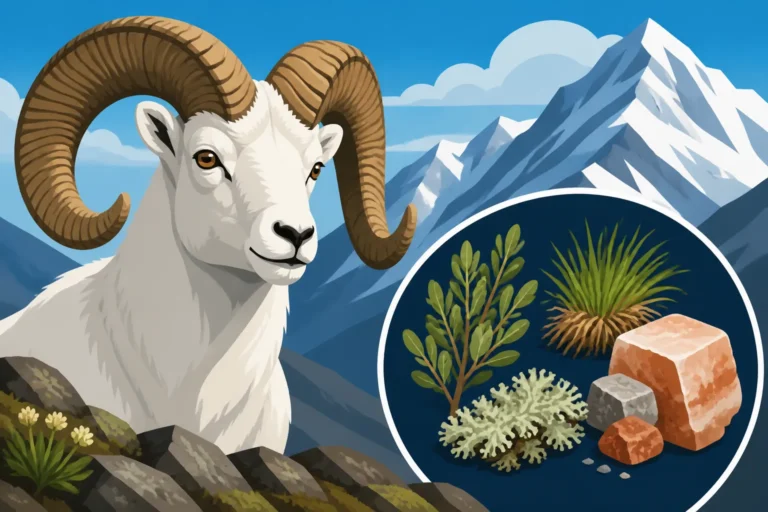
If there's one big game animal that truly embodies "only in Alaska" for a U.S. hunter, it's the Dall sheep. These magnificent white rams are an icon of the high country, dwelling in the rugged, remote mountains of Alaska, the Yukon Territory, and the Northwest Territories. Within the United States, however, Alaska is the only place you can pursue these incredible animals. They are truly North America's white wild sheep, distinct from their Bighorn and Desert Bighorn cousins further south.
The Exclusive Habitat of Dall Sheep
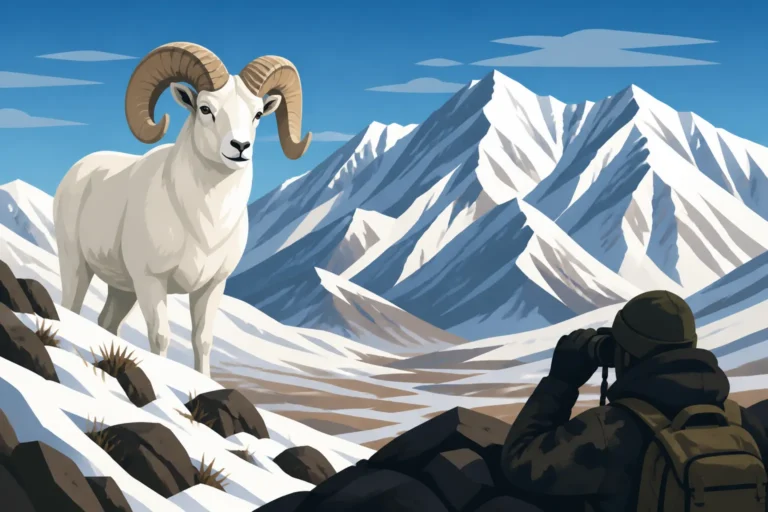
Dall sheep thrive in some of Alaska's most breathtaking and unforgiving landscapes. You'll find them scattered throughout the mountain ranges of the Interior and Arctic, including the famed Brooks Range and the vast expanse of the Alaska Range. These sheep are creatures of the alpine, preferring steep, rocky slopes, open ridges, and sparse tundra above timberline. This extreme environment provides them with both forage and crucial escape terrain from predators like wolves and grizzly bears. Hunting them here isn't just a physical challenge; it's an immersion into a truly wild, untamed ecosystem. Understanding their habitat is key to a successful hunt, and resources like Reading Sheep Country From a Glassing Knob can be invaluable.
The Unique Challenge of a Dall Sheep Hunt
A Dall sheep hunt is often considered the pinnacle of North American mountain hunting, and for good reason. It demands exceptional physical conditioning, mental fortitude, and a deep understanding of alpine environments. You'll spend days glassing vast basins, often in changeable weather, looking for that tell-tale white speck against the gray rock. The reward, however, is immense: a beautiful full-curl ram in a setting that defies description. Because they are so iconic, applying for permits can be competitive, and nonresidents are required to hunt with an Alaska registered guide or a resident relative. It's a journey that starts long before you ever step foot on the tundra, beginning with rigorous training and meticulous gear preparation for a Backpack Hunting in Alaska: Gear Weight and Meat Loads expedition. Checking a guide's credentials and understanding their concession areas is also vital for such an exclusive hunt, especially in our national preserves.
Muskox: A Relic of the Ice Age
Another truly unique Alaskan hunting opportunity, and one that feels like stepping back in time, is hunting the muskox. These shaggy, ancient bovids are living fossils, having roamed the Arctic alongside woolly mammoths. While once native to Alaska, they were extirpated by the early 20th century due to overhunting and harsh winters. Thankfully, they were successfully reintroduced from Greenland and now thrive in several Alaskan locations, offering the only huntable populations in the United States.
Where Alaska's Muskox Roam
Today, Alaska's muskox populations are primarily found on Nunivak Island and Nelson Island in the Bering Sea, and along the North Slope. These are remote, windswept landscapes where the muskox's incredible adaptations – their thick, insulating qiviut underfur and their formidable horns – allow them to survive brutal Arctic conditions. Hunting them is an experience unlike any other, often involving travel across vast, flat tundra, sometimes by snowmobile in winter, or by boat in the milder seasons to reach these isolated herds. Understanding the specific logistics of these hunts, often permit-only draw hunts, is critical. You’ll definitely want to study up on Muskox in Alaska: Nunivak, Nelson and the North Slope if this is on your radar.
The Distinctive Muskox Hunting Experience
Hunting muskox is less about the strenuous climb of a sheep hunt and more about enduring the cold, navigating vast open spaces, and understanding herd dynamics. Muskox have a unique defensive strategy, forming a "circus" or tight circle with their heads out, presenting a wall of horns to threats. This makes for a fascinating, if sometimes challenging, approach. These hunts are almost exclusively conducted via draw permits, and securing one is a significant accomplishment in itself. It’s an exercise in patience and often requires a local guide to navigate the terrain and the specific permit requirements of the area. Given the value of these tags, many hunters use services like GoHunt to track application deadlines and draw odds.
Alaska-Yukon Moose: Giants of the Northern Wilds
While moose are found in other states like Maine, Montana, and Wyoming, and across much of Canada, the Alaska-Yukon moose (Alces alces gigas) is in a league of its own. This subspecies is the largest in the world, and Alaska is unequivocally the premier destination for hunting these magnificent giants within the United States. When hunters speak of truly enormous antlers and massive body sizes, they are usually referring to the bulls that roam Alaska's vast wilderness.
The Scale of Alaskan Moose
The sheer scale of an Alaska-Yukon bull moose is difficult to comprehend until you're standing next to one. With antler spreads regularly exceeding 60 inches and body weights that can top 1,500 pounds, these animals are truly awe-inspiring. Alaska's diverse habitats, from rich river bottoms and willow flats to expansive burn scars, provide ideal conditions for growing these massive animals. Areas like the Susitna Valley, the Yukon-Kuskokwim Delta, and the vast interior regions like Unit 20A are renowned for producing incredible bulls. Learning about Alaska-Yukon Moose Body Size and Antler Spread will give you an idea of the trophies we’re talking about here.
Hunting Strategies for the King of the North
Hunting these behemoths in Alaska often involves unique strategies tailored to their behavior and habitat. Float hunting on rivers like the Koyukuk or the Innoko is a classic approach, allowing access deep into prime moose country. Calling moose during the September rut is another incredibly effective and thrilling method, often employing traditional tools like a scapula for raking or specialized cow calls. The physical demands of quartering and packing out a bull moose, especially in remote areas far from roads, are legendary. It's an undertaking that requires careful planning for meat care and logistics, topics detailed in resources like Quartering a Bull Moose Alone in the Field and Packing Out Meat in Alaska: The Salvage Law Hunters Must Follow. It’s a hunt where preparation for the retrieval is as important as the hunt itself.
Coastal Brown Bear: Apex Predators of the Salmon Rivers
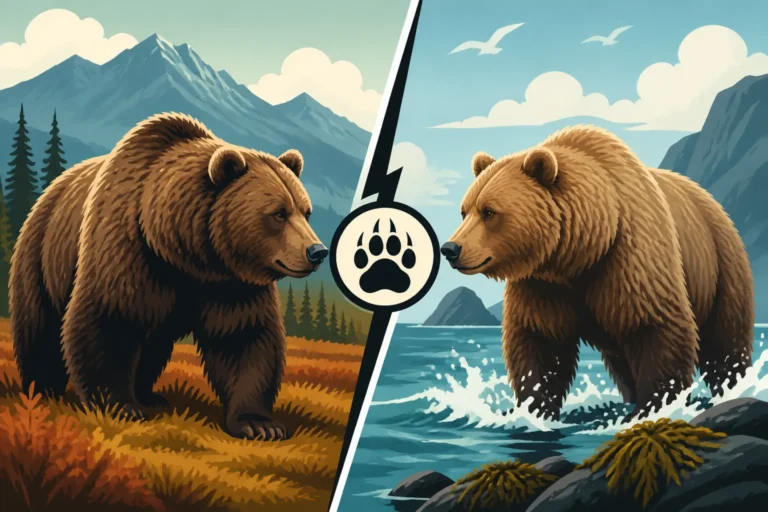
Genetically, Alaska's brown bears are the same species as interior grizzlies. However, the coastal brown bears of Alaska are so distinct in their behavior, size, and ecological role that they represent an entirely different hunting experience, essentially making them "only in Alaska" for those seeking the largest land carnivores in North America. Thanks to abundant salmon runs, mild coastal climates, and vast protected habitats, these bears grow to truly enormous proportions, far surpassing their inland counterparts.
The Giants of Alaska's Coast
The Alaska Peninsula, Kodiak Island, and other islands and coastal areas of Southcentral and Southeast Alaska are home to these magnificent bears. On Kodiak, they are often referred to as Kodiak bears, a subspecies known for reaching truly record-book sizes. These bears are heavily reliant on protein-rich salmon, which allows them to pack on immense weight and grow impressive skull sizes. Standing face-to-face with a coastal brown bear is an experience that underscores their position as the apex predator of their domain. For a deeper dive, check out Alaska Brown Bears on the Coast Versus Interior Grizzlies to understand the nuances between these powerful animals.
The Ultimate Big Game Challenge
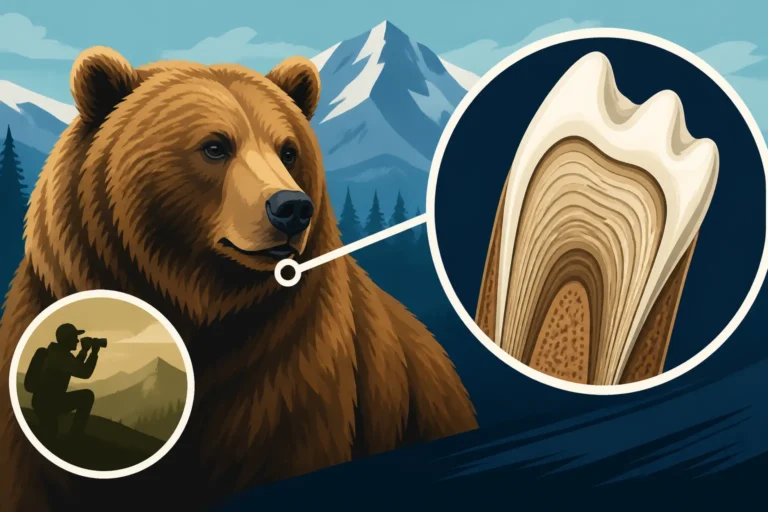
Hunting coastal brown bears in Alaska is the ultimate big game challenge for many, often requiring significant financial investment and usually a seasoned guide. These hunts are physically demanding, sometimes involving boat-based access to remote coves and beaches, followed by extensive glassing and stalking in dense alders or open tundra. The focus is often on finding an older, mature boar, and understanding bear behavior around salmon streams or denning areas is critical. Safety protocols are paramount, as you are entering the territory of a powerful predator. Learning about Bear Safety While Butchering a Kill in Alaska becomes more than just a suggestion when you are deep in coastal bear country. The trophy quality, typically measured by skull size and hide squareness, is exceptional, making these highly prized animals for serious collectors and conservationists alike.
Sitka Blacktail Deer: Rainforest Rascals
The Sitka blacktail deer (Odocoileus hemionus sitkensis) is another animal that, while found in coastal British Columbia, offers its most prominent and unique hunting opportunities within the United States exclusively in Alaska. These deer are perfectly adapted to the temperate rainforests and island archipelagos of Southeast Alaska and areas like Kodiak Island, providing a hunting experience distinct from pursuing whitetails or mule deer in other parts of the country.
Life in the Lush Rainforest
Sitka blacktails thrive in the unique ecosystem of Alaska's island coastlines and the adjacent mainland. They navigate dense spruce and hemlock forests, lush undergrowth, and sometimes even open alpine slopes after the snow recedes. These deer are smaller than their mule deer relatives, a testament to their adaptation to the more confined, food-rich island environments. Their population numbers can fluctuate dramatically based on winter snow depths, but when conditions are good, they can be found in abundance. If you're planning a trip to these unique habitats, resources like Sitka Blacktail Deer of Alaska's Island Rainforest provide an excellent overview of what to expect.
A Different Kind of Deer Hunting
Hunting Sitka blacktails often involves boat-based access, exploring remote islands and coves, then still-hunting through thick timber or ascending to alpine meadows. The weather can be notoriously wet and foggy, adding another layer of challenge. Unlike open country deer hunting, success often hinges on stealth, tracking, and patience in dense cover. The rut for blacktails in Southeast Alaska typically peaks later in the fall, offering exciting opportunities for calling and active pursuit. Hunters should be prepared for sudden changes in weather and be adept at Game Bags That Breathe in Coastal Rain to protect their meat in the often-soggy environment. It’s a true wilderness experience, requiring specialized gear and a willingness to embrace the elements.
| Species | Unique to Alaska (within US) | Primary Habitat | Hunting Style Often Involves | Special Considerations |
|---|---|---|---|---|
| Dall Sheep | Yes | Alpine mountains, rocky slopes, high tundra | Backpacking, glassing, long stalks, high elevations | Extreme physical fitness, guide requirement for nonresidents |
| Muskox | Yes (reintroduced pop.) | Arctic tundra, coastal plains | Spot-and-stalk, often by snowmobile or boat | Draw permit hunt, remote locations, harsh weather |
| Alaska-Yukon Moose | Premier/Largest subspecies | River bottoms, willow flats, burn scars | Float hunting, calling (rut), spot-and-stalk | Massive size, strenuous meat packing, antler restrictions |
| Coastal Brown Bear | Premier/Largest population | Salmon rivers, coastal areas, dense alders | Guided spot-and-stalk, boat-based access | Guide required for nonresidents, strict sealing rules |
| Sitka Blacktail Deer | Primary US range | Temperate rainforests, coastal islands, alpine | Still hunting, boat access, high country glassing | Wet weather, dense cover, population fluctuations |
Conclusion: The Call of the Wild Frontier
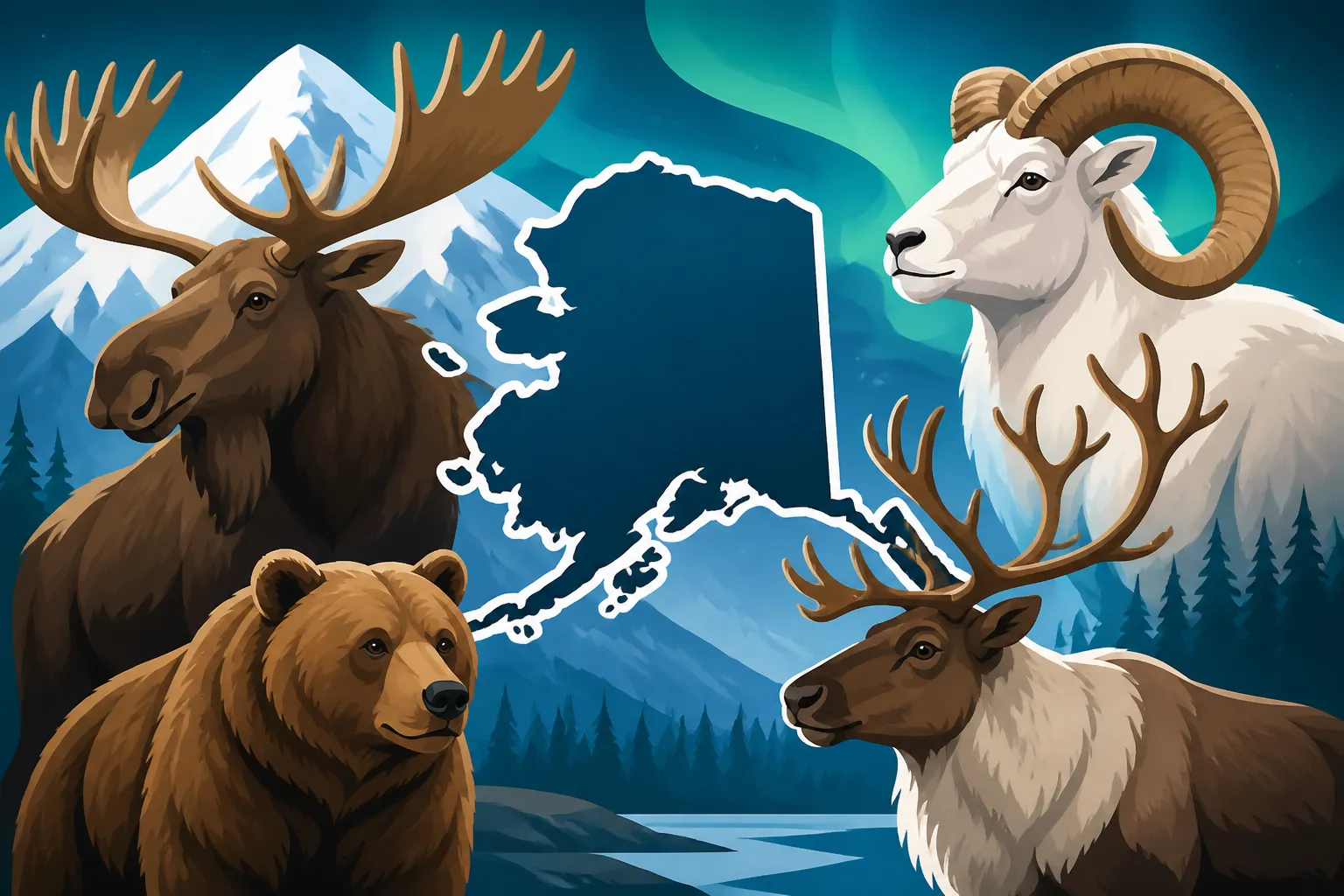
Alaska truly offers some of the most exclusive and challenging big game hunting opportunities in North America. Whether it's chasing the iconic white ghost of the mountains, the prehistoric muskox of the Arctic, the massive moose of the interior, the formidable coastal brown bear, or the agile blacktail of the rainforest, each of these hunts represents a distinct chapter in the story of Alaskan hunting. They demand respect, preparation, and a deep appreciation for the wild places they call home. When you step into the Alaskan wilderness to pursue these animals, you're not just hunting; you're participating in an adventure that is, in many ways, uniquely Alaskan. Remember to check regulations through services like GoHunt or the official Alaska Fish and Game resources, and consider reaching out to experienced guides or transporters if you're planning a trip to this incredible state. Don't forget that Alaska Hunter Education and Orientation Requirements might apply depending on your hunt and residency.
Disclaimer
This article is for general informational purposes only and does not constitute professional advice. Laws, prices and regulations vary by location and change over time. Consult a qualified professional for guidance on your specific situation.