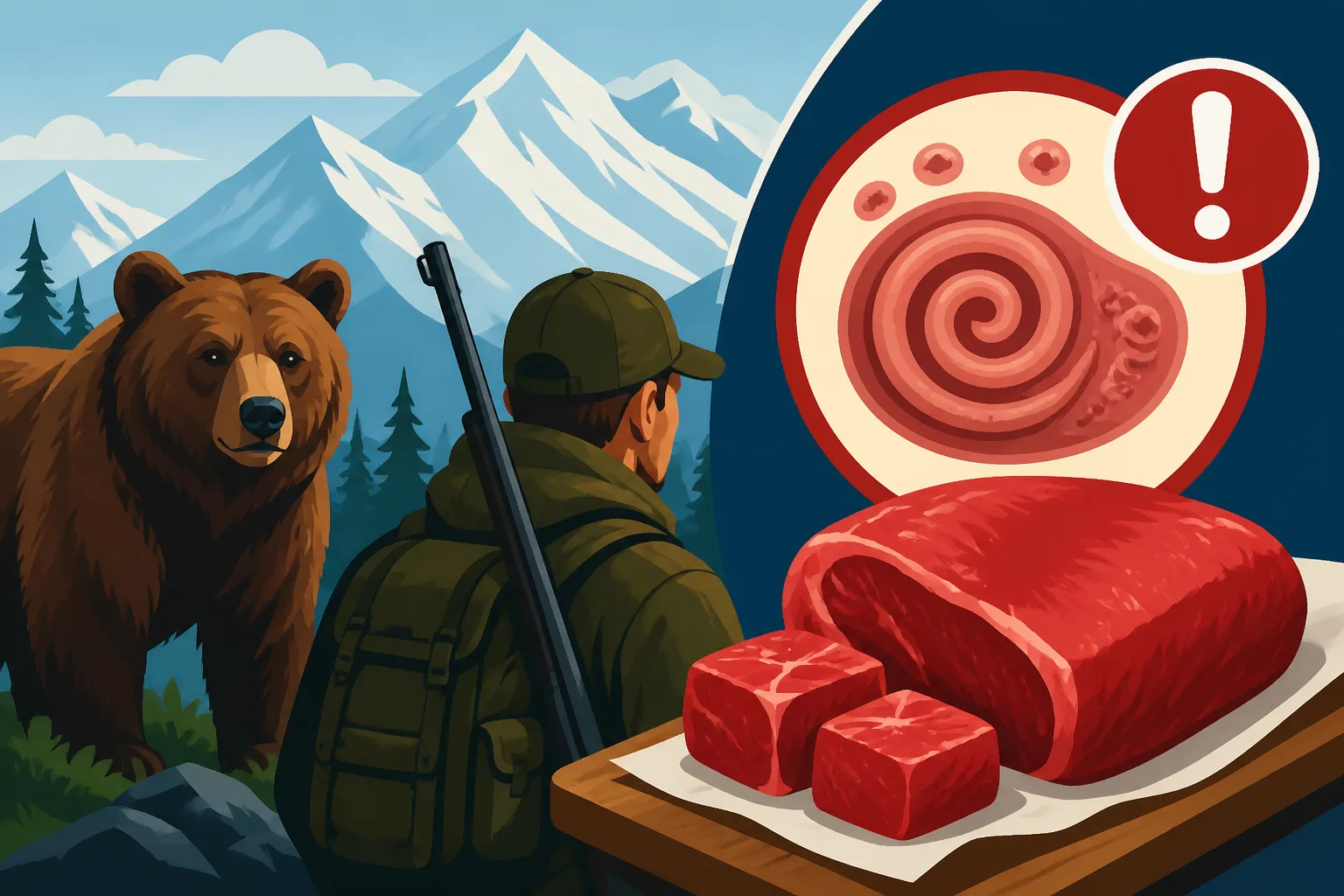
Alaska Bear Meat Salvage and Trichinosis Risk
One of the most profound responsibilities we take on as Alaska hunters is the ethical and legal obligation to fully utilize the game we harvest. When it comes to bears, however, many hunters feel a mix of excitement and apprehension, especially concerning the meat. The worry about parasites like trichinosis is real, and it can deter folks from salvaging what should be a valuable food source. This guide is all about demystifying bear meat salvage in Alaska, ensuring you understand the regulations, mitigate health risks, and confidently bring home delicious wild game for your table.
Why Salvaging Bear Meat is Not Just Good Practice, It's the Law
Hunting in Alaska isn't just about the thrill of the chase or the challenge of the landscape; it's deeply rooted in conservation and respect for the animals we pursue. That respect extends directly to the meat. Across Alaska, strict "wanton waste" regulations are in place to ensure that edible meat from big game animals is salvaged and utilized. This isn't just a suggestion; it's a legal requirement, and it applies unequivocally to bear meat, both black and brown bears. Failing to salvage the edible portions of a bear you've harvested can lead to significant penalties, including fines and loss of hunting privileges, which is a situation no ethical hunter ever wants to face.
Think about it: you put in the effort, you braved the elements, and you successfully harvested an animal. To then leave the vast majority of its meat behind goes against the very spirit of hunting. While some hunters might only think of the hide and skull for trophies, the meat is just as, if not more, important. The regulations typically define "edible meat" as the muscle tissue of the animal, often excluding internal organs, bones, and certain connective tissues, though this can vary by species and specific regulations. For bears, this means all the quarters, the backstraps, the neck meat, and often the rib meat are considered edible and must be taken out of the field. This can be a huge undertaking, especially with a large coastal brown bear, but it's part of the commitment you make when you pull the trigger. Always consult the current Alaska hunting regulations booklet before your hunt, or check resources like GoHunt for updates.
For many years, some hunters mistakenly believed that bear meat wasn't worth the effort or was inherently unsafe, leading to practices of leaving it behind. Thankfully, that perception is changing as more hunters learn proper handling and cooking techniques. The legal mandate to salvage bear meat reinforces this shift. It forces us to confront our responsibilities, educating ourselves on the best practices for field dressing, packing, and preparing this unique wild game. Whether you're tracking a black bear through dense timber or carefully stalking a brown bear on the open tundra, the plan for getting that meat out needs to be part of your overall Backpack Hunting in Alaska: Gear Weight and Meat Loads strategy. Preparing for a bear hunt means preparing for a heavy pack-out, so make sure you have appropriate game bags that can handle the volume and weight of the meat, keeping it clean and cool in the field.
Trichinosis: What Every Alaska Hunter Needs to Know
Now, let's address the elephant in the room – or rather, the microscopic worm: trichinosis. This is the primary concern most hunters voice when it comes to bear meat, and it’s a valid one. Trichinosis is a parasitic disease caused by the larvae of the roundworm Trichinella, and it's something that bears in Alaska are known to carry. Unlike many other game animals, bears are omnivores, and they often scavenge or prey on other animals, including rodents and other carnivores, which can carry the parasite. When a bear consumes infected meat, the Trichinella larvae can mature into adult worms in its intestines, reproduce, and then release new larvae that migrate into the bear's muscle tissue, where they encyst.
When humans consume raw or undercooked meat containing these encysted larvae, we become unwitting hosts. The larvae are released in our digestive system, mature, and then new larvae burrow into our own muscle tissue, leading to a range of unpleasant and potentially severe symptoms. These can include abdominal pain, diarrhea, nausea, fever, muscle aches, and weakness. In rare, severe cases, it can affect the heart or central nervous system and even be fatal. This is precisely why the concern is so high, and why simply freezing bear meat, a common practice for venison to kill other parasites, often isn't enough for Trichinella in bear meat. The specific species of Trichinella found in Alaska's wild game, Trichinella nativa, is notably cold-resistant, meaning standard home freezer temperatures may not reliably kill all the larvae. This is a crucial distinction from the Trichinella species found in domestic pork, which typically is killed by freezing.
Understanding this parasite is not about fear-mongering, but about informed preparedness. It means that every hunter who harvests a bear, whether a small black bear taken during Spring Bear Hunting on South-Facing Snow Slides or a massive coastal brown bear, needs to respect the potential presence of Trichinella. There are some commercial processing facilities that offer testing for trichinosis, but this can be costly and isn't always readily available, especially in remote areas. The most reliable and universally recommended method for making bear meat safe for consumption centers around proper cooking. This knowledge empowers hunters to confidently salvage and enjoy their bear harvest without undue worry, knowing they've taken the necessary precautions.
Safe Handling and Cooking to Eliminate Risk
Given the risk of Trichinella, safe handling and thorough cooking are absolutely paramount when dealing with bear meat. The good news is that by following some straightforward guidelines, you can completely eliminate the risk of contracting trichinosis from your harvest. It starts the moment the animal is down. Just like with any other big game, rapid cooling of the carcass is critical. Get the hide off quickly, quarter the animal, and get the meat into breathable game bags. In warm September weather, especially in coastal areas, Game Bags That Breathe in Coastal Rain are essential, and figuring out Hanging Meat in Warm September Weather to allow air circulation while protecting it from flies is crucial for quality.
When it comes to cooking, the golden rule for bear meat is thoroughness. The meat must reach a minimum internal temperature of 160°F (71°C) throughout all portions. And when we say "throughout," we mean it – no pink in the middle, no rare spots. A meat thermometer is your best friend here. Don't rely on visual cues alone, as cuts like a thick bear roast might appear done on the outside but still be undercooked in the center. Slow-cooking methods like stewing, braising, or roasting until well-done are excellent choices, as they ensure even heat penetration. Avoid quick searing or grilling methods that might leave the interior undercooked. If you're using ground bear meat for sausages or burgers, ensure it's cooked until no pink remains and the juices run clear.
Beyond cooking temperature, prevent cross-contamination in your kitchen. Treat raw bear meat as if it's infected. Use separate cutting boards, knives, and utensils for raw bear meat, and thoroughly wash anything that comes into contact with it in hot, soapy water immediately afterwards. Wash your hands frequently and thoroughly. This prevents any potential larvae from transferring to other foods or surfaces that might not be cooked to the same high temperature. While the focus here is on bear meat, these are excellent practices for all wild game, from Alaska Moose Meat Salvage Requirements to Meat Yield From an Alaska Caribou. Planning your processing strategy, whether you do it yourself or send it to a processor, is part of being a responsible hunter. Remember, if you're out in the field and need to keep meat safe from scavengers, establishing a secure meat cache, possibly with a Bear Fence Setup at a Meat Cache, is vital.
Here's a quick reference table for safe bear meat handling and cooking:
| Step | Action | Why It's Important |
|---|---|---|
| Field Care | Quarter and skin bear quickly. Get meat into breathable game bags. Cool rapidly. | Prevents bacterial spoilage. Maintains meat quality. Ethical compliance with salvage laws. |
| Transport & Storage | Keep meat cool during transport. Store in freezer at 0°F (-18°C) or colder. | Preserves meat quality. Note: Freezing alone may not kill Trichinella nativa. |
| Cooking Temperature | Cook all bear meat to an internal temperature of 160°F (71°C), measured with a meat thermometer. | Only reliable method to kill Trichinella larvae. Ensures safety for consumption. |
| Cross-Contamination | Use separate cutting boards, utensils for raw bear meat. Wash hands, surfaces thoroughly. | Prevents spread of potential parasites or bacteria to other foods or kitchen areas. |
| No "Rare" Bear Meat | Do not consume bear meat rare or medium-rare. It must be well-done throughout. | Any pink or undercooked portions can still harbor live Trichinella larvae. |
Making the Most of Your Bear Harvest: Culinary Tips
Once you've safely cooked your bear meat, you'll find it's a wonderfully flavorful and versatile wild game. Don't let past anxieties about trichinosis overshadow the culinary potential of your harvest. Bear meat is often described as rich, robust, and sometimes sweet, with a flavor profile that can vary depending on the bear's diet – a salmon-fed coastal brown bear will taste different than a berry-foraging interior black bear. Just like other wild game, it's lean, so adding some fat during cooking can enhance its moisture and flavor.
Many hunters find success with slow-cooking methods that allow the rich flavors to develop and the meat to tenderize. Bear roasts, slow-cooked in a Dutch oven with root vegetables and hearty broth, are fantastic. Stews, chilis, and braised dishes are also excellent. Consider using bear meat in recipes where you might typically use beef or venison, but remember to adjust for the leanness and ensure it's cooked thoroughly. Bear sausage is another popular option, often mixed with pork fat to improve texture and flavor, and then cooked thoroughly before eating. Ground bear meat also makes excellent burger patties, meatloaf, or even meatballs, as long as it reaches that 160°F internal temperature.
Don't be afraid to experiment with marinades and seasonings. Stronger flavors like juniper berries, rosemary, garlic, and onions pair beautifully with bear meat. For a more adventurous take, some hunters like to smoke bear meat after it's been fully cooked, which adds another layer of flavor. When you're processing your bear in the field, taking the time to properly Cape Care for a Life-Size Bear Mount and managing the meat carefully are two sides of the same coin of respecting your harvest. With thoughtful preparation and a commitment to safe cooking practices, you'll discover that Alaska bear meat is not only legal to salvage but a genuinely rewarding and delicious addition to your wild game menu. Embracing the entire experience, from the hunt to the table, is what being an Alaska hunter is all about.
Disclaimer
This article is for general informational purposes only and does not constitute professional advice. Laws, prices and regulations vary by location and change over time. Consult a qualified professional for guidance on your specific situation.