Black Bear Diet Before Salmon Arrive
For any hunter heading into Alaska's vast wilderness, understanding the habits of the game you pursue is absolutely critical. Black bears, in particular, can be quite the puzzle, especially when you're thinking about hunting them in the early season. Many folks imagine bears gorging on salmon, but before those fish runs even begin, black bears are already out there, incredibly active and constantly on the move, trying to pack on pounds. Knowing what they're actually eating in those lean spring and early summer months can drastically change your approach and improve your chances of success, and this guide is here to shed some light on their pre-salmon diet.
The Spring Emergence: Hungry Bears and Empty Bellies
Imagine waking up from a long winter's nap, where your body has slowly burned through its fat reserves for months. You'd be ravenously hungry, right? Well, that's exactly the state black bears are in when they emerge from their dens in spring. Their internal clocks tell them it's time to get up, even if the world outside is still largely frozen or just barely beginning to green up. This period, typically from late April through June, is a critical time for them to find food, as they've lost a significant portion of their body weight over winter. Their primary directive is simple: eat, and eat as much as possible, to replenish those lost calories and prepare for the abundance of summer and fall.
The timing of this emergence can vary quite a bit depending on elevation, latitude, and how harsh the winter was. Bears at lower elevations or in more southerly coastal areas might be out weeks before their counterparts higher up in the mountains or further north in the Interior. When they first step out, the landscape can still be pretty bleak. There aren't many ripe berries, and the lush, green vegetation that will dominate later in the season is just starting to poke through the thawed earth. This scarcity of readily available, calorie-dense food means they have to be opportunistic and diligent in their foraging efforts.
This intense hunger drives their movements and dictates where you're likely to find them. They're often seen on south-facing slopes, which tend to melt out first, revealing the earliest bits of forage. They'll also patrol river bottoms, forest edges, and avalanche chutes, constantly sniffing the air and turning over rocks and logs. For hunters, understanding this desperate quest for food is key. It means bears are less selective and often more predictable in their movements than they might be later in the year. If you can locate those early-green-up areas or places where other potential food sources might be found, you're already one step ahead. Checking resources like GoHunt can provide insights into bear activity and historical sightings in different areas, helping you narrow down your search.
Nature's Spring Buffet: Foraging for Early Greens and Roots
Before the salmon even think about heading upstream, Alaska's black bears are working hard to find sustenance from whatever the land offers. In the spring and early summer, their diet is surprisingly diverse, leaning heavily on emerging vegetation. Think of it as nature's spring salad bar, albeit one that requires a lot of digging and a sharp nose.
One of their first priorities is green vegetation. As soon as the snow recedes and the ground thaws, tender young shoots become a crucial food source. Bears will graze on grasses, sedges, horsetails, and various forbs (broad-leafed herbaceous plants). These might not seem like much, but they're packed with essential nutrients and moisture, helping to rehydrate the bear after hibernation. You'll often see them methodically sweeping through a meadow or a Spring Bear Hunting on South-Facing Snow Slides, munching away. They're not just idly nibbling; they're actively seeking out the most digestible and nutritious early growth.
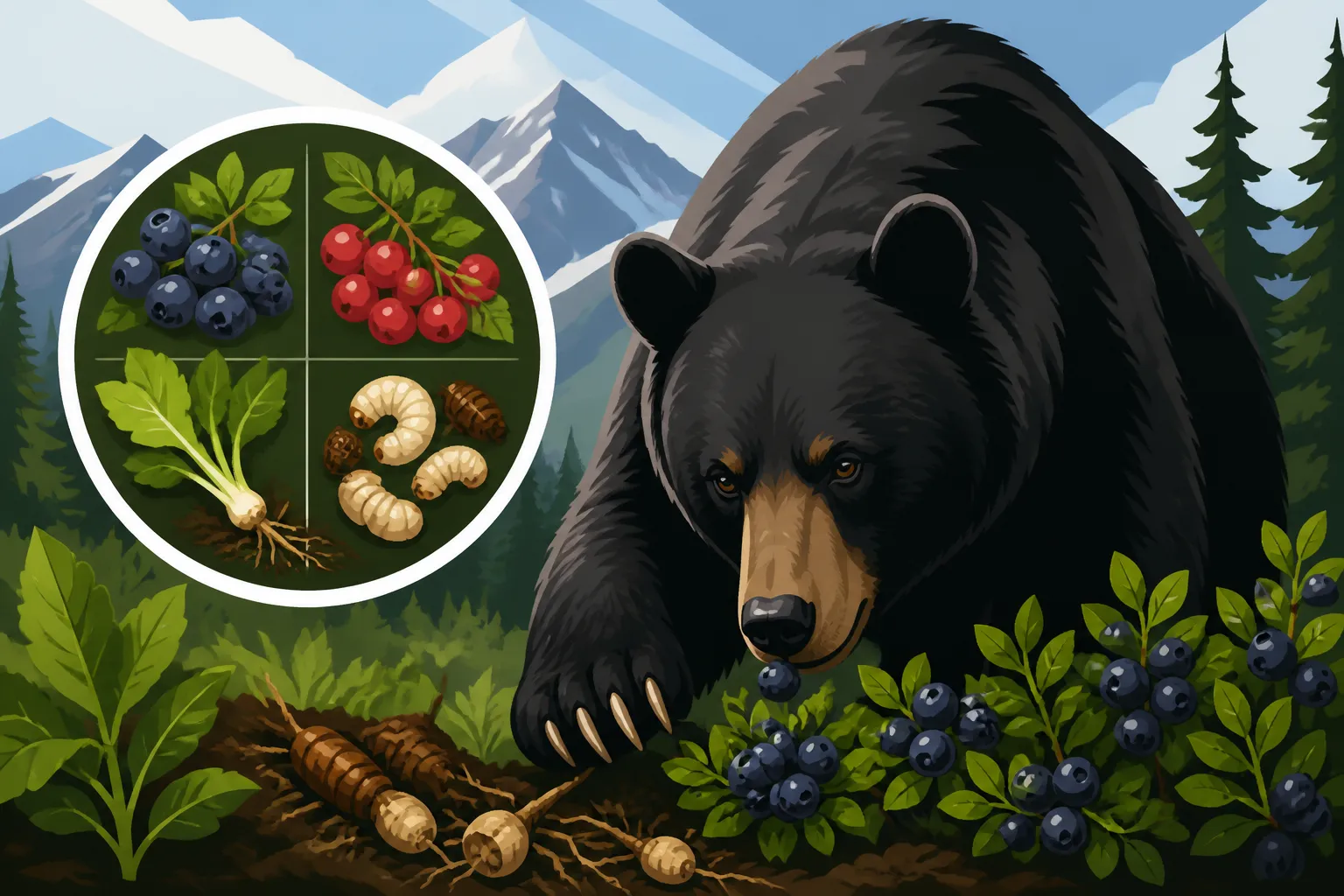
Beyond greens, roots and bulbs are another significant component of their pre-salmon diet. Bears have powerful claws designed not just for climbing, but for digging. They'll root around in the soil, unearthing tubers and rhizomes. Plants like riceroot and various wild parsnips can be locally abundant and provide more concentrated calories than leafy greens. This digging behavior often leaves tell-tale signs in the form of disturbed earth, which can be an excellent clue for a hunter trying to pattern their movements. Areas with moist, rich soil are prime locations for these subterranean snacks.
| Food Category | Examples | Nutritional Value | Hunting Implications |
|---|---|---|---|
| Emerging Vegetation | Grasses, Sedges, Horsetails, Skunk Cabbage | Fiber, moisture, some carbohydrates and nutrients | Look for early green-up areas, south-facing slopes |
| Roots & Bulbs | Riceroot, Wild Parsnip, Various Tubers | More concentrated carbohydrates, energy | Disturbed earth, digging sites indicate presence |
| Carrion | Winter-killed ungulates (moose, caribou) | High protein, fat, crucial for calorie replenishment | Bear presence near winter range, often guarded |
| Insects & Grubs | Ants, Beetle Larvae, Wasps | Protein, fat, easily accessible | Torn logs, overturned rocks, feeding trails |
| Leftover Berries | Lingonberries (dried), Highbush Cranberry | Some carbohydrates, sugar | Persistence in areas with dense berry bushes |
Protein Power: When Vegetation Isn't Enough
While spring greens and roots provide much-needed nutrients, they often lack the high-calorie fat and protein necessary for a bear to truly recover from hibernation and put on weight. This is where their opportunistic nature shines. Black bears are not exclusively vegetarians; they are omnivores, and when the opportunity arises, they will readily seek out animal protein.
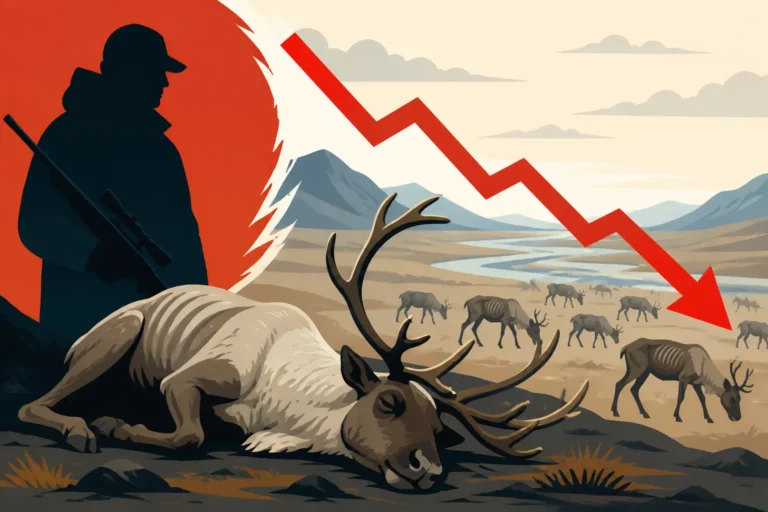
One of the most significant sources of protein in the early season is carrion. After a long, hard Alaskan winter, there are often ungulates like moose or caribou that didn't make it. A winter-killed moose, for instance, is a massive calorie jackpot for a hungry bear. They have an incredible sense of smell and can detect a carcass from a surprising distance. Bears will aggressively defend these food sources, and finding a bear on a fresh or even slightly aged carcass is a common occurrence in spring. Hunters should be particularly aware of this when operating in areas that also serve as winter range for big game. When Black Bears Emerge in Spring, these winter kill sites are a major draw.
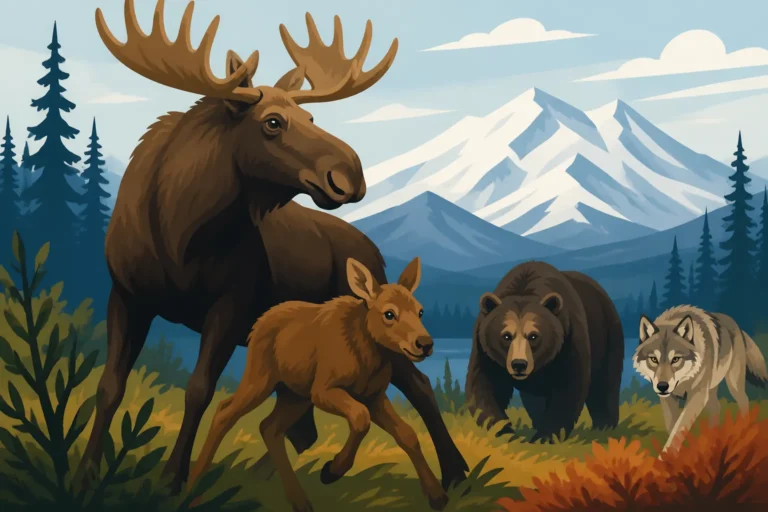
Beyond carrion, black bears are also adept predators of vulnerable young animals. The spring is calving season for moose and caribou, and fawning season for deer. Newborn calves and fawns, particularly in their first few days of life, are easy targets. A black bear will patrol calving grounds, using its keen sense of smell and hearing to locate these defenseless animals. This can be a particularly effective strategy for them to gain crucial protein and fat. If you're seeing a lot of moose cows with new calves, or hearing warning calls from does, there's a good chance a bear might be in the vicinity, on the hunt for a high-value meal.
And let's not forget the smaller, often overlooked protein sources: insects. Black bears will tear apart rotten logs, overturn rocks, and even dig into ant hills to get at grubs, larvae, and adult insects. Carpenter ant colonies in dead trees are a particular favorite, providing a surprising amount of protein and fat. This kind of foraging leaves distinct evidence, such as shredded wood or disturbed ground, which can clue a hunter into their recent activities. While seemingly small, these consistent insect meals add up over time and contribute significantly to their early-season recovery. When checking out historical data on GoHunt, you might notice patterns of bear activity coinciding with insect hatches or early ungulate calving.
From Berries to Bugs: Seasonal Shifts in Black Bear Palates
The diet of a black bear is far from static; it’s a dynamic menu that shifts with the seasons and the availability of food. Before the salmon arrive in force, bears are operating in a transitional period, moving from the scarcity of early spring to the relative abundance of early summer. Understanding this progression is crucial for anyone trying to predict their movements and behaviors.
In late spring and early summer, as more vegetation emerges, the bears will start to incorporate a wider variety of plant matter. Beyond the initial greens and roots, they'll begin to browse on the succulent leaves and stems of other plants. As the weather warms, the ground becomes more accessible, meaning more opportunities to dig for those calorie-rich roots and tubers. They are constantly evaluating the landscape for the most energetically rewarding foods.
Even before the major salmon runs, there might be early, smaller berry crops or lingering, dried-up berries from the previous year. Lingonberries (lowbush cranberries) can sometimes persist through winter, and while not as plump and juicy as fresh berries, they still offer some carbohydrates and sugars. Bears have an excellent memory for food locations and will revisit prime berry patches, even if it's just to scavenge the remnants. This speaks to their efficiency; no potential calorie source is overlooked.
As summer progresses towards the true salmon season, their focus will gradually shift. Once the salmon start hitting the streams, the bears will congregate along those rivers, rapidly switching to a protein and fat-rich diet of fish. This is the period most people associate with Alaskan bears. However, the pre-salmon phase is when they are at their most versatile and widest-ranging in their food searches. They are less focused on a single, super-abundant food source and more on a diverse, calorie-gathering mission. For hunters using tools like GoHunt to scout, understanding these seasonal dietary shifts allows for more accurate predictions of where bears might be feeding. For instance, knowing the Black Bear Bag Limit by Unit is important, but knowing where to find those bears based on their diet is just as vital.
Tailoring Your Strategy to the Pre-Salmon Diet
For hunters, recognizing the nuances of a black bear's pre-salmon diet is more than just academic curiosity—it's a fundamental part of developing an effective hunting strategy. These early season bears are driven by intense hunger, making their movements and feeding patterns more predictable than during the later season when food might be overly abundant or widely scattered.
One key aspect is scouting for early green-up areas. Focus on south-facing slopes, river bottoms, and lower elevations where the snow melts earliest. These spots will have the first tender shoots and roots, drawing hungry bears. Using binoculars or a spotting scope to glass these areas methodically can pay off. Another tactic is to look for signs of digging, such as overturned rocks or disturbed soil, which indicate bears have been foraging for roots and insects. These feeding areas might not look like much to the untrained eye, but they are veritable grocery stores for a spring bear.
Furthermore, consider the presence of carrion or vulnerable young ungulates. Bears will often hang around winter kill sites, and if you know where moose or caribou typically winter, those areas are worth investigating. Similarly, during the calving season, areas where ungulates drop their young can attract bears looking for easy protein. Always be aware of your surroundings, and if you encounter a carcass, proceed with extreme caution, as a bear might be nearby and protective of its meal. Remember to follow strict Bear Safety While Butchering a Kill in Alaska protocols, especially in these high-activity areas.
Finally, if you're considering a baiting approach, understanding the pre-salmon diet is paramount for success. Setting a Legal Black Bear Bait Station in Alaska requires knowledge of what bears are looking for. Before the salmon runs, they are seeking calories, fat, and protein. This means your bait choices should reflect that, using things like sweet pastries, meat scraps, or even dog food mixed with grease to draw them in. The right bait, strategically placed, leverages their natural foraging instincts. Always check the regulations regarding Legal Bait Materials for Alaska Black Bear for your specific unit, as rules can vary.
By meticulously observing the environment, looking for tell-tale signs, and understanding the specific caloric needs of black bears before the salmon arrive, you can significantly increase your chances of a successful spring hunt. It's all about being in the right place at the right time, with the right understanding of what drives these incredible animals.
Disclaimer
This article is for general informational purposes only and does not constitute professional advice. Laws, prices and regulations vary by location and change over time. Consult a qualified professional for guidance on your specific situation.