Mulchatna Herd Numbers and the Closure
It’s a truly disheartening experience when you’ve had your sights set on a hunt, perhaps for years, only to discover that the very herd you planned to pursue is now off-limits. For many Alaska hunters, both resident and nonresident, the news surrounding the Mulchatna caribou herd has brought exactly that kind of gut punch. This comprehensive guide will walk you through the history of the Mulchatna herd, delve into the factors that led to its dramatic decline, explain the current hunting closure, and offer insights into what the future might hold for this iconic caribou population and the hunting opportunities it once provided.
The Mulchatna Caribou Herd: A Rollercoaster of Numbers
The Mulchatna caribou herd, ranging across vast stretches of southwest Alaska, has a long and storied history, much like many other large migratory caribou herds. For decades, it was a backbone for both subsistence and recreational hunters, providing countless opportunities and filling many freezers. But like a rollercoaster, its population numbers have seen incredible highs and devastating lows, leaving hunters and wildlife managers alike grappling with uncertainty.
The Historical Highs and Lows of a Vast Herd
Back in its heyday, the Mulchatna herd was truly a spectacle, boasting populations that soared well over 200,000 animals in the early 2000s. Imagine the sheer scale of a herd that size, migrating across the tundra, filling the landscape with life. Hunters flocked to this region, drawn by the prospect of a world-class caribou hunt. It was a time when success rates were high, and the focus was often on antler quality rather than just finding a legal animal. These were the boom years, shaping many a hunter's memories of Alaska. However, anyone familiar with caribou knows that these populations are rarely static. They are governed by a complex interplay of environmental factors, predation, and human harvest, leading to natural, often dramatic, fluctuations. A peak is almost always followed by a decline, though the severity and duration of that decline can vary wildly.
Understanding the Baseline: What "Mulchatna Herd Population Objective" Means
When wildlife managers talk about a "population objective," they're not just pulling a number out of thin air. This objective is a crucial benchmark, carefully determined by the Alaska Department of Fish and Game (ADF&G) based on extensive biological data. It considers the carrying capacity of the habitat—how many caribou the land can realistically support without degrading the ecosystem—as well as factors like sustained yield, which is the maximum number of animals that can be harvested annually without depleting the population over the long term. For the Mulchatna herd, this objective represents a healthy, sustainable population size that balances ecological well-being with robust hunting opportunities. When the herd was at its peak, it was well above this objective, allowing for liberal seasons. As the numbers began to drop, the gap between the actual population and the established objective became a serious concern, triggering increasingly restrictive management actions.
Unpacking the Decline: Why the Mulchatna's Population Plummeted
The drastic reduction in the Mulchatna caribou herd's numbers didn't happen overnight, nor was it due to a single, easily identifiable cause. Instead, it was a complex and unfortunate convergence of multiple pressures, each amplifying the others, pushing the herd into a perilous state. When a herd as large as the Mulchatna takes such a dive, it's a stark reminder of how fragile even robust wildlife populations can be in a dynamic environment like Alaska.
A Cascade of Ecological Challenges
One of the primary drivers behind the Mulchatna's decline has been a series of ecological challenges that have directly impacted caribou survival and reproduction. For instance, prolonged periods of harsh winter weather, characterized by deep, crusted snow, can make foraging incredibly difficult. Caribou rely on digging through snow for lichen, and if that snow becomes too deep or forms an impenetrable ice layer (a phenomenon often called "rain-on-snow" events), animals can starve, especially calves and older cows. Late springs can also delay the growth of nutritious forage that cows need to regain condition after calving. Beyond weather, changes in vegetation patterns, perhaps due to wildfire or natural succession, can alter prime foraging grounds. Sometimes, less obvious factors like disease outbreaks, while rarely the sole cause, can also weaken a herd already under stress, making them more susceptible to other pressures. It’s often a perfect storm of these environmental factors, rather than one isolated event, that creates such a dire situation for a caribou population.
Predation Pressure and Its Amplifying Effect
While predation is a natural and healthy component of any ecosystem, its impact can become particularly acute when a prey population is already struggling. In the case of the Mulchatna, robust populations of predators like wolves and bears have contributed to the herd's struggle to recover. When caribou numbers are high, predators typically take a small percentage, and the herd can easily absorb those losses. However, as the caribou population declines due to other factors (like those mentioned above), the relative impact of predation increases. Wolves, for example, often target calves and weaker individuals, which can severely hamper the herd's ability to recruit new animals into the breeding population. Bears, particularly brown bears, are also significant predators of caribou calves, especially in the spring shortly after calving. When a herd's calf survival rates plummet, it creates a demographic imbalance that can lead to a rapid downward spiral, making recovery exceedingly difficult until those predator-prey dynamics shift back in favor of the caribou.
Management Decisions in the Face of Crisis
As the scientific data painted an increasingly grim picture of the Mulchatna's trajectory, wildlife managers faced incredibly difficult decisions. It’s never easy to restrict or close a hunting season, especially for a herd that has provided so much to local communities and nonresident hunters alike. Initially, this involved implementing more conservative regulations, such as reducing bag limits, shortening seasons, or introducing antler restrictions. However, as the decline continued unabated, these measures proved insufficient to halt the downward trend. The ultimate, and most drastic, step was a full closure of all hunting seasons for the Mulchatna caribou. These decisions are made with the long-term health of the herd as the primary objective, even if it means immediate sacrifice for hunters. It's a testament to the commitment to conservation, albeit a painful one for those who cherish the opportunity to hunt. Tracking these changes can be tough, but resources exist. Many hunters consult platforms like GoHunt to stay on top of the latest regulation changes and herd health reports for specific units.
The Mulchatna Caribou Closure: A Hunter's Reality
The current closure of the Mulchatna caribou hunt has been a profound disappointment for many, illustrating the challenging realities of wildlife management in Alaska. Hunters spend countless hours planning, preparing, and dreaming of these expeditions, and to have a cherished opportunity disappear is understandably frustrating.
The Hard Truth: "Mulchatna Caribou Closure Since 2021"
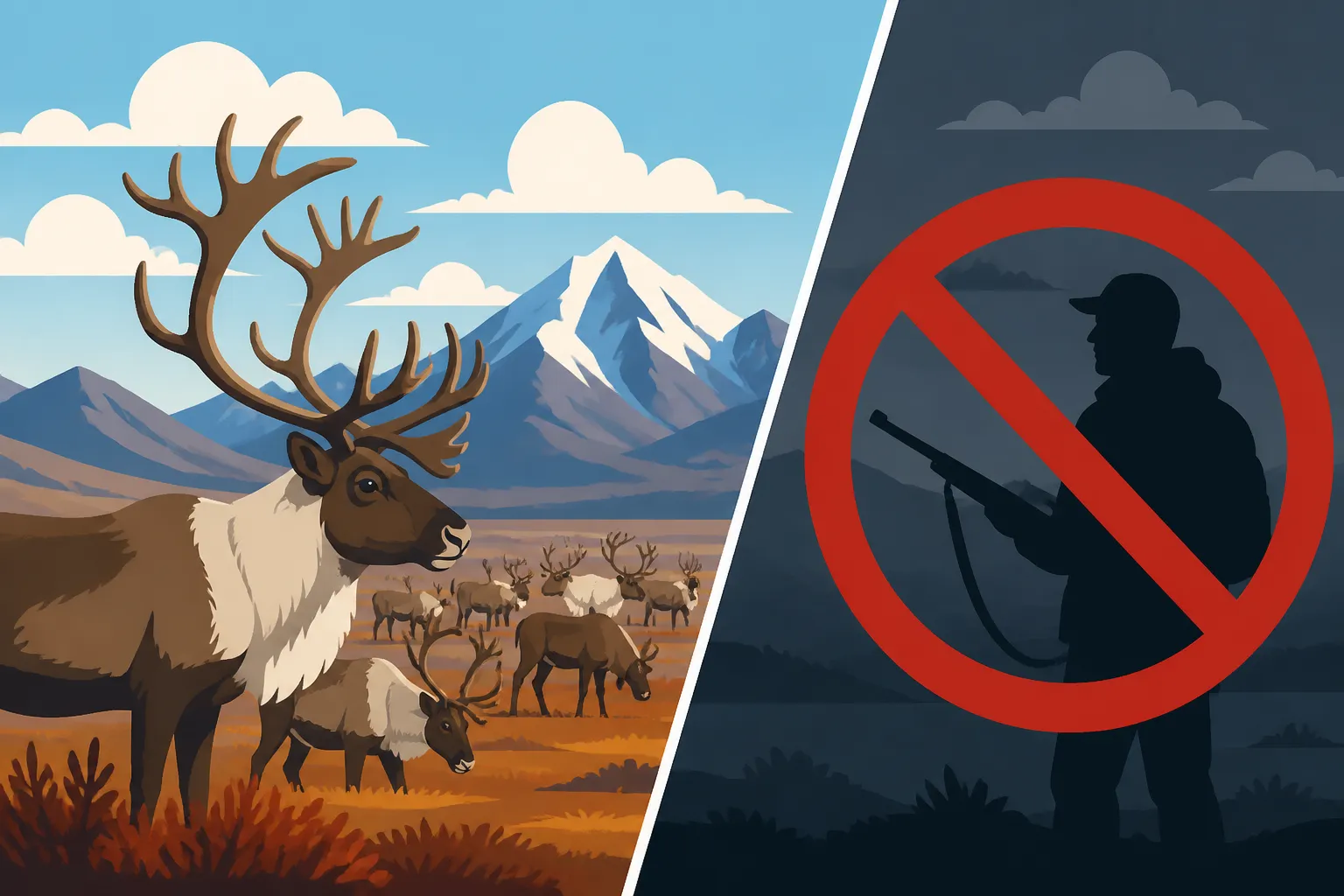
The Alaska Department of Fish and Game officially closed all hunting for the Mulchatna caribou herd starting in 2021, and that closure has remained in effect. This decision was not made lightly; it was a direct response to alarmingly low population estimates that indicated the herd was far below its management objective and continuing to decline. The intent behind such a drastic measure is purely conservationist: to give the herd a chance to stabilize, increase calf survival, and ultimately rebuild its numbers without additional pressure from hunting. While deeply disappointing for hunters—especially those who may have spent years saving or drawing permits for this region—it's a critical, though often painful, step towards potential future recovery. Understanding the science behind these closures, and the long-term goals, can help temper some of the immediate frustration, even if it doesn't make the wait any easier. For up-to-date information on herd closures or openings, checking state wildlife department sites is crucial, and platforms like GoHunt often aggregate and interpret this data, making it easier for hunters to stay informed.
Exploring Other Migratory Opportunities: Where Else to Look
While the Mulchatna closure is tough news, Alaska still offers incredible caribou hunting opportunities. The state is home to numerous other herds, each with its own unique range, migration patterns, and management status. If you're looking to still pursue caribou, you might consider shifting your focus to these other populations.
For instance, the Western Arctic Herd is one of the largest caribou herds in the world, and while its numbers fluctuate, it has historically provided robust hunting opportunities across vast stretches of northwestern Alaska. You can learn more about The Western Arctic Herd's Population Swings to understand its dynamic nature. Similarly, the Fortymile Caribou Herd, located in the interior, has seen a remarkable recovery in recent decades and now offers some excellent hunting. Understanding the Fortymile Caribou Herd Range and Migration can help you plan for a hunt in that area. And don't forget the Nelchina Herd, often accessible via Alaska's road system or short bush flights, which also provides great hunting, especially for those looking for a different experience. Researching The Nelchina Herd and Road-System Access might open up some exciting possibilities. Each of these herds has different population trends, quota systems, and access challenges, so thorough research is key. Many hunters use tools like GoHunt to analyze draw odds, access points, and historical success rates for these alternative units, helping them make informed decisions when their primary plan falls through.
Looking Ahead: When Mulchatna Caribou Hunting Might Reopen
The question on every hunter's mind is, of course, "When will the Mulchatna caribou hunt reopen?" The honest answer is that there's no definite timeline, but wildlife agencies are working diligently, and the herd could eventually recover. It's a waiting game that requires patience, persistent conservation efforts, and the cooperation of both nature and humans.
Recovery Efforts and Monitoring Progress
The Alaska Department of Fish and Game isn't simply waiting for the Mulchatna herd to magically bounce back. Active management and intensive monitoring efforts are underway to facilitate recovery. This includes conducting aerial surveys to obtain accurate population estimates, tracking calf recruitment rates (the number of calves that survive to become yearlings), and assessing adult survival. Biologists study habitat conditions to ensure that vital foraging areas are healthy and accessible. In some cases, targeted predator control measures might be implemented, though these are often controversial and are only considered after careful study shows that predation is a primary limiting factor preventing recovery. The goal is to identify and address the specific factors that are hindering the herd's growth, thereby giving the caribou the best possible chance to rebound. These efforts are continuous, and the data collected directly influences future management decisions, including the eventual consideration of reopening a hunting season.
The Long Road Back: What Reopening Will Require
For hunting to resume for the Mulchatna caribou herd, several critical criteria will need to be met, indicating a sustained and robust recovery. First and foremost, the herd's population estimate needs to show a clear and sustained upward trend, moving significantly away from its current low point. This means seeing consistent increases in calf recruitment year after year, demonstrating that new generations are surviving and adding to the herd. Secondly, adult survival rates must improve, showing that the breeding population is healthy and stable. Finally, the herd would need to reach a substantial percentage of its established Mulchatna Herd Population Objective—not necessarily the historical highs, but a healthy, sustainable number that allows for careful management and responsible harvest. This process takes time, often many years, as caribou are long-lived animals with relatively slow reproductive rates. Hunters eager to know When Mulchatna Caribou Hunting Might Reopen will need to stay vigilant, keeping an eye on official ADF&G announcements and consulting reputable hunting data providers that often track these population trends. It's a long road, but with dedication and a bit of luck from Mother Nature, the Mulchatna could one day again offer the incredible hunting experiences it once did.
| Year (Approx.) | Population Estimate | Status / Action | Key Events |
|---|---|---|---|
| Early 2000s | 200,000+ | Peak Population | Liberal hunting, high hunter success |
| Mid-2010s | 50,000 – 75,000 | Significant Decline | Season restrictions begin, reduced bag limits |
| Late 2010s | 20,000 – 30,000 | Steep Decline | Further restrictions, increasing concern from ADF&G |
| 2021 – Present | Below 20,000 (est.) | Full Hunting Closure | Conservation measure to allow herd recovery |
Disclaimer
This article is for general informational purposes only and does not constitute professional advice. Laws, prices and regulations vary by location and change over time. Consult a qualified professional for guidance on your specific situation.