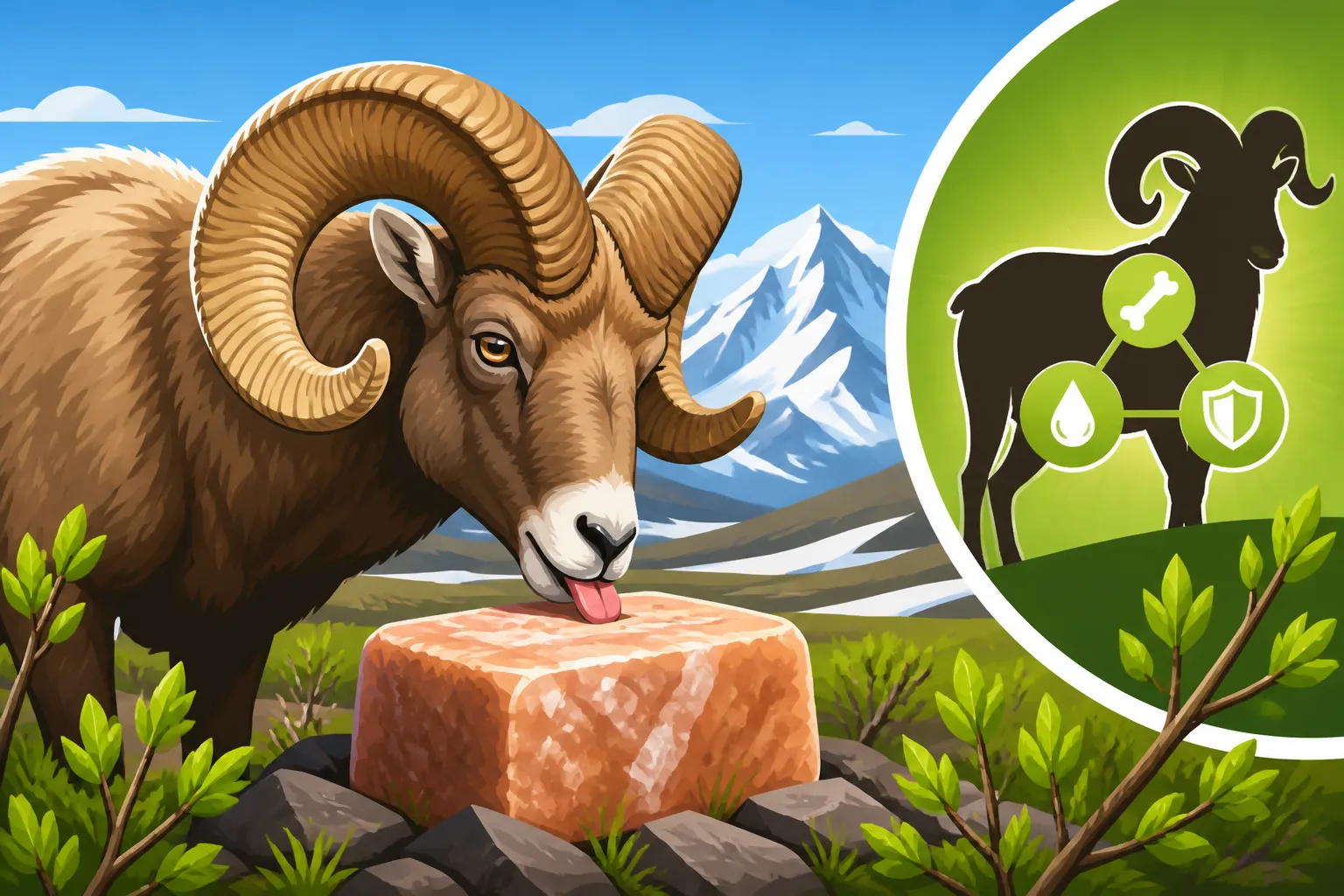
Why Rams Use Mineral Licks in Spring
One of the most perplexing and fascinating aspects of hunting Dall sheep in Alaska is understanding their seasonal movements, especially when they suddenly seem to vanish from high ridges only to reappear in unexpected places. Many hunters, myself included, have spent countless hours glassing what looked like prime sheep country, only to come up empty. The secret often lies in understanding the subtle, yet powerful, draw of mineral licks in the spring. Rams, in particular, are driven by an instinctual need to seek out these vital resources, and if you're not factoring them into your scouting and hunting strategy, you're missing a critical piece of the puzzle. This guide will dive deep into why Dall rams make these pilgrimages, what they're truly seeking, and how this knowledge can inform your approach to finding and hunting these magnificent animals.
The Seasonal Imperative: Why Mineral Licks Call to Dall Rams in Spring
After a long, hard Alaskan winter, Dall sheep emerge from the snow-covered mountainsides often looking a bit rough around the edges. Their coats might be shedding, they’ve lost body condition, and the demands of simply surviving have taken their toll. For rams, spring isn't just about finding green shoots; it's a critical period for intense physiological rebuilding, and mineral licks become an absolute magnet. These sites aren't just a convenient stop; they're an essential part of their annual cycle, driven by biological needs that are impossible to ignore.
Replenishing Winter's Depletion and Kickstarting Growth
Imagine spending months in a harsh, cold environment where food is scarce and energy expenditure is constant. That's the reality for Dall sheep in the winter. Their diet during these lean months primarily consists of dry grasses, sedges, and sparse woody browse, which are often poor in essential minerals. Their bodies, meanwhile, are constantly burning through reserves just to maintain core temperature and basic functions. By the time spring arrives, many sheep, especially rams, are in a serious mineral deficit.
When the snow starts to melt and the first green-up occurs, rams begin to put on weight and shift their metabolism towards recovery. This recovery phase isn't just about calories; it's about rebuilding cellular structures, replenishing electrolyte balances, and preparing for the strenuous months ahead. Mineral licks provide a concentrated source of these depleted elements, allowing their bodies to quickly absorb what they've been missing. It's like a nutrient supercharge, getting them back to full strength faster than grazing alone ever could. Missing out on these vital minerals could have long-term health consequences, impacting everything from immune function to overall vigor, making these licks a non-negotiable destination.
The Intense Demands of Horn Development
For rams, spring is also the beginning of an incredible annual feat: growing a new set of horns. While the actual horn growth happens throughout the summer, the foundational biological processes and nutrient demands begin long before. Those magnificent full-curl rams we all dream of pursuing rely on a steady and abundant supply of minerals to support this rapid bone and keratin production. Horns aren't just for show; they're integral to dominance hierarchies and breeding success, and healthy, impressive horns are a direct reflection of a ram's physical condition and access to quality nutrition.
The sheer volume of calcium, phosphorus, and other trace minerals required to grow several pounds of bone-like material over a few short months is staggering. If a ram doesn't get enough of these minerals, his horn growth could be stunted, malformed, or weakened, impacting his social standing and reproductive opportunities. This drive for horn growth acts as a powerful motivator, pulling rams towards known mineral licks year after year. Hunters often observe sheep at these licks with a focused intensity, spending significant time ingesting the mineral-rich soil and water, almost as if they know precisely what their bodies need. It’s truly a remarkable display of instinctual wisdom.
Post-Winter Recovery and Reproductive Health
Beyond simply rebuilding their physical form and growing impressive headgear, mineral intake in spring plays a crucial role in a ram’s overall reproductive health. A ram in peak physical condition, fueled by a balanced diet and sufficient minerals, is better equipped to survive the rigors of the upcoming rut in the fall. During the rut, rams expend massive amounts of energy competing with other males, fighting, and breeding, often losing significant body weight. The nutritional foundation laid in spring directly influences their ability to withstand this grueling period.
Minerals are essential for proper hormone production and fertility. Without adequate intake, a ram's reproductive capabilities could be compromised, leading to a less successful breeding season. This isn't just about individual rams; it's about the health of the entire Dall sheep population. Strong, healthy rams contribute to a robust gene pool and ensure the continuation of the species. So, while a hunter might see a ram at a lick, the ram sees it as a vital step in preparing for the most important part of his year. This instinctual drive to ensure future breeding success is a powerful, underlying reason why they utilize these special locations.
Key Nutrients and Their Role in Dall Sheep Health
It's not just any dirt that attracts these sheep. Mineral licks are geological anomalies, specific areas where certain salts and trace elements are concentrated in the soil or water. The sheep have an uncanny ability to sniff out these vital compounds, almost as if their bodies are sending them specific signals about what they lack. Understanding which minerals are most sought after helps us grasp the deep biological need that pulls them to these specific spots.
Sodium: The Primary Magnet
Hands down, sodium is usually the biggest draw for Dall sheep to a mineral lick. While you might associate sodium with table salt, for wild herbivores, it's a much harder mineral to come by in their natural forage, especially in alpine environments. Plants typically contain very low levels of sodium, yet it's absolutely crucial for countless bodily functions. Sodium plays a vital role in nerve impulse transmission, muscle contraction, and maintaining proper fluid balance within the body. Without enough sodium, an animal can suffer from dehydration, muscle cramps, and overall systemic dysfunction.
After a winter of low-sodium browse, and as they start to take in more water from melting snow and new plant growth, their need for sodium skyrockets. This is why you often see them intensely licking exposed soil or drinking from specific puddles. They are actively consuming sodium to re-establish their electrolyte balance, which is essential for every physiological process. This drive is so strong that it will pull them from higher, more exposed bedding areas down into more vulnerable valley bottoms or canyon walls where these licks are located. Recognizing this primary attraction can help you identify potential lick sites even before you see sheep on them.
Calcium, Phosphorus, and the Building Blocks of Bone
While sodium might be the initial draw, calcium and phosphorus are equally critical, especially for growing rams. These two minerals are the primary components of bone and, by extension, horns. As discussed earlier, the rapid horn growth in spring and summer places an immense demand on a ram's mineral reserves. Without a readily available supply of calcium and phosphorus, this growth simply cannot occur efficiently.
Calcium is crucial for bone density, muscle function, and blood clotting. Phosphorus works hand-in-hand with calcium to build strong bones and teeth, and it's also vital for energy metabolism. The ratio of calcium to phosphorus is also important, and mineral licks often provide these in concentrations and ratios that are ideal for skeletal development. When you see a ram diligently scraping at a rock face or ingesting dirt, it's not just salt they're after; they're meticulously gathering the raw materials for their impressive headgear. For those who study Dall sheep antlers, understanding their diet and access to these minerals is key to understanding horn development. You can learn more about Ram Horn Growth Rings and Age to appreciate the long-term impact of these nutritional inputs.
Trace Elements Critical for Overall Well-being
Beyond the "big three" (sodium, calcium, phosphorus), mineral licks often contain a host of other trace elements that, while needed in smaller quantities, are no less vital for a Dall ram's health. Elements like magnesium, potassium, iron, zinc, copper, and selenium all play specific and crucial roles in enzymatic reactions, immune function, red blood cell production, and overall metabolic processes.
For example, zinc is important for immune function and wound healing, both of which are critical for an animal that might sustain injuries during winter or the upcoming rut. Copper is necessary for healthy hair and wool growth, important for maintaining their insulating coat. Selenium works as an antioxidant and is important for muscle health. While these might not be the primary magnets like sodium, their presence in a lick contributes significantly to the overall health and resilience of the sheep. A ram that regularly visits a diverse mineral lick is likely to be a healthier, more robust animal, better equipped to survive the challenges of the Alaskan wilderness and contribute to the herd's vitality. This holistic approach to nutrition is why these licks are so irreplaceable for the species.
Identifying and Accessing Productive Mineral Licks
Finding a mineral lick can feel like searching for a needle in a haystack in Alaska’s vast wilderness. However, understanding the geological clues and the sheep's behavior can significantly narrow your search. These aren't always obvious "salt blocks" sitting out in the open; they can be subtle seeps, discolored rock faces, or even specific patches of soil. The key is knowing what to look for and how to interpret the landscape.
Topography and Geologic Formations that Form Licks
Mineral licks are not randomly distributed. They are geological features, often associated with specific types of rock formations or areas where groundwater leaches minerals to the surface. Look for areas where water naturally emerges from the ground, such as seeps, springs, or slow-moving streams, especially those with visible mineral deposits or rust-colored stains on the rocks. Shale bands, decomposed granite, or other sedimentary rock layers are common places where these minerals can become concentrated and exposed.
Topographically, licks are often found in draws, canyon bottoms, or at the base of steep cliffs where water has eroded and exposed mineral-rich strata. They can be in surprisingly sheltered or brushy areas, which might seem counterintuitive for sheep that prefer open country, but the draw of the minerals overrides their usual preferences for visibility. When scouting, pay close attention to discolored patches of earth, areas where the soil appears churned up, or where there's a distinct lack of vegetation compared to surrounding areas—these are all potential indicators. Using tools like GoHunt or other topographic mapping software can help identify potential geological features and water sources that might lead to a lick. Cross-referencing these maps with historical observations or local knowledge can be incredibly effective.
Seasonal Use Patterns and Observation Tactics
Dall sheep don't use mineral licks year-round with the same intensity. Their use peaks in the spring and early summer as they emerge from winter and begin horn growth. By late summer and fall, while they might still visit occasionally, the urgency has lessened as their diet becomes richer in other nutrients. Therefore, timing your observations is crucial.
The best time to observe sheep at licks is typically in the mornings and late afternoons when temperatures are cooler, and they are most active feeding and moving. Glassing is your best friend here. Position yourself at a safe distance, often from a high vantage point, and patiently observe known or suspected lick sites. Look for subtle movements, white specks against dark rock, or even sheep trails converging on a particular spot. Over time, these consistent patterns of use will reveal themselves. Remember that sheep, especially ewes and lambs, might bring their young to these licks, making them even more valuable for observation. Understanding Glassing at First Light Versus Midday can significantly increase your chances of spotting activity.
Ethical Hunting Considerations Around Licks
While mineral licks can be a magnet for rams, they also present ethical considerations for hunters. These sites are essential for the health of the herd, and constant pressure or disturbance can deter sheep from using them. Some units in Alaska have regulations regarding hunting near artificial mineral supplements, so always check the current regulations for your specific Game Management Unit.
When hunting natural licks, the goal should always be to minimize your impact. Avoid camping directly on or too close to a lick, and approach these areas with extreme caution and stealth. If you observe sheep at a lick, consider their behavior. Are they relaxed or skittish? Is there an opportunity for a clean, ethical shot without disturbing the entire area for future use by other animals? It's important to remember that these licks are vital resources, and respecting their importance helps ensure healthy sheep populations for generations to come. Your goal as a hunter is to engage with the wild, not exploit it.
Planning Your Hunt Around Mineral Lick Activity
Integrating mineral licks into your hunting strategy requires careful planning, keen observation, and often, a lot of patience. These aren't "guaranteed kill" zones, but rather key areas that can increase your chances of encountering legal rams, especially if you understand their movement patterns in relation to these vital spots.
Scouting and Digital Reconnaissance
Before you even set foot in the field, modern tools allow for incredible pre-hunt scouting. Digital mapping platforms are invaluable for identifying potential mineral lick locations. Look for areas with prominent water sources, especially springs or seeps, near steep terrain or exposed rock formations. Old mining claims, historical topo maps that mark "salt licks," or even local folklore can point you in the right direction. GoHunt, for instance, often integrates landowner information and public land data which, combined with detailed topo maps, can highlight areas where geology and hydrology converge in a way that creates a high probability for a lick.
Once you've identified potential spots, cross-reference them with historical sheep observations, if available, or look for areas that match the typical Dall sheep habitat. Pay attention to major drainages, connecting ridges, and escape routes. Remember that rams will often travel considerable distances from their high mountain bedding areas to access a lick, so look for game trails, especially those that appear well-worn, leading towards these lower elevations. Understanding Reading Sheep Trails in Loose Shale can give you a significant advantage in tracing these movements.
Timing Your Approach for Peak Activity
As mentioned, mineral lick use by rams is highly seasonal, peaking in spring and early summer. However, within that window, there are also daily patterns. Rams are often most active at licks during the cooler parts of the day – early morning and late evening. This means that if you're trying to locate a ram at a lick, your prime viewing hours are limited.
Plan your approach to arrive at a glassing knob overlooking a potential lick well before daylight, or set up for an evening sit that extends past sunset. This allows you to observe without disturbing the area and catch the rams as they move to and from the lick. Weather also plays a role; sheep may be more reluctant to visit open licks during strong winds or heavy rain, preferring to stay bedded. A clear, calm morning after a rain could be an excellent time to find them. Remember, patience is paramount when hunting Dall sheep; you might spend days observing before a legal ram presents an opportunity. It's often about being in the right place at the right time, and mineral licks help define that "right place."
Minimizing Disturbance in Prime Areas
Hunting around mineral licks requires a delicate touch. Sheep, particularly rams, are incredibly wary animals. Any scent, sound, or sight that alerts them to your presence can send them bolting, potentially making them avoid that lick for days or even weeks. Your approach needs to be meticulously planned to account for wind direction, visibility, and terrain. Use natural cover to your advantage, move slowly, and avoid skylining yourself.
Consider where you will Set Up a Spike Camp Above a Sheep Basin to ensure you are not contaminating the lick itself with human presence. Never approach a lick directly unless you are certain it's free of game, and even then, do so cautiously. The goal is to observe the movement patterns to and from the lick, identify a legal ram, and then execute a stalk that takes you away from the immediate vicinity of the lick itself, if possible. This not only increases your chances of success but also minimizes your impact on this vital resource for the entire sheep population.
| Mineral Type | Primary Function in Dall Sheep | Why Needed in Spring |
|---|---|---|
| Sodium (Na) | Nerve & muscle function, fluid balance | Replenishes winter deficit, aids hydration from new forage |
| Calcium (Ca) | Bone & horn growth, muscle contractions | Crucial for rapid horn development, skeletal repair |
| Phosphorus (P) | Bone & horn growth, energy metabolism | Essential partner to Calcium for structural integrity |
| Magnesium (Mg) | Muscle & nerve function, enzyme activity | Supports overall physiological recovery post-winter |
| Zinc (Zn) | Immune function, wound healing | Boosts immunity after winter stress, vital for tissue repair |
| Copper (Cu) | Coat health, red blood cell formation | Supports healthy new coat growth, energy production |
Disclaimer
This article is for general informational purposes only and does not constitute professional advice. Laws, prices and regulations vary by location and change over time. Consult a qualified professional for guidance on your specific situation.