Caribou Antler Shedding and Bull Identification
One of the trickiest parts of hunting Alaska caribou, especially when you're targeting a specific legal animal, is truly understanding their antler cycle and how to identify a bull in the field. It's not as straightforward as with some other big game, and mistaking a cow for a bull, or an immature bull for a mature one, can lead to a lot of frustration or even a regulatory misstep. This guide is here to break down the unique world of caribou antlers, helping you confidently identify your quarry and understand the fascinating rhythm of their annual growth and shedding.
The Unique Antler Cycle of Caribou
Caribou, unlike most other deer species you might be familiar with, have a truly distinct antler cycle that adds an extra layer of complexity and fascination to hunting them in Alaska. If you’ve spent time chasing whitetails or even moose, you’ll quickly notice that caribou play by a different set of rules. This unique biology is deeply tied to their survival and social structures in the vast, open landscapes they call home.
Why Caribou Are Different
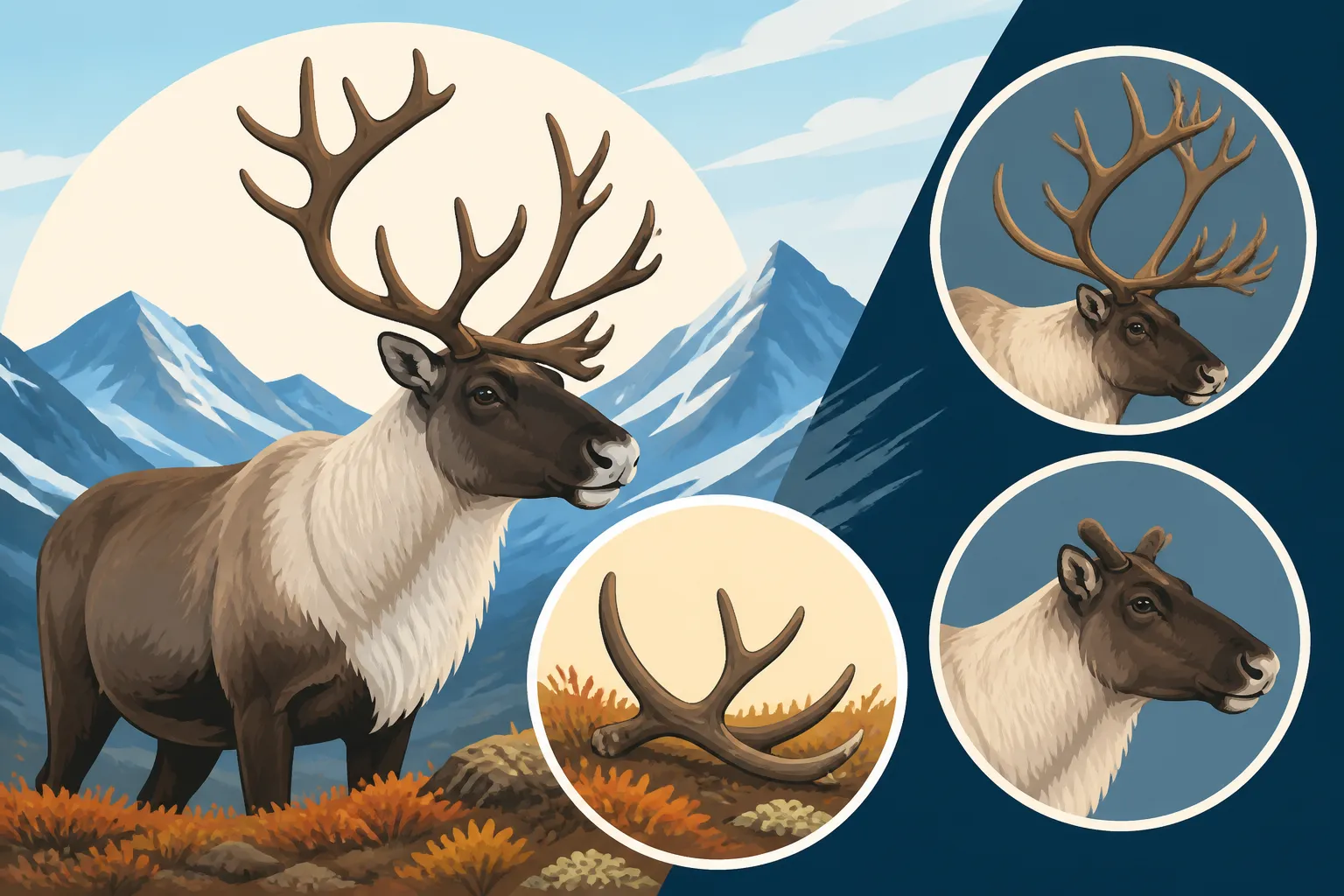
The most striking difference with caribou, particularly for hunters, is that both males (bulls) and many females (cows) grow antlers. This is almost unheard of in the deer family, where antlers are typically a secondary sexual characteristic exclusive to males. For caribou, however, it's an adaptation to their harsh Arctic and sub-Arctic environment. Cows often retain their antlers well into winter, sometimes even through calving season. This allows them to better compete for crucial food sources, like lichen buried under snow, by using their antlers to dig or "crater" through the snowpack. Imagine a cow caribou, heavy with calf, needing to clear snow to access sustenance—those antlers are a vital tool for survival, not just a display. This evolutionary quirk means that when you're glassing a herd in late fall or early winter, you can't simply assume any antlered animal is a bull. You need to look closer.
Antler Development: Velvet to Hard Horn
Like other deer, caribou antlers begin their journey covered in velvet—a soft, vascularized skin that supplies nutrients for rapid growth. This process typically starts in spring, after the winter shed, with growth continuing through the summer. By late summer and early fall, usually around August and September, the antlers are fully developed, and the velvet begins to shed. This is often a messy, ragged process, and you’ll see bulls rubbing their antlers on brush and trees to help remove the last bits of velvet, polishing them to hard bone.
The timing of velvet shedding can vary slightly between individual animals and depends on factors like age, nutrition, and overall health. Young bulls might shed velvet a bit later than mature bulls. Once the velvet is completely gone, the antlers are hard and ready for the rigors of the rut and winter. This transition from soft velvet to hard horn is a critical period, as the antlers are at their peak for display and battle, which is perfect timing for the intense breeding season that's just around the corner. Understanding Velvet Timing on Alaska Caribou Bulls is crucial for anticipating the best hunting conditions.
Understanding the Antler Shedding Timeline for Caribou
The shedding of caribou antlers is a carefully choreographed dance with the seasons, heavily influenced by an animal's sex, age, and physical condition. It’s not a single event but a staggered process that can be a real head-scratcher if you don't know what to look for. This distinct timeline directly impacts how you'll approach identification in the field, especially during late-season hunts.
Bull Caribou Shedding Patterns
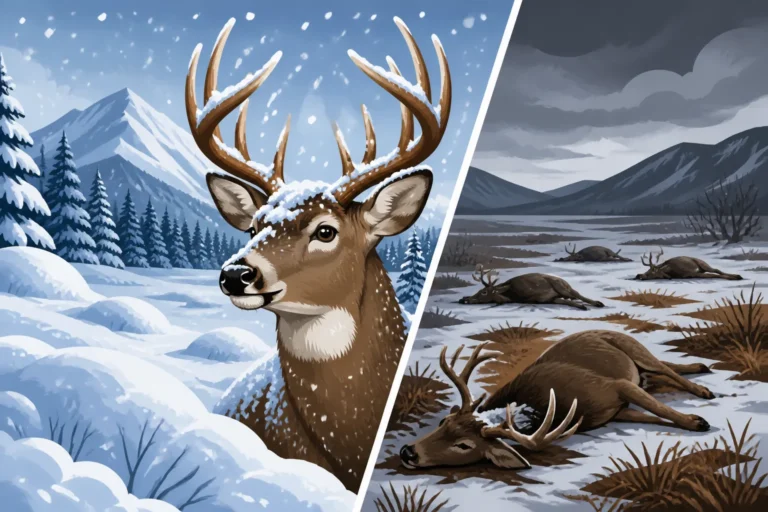
For bull caribou, the antler shedding timeline is primarily dictated by the rut. After the intense breeding season in late September and October, bulls are often physically exhausted, having expended massive amounts of energy competing for mates. Their testosterone levels drop significantly, triggering the reabsorption of calcium at the pedicle (the bony base where the antler attaches to the skull), leading to the antlers detaching.
Most mature bull caribou will shed their antlers from late October through December, with the peak often occurring in November. However, there's quite a bit of individual variation. Some older, post-rut bulls might drop their antlers as early as late October, while younger, less dominant bulls or those in better condition might hold onto theirs a bit longer. If you’re out hunting in December, seeing a bull without antlers isn't uncommon, and it's a clear sign that the rut has taken its toll. This early shedding in bulls is a critical identifier for hunters who are active in the late fall, as it sharply contrasts with the antler retention of cows.
Cow Caribou Antler Retention
This is where caribou truly stand apart from other deer species and is perhaps the most challenging aspect for hunters new to caribou identification. Many cow caribou retain their antlers through the winter, often until April or May, after they've calved. This extended retention is thought to be an evolutionary advantage, allowing them to compete more effectively for limited winter food resources and potentially to protect their newborn calves in the spring.
The antlers of a cow are generally smaller and more spindly than those of a mature bull, lacking the heavy mass, broad shovels, and extensive palmation seen in a prime bull. However, some larger, older cows can grow surprisingly robust racks, especially in areas with good nutrition, which can lead to misidentification at a distance, particularly in low light or dense cover. In areas where antler restrictions are in place (e.g., bull-only hunts), distinguishing between a large cow and a small bull is absolutely critical. Knowing Why Cow Caribou Keep Antlers Longer is a fundamental piece of caribou biology for any Alaska hunter.
Factors Influencing Shedding Dates
Several factors can influence the exact timing of antler shedding in caribou, making it a dynamic process rather than a rigid calendar event. These include:
- Age and Health: Older, healthier bulls tend to shed earlier after the rut, as their bodies recover from the strenuous breeding season. Younger bulls, still growing and less dominant in the rut, might hold onto their antlers a bit longer. Similarly, a cow's health and whether she is pregnant can influence how long she retains her antlers.
- Nutrition: Animals in good nutritional condition generally have more robust antler growth and may shed more predictably. Poor nutrition can affect bone health and the shedding process.
- Stress: Environmental stressors, such as severe weather or high predation pressure, can also play a role, potentially influencing physiological processes like antler growth and shedding.
- Herd Dynamics: Within a large herd like the Western Arctic Herd's Population Swings or the Fortymile Caribou Herd Range and Migration, there will always be individual variations, so observing multiple animals helps establish a baseline for what’s typical for that specific time and location.
Understanding these variables helps build a more nuanced picture of what to expect in the field, moving beyond simple textbook descriptions to real-world observation.
Identifying Legal Bulls Through Antler Characteristics
When you’re out in the vast expanses of Alaska, looking for a legal caribou bull, focusing solely on whether it has antlers isn't enough. You need to delve into the finer details of the antlers themselves, as well as the animal’s overall body characteristics. This is especially true in units with antler restrictions or when trying to identify a trophy-class animal.
Beyond Just Rack Size
While an impressive rack is certainly a goal for many hunters, "legal" doesn't always mean "biggest." Many caribou hunts have specific regulations that go beyond simple size, often involving the presence of brow tines, shovel configuration, or other points. For example, a legal bull might be defined by having at least one brow tine or a certain number of points above the brow. Without specific restrictions, any antlered bull is legal, but hunters still often look for a mature animal, and that comes down to more than just how wide the antlers are. Understanding the nuances of Caribou Antler Size on Bulls and Cows is paramount for effective field judging.
Key Features: Shovel, Bez, Palmation
To confidently identify a bull and assess its age and potential legality, you need to know the specific anatomical terms for caribou antlers. These features are often pronounced in mature bulls and less so in cows or young bulls.
- Shovel (or Palm): This is the broad, flattened portion of the main beam that extends forward over the face. Mature bulls develop large, impressive shovels, often with multiple points. The size and shape of the shovel are a primary indicator of a bull.
- Bez (or Brow) Tines: These are the tines that extend forward, usually just above the eyes. In caribou, one of these tines often forms a distinct, flattened "brow shovel" or "palm," which is a key identifying feature, especially in legal definitions.
- Palmation: Beyond the main shovel, caribou antlers can have significant palmation on the main beams and posterior points, creating broad, flattened sections rather than round tines. This broadness and complexity are hallmarks of a mature bull.
- Top Points (or Posterior Points): These are the tines and palmated sections that extend backward from the main beam, often forming an impressive crown.
When comparing a bull and a cow, the bull will generally have heavier, more robust antler beams, a larger overall mass, and more pronounced and complex shovels and palmation. Cows, even with antlers, will typically have thinner beams, smaller or absent shovels, and less overall mass.
Field Judging Challenges in Dense Brush or at Distance
Let's be real, judging a caribou in the wide-open tundra sounds easy on paper, but conditions are rarely perfect. You'll face numerous challenges:
- Distance: Caribou can cover vast distances, and you'll often spot them far away. A high-quality spotting scope is essential. What looks like a massive bull from a mile away might shrink considerably when you get closer, or vice-versa.
- Light Conditions: Early morning or late evening light can play tricks on your eyes, making antlers appear larger or obscuring critical details. Backlighting can turn even the most impressive rack into a silhouette.
- Cover: While much of Alaska’s caribou habitat is open tundra, they do move through willow thickets, stunted spruce, or broken terrain. A bull standing in dense willows might only show a portion of its antlers, making accurate assessment difficult.
- Movement: Caribou are rarely static. They're often on the move, grazing, or migrating, making it hard to get a sustained look at their antlers from multiple angles. You might only get a few precious seconds to make a decision.
- Herd Confusion: In a large herd, a bull might be constantly moving amongst cows and younger animals, making it hard to isolate and focus on a single set of antlers. This is where patience and systematic glassing become vital.
Using tools like GoHunt's detailed maps and aerial imagery for pre-scouting can give you an idea of terrain features where caribou might be encountered, helping you anticipate potential viewing challenges. Always take your time, use the best optics you can afford, and if in doubt, pass. It’s better to go home empty-handed than to make a mistake.
Comparison Table: Bull vs. Cow Caribou Antler Characteristics
| Feature | Mature Bull Caribou | Cow Caribou (Antlered) |
|---|---|---|
| Overall Size/Mass | Heavy, thick beams; large overall rack | Thinner, more slender beams; smaller overall rack |
| Shovel (Palm) | Pronounced, broad, often multi-pointed, forward-extending | Small, narrow, or absent; rarely forms a significant palm |
| Brow/Bez Tines | Often well-developed, one or both forming a distinct brow shovel | Usually present, but thinner and less developed |
| Palmation | Significant flattening/broadening on beams/points | Minimal to no palmation; more like round tines |
| Top/Posterior Pts | Complex, often palmated crown | Simpler, fewer points; less mass |
| Shedding Timeline | Oct-Dec (peak Nov), post-rut | Nov-May (often after calving), retains longer |
| Body Size | Larger, heavier bodied, typically more robust neck/shoulders | Smaller, more slender body; often lighter build |
The Role of Antlers in Caribou Behavior and Herd Dynamics
Caribou antlers are much more than just bony structures; they are integral to the species' survival, social hierarchy, and reproductive success. For hunters, understanding these behavioral aspects provides valuable insight into why and how caribou use their antlers, which in turn can help with identification and hunting strategy.
Dominance and Mating During the Rut
The primary function of a bull caribou's antlers is to establish dominance and secure breeding rights during the rut, which typically occurs from late September into October. During this period, bulls engage in spectacular, often brutal, battles. They clash antlers, pushing and shoving, trying to overpower their rivals. The largest, strongest racks are a clear signal of a bull's virility and fighting prowess, deterring smaller or weaker competitors.
A bull's rack is essentially a billboard advertising its genetic fitness. The more impressive the antlers, the more likely a bull is to attract cows and fend off other bulls. This is why bulls put so much energy into growing a large rack each year. These battles are not just for show; they are critical for determining who gets to pass on their genes. A bull that loses its antlers prematurely due to injury or poor health during this time would be at a severe disadvantage, potentially missing out on an entire breeding season. Observing these interactions from a distance can also help you quickly identify dominant, mature bulls within a mixed herd. Hunters often focus on this period because bulls are less cautious and more visible. Learning Calling Bull Moose During the Alaska Rut can also offer insights into general rut behavior, though caribou calling is different.
Foraging and Defense
Beyond the rut, antlers serve other practical purposes throughout the year, especially for cows. As mentioned, cow caribou, who often retain their antlers well into winter and spring, utilize them for foraging. When snow covers critical food sources like lichen, caribou use their antlers and forelegs to "crater" through the snow, exposing the vegetation beneath. This is a tough job, and those antlers, even smaller cow antlers, provide leverage and an extended reach.
For both sexes, antlers can also offer a degree of defense against predators, particularly wolves or bears. While they wouldn't stand much of a chance against a determined grizzly, a quick swing of a rack can deter a less committed predator or give an animal a precious second to escape. For calves, being near an antlered cow can offer a slight protective advantage. This utility throughout the non-rut seasons underscores why caribou, particularly cows, have evolved to retain their antlers for so long compared to other ungulates.
Challenges and Tips for Field Identification
Accurately identifying a caribou bull in the vast Alaskan wilderness is a skill developed over time, honed by experience and smart use of equipment. It’s easy to get excited, but patience and a systematic approach are your best friends when trying to distinguish a legal animal from a non-target.
Glassing for Antler Details
Your binoculars and spotting scope are your most important tools for caribou identification. Caribou are often found in open country, but they can be surprisingly adept at blending in, especially in broken terrain. Instead of just scanning randomly, practice systematic glassing patterns. For instance, employ Glassing Grids That Cover a Whole Basin to ensure you're thoroughly covering an area. Once you spot a group, resist the urge to immediately pick up your rifle.
- Start with the Body: Before even looking at the antlers, assess the animal's overall body size and shape. Bulls tend to be larger, heavier-bodied, and have thicker necks, especially during the rut when their necks swell. Cows are generally more slender.
- Evaluate Antler Mass: Pay close attention to the thickness of the main beams. Bull antlers will have significantly more mass than a cow's.
- Look for the Shovels and Bez Tines: These are the key identifiers for bulls. Can you clearly see a well-developed, broad shovel extending forward over the nose? Are the bez tines robust?
- Assess Palmation: Examine the main beams and posterior points for broad, flattened sections. The more palmation, the more likely it's a mature bull.
- Angle of View: Try to observe the animal from different angles if possible. What looks like a massive shovel from one angle might be misleading from another.
- Use a Spotting Scope: For distant animals, a high-power spotting scope is indispensable. It allows you to resolve fine details on the antlers that binoculars simply can't. Spotting Scope Power for Ram Judging principles apply equally well to caribou, helping you discern specific antler characteristics.
Using Optics Effectively
High-quality optics are an investment that pays dividends in the field. When scouting or hunting caribou, you'll be spending a significant amount of time behind glass.
- Binoculars: Start with good 10x or 12x binoculars for wide-area scanning and initial spotting. Focus on identifying caribou herds and general body types. Brands like Zeiss, Swarovski, and Leica offer top-tier clarity, but even mid-range options from Vortex or Leupold can be highly effective.
- Tripod for Binoculars: For extended glassing sessions, especially when trying to pick out subtle antler details, mounting your binoculars on a tripod will dramatically reduce fatigue and shake, allowing for much clearer viewing.
- Spotting Scope: A 20-60x or 25-75x spotting scope is essential for detailed field judging at long distances. Again, a sturdy tripod is non-negotiable for a spotting scope. It allows for steady views, which is critical for counting points, assessing mass, and identifying those crucial antler features. Take your time. Don't rush your observations.
Common Mistakes in Identification
Even experienced hunters can make mistakes, especially when conditions are challenging. Being aware of common pitfalls can help you avoid them.
- "Antlered = Bull" Fallacy: As covered, many cow caribou have antlers. This is perhaps the most common mistake for newcomers. Always remember that an antlered caribou isn't necessarily a bull.
- Misjudging Size and Distance: What looks like a monster at extreme range can be an average-sized animal, and vice-versa. Familiarize yourself with judging distances, and use rangefinders consistently. Without a reference point, it's incredibly difficult to accurately gauge antler spread or mass.
- Rushing the Shot: Caribou often move in groups, and the excitement of seeing a herd can lead to rushing. Take a breath, observe, and make a confident identification. If you're unsure, even for a moment, let the animal pass.
- Focusing Only on Width: A wide rack doesn't always mean a heavy, mature bull. Look at the mass, the shovels, the bez tines, and the palmation, not just the lateral spread. Some young bulls can have decent width but lack the overall bulk and complexity of a mature bull.
- Ignoring Body Cues: Remember to combine antler identification with body characteristics. A mature bull will typically have a larger body, heavier neck (especially during the rut), and a more robust build than a cow or a young bull.
- Lack of Pre-Hunt Research: Before your hunt, thoroughly review the specific regulations for your hunting unit, especially regarding antler restrictions. Tools and resources like those found on GoHunt can be invaluable for understanding the specific rules and characteristics of caribou in different parts of Alaska. This upfront work will give you a solid foundation for confident field judging.
By diligently applying these tips and understanding the unique biology of caribou antlers, you’ll be much better equipped to make a confident and ethical identification on your next Alaska hunting adventure.
Disclaimer
Please remember that hunting regulations, seasons, and bag limits can change. Always consult the most current Alaska Department of Fish and Game regulations for your specific hunting unit before planning and executing any hunt. This information is for educational and general guidance purposes only and should not replace official regulatory documents.