Keeping a Bowstring Dry for Ten Days
Hunting with a bow in Alaska is an incredible experience, but the relentless weather can quickly turn an otherwise perfect hunt into a frustrating struggle, especially when it comes to your equipment. Your bowstring, the very heart of your archery setup, is incredibly vulnerable to moisture. A wet string doesn't just feel gross; it can lead to immediate accuracy issues, increased noise, and even long-term damage. This guide will walk you through everything you need to know to keep your bowstring dry and performing flawlessly, even during a relentless ten-day downpour in the Alaskan wilderness.
The Critical Impact of Moisture on Your Bowstring
Let's be real, nobody heads to Alaska expecting sunshine every day, especially if you're out there for a multi-day hunt. But when that inevitable rain starts, or the morning dew clings to everything, your bowstring is often the last thing you think about until it's too late. The truth is, a wet bowstring isn't just an inconvenience; it can actively sabotage your hunt, from making you miss that crucial shot to risking serious damage to your equipment. Ignoring the impact of moisture on your string is like ignoring dull broadheads or a poorly tuned bow – it’s a recipe for disappointment.
Performance Degradation and Inaccuracy
When your bowstring gets wet, a few things start to happen almost immediately, and none of them are good for accuracy. The strands, even those made from synthetic, water-resistant materials, will absorb some moisture. This absorption can cause the string to stretch ever so slightly, or for the serving to loosen and shift. Think about trying to shoot a precision rifle with a loose scope – that's the kind of subtle but critical inconsistency you're introducing. The brace height can change, the peep sight might rotate, and your carefully tuned arrow flight can become unpredictable. You might find your arrows consistently hitting low or wide, or simply spraying groups instead of tight clusters. In the demanding environment of an Alaska hunt, where shot opportunities can be fleeting and distances often longer than anticipated, this kind of unreliability is the last thing you need. It can mean the difference between a clean kill and a frustrating miss, or worse, a wounded animal. It’s a frustrating reality many bowhunters face, often wondering what went wrong when all their practice shots were perfect, only to find their field performance suffer in damp conditions.
Structural Integrity and Premature Wear
Beyond the immediate impact on accuracy, prolonged exposure to moisture can seriously compromise the structural integrity of your bowstring. Modern bowstrings are made from incredibly strong synthetic fibers like Dyneema or BCY-X, which are designed to withstand extreme tension. However, constant wetting and drying cycles, especially without proper maintenance, can break down the fibers over time. Water can penetrate the protective wax and lubricants, leading to internal friction between the individual strands. This can cause fraying, especially in high-wear areas like the serving where the arrow nocks. Once the serving starts to fray or separate, it exposes the core strands to further damage, significantly shortening the life of your string. A failing bowstring isn't just a nuisance; it's a safety hazard. No one wants a string to pop mid-draw, especially not in the wilderness with a charging bear or a magnificent moose in front of them. Having to call an early end to a hunt because of a compromised bowstring is a truly disheartening experience, one that can be largely avoided with proactive care.
Increased Noise and Reduced Stealth
Alaska's vastness often allows for stalking approaches, but when you're in thick timber or trying to slip within bow range of a wary bull moose, stealth is paramount. A wet bowstring, particularly one that has absorbed water and might have slightly loosened or developed minor frays, can become surprisingly noisy. The damp fibers can create a subtle, almost sticky sound as the string is drawn, or a faint "thwack" that's louder than usual upon release. This might seem minor, but in the dead quiet of an Alaskan forest or tundra, any unnatural sound can be amplified and immediately put game on high alert. We've all experienced that moment when a deer or moose snaps its head up, ears swiveling, trying to pinpoint an anomaly. A noisy bowstring gives away your position and can cause an animal to "jump the string," meaning it reacts to the sound of the shot before the arrow arrives, often leading to a poor hit or a complete miss. Every advantage you can get in terms of silence helps immensely, and a dry, well-maintained string is a huge part of that.
Proactive Measures: Preparing Your Bowstring for Alaska's Wet Embrace
The key to a successful hunt in Alaska, especially with a bow, often comes down to preparation. You can't control the weather, but you can absolutely control how well your gear stands up to it. When it comes to your bowstring, thinking ahead and taking some preventative steps before you even leave home can save you a world of trouble and ensure your shot is ready when opportunity knocks. Many successful hunts with GoHunt involve meticulous gear preparation, and your bowstring should be at the top of that list.
Choosing the Right String Material and Construction
Not all bowstrings are created equal, especially when you consider their resilience to moisture. Modern bowstrings are primarily made from high-modulus polyethylene (HMPE) fibers, often branded as Dyneema, BCY-X, or other proprietary blends. These materials are inherently resistant to water absorption, much more so than older Dacron strings. When you're picking a new string, look for those specifically designed for stability and durability in varied conditions. Companies like VaporTrail Bowstrings or String King offer excellent options known for their tight construction and pre-stretching processes, which minimize creep and stretch even when wet. A good string will have tightly wound serving material, typically made from an even more durable synthetic fiber, that protects the main strands at wear points. Don't skimp on your string; it's a critical component. A high-quality, well-built string is your first line of defense against the elements. If you're going to be Bowhunting Alaska Big Game in Archery-Only Areas or similar wet environments, this choice becomes even more crucial, allowing you to focus on the hunt, not your equipment.
The Art of Proper Waxing and Conditioning
Waxing your bowstring isn't just about making it look neat; it's a vital step in weatherproofing and extending its life. Bowstring wax acts as a protective barrier, repelling water and preventing dirt and debris from working their way into the fibers. It also lubricates the strands, reducing friction and wear. However, there's an art to it. You don't want to over-wax, creating a gooey mess that attracts dirt, nor under-wax, leaving it vulnerable to the elements.
Start by running your fingers along the string to identify any dry or fuzzy areas. Apply a small amount of quality bowstring wax (like products from Bohning or Scorpion Venom) to these areas. Then, vigorously rub the wax into the string with your fingers. The friction generates heat, helping the wax penetrate the fibers. Wipe off any excess with a clean, soft cloth or a piece of leather. Pay particular attention to the main string and cables, but also lightly wax the serving ends, though the main serving itself doesn't need heavy waxing. This creates a hydrophobic layer that sheds water much more effectively than an unwaxed string. Consider doing this a couple of times before your trip, allowing the wax to really settle in, and remember to carry a small tube of wax in your Backpack Hunting in Alaska: Gear Weight and Meat Loads for field touch-ups. This simple step makes a massive difference.
The Invaluable Backup String and Setup
This is a step many hunters overlook until they're stranded with a damaged string far from civilization. A bowstring can fail for many reasons: excessive wear, an accidental cut, or even just consistent exposure to harsh elements eventually taking its toll. Imagine being ten days deep into a remote Alaska hunt and realizing your string is irrevocably damaged, with no way to fix it. It's a nightmare scenario. That's why bringing a pre-stretched, pre-tuned, and fully ready-to-install backup string and cables is non-negotiable for serious Alaska bowhunters.
Ideally, your backup should be identical to your primary string in material and length. Before your trip, install the backup string, stretch it, and tune your bow with it. Ensure your peep sight is tied in, and your nocking points are set. Shoot it a few times to confirm everything is dialed in. Then, carefully remove it, coil it neatly, and store it in a waterproof bag or container. This way, if your primary string fails or becomes severely compromised, you can quickly swap it out in camp, potentially saving your hunt. You'll thank yourself for this foresight when you're dealing with challenging conditions, maybe even after experiencing some Weather Days and Who Pays for Them that leave your gear soaked and tested. While you might not be doing a full Sighting In Before You Fly to a Remote Alaska Camp with your backup, having it pre-stretched and ready minimizes downtime and stress.
Field Strategies for Battling the Elements
Once you're actually out in the field, battling Alaska's notoriously unpredictable weather, your preventative measures become your defensive tactics. It’s not just about what you did beforehand, but what you do every single day to keep your bowstring in prime condition. From the moment you step out of your tent to the time you crawl back in, mindful protection is key.
Comprehensive Bow Covers and Cases
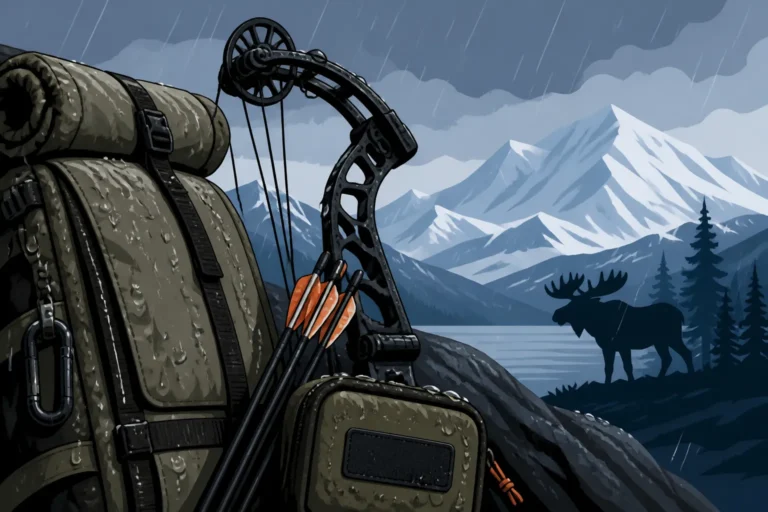
Your bow needs protection when it's not actively being used, especially during transport or when you're moving through dense brush. A good, padded soft case that completely encloses your bow is essential for keeping it dry during air travel, ATV rides, or boat trips. For day-to-day hunting, however, a bulkier case isn't practical. This is where a lightweight, waterproof bow cover shines. Companies like Badlands or Stone Glacier make excellent bow sleeves or integrated pack systems that shield your cams, string, and cables from rain, snow, and mud while still allowing relatively easy access.
When you're hiking, especially through willows or spruce thickets that hold moisture like a sponge, keep your bow covered. Even short bursts of rain can quickly soak an exposed string. If your pack has a dedicated bow-carrying system, ensure it positions the bow so the string is protected. For instance, if you're using a Kifaru or Mystery Ranch pack that carries the bow externally, make sure to use a rain cover over the bow or secure a specific string cover. Remember, it's easier to prevent the string from getting wet than to dry it out once it's saturated. This proactive approach is fundamental to success, much like diligently following Broadhead Rules for Alaska Big Game to ensure legal and ethical hunting, it's part of your ethical commitment to your gear.
Adapting Your Rain Gear for Your Bow
You wear rain gear; why shouldn't your bow get the same consideration? During active hunting, especially in persistent drizzle or light rain, you can't always keep your bow fully cased. This is when creative solutions come into play. Many hunters will fashion a simple string cover from a piece of waterproof fabric or even a cut-down dry bag. This can be quickly slipped over the string and cams when you're moving, and just as quickly removed when you need to take a shot.
Some dedicated Archery Tackle That Survives Ten Days of Rain is built with water resistance in mind, but even the best materials benefit from an extra layer of defense. A great tip is to use a small, compact dry bag or a specialized string and cam cover (like those offered by GoHunt, for example, which often reviews and recommends gear for extreme conditions) that you can pull over the crucial parts of your bow. This protects the string and cams from direct precipitation and splash-back from wet brush. When the weather really turns foul, and you're hunkered down waiting for a break, ensure your bow is tucked under a tarp or your outer shell, not left exposed. This is where your personal rain gear strategy, similar to what you'd consider for yourself when reading up on Rain Gear Guides Actually Recommend, needs to extend to your most vital hunting tool.
Smart Camp Storage Solutions
The day's hunt is done, you're back at camp, tired, and probably wet. The temptation is to lean your bow against a tree or toss it in the vestibule of your tent. Resist this urge! Your camp is where you can truly give your string a chance to dry out and rest. A well-organized camp, especially when you're Setting Up a Spike Camp Above a Sheep Basin in a remote area, is key to preserving your gear.
Inside your tent, especially if it's a double-wall tent with good ventilation, hang your bow. Use a small carabiner or a piece of cord to suspend it from the gear loft or a ceiling loop. This keeps it off the damp ground, out of any condensation that might form on the tent walls, and allows for air circulation. If you're in a wall tent with a stove, you can hang it a safe distance from the heat source to aid drying, but never too close, as excessive heat can damage string fibers and limb laminations. In a truly miserable, wet camp, even a simple dry bag or contractor bag draped over the bow can offer crucial protection overnight. The goal is to isolate it from ambient moisture as much as possible, giving it every chance to shed the day's dampness.
The Daily Ritual: Inspection and Wiping Down
This is a simple habit that pays huge dividends. Make it a routine: every morning before you head out, and every evening when you get back, give your bowstring a thorough inspection and wipe down.
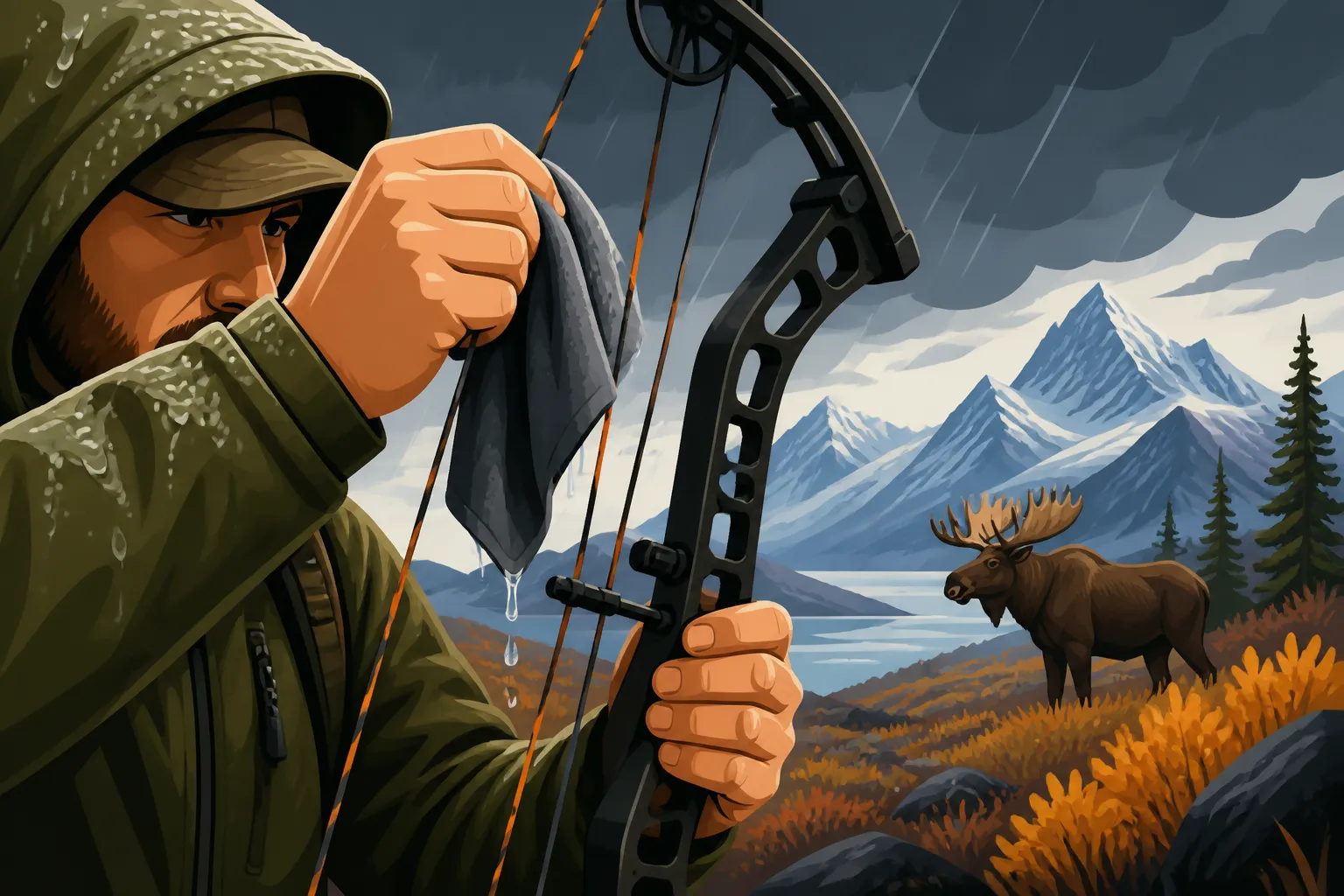
In the morning, before drawing your first arrow, visually inspect the entire length of your string and cables. Look for any signs of fraying, loose serving, or excessive fuzziness. Check your peep sight for rotation and your nocking points for any shifting. Then, take a clean, dry cloth – ideally a microfiber cloth – and wipe down the string and cables. This removes any overnight condensation, dust, or light moisture. In the evening, if your string has gotten wet, use that same dry cloth to gently absorb as much surface moisture as possible. Don't rub vigorously; blot and wipe gently. This removes the bulk of the water, making it much easier for the string to air dry overnight. It also gives you another chance to check for wear. Consistent daily care is like giving your bow a mini tune-up every day, ensuring it's always ready for that critical moment. This vigilance is part of being prepared for the unpredictable, much like having a Signal Devices and Check-In Plans for Solo Alaska Hunts protocol for safety.
Reviving a Saturated String: In-Camp Drying and Maintenance
Despite your best efforts, sometimes Alaska just wins. You might get caught in an unexpected downpour, fall in a creek, or simply endure days of relentless, soaking rain that penetrates every layer of protection. When your bowstring is truly saturated, it's not the end of the world, but it requires careful attention in camp to prevent long-term damage and restore its performance.
Gentle Drying Techniques: Patience is Key
The absolute worst thing you can do to a wet bowstring is try to dry it quickly with direct, intense heat. Holding it over a roaring campfire, using a heat gun, or even placing it right next to a hot tent stove can cause the synthetic fibers to shrink unevenly, delaminate, or become brittle. This will permanently damage the string and likely necessitate replacement. Think of your bowstring like delicate synthetic fabric – extreme heat can melt or weaken it.
Instead, think gentle and slow. The best method is air drying. Hang your bow in a well-ventilated area within your tent or under a lean-to, away from direct moisture. If you have a tent stove, place it a considerable distance away, allowing the ambient warmth to circulate, but never let it get hot to the touch. A small, battery-operated fan, if you've carried one for drying gear, can also help circulate air, significantly speeding up the process. Continuously blot the string with a clean, dry microfiber cloth or even a clean piece of toilet paper or paper towel (if you're lucky enough to have it). The goal is to absorb moisture, not to rub it off. This process might take several hours, or even overnight, depending on how saturated the string is and the ambient humidity. Be patient; a slow, controlled dry is crucial for preserving the string's integrity.
Re-Waxing and Post-Drying Maintenance
Once your bowstring is completely dry to the touch – and I mean completely dry, no lingering dampness – it's time to re-wax it. The drying process, especially if it was a deep soak, likely stripped away some of the existing wax and lubricants. This leaves the fibers exposed and vulnerable, susceptible to abrasion and future water intrusion.
Refer back to the "Art of Proper Waxing" section. Apply a quality bowstring wax sparingly to all the main strands and cables, using friction from your fingers to work it deeply into the fibers. Wipe off any excess. This re-establishes that crucial protective, water-repellent layer. While you're at it, take the opportunity to give your entire bow a once-over. Check the cams for any debris, inspect your arrows for fletching damage from the wet conditions, and ensure your broadheads are still secure and sharp, especially after navigating tough terrain. This is a great time for a full gear check, ensuring everything is in top working order before you head back out into the Alaskan wilderness. You've gone through the effort of drying; now ensure it's ready for action.
Recognizing When to Replace Your String
Sometimes, despite your best efforts at prevention and field care, a bowstring simply reaches the end of its useful life, especially after enduring a relentless Alaska hunt. Knowing when to replace it is critical for both performance and safety.
Look for obvious signs of damage: significant fraying that goes beyond surface fuzz, especially near the cam posts or nocking points. Deep cuts or nicks in the main strands or serving are immediate red flags. If your string has noticeable permanent stretch, leading to a loss of brace height or a shifted peep, it's likely compromised. Excessive string stretch can also make it difficult to maintain your bow's tune and impact your Alaska Archery Draw Weight Minimums for Big Game settings. If you're seeing inconsistencies in your arrow flight that weren't there before, and you've ruled out other issues, a failing string could be the culprit. Don't hesitate to replace a compromised string. The cost of a new string is minimal compared to the cost of a missed opportunity, a wounded animal, or a serious equipment failure that could lead to injury. Remember, for serious hunting, especially in challenging environments, a fresh, reliable string is non-negotiable for safety and success. Always err on the side of caution.
| Method | Effectiveness in Wet Conditions | Time Required | Recommended Frequency | Key Benefits | Potential Drawbacks |
|---|---|---|---|---|---|
| Pre-Hunt Waxing | High (Preventative) | 30-60 minutes | Annually/Bi-Annually | Forms water-repellent barrier, reduces friction | Can be over-applied, needs reapplication |
| Waterproof Bow Cover | High (In-Field Protection) | Instant | During transport/rain | Shields from direct moisture, prevents dings | Can be bulky, slower access to bow |
| String/Cam Sleeves | Medium-High (Active Hunting) | Seconds to apply | During light rain/brush | Quick access, localized protection | Doesn't cover entire bow, can get snagged |
| Camp Hanging/Air Dry | High (Post-Exposure) | Several hours/overnight | Daily after wet exposure | Gentle, prevents material damage | Requires ventilation, patience |
| Re-waxing After Soak | High (Restorative) | 15-30 minutes | After deep saturation | Re-establishes protection, extends string life | Requires string to be fully dry first |
| Backup String | N/A (Emergency Preparedness) | N/A | Essential | Hunt-saving, immediate solution to failure | Adds weight/bulk, needs pre-tuning |
Disclaimer
The information provided in this guide is for general educational and informational purposes only, and does not constitute professional advice. Hunting in Alaska involves inherent risks, and conditions can change rapidly. Always consult the most current Alaska Department of Fish and Game regulations, secure all necessary licenses and permits, and prioritize safety. The author and publisher are not responsible for any incidents or accidents resulting from the use of this information.