Muzzleloader Hunts in Alaska Draw Areas
Hunting in Alaska is already a complex dance of regulations, logistics, and raw wilderness, but when you throw muzzleloader-specific hunts into the mix, it can feel like you're trying to solve a Rubik's Cube blindfolded. Many hunters, especially those new to black powder or even just the Alaska draw system, feel overwhelmed by the niche requirements and the fear of making a costly mistake. This comprehensive guide is designed to demystify muzzleloader hunts in Alaska's draw areas, walking you through everything from choosing your firearm to strategizing your application, so you can confidently pursue your next Alaskan adventure.
Understanding Alaska's Muzzleloader Scene
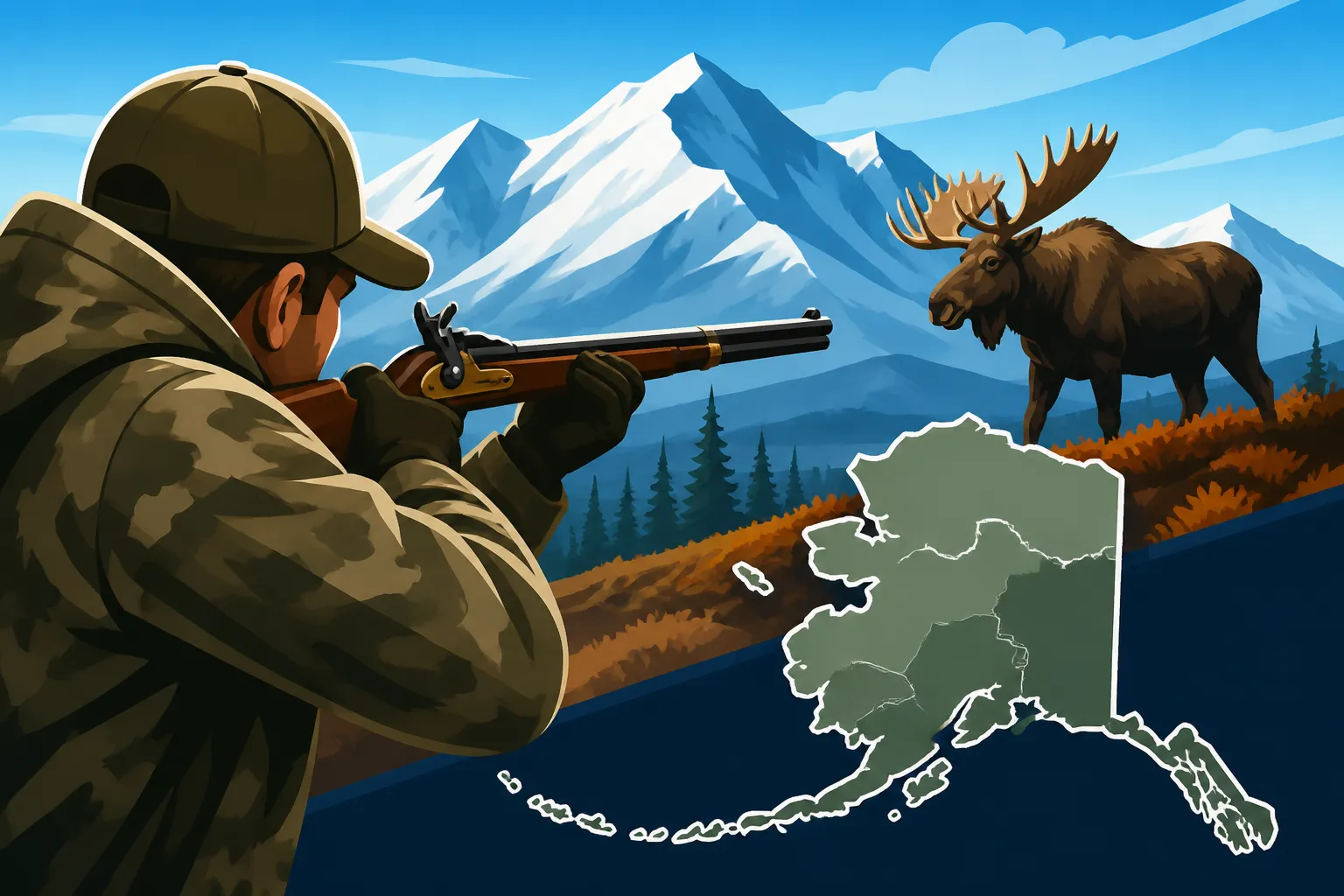
Alaska offers some truly unique hunting opportunities, and for those seeking an extra challenge or a chance at a special tag, muzzleloader hunts can be incredibly rewarding. It's not just about tradition; often, these seasons are strategically placed to manage game populations or provide alternative harvest opportunities, and understanding this context is key to success.
The Appeal of Muzzleloading in Alaska
There's an undeniable allure to hunting with a muzzleloader in the Last Frontier. For many, it's about connecting with a more primal, traditional form of hunting – a deliberate, single-shot pursuit that demands greater skill, patience, and woodsmanship. This isn't just a romantic notion; it fundamentally changes your approach to the hunt. You become a more disciplined stalker, acutely aware of wind, cover, and shot distance, because there's no quick follow-up. This focus often leads to a deeper appreciation for the animals and the landscape.
Beyond the personal challenge, muzzleloader seasons in Alaska often coincide with unique timeframes or offer access to draw areas with potentially lower hunter pressure or higher success rates compared to general rifle seasons. Imagine the quiet satisfaction of harvesting a mature bull moose in a secluded drainage with a firearm that harks back to the days of early Alaskan explorers. It's a hunt that truly tests your limits and rewards meticulous preparation. This specialized approach means that hunters willing to embrace the muzzleloader often find themselves in less crowded areas, experiencing a truer wilderness hunt.
Regulatory Framework for Muzzleloaders
Navigating the regulations for muzzleloader hunts in Alaska requires careful attention to detail, as they can differ significantly from general rifle seasons. The Alaska Department of Fish and Game (ADF&G) sets specific rules for what constitutes a legal muzzleloader, including minimum caliber, bullet type, and ignition system. Generally, these regulations are designed to ensure ethical hunting practices and align with the spirit of primitive weapon hunting. For instance, in many draw hunts, inline muzzleloaders are permitted, but there may be restrictions on electronic ignition systems or the use of sabots in favor of more traditional patched round balls or conical projectiles. It's absolutely crucial to consult the most current Alaska hunting regulations booklet for the specific Game Management Unit (GMU) and hunt number you're interested in, as rules can vary.
Understanding these legal definitions is not just a formality; it directly impacts your gear choices and preparation. A hunter showing up to a muzzleloader-only draw hunt with an illegal firearm or ammunition could face citations and the loss of their hard-won permit. Furthermore, you'll need to be aware of the specific season dates and bag limits, which are often condensed compared to general seasons. These special regulations are part of what makes these hunts unique, but they also place a higher burden on the hunter to be fully informed and compliant. Always double-check every detail for your chosen hunt. To ensure you understand all the broader legal aspects of your hunt, review information on Alaska Hunting Seasons and Tag Rules Explained.
Common Misconceptions About Muzzleloader Seasons
Many hunters approach muzzleloader seasons with a set of preconceived notions that don't always align with reality in Alaska. One common misconception is that muzzleloader hunts are exclusively for "primitive" firearms in the purest sense, limiting hunters to flintlocks or percussion cap rifles with open sights. While traditional muzzleloaders are certainly welcome, most modern inline muzzleloaders are perfectly legal for these hunts, provided they meet the specific state requirements. This means you can often use optics, modern propellants, and advanced projectiles, greatly increasing accuracy and effective range compared to purely traditional setups.
Another frequent misunderstanding is that muzzleloader seasons are automatically "easier" or have guaranteed high success rates due to fewer hunters. While hunter numbers can be lower in specialized seasons, the inherent challenges of muzzleloading – limited range, slower reloading, and increased sensitivity to weather – often balance this out. Success still heavily relies on superior stalking skills, intimate knowledge of the game's behavior, and extensive practice with your chosen firearm. Don't go into a muzzleloader hunt assuming it's a shortcut to a trophy; instead, embrace it as an elevated challenge that demands more from you as a hunter. The rewards, however, are often far greater than just a successful harvest.
The Specifics of Draw Areas
Alaska's hunting landscape is managed through a variety of permit systems, and draw areas represent some of the most sought-after opportunities. When these draw permits are designated as muzzleloader-only, they create a very distinct hunting environment that requires a specialized approach from application to execution.
Why Certain Draw Areas Mandate Muzzleloaders
The Alaska Department of Fish and Game doesn't just randomly assign weapon restrictions; there's always a biological or management reason behind it. Muzzleloader-only draw areas are often established to achieve specific management objectives that might not be met through general rifle seasons. One primary reason is to extend the hunting season into periods when game might be less accessible or concentrated, without putting undue pressure on populations. For example, a muzzleloader season might open earlier or close later than the general rifle season, targeting a specific migration phase or a time when the animals are in prime condition, but making the harvest more challenging to control overall numbers.
Additionally, these specialized seasons can help distribute hunting pressure more evenly across a GMU or provide a higher-quality experience for hunters seeking a more primitive challenge. By requiring a muzzleloader, ADF&G can limit the total number of animals harvested, as muzzleloaders inherently have a shorter effective range and slower rate of fire compared to modern centerfire rifles. This creates a buffer, allowing for extended seasons or access to areas where general rifle pressure might otherwise lead to overharvest. It’s a tool for fine-tuning game management, offering opportunities while still prioritizing the long-term health of the herd.
Benefits and Challenges of Muzzleloader-Only Zones
Hunting in a muzzleloader-only draw zone comes with a unique set of benefits and challenges that define the experience. On the benefit side, these hunts often offer a more solitary experience. With fewer hunters in the field due to the specialized weapon requirement and the limited number of draw permits, you're more likely to have vast stretches of Alaskan wilderness to yourself. This reduced pressure can lead to animals exhibiting more natural behavior, potentially making them less wary than during peak rifle seasons. Furthermore, the seasons for these hunts can be strategically placed outside of the busiest times, offering a chance to hunt when weather conditions or animal behavior might be different, sometimes even advantageous, for a dedicated muzzleloader hunter.
However, the challenges are equally significant. The most obvious is the limited effective range of a muzzleloader compared to a modern rifle. This means you absolutely must get closer to your quarry, demanding superior stalking skills and patience. Reloading is also a slower, more deliberate process, making a quick follow-up shot far less likely, if even possible, in a rapidly unfolding situation. Weather, too, can be a major adversary; moisture is the bane of black powder, and a wet load can render your firearm useless. You'll need meticulous gear preparation and storage to ensure reliability in Alaska's often damp and unpredictable climate. For a broader understanding of how permit hunts operate, you'll want to read about How Alaska's Big Game Drawing Permits Work.
Identifying Potential Muzzleloader Draw Opportunities
Finding these specific muzzleloader draw hunts requires a deep dive into the ADF&G regulations and draw supplement. They aren't always prominently advertised, so you'll need to actively search for them. Start by reviewing the annual Alaska hunting regulations online or picking up a physical copy. Pay close attention to the "Permit Hunt" sections for various species like moose, caribou, sheep, or bear. Within these sections, look for specific hunt numbers that include "muzzleloader" or similar primitive weapon restrictions in their descriptions.
You'll also want to explore the ADF&G website's draw hunt statistics, which can offer valuable insights into success rates and applicant numbers for past muzzleloader hunts. This data can help you gauge the competition and potential for drawing a tag. Sites like GoHunt also compile and analyze this data, often presenting it in a more user-friendly format, allowing you to filter by weapon type and species to pinpoint these niche opportunities. Don't limit your search to just one region; muzzleloader hunts can pop up in various GMUs across the state, from the interior to the more accessible road system areas.
Gear and Preparations for a Muzzleloader Hunt
The success of any hunt in Alaska hinges on meticulous preparation, but with a muzzleloader, this becomes even more critical. Your gear choices, from the firearm itself to the smallest accessory, must be perfectly suited to the unique demands of black powder hunting in a harsh environment.
Choosing the Right Muzzleloader and Caliber
Selecting the appropriate muzzleloader for an Alaskan hunt is paramount, balancing reliability, power, and regulatory compliance. While a traditional cap-and-ball rifle or flintlock might appeal to purists, most Alaskan muzzleloader draws allow for more modern inline designs. These rifles generally offer superior accuracy, easier loading, and better weather resistance. Look for models with stainless steel barrels and synthetic stocks, as they hold up much better to Alaska's relentless moisture and temperature swings than blued steel and wood. Brands like CVA, Traditions, and Thompson/Center are popular choices among modern muzzleloader hunters, offering robust and accurate options.
When it comes to caliber, bigger is generally better for Alaska's big game. For moose and caribou, a .50 caliber is widely considered the minimum, with many hunters opting for .54 caliber for added knockdown power. For brown bear encounters, a .54 caliber or larger is highly recommended, paired with heavy, well-constructed conical bullets. Consider the barrel twist rate; a faster twist (e.g., 1:28" or 1:32") is typically better for stabilizing heavier, longer conical bullets, while a slower twist might favor round balls. Always confirm the minimum legal caliber for your target species and hunt area in the Alaska regulations.
Essential Accessories and Ammunition
Your muzzleloader is only as good as the system around it. Beyond the rifle, you'll need a comprehensive kit of accessories and carefully chosen ammunition. For powder, modern hunters often rely on synthetic black powder substitutes like Pyrodex, Triple Seven, or Blackhorn 209. These are less corrosive and more stable than traditional black powder. Blackhorn 209, in particular, is highly regarded for its clean burning properties and consistent performance in various weather conditions, though it requires specific primers (209 shotshell primers) and careful cleaning methods. Always pack plenty of powder and primers, accounting for practice shots, misfires, and prolonged hunts.
Projectiles are equally critical. For large game like moose and bear, heavy conical bullets (e.g., Hornady FPB, PowerBelt ELITE, or Barnes MZ Expander) are generally preferred over sabots, as they deliver maximum energy transfer and meet many hunt regulations. Carry a sturdy, segmented ramrod (fiberglass or aluminum) for field use, and a smaller range rod for home loading. Other essentials include a reliable capper/decapper, bore butter or conditioning patches, a speed loader or pre-measured powder charges, a cleaning kit (including solvent, brushes, and patches), a waterproof container for your primers and powder, and a reliable shooting rest or bipod. A dedicated, water-resistant pouch for your loading supplies is vital for quick, dry reloads in the field.
Mastering Your Muzzleloader Before the Hunt
Heading into the Alaskan wilderness with a muzzleloader you're not intimately familiar with is a recipe for disappointment, or worse, a dangerous situation. You need to become an expert with your chosen firearm long before your boots hit Alaskan soil. This means extensive range time, far beyond just sighting in. Practice shooting from various field positions – prone, kneeling, sitting, and off a pack – mimicking the scenarios you're likely to encounter on a hunt. Shoot in different weather conditions, including rain (if safe to do so at the range, and with proper firearm protection), to understand how moisture affects performance.
Critically, you must master the loading process under pressure. Practice loading quickly, smoothly, and quietly, especially after an initial shot. Can you reload cleanly with cold, gloved hands? Can you clear a misfire efficiently? Understand your rifle's capabilities and limitations – its maximum accurate range with your chosen load, and its trajectory. Consistent practice will build muscle memory and confidence, allowing you to focus on the hunt itself rather than fumbling with your equipment when a fleeting opportunity arises. For more on getting your rifle ready, check out Sighting In Before You Fly to a Remote Alaska Camp.
Application Strategies for Muzzleloader Draw Hunts
Applying for any draw hunt in Alaska can be nerve-wracking, but when you narrow your focus to muzzleloader-specific opportunities, a targeted and informed strategy becomes even more important. It's not just about throwing your name in the hat; it's about making smart choices to maximize your odds.
Navigating the Alaska Draw System
The Alaska draw system is unique, and understanding its nuances is key to successful applications for muzzleloader hunts. Unlike some other states, Alaska does not use a preference point or bonus point system. Every year, everyone starts on a level playing field, which can be both frustrating and encouraging. The application period typically runs from Alaska's November 1 to December 15 Draw Application Window each year, with results usually released in mid-February. You apply through the ADF&G online portal, where you'll select specific hunt numbers.
For muzzleloader hunts, you'll need to meticulously scan the list of available permits for those designated as "muzzleloader only" or "primitive weapon." It's not uncommon for these to be embedded within larger species categories. Remember that you can typically apply for up to six different moose hunt choices, or three choices for other species, but you can only draw one permit per species per year. This means prioritizing your top choices is crucial. Always double-check the hunt regulations for any specific muzzleloader requirements or restrictions tied to the unit or species before applying. Understanding the full system is vital, so consider reading Alaska Draw Application Opening Date for more detailed timelines.
Researching Draw Odds and Hunt Success
A critical step in your application strategy is researching past draw odds and hunter success rates. The ADF&G website provides extensive historical data on every permit hunt, including the number of applicants, permits issued, and harvest success. This information is gold. Look for trends: has a particular muzzleloader hunt always had incredibly low odds, or are there some that are consistently easier to draw? Don't just look at the overall draw odds; analyze the success rates for those who actually drew the tag. A hunt with high draw odds but very low success might indicate extremely difficult hunting conditions, while a hunt with tougher draw odds but high success could be worth the higher risk.
This is where tools from companies like GoHunt truly shine. Their platforms often aggregate this raw ADF&G data, offering sophisticated filtering capabilities and visual analytics that make it much easier to identify high-value opportunities. You can often filter specifically for muzzleloader hunts, compare odds year-over-year, and even see what factors might influence success (e.g., road access, terrain type, historical weather patterns). This kind of in-depth research allows you to make informed decisions about where to focus your limited number of applications, helping you decide whether to pursue a long-shot dream hunt or a more attainable option.
Crafting a Competitive Application
Once you've done your research, crafting a competitive application is about making smart choices with your limited permit selections. Don't just blindly apply for the hunts with the lowest application numbers; consider your own skills, physical condition, and available time. Are you physically capable of a demanding backpack hunt in steep, rugged terrain that a particular muzzleloader draw might entail? Do you have the time and resources for the logistics of a remote fly-in hunt? Your honest assessment of your own capabilities should heavily influence your choices.
For your top choices, especially those with relatively high draw odds or success rates, ensure you meet all eligibility criteria. Some hunts may have specific residency requirements, hunter education mandates, or even require a prior permit for certain species. Mistakes on your application, such as incorrect hunt numbers or failing to meet prerequisites, will lead to immediate disqualification. After submitting your application, patiently await the Alaska Draw Results Release in February. Remember, even if you don't draw your primary muzzleloader choice, the experience of researching and applying is a valuable part of the Alaskan hunting journey.
Field Tactics for Muzzleloader Success
Taking a muzzleloader into Alaska's vast and wild landscapes demands a specialized set of field tactics. The limitations of the firearm, combined with the often-challenging terrain and unpredictable weather, mean that every decision you make in the field is magnified in importance.
Stalking and Shot Placement Considerations
With a muzzleloader, your effective range is significantly reduced compared to a modern centerfire rifle. This means impeccable stalking skills are not just an advantage, they are an absolute necessity. You need to close the distance, often to 100 yards or less for consistent, ethical shots, depending on your personal proficiency and the specific setup. This requires moving slowly, utilizing every bit of available cover, paying meticulous attention to wind direction, and being patient enough to wait for the perfect opportunity. Think like a predator, always analyzing the terrain for optimal approach routes and escape paths.
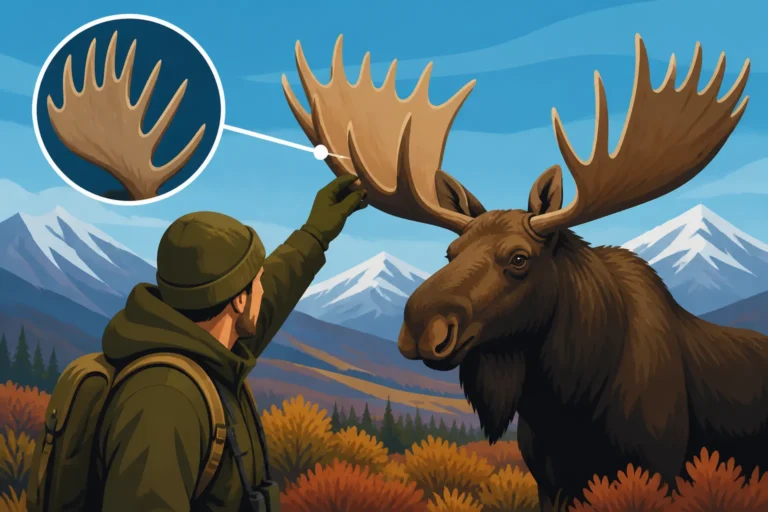
When the shot opportunity finally presents itself, your focus on shot placement must be absolute. There are no quick follow-up shots. Aim for the classic broadside heart/lung shot, or a slightly quartering-away shot that angles into the vitals. Avoid risky head-on or steep quartering-to shots, which present smaller, less forgiving targets. Be aware of any brush or twigs between you and the animal, as even small obstructions can deflect a slower-moving muzzleloader projectile. Practice holds and estimating distances without a rangefinder, although a good quality rangefinder is highly recommended for confirming yardage in the field. For proper shot selection, it's also worth reviewing Field Judging a Legal Bull Under Alaska Antler Rules as you'll often need to assess the animal carefully before committing to a stalk.
Dealing with Alaska's Weather and Terrain
Alaska's weather can turn on a dime, and its terrain is often unforgiving, both posing significant challenges for muzzleloader hunters. Rain, snow, and freezing temperatures can all compromise your black powder setup. Protecting your powder, primers, and bore from moisture is paramount. Use waterproof containers for your consumables, and consider covering the muzzle and action of your rifle with electrical tape, a plastic bag, or a specialized muzzle cover to keep precipitation out of the barrel and ignition system. Some hunters even carry a small, waterproof "primer box" attached to their rifle for quick access to dry primers.
The rugged terrain – from dense alder thickets and muskeg to steep mountainsides and rocky riverbeds – demands physical fitness and proper gear. Your pack will need to accommodate not just your hunting essentials but also robust rain gear, extra layers for fluctuating temperatures, and the heavy burden of a muzzleloader and its specific accessories. Ensure your boots are waterproof and provide excellent ankle support for traversing uneven ground. Navigating challenging areas also means you need excellent map and compass skills, especially if hunting in remote areas without cell service. Learning about Alpine Navigation Without Cell Service or how to best prepare your Backpack Hunting in Alaska: Gear Weight and Meat Loads will be invaluable. Remember to incorporate solid glassing strategies to minimize unnecessary hiking, as described in Glassing the Alaska Range: Finding Game Before You Move.
Bear Safety in Muzzleloader Country
Hunting in Alaska means sharing the landscape with bears, both black and brown. When you're carrying a single-shot muzzleloader, your bear safety strategy needs to be even more deliberate. While a .50 or .54 caliber muzzleloader with a heavy conical can certainly be lethal on a bear, the lack of immediate follow-up shots demands a proactive and defensive mindset. Always carry a secondary deterrent: bear spray should be readily accessible on your hip or chest, and many hunters also carry a powerful sidearm (e.g., a .44 Magnum or 10mm Auto) for close-range defense.
Never hunt alone in prime bear country if you can avoid it, especially during periods when bears are active, like salmon runs or early fall. When approaching a kill site, make plenty of noise, pause frequently to listen, and have your bear spray or pistol ready. If you do harvest an animal, field dress it quickly and cleanly, getting the meat cooled and off the ground as soon as possible. Cache your meat and gear away from your sleeping area. Always be aware of your surroundings, especially at dawn and dusk, and be prepared to make noise or deploy deterrents if a bear approaches. Knowing how to react in a charging scenario is critical, and you can learn more by checking out Bear Safety While Butchering a Kill in Alaska.
Table of Common Muzzleloader Calibers and Their Suitability for Alaskan Big Game
| Caliber | Typical Projectile Weight (grains) | Recommended Minimum for | Notes |
|---|---|---|---|
| .45 Caliber | 200-300 | Deer, Black Bear | Legal for smaller game, but often considered light for moose/large bears. |
| .50 Caliber | 250-400 | Moose, Caribou, Black Bear, smaller Brown Bears | Most popular and versatile choice, good balance of power and shootability. |
| .54 Caliber | 350-500+ | Moose, Caribou, Brown Bear, Bison | Excellent power, especially with heavy conicals. Often preferred for larger species. |
| .58 Caliber | 450-600+ | Brown Bear, Bison | Maximum power for muzzleloaders, can be heavy and have significant recoil. |
Note: Always verify specific legal caliber requirements for your target species and hunt area in the current Alaska hunting regulations booklet.
Disclaimer
The information provided in this guide is for general informational purposes only and does not constitute legal or professional advice. Hunting regulations in Alaska are subject to change, and it is the sole responsibility of the hunter to review and comply with all current federal, state, and local laws and regulations. Always consult the most up-to-date Alaska Department of Fish and Game (ADF&G) regulations and any specific permit conditions before planning or undertaking a hunt. Safety in the field is paramount, and hunters should always prioritize safe firearm handling, bear awareness, and proper wilderness survival techniques.