Predator Calling for Alaska Wolves and Wolverine
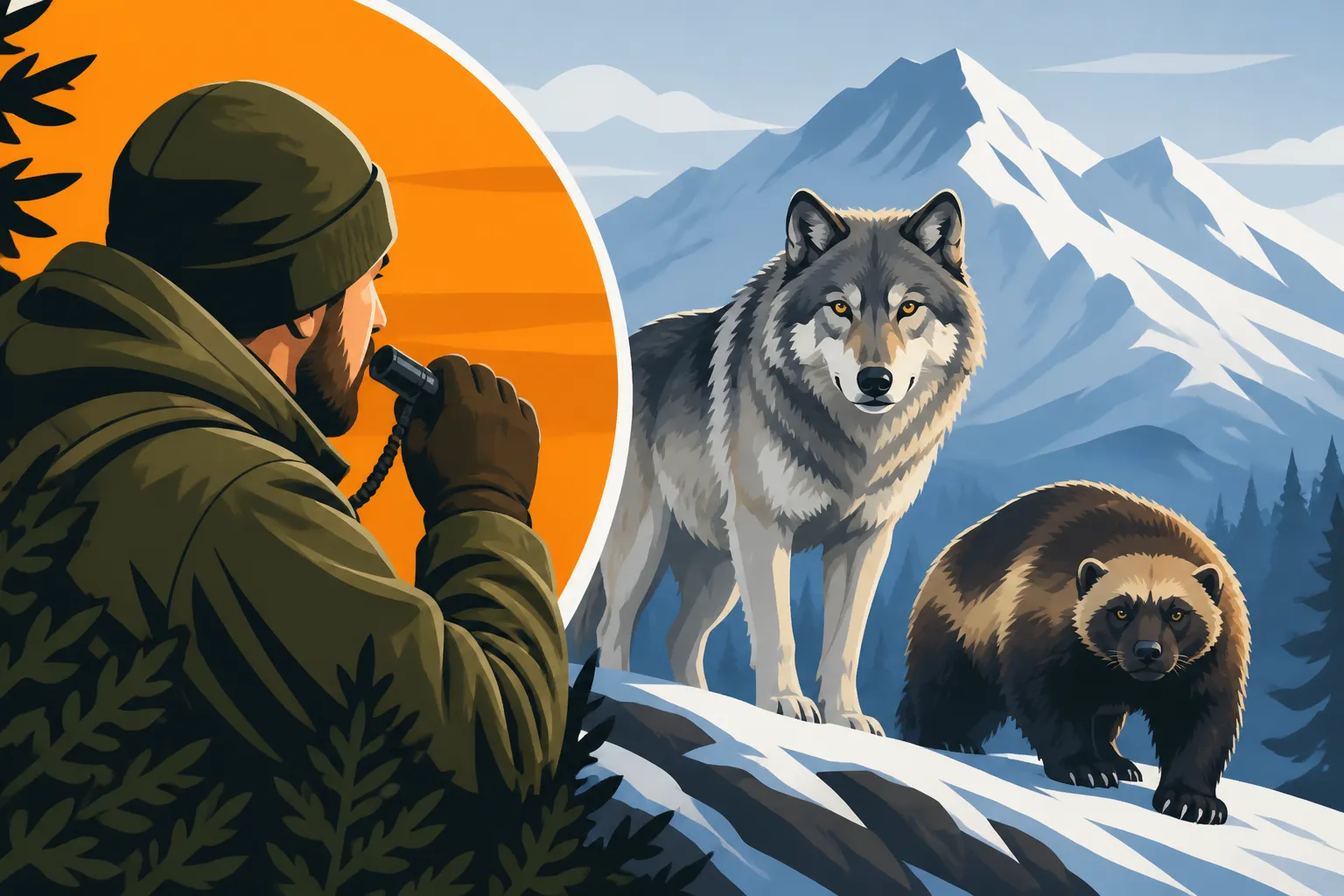
Hunting Alaska's top predators, like wolves and wolverine, presents a unique challenge that tests even the most seasoned hunters. Their incredible elusiveness, vast territories, and keen senses often lead to frustration, making successful encounters feel like pure luck. This guide dives deep into the strategic use of predator calling, offering practical methods and insights to significantly increase your chances of bringing these intelligent animals into range.
Understanding Alaska's Elusive Predators
Before you even think about blowing a call, you've got to understand the animals you're pursuing. Wolves and wolverines are masters of their environment, and their survival hinges on their ability to detect and evade threats, which includes us. Getting inside their heads, so to speak, is the first step towards outsmarting them in the field.
Wolf Behavior and Habitat
Wolves in Alaska are incredibly adaptable, inhabiting everything from the dense forests of Southeast to the open tundra of the Arctic. They are highly social, living in packs with complex hierarchies, and their movements are often tied to their primary prey, like moose and caribou. You'll find them following migratory caribou herds across vast distances or patrolling established territories where moose are abundant. Knowing where their food sources are concentrated is often the first clue to finding wolves. For instance, understanding the movements of the Fortymile Caribou Herd or the Nelchina Caribou Herd can give you a huge advantage when scouting for wolf sign.
Their territories can be enormous, sometimes covering hundreds of square miles, and they patrol these areas constantly. Unlike some game, wolves are rarely "still" for long, always on the move, always searching. They're opportunistic predators, meaning they'll take advantage of any weakness they find in prey. This constant movement and opportunistic nature are what make calling so effective when timed right—it taps into their inherent drive to investigate potential prey or interlopers. They are also incredibly intelligent; one bad experience with a call can make a pack "call shy" for years.
Wolverine Habits and Range
Wolverines, often called "skunk bears" or "devils of the north," are perhaps even more elusive and tenacious than wolves. They are solitary creatures, except during breeding season, and operate across incredibly large individual home ranges, especially the males. A wolverine's home range can span hundreds of square miles, meaning you could hunt an area for weeks and never cross paths with one. These animals are powerful, aggressive for their size, and possess an almost mythical ability to appear and disappear silently.
You'll typically find wolverines in remote, rugged country – alpine tundra, dense boreal forests, and steep mountain slopes. They are scavengers as much as predators, often drawn to carrion or the remains of kills left by other animals, including hunters. This scavenging instinct is a key factor in why calling can be successful for wolverine, especially if you're simulating a fresh kill or a distressed animal. Finding good habitat might involve scouting areas above timberline or focusing on drainages that see heavy moose or caribou activity, increasing the chance of encountering a wolverine drawn to a recent winter kill. If you're really committed, you might even consider setting up some specialized Wolverine Sets in Deep Snow.
Senses of Alaskan Predators
Both wolves and wolverines possess incredibly acute senses that put ours to shame. Their sense of smell is legendary. A wolf can detect scent from miles away, and a wolverine will investigate a carcass that's been buried under feet of snow. This means wind direction is not just important; it's absolutely critical. Even the slightest swirl or eddy in your scent cone can alert them long before you ever see them.
Their hearing is equally impressive. They can pinpoint the source of a sound from incredible distances, especially the high-frequency squeals and barks associated with prey distress. This is a double-edged sword for the caller: it allows them to hear your call, but it also means they can hear any unnatural sounds you make, like a rustle of clothing or a clumsy movement. Finally, their eyesight, while not as often highlighted as their smell or hearing, is excellent, especially in low light and for detecting movement. They are masters of using cover and shadows, often appearing as if from nowhere, silently observing a situation before committing. This combination of senses means you need to be absolutely meticulous with your approach, setup, and execution.
The Art of Predator Calling
Calling predators isn't just about making noise; it's about understanding the language of the wild and speaking to the primal instincts of these magnificent animals. It's a psychological game as much as a tactical one, requiring patience, realism, and an understanding of what motivates a wolf or a wolverine to come to your call.
Mimicking Prey Distress
The most common and often most effective type of predator calling involves mimicking the sounds of a distressed or dying animal. Think about it: a coyote pup yelping, a rabbit screaming, or a fawn bleating signals an easy meal for a predator. This immediately triggers their predatory instinct, and their drive to investigate a vulnerable meal is often stronger than their caution. For wolves, larger prey distress calls, like a dying moose calf or an injured caribou, can be incredibly potent. They signify a substantial payoff. For wolverines, while they'll respond to larger prey, smaller rodent or rabbit distress calls can also be effective, especially given their scavenging tendencies.
The key is realism. A synthetic, repetitive sound won't fool an intelligent wolf for long. You need variety, fluctuation, and the ability to convey genuine fear and pain. Vary the volume, duration, and intensity of your calls. Start softer, then increase as if the animal is struggling. Sometimes, an abrupt stop, as if the struggle ended, can pique their interest even further, suggesting the predator might have moved on, leaving easy pickings. This is where subtle nuance in your calling can make all the difference.
Territorial and Social Calls
Beyond prey distress, tapping into the social structure and territorial instincts of wolves can be incredibly effective. Howling is a classic example. A lone howl can be used to locate a pack or provoke a response, revealing their location. Group howls or challenges can sometimes draw in curious or territorial wolves looking to assert dominance or investigate a perceived intruder. This requires a deeper understanding of wolf vocalizations and knowing when to challenge, when to respond, and when to simply listen.
For wolverine, social calls are less common, as they are mostly solitary. However, some hunters have found success with more aggressive, chattering calls that might mimic an interaction over a carcass, appealing to their competitive nature. These aren't as universally effective as distress calls but can be powerful in specific situations. Understanding how a wolf pack uses howls to communicate is crucial. You might try to mimic a single wolf pup call to elicit a response from an entire pack, or a more assertive adult howl to challenge a dominant male. Remember, the goal isn't just to make noise, but to tell a believable story with your sounds.
Seasonal Considerations for Calling
The time of year dramatically impacts predator behavior and, consequently, your calling strategy. In the spring and early summer, wolves are often denning, and their activity might be more focused on feeding pups. Distress calls simulating vulnerable young prey are highly effective during this period. As summer progresses into fall, pups are learning to hunt, and the pack is more mobile. This is a prime time for both distress calls and social howls, as young wolves might be more inquisitive.
Winter presents its own opportunities, especially with wolves. Deep snow often concentrates prey animals, and wolves follow suit. A well-placed call near a fresh kill or where wolves are known to travel can be deadly. This is when calls imitating an injured large animal, like a moose, are particularly potent, as wolves are looking for easy meals in harsh conditions. Consider scouting for fresh tracks around known feeding areas. A fresh winter kill site is a fantastic place to try calling wolves off a winter kill, but always remember to stay vigilant for other opportunistic predators, including bears that might be around the kill as well. The Alaska Department of Fish and Game regulations for Wolf Hunting Over a Winter Kill Site are important to review.
Choosing the Right Calls and Gear
Success in predator calling isn't solely about technique; it's also about having the right tools for the job. From the actual calls to the clothing on your back, every piece of gear plays a role in enhancing your chances of success in the Alaskan wilderness.
Electronic Callers vs. Mouth Calls
This is a big debate among predator hunters, and honestly, both have their place.
Electronic Callers: These are incredibly versatile. They come pre-loaded with dozens, sometimes hundreds, of different animal sounds – everything from rabbit distress to wolf howls and wolverine snarls. The ability to control volume, switch sounds quickly, and place the caller away from your position via remote control is a huge advantage. This means the predator focuses its attention on the sound source, not on you, potentially giving you more time to get a shot. Brands like Foxpro and Lucky Duck are popular for their robust construction and realistic sound libraries, which are essential when hunting wary Alaskan predators. The downside? They require batteries (which can die in extreme cold), are heavier, and are an upfront investment. They also require you to manage the technology in conditions that might be challenging, so practice with them before you head out.
Mouth Calls: These are lightweight, reliable (no batteries!), and often less expensive. They require a significant amount of practice to master, though. Learning to produce realistic distress cries, barks, and howls with your own breath takes time and dedication. The advantage is the intimate connection you have with the sound; you can instantly vary pitch, volume, and rhythm, making for incredibly realistic sequences. Open-reed and closed-reed calls are common, each offering different sound profiles. The main drawback is that the sound comes from your position, meaning a keen-eared predator might pinpoint you immediately. However, for a hunter who has put in the practice, a mouth call can be an incredibly effective and rewarding tool. It’s a good idea to carry a mouth call as a backup, even if you’re relying primarily on an electronic unit.
Decoys and Scent Control
To enhance the visual appeal and further distract an incoming predator, decoys can be a game-changer. Motion decoys, like a flapping bird wing or a bobbing rabbit, tap into a predator's visual hunting instincts, drawing their eye and diverting their attention from your position. These are particularly effective for curious or less wary animals, providing a focal point that keeps their focus away from subtle movements you might make. Place your decoy in an open area, slightly upwind from your calling position, and ensure it's visible from a distance.
Scent control is absolutely non-negotiable in Alaska. As mentioned, the noses of wolves and wolverines are phenomenal. Everything from your body odor to your breakfast coffee can be detected. Use scent-eliminating sprays on your clothes and gear, wash your hunting clothes in scent-free detergent, and store them separately from everyday items. Avoid strong-smelling foods or hygiene products before and during your hunt. Even something as simple as the fuel you used for your ATV on the way in can leave a detectable odor. Consider placing a scent wick with a masking scent (like skunk essence, if allowed) well downwind from your position to potentially divert a predator that catches your human scent. This meticulous attention to scent control is especially vital in remote areas where animals have less human interaction. GoHunt's resources often stress the importance of scent control in their planning guides for Alaskan hunts, highlighting just how crucial this factor is.
Essential Cold Weather Gear
Alaska's environment is notoriously unforgiving, and calling predators often means long periods of sitting still in extreme cold. Your gear needs to be up to the task.
Layering System: This is paramount. Start with a moisture-wicking base layer, add insulating mid-layers (fleece or down), and top it with a waterproof, windproof outer shell. You need to be able to add or remove layers quickly to adapt to changing temperatures and activity levels.
Warm Boots: Insulated, waterproof boots are critical. Your feet will get cold sitting still. Look for boots rated for extreme cold and consider adding chemical toe warmers.
Hand Protection: A good pair of warm mittens with a finger-release trigger finger option is invaluable. You need dexterity to operate your call and rifle, but your hands will freeze quickly without protection.
Face Protection: A balaclava or face mask will prevent frostbite and help reduce scent dispersal.
Heat Source: A small, portable propane heater (like a Buddy Heater) can make a huge difference in comfort and staying power during long waits, especially if you're in a blind or protected area.
Optics: High-quality binoculars and a spotting scope are essential for scanning vast landscapes, identifying incoming predators, and judging distance. You might spend hours glassing before you ever blow a call. For detailed information on Glassing Grids That Cover a Whole Basin, check out our guide on maximizing your optical efficiency.
Calling Tactics and Strategies
Now that you understand the animals and have your gear dialed, it's time to talk about execution. Predator calling is a dynamic process, and successful hunters are those who can adapt their strategy to the specific situation at hand.
Location, Location, Location: Setting Up Your Stand
Choosing the right calling location is perhaps the most critical decision you'll make. You need a spot that offers a clear field of view, good shooting lanes, and, most importantly, allows you to play the wind. Never, ever call with the wind at your back, blowing your scent directly into the area you expect the animal to approach from. Always try to have the wind quartering to you or directly in your face.
Look for elevated positions that give you a commanding view of the surrounding terrain. Ridge lines, open hilltops, or even the edge of a large burn area can be excellent choices. Wolves and wolverines often travel along natural contours, drainage bottoms, or old game trails, so setting up overlooking such travel corridors can be very effective. Ensure you have good cover to break up your silhouette but don't impede your view or shooting lanes. If you're hunting wolves in particular, think about where they might naturally approach without exposing themselves too early. They are incredibly wary and will often circle downwind to confirm the source of a call before committing. Setting up with natural barriers like steep terrain or dense timber preventing a direct downwind approach can be advantageous.
Call Sequences and Patience
Developing a diverse calling sequence and exercising immense patience are key to success. Don't just blast a single call over and over. Start with subtle, soft calls to pique curiosity without alarming distant animals. Maybe a few short whimpers or a soft howl. After 5-10 minutes, if nothing responds, increase the intensity. Move to more excited distress calls, or if you're targeting wolves, perhaps a challenge howl. Vary the sounds – switch from rabbit distress to a crow call, then back. Sometimes, a series of short, choppy calls followed by silence can be very effective, mimicking a struggle that suddenly ends.
A common mistake is giving up too soon. Wolves and especially wolverines can take a long time to commit to a call, sometimes circling for 30 minutes or more before revealing themselves. Plan to spend at least 45 minutes to an hour on each stand, and often longer. During this time, constant vigilance is required. Use your binoculars to scan every shadow, every cluster of trees, and every distant ridge. A predator might appear silently and disappear just as quickly if you're not paying attention. Remember the importance of patience, especially when attempting to call animals like wolves who might have a range that requires a significant response time. Our guide on Grunt Tube Distance a Bull Will Cover might apply to other species as well, understanding how far your sound travels and how long it might take for an animal to respond.
Wind, Visibility, and Shot Opportunities
These three elements are inextricably linked. As discussed, wind is paramount. Always monitor it with a wind checker or a pinch of dust. Even subtle shifts can ruin a setup. If the wind changes direction significantly, you might need to adjust your position or abandon the stand entirely.
Visibility directly impacts your ability to spot an incoming predator and take a shot. Avoid calling in dense fog or heavy snowfall unless you're intentionally trying to draw them into very close quarters. Overcast days are often ideal, providing good light without harsh shadows, and often with less wind. Pay close attention to the sun's position – you want it at your back if possible, giving you an advantage in terms of glare and allowing you to see into shadows more easily.
Shot opportunities in predator calling are often fleeting. Wolves and wolverines rarely offer textbook broadside shots, especially if they're wary. They might come in quickly, pause for a moment, and then vanish. Be ready to shoot as soon as a legal, ethical opportunity presents itself. Practice shooting from various positions, including kneeling or sitting, as you might not have time to get prone. Understand your rifle's capabilities and your personal limitations, especially regarding shot distance. For advice on preparing your rifle, consider our guide on Sighting In Before You Fly to a Remote Alaska Camp. And when it comes to shot placement, remember that these are tough animals; a good caliber and well-placed shot are essential. Our article on Rifle Choice for Alaska Brown Bear Country offers insights into appropriate calibers for large, tough game.
Safety and Ethics in Predator Calling
Hunting in Alaska, especially for predators, carries significant responsibilities. Beyond the thrill of the chase, we have a duty to ensure our safety, uphold ethical hunting practices, and respect the regulations designed to manage these incredible resources.
Bear Safety in the Field
When you're out calling predators in Alaska, particularly in areas where you're mimicking distress calls or near potential kill sites, you're essentially ringing the dinner bell for all predators – including bears. Both black and brown bears are opportunistic and have an incredible sense of smell. A dying rabbit call could easily attract a hungry black bear, and a moose calf distress call could bring in a brown bear looking for an easy meal or investigating a potential competitor.
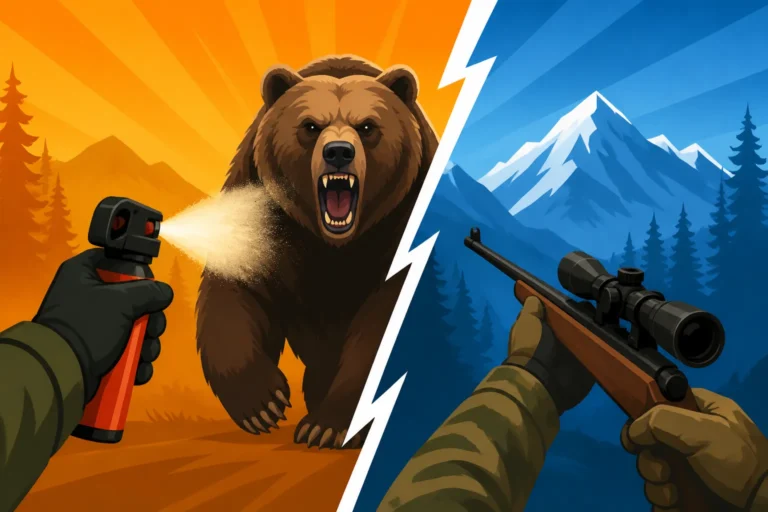
This means you need to be constantly bear aware. Carry bear spray, know how to use it, and have it readily accessible. Many hunters also carry a sidearm or a powerful rifle when hunting in bear country. Make noise when you're moving between stands to avoid surprising a bear. When setting up, choose a location that doesn't put you in an obvious ambush position from a bear's perspective, and always be scanning your surroundings. If you successfully harvest a wolf or wolverine, field dress and pack it out as quickly as possible to minimize the chance of attracting bears. Our detailed guide on Bear Safety While Butchering a Kill in Alaska offers crucial advice for managing these risks, which are amplified when you're actively calling.
Legal and Ethical Considerations
Alaska has specific regulations regarding predator hunting, and it's your responsibility to know and follow them meticulously. This includes understanding season dates, bag limits, and specific hunting areas. Some areas might have restrictions on calling methods or may be closed to hunting altogether. Always consult the most current Alaska Department of Fish and Game (ADF&G) regulations booklet before heading into the field.
Ethical considerations extend beyond the law. This includes taking clean, ethical shots that result in a quick kill and proper meat salvage if required (though wolves and wolverine don't have the same extensive salvage requirements as big game, it's still about respect for the animal). Understand the difference between calling to harvest and calling purely to harass an animal. Always strive to represent hunters positively in the public eye. This commitment to ethical hunting is often emphasized by hunting organizations and resources like GoHunt, which promote responsible wildlife stewardship. Additionally, be aware of Alaska Wolf Trapping Versus Hunting Seasons, as the regulations for trapping can be very different from hunting.
Retrieving Your Harvest
Once you've successfully called in and harvested a wolf or wolverine, the work isn't over. These animals often drop quickly, but sometimes they can run a short distance. Mark the spot where the animal was standing when you shot and where you last saw it. Wait a few minutes to ensure it's expired before approaching cautiously. Approach from an angle that gives you a clear view and be prepared for a follow-up shot if necessary.
Retrieval can be physically demanding, especially for a large wolf or if you're deep in rugged terrain. Wolverines, though smaller, are incredibly dense and can be surprisingly heavy to pack out. Have a plan for packing out the animal, whether that involves game bags for skinning and quartering or a pack frame for a whole animal. If you plan to salvage the hide for taxidermy, pay careful attention to proper cape and skull care in the field. This ensures your trophy is preserved in the best possible condition. Remember that in Alaska, you are often operating in truly remote country, so understand the basics of Alpine Navigation Without Cell Service to ensure you can safely navigate to and from your kill site.
| Call Type Category | Target Species | Description | Best Use Scenarios | Common Call Examples |
|---|---|---|---|---|
| Distress Calls | Wolf, Wolverine | Mimics injured or dying prey, triggering predatory instincts. | General purpose, highly effective year-round. | Rabbit squeals, fawn bleats, rodent distress. |
| Vocal/Howls | Wolf | Mimics wolf communication; territorial, social, or locating calls. | Locating packs, challenging rivals, social curiosity. | Lone howls, group howls, challenge howls, pup whines. |
| Interruption | Wolf, Wolverine | Sharp, loud sounds to stop a moving animal for a shot. | When a predator is moving too fast for a shot. | Sharp bark, "woof" sound (non-call related). |
| Challenge | Wolf | Aggressive sounds to provoke a territorial response. | When a pack is located and you want them to commit. | Growls, aggressive barks, dominant howls. |
| Curiosity | Wolf, Wolverine | Softer, less urgent sounds to pique interest. | Animals wary of distress, initial contact, late stages. | Bird calls, mouse squeaks, subtle whines. |
Disclaimer
Always consult the most current Alaska Department of Fish and Game regulations for specific season dates, bag limits, and any area-specific restrictions before planning or undertaking any hunting activity in Alaska. This guide is for informational purposes only and does not supersede official regulations.