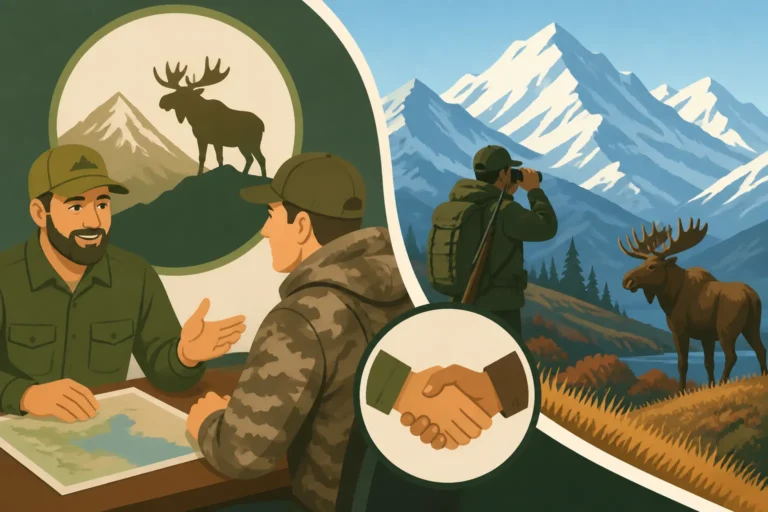
What an Alaska Guide Contract Should Specify
Booking an Alaska hunting adventure is a dream for many, but the excitement can quickly turn to anxiety when faced with a stack of paperwork. One of the most critical pieces of that puzzle is the guide contract, and let me tell you, if you don't know what you're looking for, it can feel like trying to read legal jargon written in a foreign language. This guide is here to demystify those contracts, ensuring you understand exactly what you're signing and what to expect from your Alaskan guide.
The Absolute Essentials: What Must Be In Writing
When you're committing a significant amount of time, money, and effort to an Alaska hunt, you need to know, without a shadow of a doubt, what both you and your guide are agreeing to. The contract isn't just a formality; it's your blueprint for the entire experience. Overlooking key details here can lead to massive headaches, misunderstandings, and even ruined hunts down the line.
Identifying the Parties and the Hunt Details
This might seem obvious, but it's astonishing how often people skim over these fundamental elements. Your contract should clearly state the full legal name and contact information of the guide or outfitting company you are hiring, along with their Alaska guide license number. This is crucial for verifying their credentials and ensuring you're dealing with a legitimate, licensed operation. Similarly, your full name, contact details, and any pertinent hunter identification numbers (like your Alaska hunting license number, once acquired) should be accurately recorded. Don't forget, if you're applying for a draw permit, the guide's information is often required on the application itself, so it needs to be spot-on from the start.
Beyond the "who," the "what" and "when" are equally vital. The contract needs to clearly specify the exact species you are hunting (e.g., Dall Sheep, Alaska-Yukon Moose, Coastal Brown Bear) and the hunting dates. Is it a 7-day hunt? A 10-day hunt? What are the arrival and departure dates from base camp or the nearest town? Are there any specific hunt numbers from the Alaska Department of Fish and Game (ADF&G) regulations that apply, especially for draw hunts? Confirming these details upfront prevents any disputes about hunt duration or target species once you're already in the field. Imagine showing up expecting to hunt moose for ten days, only to find the contract says seven, or worse, specifies caribou! This section sets the stage for your entire adventure.
Financial Transparency: Costs, Deposits, and Refunds
Money matters are usually where the most stress and confusion arise. A robust contract will meticulously lay out all financial aspects. This includes the total cost of the hunt, what that cost includes, and what it does not include. For instance, does the price cover your hunting license and tags? Airfare to Alaska? Charter flights from a hub like Anchorage or Fairbanks to base camp? Meat processing and shipping? Taxidermy? What an Alaska Guided Hunt Price Includes is a critical question to answer long before you sign. Often, what seems like a great deal initially can quickly become more expensive than anticipated once all these "extra" costs are factored in.
The contract must also specify the deposit amount required to secure your hunt, the payment schedule for the remaining balance, and the acceptable payment methods. Are installments allowed? What are the deadlines for each payment? Furthermore, and perhaps most importantly, the refund policy for deposits and final payments must be explicitly detailed. What happens if you have to cancel? What if the guide has to cancel due to unforeseen circumstances, like a family emergency or a sudden closure of the hunting unit? This is where understanding Deposits and Cancellation Terms on Alaska Hunts becomes paramount. A clear refund policy, even one that states deposits are non-refundable after a certain date, gives you a firm understanding of your financial risk.
Defining the Scope of Services
This section is where the guide explains what they are actually providing. It should specify whether the hunt is fully guided, semi-guided, or a drop camp. For non-residents, Alaska has specific requirements for guided hunts, especially for species like brown bear, Dall sheep, and mountain goat. This is directly related to Alaska's Brown Bear, Sheep and Goat Guide Requirement. The contract should clearly state the type of guide service being rendered.
Beyond that, consider the logistics. Does the guide provide food, shelter, and equipment (tents, cooking gear, etc.) in camp? What about transportation in the field (ATVs, boats, horses, pack animals)? Will there be a dedicated cook or camp staff? Will the guide assist with field dressing, quartering, and packing out your animal? These details might seem minor now, but when you're 40 miles deep in the Alaska Range with a bull moose on the ground, knowing who is responsible for what makes all the difference. Clarity here prevents friction and ensures both parties are on the same page regarding expectations for the entire hunt.
Beyond the Basics: Important Clauses to Scrutinize
While the essentials cover the "what" and "how much," a truly comprehensive contract goes further, addressing the contingencies and potential challenges that are an inevitable part of hunting in Alaska's wild and unpredictable environment.
Cancellation Policies and Trip Insurance
Alaska hunting trips are often planned years in advance, and life happens. A solid contract will detail the guide's cancellation policy, outlining what happens if either party needs to cancel. This isn't just about financial loss; it's about transparency and fairness. Pay close attention to cut-off dates for partial or full refunds, and whether deposits are transferable to another hunt or hunter. Some contracts might offer a reschedule option for a fee, or a credit towards a future hunt if the cancellation is due to unavoidable circumstances like a medical emergency.
This is also precisely why every savvy Alaska hunter considers Hunt Insurance for Cancellations. Your contract might even recommend specific travel or hunt insurance providers. Trip insurance isn't just for lost luggage; it can cover non-refundable costs if you have to cancel due to illness, injury, or other covered reasons, providing a crucial safety net for your significant investment. Don't assume your guide's policy will cover every eventuality; personal hunt insurance is a separate, vital consideration.
Trophy Care and Meat Salvage Responsibilities
Congratulations, you've taken an animal! Now what? This is another area where misunderstandings can quickly turn celebratory moments into stressful ones. The contract should clearly define the guide's responsibilities for initial trophy care and meat salvage. Will they skin the animal? Cape it for a shoulder mount? Turn the lips, ears, and eyes for a life-size mount? What level of care is included for the skull and antlers? For non-residents, shipping an Alaska trophy home can be a complex process, and the contract should clarify if the guide assists with this or if it's solely your responsibility to arrange after the hunt.
Likewise, meat salvage is not just a logistical concern but often a legal requirement in Alaska. The contract should outline how the guide will handle the meat, especially in remote settings. Does it include packing it out to the nearest airstrip? Keeping it cool in warm weather? Will they assist with arrangements for freezing, processing, and shipping the meat from a bush village back to civilization, or even to your home state? Understanding Meat Processing and Freight From Bush Alaska can save you a lot of grief. Without clear guidelines, you might find yourself with a beautiful animal and no practical way to get the meat home without scrambling last minute.
Emergency Protocols and Evacuation
Hunting in Alaska means heading into vast, remote wilderness. Emergencies, though rare, can happen: a twisted ankle, a sudden severe illness, or extreme weather stranding your party. Your contract should detail the guide's emergency communication plan, including what satellite devices (e.g., inReach, satellite phone) they carry and their daily check-in protocols. It should also outline the procedures for emergency evacuation. Who pays for it? Is it included in the hunt cost, or is it an additional expense? Does the guide require you to have personal medical evacuation insurance?
A good guide will have a comprehensive safety plan, and the contract should reflect that. This might include stipulations about first aid, how they'll contact authorities, and what resources are available in the event of a medical emergency. Having a clear understanding of Emergency Evacuation Plans in Remote Alaska is not about being paranoid; it's about being prepared and responsible for your own safety in a truly wild environment.
Understanding the Fine Print: Practical Considerations
The details in a contract aren't always about big costs or major emergencies. Often, it's the smaller, everyday operational details that define the quality of your experience and prevent friction during the hunt.
Guide-to-Hunter Ratio and Personnel
This is a crucial detail for managing your expectations about the intensity and personalized nature of your hunt. Is it a one-on-one (1:1) hunt, where you have a dedicated guide, or a two-on-one (2:1), where you share a guide with another hunter? This ratio significantly impacts the dynamics of the hunt, including decision-making, pacing, and the amount of individual attention you receive. The contract should specify this clearly. If it's a 2:1 hunt, are you booking as a pair, or will you be matched with another hunter?
Furthermore, the contract might mention other personnel who will be in camp, such as assistant guides, packers, or cooks. Knowing who will be part of your team and their roles can help you understand the camp environment and overall support structure. Don't be shy about asking Who Your Actual Guide Will Be in the Field even if it's not explicitly in the contract, but a well-written contract gives you a head start.
Disclaimers and Limitations of Liability
No guide can guarantee success, and the contract will almost certainly contain disclaimers regarding hunt success rates, weather conditions, animal availability, and other factors beyond their control. This is perfectly normal and reasonable. Alaska is wild, and animals don't read the regulations. However, ensure that these disclaimers don't absolve the guide of their professional responsibilities or negligence. Read clauses related to liability carefully. What are the limits of the guide's liability in case of an accident, injury, or loss of personal property?
Many guides will have you sign a separate waiver of liability, which is also standard practice. Just make sure you understand what you're waiving. This section is often written in dense legal language, but it's important to grasp the core message. If anything seems overly broad or confusing, don't hesitate to ask for clarification.
Pre-Hunt Communication and Gear Lists
A good contract implies a commitment to effective communication, even if it doesn't spell out every phone call. However, some contracts will detail what kind of pre-hunt communication you can expect, such as periodic updates, preparation checklists, or informational packets. Most guides will provide a comprehensive gear list, and this might be referenced in the contract. A detailed gear list is invaluable for preparing for an Alaska hunt, ensuring you have the right clothing, footwear, and specialized equipment to handle the often extreme and rapidly changing conditions. Reviewing Gear Lists Alaska Guides Send Before a Hunt early on is crucial for proper preparation. A contract that emphasizes and supports this pre-hunt communication is a sign of a professional operation committed to your success and comfort.
What to Do Before You Sign: Vetting Your Guide
A contract is only as good as the integrity of the people behind it. Before you put your name on the dotted line, you need to do your due diligence. This isn't just about reading the fine print; it's about vetting the entire operation.
Checking Credentials and References
First and foremost, verify your guide's Alaska Registered Guide-Outfitter license. Every legitimate guide in Alaska operates under a license issued by the State of Alaska Big Game Commercial Services Board. You can, and should, check their license status and any disciplinary actions online. This process is covered in detail in Alaska Guide Complaints and How to Check a Licence and Checking an Alaska Guide's Licence Status. Platforms like BookYourHunt or GoHunt often provide guide profiles that include license numbers, but it's always best to cross-reference with the official state database.
Beyond basic licensing, ask for references—and not just one or two hand-picked ones. Ask for a list of clients from the past two or three seasons, especially those who hunted the same species or in the same area you plan to. Don't just make a cursory call; dive deep. Ask about the guide's professionalism, camp conditions, food quality, their commitment to safety, and how they handled unexpected situations. Did they live up to the contract? What were the Reference Calls Worth Making like for others? A guide who is hesitant to provide a good list of references is a red flag.
The Power of Open Dialogue
Finally, and perhaps most importantly, engage in open and honest dialogue with your prospective guide. Don't treat the contract as a static document you simply sign. It's a living agreement that you should fully understand. Before you ever get to the signing stage, you should be asking a lot of Questions to Ask an Alaska Guide Before Booking. Discuss any clauses you don't fully understand, any expectations you have that aren't explicitly stated, or any concerns that arise during your research. A professional guide will welcome your questions and provide clear, thorough answers. If a guide rushes you, dismisses your concerns, or becomes evasive, consider it a significant warning sign. Your comfort level with the guide and their transparency is just as important as the words on the page. Remember, Guide Contracts Alaska Guides Must Provide are there for your protection and clarity.
Table: Key Contract Clauses to Review
Here’s a quick overview of essential contract clauses and why they matter:
| Clause Category | Key Details to Look For | Why It Matters |
|---|---|---|
| Hunt Identification | Guide/Outfitter Name & License Number, Client Name, Species, Dates, Hunt Unit | Verifies legitimacy, ensures mutual understanding of the hunt booked. |
| Financial Terms | Total Cost, Inclusions/Exclusions, Deposit Amount, Payment Schedule, Refund Policy | Prevents hidden costs, clarifies financial commitment and risk. |
| Services Provided | Type of Hunt (Guided, Drop Camp), Camp Logistics (food, lodging, gear), Field Support | Sets expectations for what the guide will provide and your daily experience. |
| Cancellation Policy | Deadlines, Refund Structure, Reschedule Options for Client & Guide Cancellations | Protects your investment if unforeseen circumstances arise. |
| Trophy & Meat Care | Guide's Role in Field Dressing, Caping, Quartering, Assistance with Shipping | Ensures proper handling of your harvest and adherence to salvage laws. |
| Emergency Procedures | Communication Plan, Evacuation Protocols, Medical Insurance Requirements | Critical for safety in remote Alaska; clarifies responsibilities in emergencies. |
| Guide-to-Hunter Ratio | 1:1, 2:1, or Group Size | Impacts personalized attention and overall hunt experience. |
| Liability/Disclaimers | Limits of Liability, Waivers, No-Guarantee Clauses for Success | Defines risks and responsibilities; normal for wilderness operations. |
| Pre-Hunt Communication | Expectation for Updates, Gear Lists, Preparation Guidance | Ensures you are well-prepared and informed before the trip begins. |
Disclaimer
This article is for general informational purposes only and does not constitute professional advice. Laws, prices and regulations vary by location and change over time. Consult a qualified professional for guidance on your specific situation.