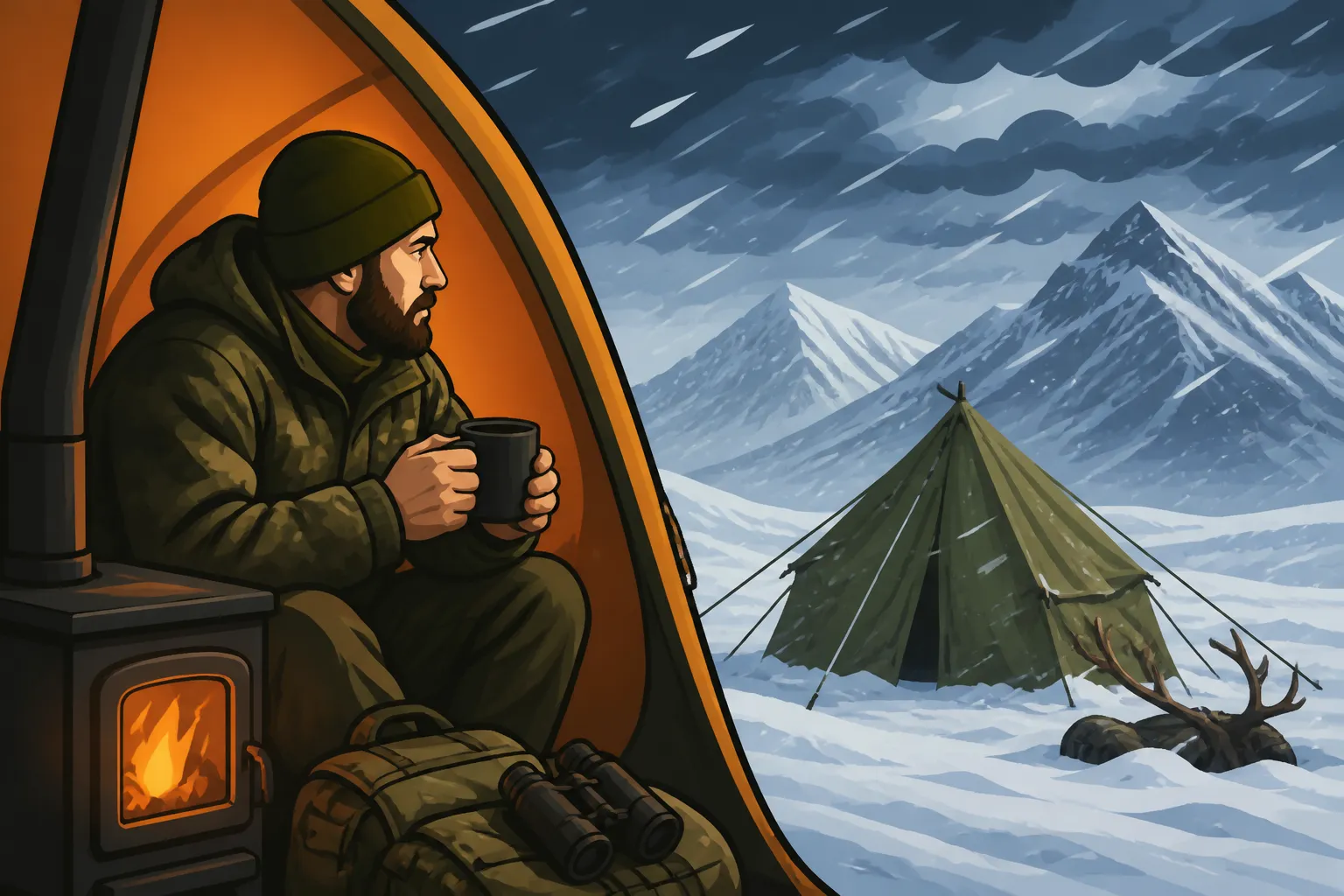
What Happens if Weather Traps You in Camp
You've spent months, maybe even years, planning your dream Alaska hunt. You've budgeted, trained, and obsessed over gear lists. The float plane drops you off in some remote drainage, the pilot waves goodbye, and suddenly, the sky turns ugly. A rogue storm rolls in, the fog drops to the deck, or a relentless rain sets in, making any flight or boat pickup impossible. This isn't just an inconvenience; it's a very real and sometimes stressful part of hunting in the Last Frontier, and understanding what happens when weather traps you in camp is crucial for both safety and sanity.
The Unpredictable Reality of Alaska Weather
Alaska weather doesn't play by anyone's rules. It can shift from glorious sunshine to whiteout conditions in a matter of hours, often catching even the most seasoned bush pilots and guides off guard. This isn't like a quick rain shower back home; these are weather systems that can blanket vast regions, ground all air traffic, and turn calm rivers into raging torrents. The sheer scale and volatility of Alaska's weather are perhaps the biggest logistical challenges any hunter faces, even more so than the animals themselves. Ignoring this reality is planning for failure, or at best, a very uncomfortable and potentially dangerous situation.
How Weather Systems Can Ground Your Flight or Boat
When you think of Alaska, you might envision vast, clear skies, but the reality for hunters is often thick fog, driving rain, or relentless high winds. These conditions are not just unpleasant; they are direct threats to safe air and water travel. Fog can reduce visibility to zero in mountainous terrain, making it impossible for a bush plane to navigate. High winds, especially in open country or over water, can make aircraft unstable or turn a river float into a capsizing hazard. Heavy rain or snow can obscure landmarks, turn landing strips into bogs, and generally create conditions where the risk simply outweighs any perceived benefit of attempting a pickup or drop-off. Your pilot or guide isn't being difficult; they're adhering to strict safety protocols and practical realities. What looks like "just a little rain" from your tent could be a dangerous crosswind on a mountain pass or zero visibility over a critical ridge. This is why Alaska's Same-Day-Airborne Rule and What It Bans is so important—it's all about safety in dynamic conditions.
| Weather Condition | Impact on Travel | Hunter's Risk |
|---|---|---|
| Dense Fog | Zero visibility for aircraft, dangerous for boats. | Prolonged delay, disorientation if attempting travel. |
| High Winds | Aircraft instability, dangerous river/lake conditions. | Aircraft crash, boat capsizing, hypothermia risk. |
| Heavy Rain/Snow | Reduced visibility, muddy landing strips, swollen rivers. | Delays, increased exposure, potential for equipment damage. |
| Low Clouds | Aircraft can't clear mountain passes. | Prolonged delay, limited access to high-elevation camps. |
| Freezing Rain | Icing on aircraft wings, slippery surfaces. | Extreme danger for flight, difficult walking conditions. |
The Immediate Impact on Your Hunting Schedule
A weather delay immediately throws a wrench into your meticulously planned hunting schedule. Let's say you're on a ten-day hunt, and a storm pins you down for two extra days. That means two fewer days of hunting, two more days of consuming supplies, and a ripple effect on your entire travel itinerary. Your air taxi has a schedule, and when one pickup is delayed, it can push back other clients, creating a cascading problem. This is where patience becomes your most valuable asset. What starts as a minor delay can easily extend into several days, especially if you're in a particularly remote area or the weather system is widespread. It’s not just about when your pilot can fly; it's about when they can safely fly, often requiring multiple scouting runs or waiting for specific windows.
Communicating and Coordinating During a Weather Hold
When you're stuck in a remote camp, communication is your lifeline. You might feel isolated, but your transporter or guide is actively monitoring the weather and working to get to you. Understanding their communication protocols and limitations is key to managing expectations and stress. Many hunters use platforms like GoHunt for planning, which can help ensure you've researched and packed the best communication devices.
Maintaining Contact with Your Transporter or Guide
In remote Alaska, cell service is a myth. Your primary means of communication will be satellite devices. The most common are satellite phones or satellite messengers like an InReach or Garmin inReach. Before your hunt, you should have a clear check-in schedule with your transporter or guide. Perhaps it’s a daily message at a specific time, or a call every other day. If you're using a booking platform like BookYourHunt to find your outfitter, ensure their communication plan for weather delays is explicitly stated in your contract. This isn't just about calling for a pickup; it's about letting them know you're safe, how your supplies are holding up, and giving them critical updates from your immediate area. Your camp might be clear, but if the weather is socked in at their base, they can't fly. Conversely, they might be clear, but the passes leading to you are not. Reliable communication helps both parties make informed decisions. Signal Devices and Check-In Plans for Solo Alaska Hunts are an absolute must-read.
Understanding Their Decision-Making Process
It's natural to feel frustrated when you're stuck and the weather seems to be clearing. However, your pilot or guide has a much broader perspective. They're looking at detailed weather forecasts for multiple locations: their base, your camp, and all the airspace and terrain in between. They know the capabilities of their aircraft, the specifics of the landing zones, and the real-time conditions from other pilots in the region. Their decision to fly, or not to fly, is based on safety, experience, and often, regulations. Pushing a pilot to fly in unsafe conditions is not only dangerous but can also be illegal. Trust their judgment. They want to pick you up, but they also want to get you back safely, and return home safely themselves. Remember that Fly-In Hunting: Working With an Alaska Transporter Pilot involves a lot of mutual trust and respect for the unpredictable environment.
Surviving and Thriving During a Weather Delay
Being stuck in camp for an extra day or two, or even longer, can really test your mettle. It’s easy for boredom and anxiety to creep in, but with good planning and a positive mindset, you can turn it into a manageable experience.
Managing Supplies and Morale
This is where all that pre-hunt planning truly pays off. You should always pack extra food, fuel, and emergency supplies – at least 3-5 days beyond your planned hunt duration. Consider it your Alaska insurance policy. Freeze-dried meals are lightweight and last, but even high-calorie snacks can make a huge difference. Don't forget your coffee or tea! A hot drink can do wonders for morale on a damp, chilly day. Rationing isn't just for emergencies; it's good practice. Think about how you'll make your fuel last for cooking and heating. Books, a deck of cards, or even a small game can help pass the time. If you used resources like GoHunt to prepare your gear list, you might have included a compact entertainment option. A charged Kindle or a downloaded podcast series can be a lifesaver. Keep a positive attitude; it’s infectious and can help everyone in camp cope. Remember to conserve your primary battery sources on devices until they're absolutely necessary. You'll thank yourself later.
Staying Safe and Comfortable
Your camp setup becomes paramount when you're hunkered down. Ensure your tent is pitched correctly to withstand wind and rain. Dig a good trench around it if necessary to divert water. Keeping dry is perhaps the single most important factor for comfort and health in Alaska's challenging environment. Have dedicated "wet" and "dry" areas in your tent, and change out of wet clothing as soon as possible. Your sleeping bag must remain dry at all costs. For warmth, ensure your stove is functioning well and you have adequate fuel. Bear safety remains critical, perhaps even more so when you're spending extended, stationary time in camp. Keep your food stored securely, away from your sleeping area, and always have your bear spray and rifle accessible. Even if you're not actively hunting, you're still in their territory. Bear Safety While Butchering a Kill in Alaska applies not just at a kill site but generally when handling food or meat.
Making the Most of Unexpected Downtime
Being weathered in doesn't have to be wasted time. It can be an opportunity. This is a great chance to perform thorough gear maintenance: sharpening knives, checking your rifle, repacking your pack, or even sewing up a torn gaiter. You can spend time glassing from camp if visibility allows, learning the terrain, identifying potential game trails, or simply observing the wildlife around you. Sometimes, these unexpected pauses offer a unique perspective on the wilderness. You might even find yourself practicing calls or reviewing maps, planning for when the weather breaks. For longer delays, you might consider how to properly care for any meat you've already harvested; Hanging Meat in Warm September Weather and Meat Care in 50-Degree September Weather are important considerations.
Financial and Logistical Considerations of Extended Stays
One of the less talked about, but very real, impacts of being weather-trapped in camp is the financial and logistical strain it can put on your trip. These are important details that should be ironed out before you ever leave home.
Understanding Potential Extra Costs
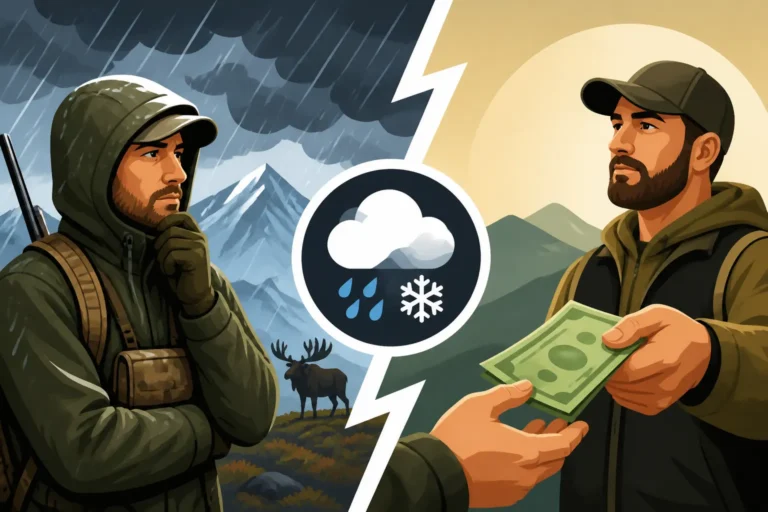
Most reputable air taxis and guides have clear policies regarding weather delays, and it's essential to understand them. Some might charge a daily "layover" fee for the aircraft if it's stuck waiting with you. Others might charge for extra flight time if they have to make multiple attempts or fly longer routes due to weather. Some, thankfully, build a certain amount of weather contingency into their initial pricing. The most common additional cost comes from having to reroute other clients or make separate trips to pick you up once the weather clears, which can lead to charges for additional flight hours, often called "deadhead" time. It's not uncommon for these unexpected costs to add a significant chunk to your overall budget. This is why when you're looking at Weather Days and Who Pays for Them, a detailed contract is vital. Booking platforms like BookYourHunt often facilitate clear contract outlines, so you know what to expect.
Planning for Beyond the Hunt
Beyond the immediate costs, consider the logistical domino effect. If your pickup is delayed by two days, that likely means you'll miss your scheduled commercial flight home. This can lead to rebooking fees, extra nights in hotels, and lost work days. Always Building Extra Days Into a Fly-In Schedule on both ends of your commercial travel is a smart strategy when hunting in Alaska. Give yourself a buffer in Anchorage or Fairbanks before your outbound flight. Talk to your employer about flexible return dates if possible. Investigate travel insurance that specifically covers weather delays and trip interruptions. This isn't just about financial protection; it's about peace of mind. Without a contingency plan, missing your flight can be just as stressful as being stuck in the bush. Furthermore, having Medical Insurance for Remote Alaska is also paramount, as emergencies don't wait for good weather. You may also want to review What an Alaska Guide Contract Should Specify to ensure all these potential scenarios are covered.
Disclaimer
This article is for general informational purposes only and does not constitute professional advice. Laws, prices and regulations vary by location and change over time. Consult a qualified professional for guidance on your specific situation.