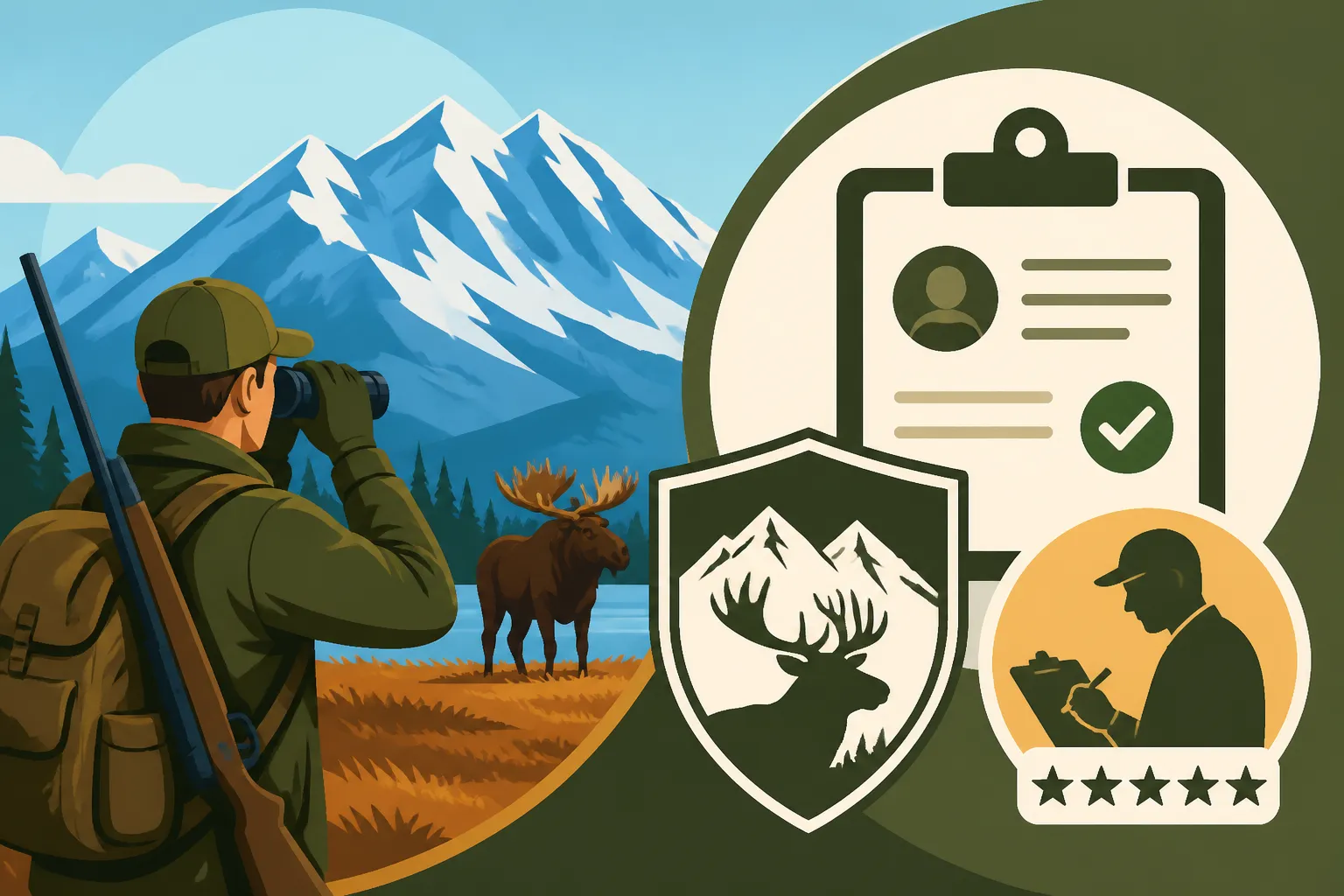
Alaska Guide Licence Renewal and Client Evaluations
It's an unfortunate truth that when you’re planning an Alaska hunting adventure, you're investing not just money, but dreams, time, and immense effort into an experience that can only truly be realized with a trustworthy, competent guide. The thought of pouring years of savings into a hunt, only to have it undermined by an unprofessional or even unethical guide, is a very real fear for many. This guide aims to pull back the curtain on how Alaska's guiding standards are maintained, specifically focusing on the crucial role of guide license renewals and the detailed client evaluation process, offering you insight into how the system works to protect your investment and ensure quality.
The Lifecycle of an Alaska Hunting Guide's License
Becoming an Alaska hunting guide isn't like simply hanging a shingle. It's a journey steeped in experience, regulatory hurdles, and a deep understanding of both the land and its wildlife. This isn't a profession for the faint of heart or the casually interested; it demands commitment and continuous adherence to stringent standards.
Initial Certification and the Path to Becoming a Guide
The path to becoming a licensed guide in Alaska is rigorous and designed to ensure that those leading hunters into the wilderness are truly qualified. It often begins with years, sometimes even decades, of working as an assistant. An individual usually starts as a "Class-A Assistant Guide," where they gain invaluable on-the-ground experience under the direct supervision of a Registered Guide-Outfitter. This period is critical for learning everything from navigation in challenging terrain to field judging animals and managing camp logistics, all while under the watchful eye of an experienced mentor. They learn the nuances of local game laws, animal behavior, and, perhaps most importantly, client management and safety in remote, unforgiving environments.
After accumulating sufficient field experience and demonstrating proficiency, an assistant guide can apply to become a "Registered Guide-Outfitter." This involves passing comprehensive exams, proving residency, and showing a deep understanding of Alaska's complex hunting regulations. For those who demonstrate exceptional leadership, ethical conduct, and an extensive track record, the pinnacle is "Master Guide." This designation signifies a guide with unparalleled experience and a proven history of responsible guiding, often involving a requirement to have held a Registered Guide license for a significant number of years and to have successfully guided a high volume of clients. You can read more about these different levels and their requirements in our detailed article, Alaska Guide Licensing: Assistant, Registered and Master.
Annual Renewal Requirements: More Than Just a Fee
Once a guide earns their license, the work doesn't stop. Unlike some professions where a license is a one-time achievement, Alaska guiding licenses require annual renewal. This isn't just about sending in a check; it's a critical component of maintaining high standards and ensuring ongoing accountability. Guides must demonstrate that they still meet the legal and ethical requirements to operate in Alaska's challenging environment.
Beyond the administrative fees, guides are typically required to verify they maintain current liability insurance, which is paramount for protecting clients in the event of unforeseen circumstances in the remote Alaskan wilderness. They also need to attest to their continued compliance with all state and federal regulations, which, as any Alaskan hunter knows, can be complex and change frequently. The state's commitment to wildlife conservation and hunter safety means that remaining informed about new emergency orders, season changes, or bag limit adjustments is not optional – it's fundamental to a guide's ability to renew their license and operate legally.
This annual renewal process acts as an essential checkpoint. It ensures that guides aren't just competent when they first get licensed, but that they remain so year after year. It's a reflection of Alaska's dedication to ensuring that when you step off that bush plane or boat, you're being led by someone who is not only experienced but also up-to-date on everything that affects your hunt, from current regulations to best practices for meat care and bear safety.
The Critical Role of Client Evaluations in Maintaining Standards
Client evaluations are a cornerstone of accountability within the Alaska guiding industry. For hunters, they are more than just an opportunity to provide feedback; they are a direct line to the regulatory body responsible for overseeing guide conduct. This process is designed to ensure that licensed guides consistently adhere to ethical, safe, and legal practices.
What Client Evaluations Are and Why They Matter
When you embark on a guided hunt in Alaska, you're not just paying for access to incredible wilderness and the chance at a trophy animal; you're placing immense trust in your guide. You're trusting them with your safety, your money, and the fulfillment of a lifelong dream. Client evaluations are the formal mechanism for you to communicate your experience, good or bad, back to the Alaska Board of Game, the agency responsible for issuing and overseeing guide licenses. These aren't casual online reviews on a hunting forum; they are official documents that become part of a guide's permanent record.
The importance of these evaluations cannot be overstated. They provide the Board of Game with a critical, firsthand perspective on how guides are performing in the field. Without this direct feedback from clients, the Board would have a much harder time identifying patterns of unprofessionalism, unsafe practices, or regulatory violations. These evaluations serve as a crucial check and balance, helping to maintain the integrity of the guiding industry and protecting future hunters from potentially negative experiences. They hold guides accountable in a tangible way, reinforcing that their conduct has consequences beyond just word-of-mouth reputation.
How Client Evaluations Influence a Guide's Standing
The Alaska Board of Game takes client evaluations seriously. While a single less-than-stellar evaluation might not immediately jeopardize a guide's license, a pattern of consistent negative feedback can certainly trigger an investigation. Think of it like a performance review in any other industry, but with higher stakes, given the remote and potentially dangerous nature of Alaska hunting. If the Board consistently receives evaluations citing issues such as poor communication, disregard for game laws, unsafe camp practices, or unethical hunting methods, it raises red flags.
These evaluations can lead to various actions, ranging from a formal letter of warning to a guide being called before the Board to explain themselves. In severe cases, where multiple evaluations point to serious infractions or a guide demonstrates a pattern of negligence, it could even lead to disciplinary action, including suspension or revocation of their license. Imagine if a guide consistently receives evaluations complaining about being picked up late, poor Meat Care in 50-Degree September Weather, or issues with Bear Safety While Butchering a Kill in Alaska — these aren't minor inconveniences in Alaska; they can be serious safety and regulatory concerns. Conversely, consistently positive evaluations help affirm a guide's reputation, showcasing their dedication and skill, and can contribute to their standing when applying for higher license tiers or concessions. This feedback loop is essential for fostering a guiding community that prioritizes professionalism and ethical conduct. Our article, How Many Client Evaluations an Alaska Guide Needs, further elaborates on the importance of this feedback.
Navigating the Evaluation Process as a Hunter
As a hunter, your role in this evaluation system is vital. Your feedback, whether positive or negative, helps shape the quality and accountability of the Alaska guiding industry. Understanding how and what to report ensures your voice is heard effectively.
When and How to Submit a Client Evaluation
The best time to submit a client evaluation is usually shortly after your hunt concludes, while the details are still fresh in your mind. Alaska generally encourages hunters to submit evaluations for all guided hunts, not just those where there was a problem. This helps paint a comprehensive picture of the guiding landscape. The process for submission typically involves accessing forms through the Alaska Department of Fish and Game's website or the Alaska Board of Game. These forms can usually be filled out online or printed and mailed.
It's crucial to be timely and thorough. Don't wait months to submit feedback, as memories can fade and specific details might become muddled. During your hunt, if you notice things—good or bad—it can be incredibly helpful to jot down notes. Whether it's the guide's exceptional knowledge of Reading Sheep Country From a Glassing Knob or a concerning incident with another hunter in camp, these specifics will bolster the impact of your evaluation. Remember, your feedback is a valuable contribution to the ongoing oversight of the guiding profession in Alaska.
What to Include in Your Evaluation for Maximum Impact
For your evaluation to be truly effective, it needs to be specific, factual, and avoid overly emotional language. While it's natural to feel frustrated or ecstatic after a hunt, the Board needs concrete information to act upon. Here’s what makes for a impactful evaluation:
- Specific Dates and Locations: Pinpoint when and where incidents occurred. "The morning of September 15th, near the XYZ creek drainage," is far more useful than "sometime during the hunt."
- Clear Descriptions of Incidents: Instead of saying "the guide was unprofessional," describe what happened. Did they fail to provide agreed-upon gear? Were they consistently late? Did they violate ethical hunting practices like shooting over bait where prohibited, or failing to follow Alaska Moose Meat Salvage Requirements?
- Focus on Behavior and Compliance: Was the guide adhering to safety protocols? Did they follow all game laws? Did they respect land access rules, such as those covered in Land Status in Alaska: State, Federal and Native Corporation? Was the assistant guide properly supervised, which relates directly to Alaska Guide Liability for an Assistant's Violations?
- Supporting Details: Include any relevant documentation if you have it, like copies of your contract (which you can learn more about in Guide Contracts and Deposits in Alaska) or photos (though often not required, they can be helpful for certain types of claims).
- Balanced Feedback: If the guide excelled in some areas but fell short in others, state that. Positive feedback is just as important for the Board to understand what's working well in the industry.
It's tempting to simply vent when things go wrong, but a structured, detailed evaluation is what provides the Board with actionable intelligence. Your goal is to provide clear, objective information that helps the Board assess the guide’s adherence to professional and legal standards.
Common Pitfalls and Misconceptions About Guide Accountability
The system for guide accountability in Alaska is robust, but it's often misunderstood by hunters. Knowing the difference between an evaluation and a formal complaint, and understanding the nuances of guide liability, can empower you to use the system effectively.
The Difference Between a Complaint and an Evaluation
Many hunters conflate client evaluations with formal complaints, but they are distinct processes, each serving a different purpose. A client evaluation is a routine feedback mechanism. It's an opportunity for hunters to share their overall experience, good or bad, with the Board of Game. These are collected for nearly every guided hunt and help the Board track guide performance over time. Think of it as a comprehensive report card that informs the Board's understanding of the guiding industry as a whole and an individual guide's ongoing professional conduct.
A formal complaint, on the other hand, is a specific accusation of a violation of Alaska's hunting regulations, guiding statutes, or ethical codes. This is typically initiated when a hunter believes a guide has engaged in illegal activity, acted unsafely, or breached their contractual obligations in a serious way. While a negative client evaluation might trigger an investigation, a formal complaint directly initiates one. If you believe your guide broke the law or acted with severe negligence, you would file a complaint, which can lead to a more intensive investigative process and potentially disciplinary actions such as fines, license suspension, or even revocation. You can find more detailed information on this process in Filing a Complaint Against an Alaska Guide.
Here’s a quick overview to highlight the differences:
| Feature | Client Evaluation | Formal Complaint |
|---|---|---|
| Purpose | Routine feedback on overall hunt experience & guide conduct | Specific accusation of a violation |
| Trigger | Standard post-hunt procedure for every guided hunter | Hunter believes guide committed an infraction |
| Detail Level | General review with specific examples encouraged | Highly specific details, dates, evidence required |
| Outcome | Contributes to guide's record; may flag patterns | Initiates investigation; potential disciplinary action |
| Formality | Less formal, part of an ongoing review process | Highly formal, legal process |
Understanding Guide Liability and Assistant Guide Roles
One common area of confusion revolves around who is ultimately responsible for what happens on a guided hunt, especially when assistant guides are involved. In Alaska, the Registered Guide-Outfitter holds the ultimate responsibility for all aspects of a guided hunt under their license. This means that if an assistant guide, operating under their supervision, commits a violation or acts negligently, the Registered Guide-Outfitter can be held accountable. This isn't just a moral obligation; it's a legal one.
This chain of command is in place to ensure a consistent standard of safety and ethics, regardless of who is directly leading the client in the field. It incentivizes Registered Guides to thoroughly train, supervise, and vet their assistant guides. If an assistant guide fails to adhere to Alaska's Same-Day-Airborne Rule and What It Bans, or misjudges a legal bull based on Alaska Moose Antler Restriction Areas, the ultimate liability often falls back to the Registered Guide-Outfitter. This robust structure helps ensure that clients are protected, even if their day-to-day guide isn't the primary license holder. It's a critical aspect of why you should always know who your actual guide will be and what their experience level is, even when booking through a larger outfitter.
The Hunter's Role in Upholding Guiding Standards
The health and reputation of Alaska's guiding industry aren't solely the responsibility of the state and the guides themselves. As hunters, you play a crucial role in maintaining high standards through diligent research and thoughtful post-hunt feedback.
Researching Guides Before Booking: Beyond the Brochure
The excitement of booking an Alaska hunt can sometimes overshadow the critical need for thorough due diligence. Just as you'd research a major financial investment, you should meticulously vet your potential guide. Don't just rely on glossy brochures or impressive websites. Dive deeper. Start by checking the guide's license status with the Alaska Board of Game; it’s important to know the guide you're considering is legally permitted to operate. You can find out more about this process in Checking an Alaska Guide's Licence Status and Alaska Guide Licence Numbers and How to Verify Them.
Beyond licensing, seek out references from past clients. A reputable guide will gladly provide a list of individuals you can contact. When you call these references, ask specific questions about the guide's professionalism, adherence to safety protocols, knowledge of hunting regulations, and overall communication style. Websites like BookYourHunt and GoHunt can also be useful resources for initial research, offering aggregated information and sometimes client testimonials, but always remember to cross-reference that information with official state records and direct communication with references. Furthermore, ask the guide pointed questions about logistics, camp conditions, and Emergency Evacuation Plans in Remote Alaska before you commit. The more informed you are upfront, the better your experience will likely be. Our article, Questions to Ask an Alaska Guide Before Booking, offers a comprehensive list of what to inquire about.
Post-Hunt Responsibilities: Your Voice Matters
Your responsibility to the guiding community doesn't end when you leave camp. Submitting a client evaluation, regardless of your experience, is a powerful way to contribute to the ongoing improvement and accountability of the industry. Whether your hunt was a resounding success or deeply disappointing, your detailed feedback helps the Alaska Board of Game identify outstanding operators and address potential issues.
Think of your evaluation as a crucial piece of data. Positive feedback reinforces good practices and helps deserving guides build their reputation. Negative feedback, when specific and factual, provides the Board with the necessary information to investigate potential problems and ensure that guides who aren't meeting professional or legal standards are held accountable. This collective effort by hunters ensures that the guiding profession remains ethical, safe, and effective for everyone who ventures into Alaska's incredible wilderness. By taking the time to provide thoughtful feedback, you are not only helping yourself and the guide but also all future hunters who will follow in your footsteps.
The Future of Guide Accountability and Transparency
The landscape of professional guiding in Alaska is constantly evolving, influenced by technological advancements, increased public scrutiny, and a growing demand for transparency. The ongoing adaptation of accountability measures is crucial for maintaining the integrity and quality of the hunting experience.
How Technology and Public Access Are Changing Things
In today's interconnected world, information travels faster and wider than ever before, and this holds true for the Alaska hunting industry. The days of solely relying on word-of-mouth or a guide's personal references are largely behind us. Online platforms, forums, and social media have created unprecedented transparency, allowing hunters to share experiences, reviews, and advice almost instantly. Websites like GoHunt and BookYourHunt, for instance, aggregate data and reviews, making it easier for potential clients to get a sense of a guide's reputation and success rates before making a significant investment. This increased public access to information acts as an informal, but powerful, layer of accountability.
Furthermore, state agencies themselves are leveraging technology. Many now offer online databases where you can check a guide's license status, view any disciplinary actions, and access evaluation forms digitally. This shift towards greater digital transparency means that guides are under more consistent scrutiny than ever before. While this can present challenges in managing online reputations, it ultimately benefits the ethical, high-quality guides who consistently deliver exceptional experiences, while also making it more difficult for less scrupulous operators to hide a poor track record. It means hunters can conduct more thorough research on topics like Reading Guide Success Rates Honestly before committing.
Advocating for Stronger Standards
The system of guide accountability, while robust, is not static. It's a living framework that can be improved through active engagement from the hunting community. Hunters who are passionate about upholding the highest standards of ethical and professional guiding in Alaska have opportunities to advocate for stronger regulations and increased transparency. This can involve participating in public comment periods when the Alaska Board of Game proposes new regulations or amendments to existing ones. Your firsthand experiences and insights as a client are invaluable in these discussions.
Additionally, supporting organizations that promote ethical guiding practices and wildlife conservation contributes to the overall health of the industry. The cyclical nature of regulation means that hunter input is always needed to ensure rules remain relevant and effective. By staying informed, providing thoughtful evaluations, and engaging in constructive dialogue, you play a vital role in shaping the future of guided hunting in Alaska, ensuring that it remains an unparalleled experience for generations to come.
Disclaimer
This article is for general informational purposes only and does not constitute professional advice. Laws, prices and regulations vary by location and change over time. Consult a qualified professional for guidance on your specific situation.