Cabin Use on Alaska Public Land During a Hunt
Hunting in Alaska, for many, conjures images of remote wilderness, vast landscapes, and maybe, just maybe, the cozy thought of a rustic cabin to call home after a long day in the field. But for those dreaming of using one of Alaska's public land cabins during their hunt, the reality can often be a complex maze of reservations, competition, and strict regulations. This guide will walk you through the ins and outs of securing and utilizing these cherished shelters, ensuring you're prepared for the triumphs and challenges of a true Alaskan hunting experience.
The Allure and Reality of Public Use Cabins for Hunters
The idea of a simple, sturdy cabin nestled deep in the Alaskan bush, offering warmth, shelter, and a dry place to hang your gear, is incredibly appealing. After a grueling day of stalking caribou across the tundra or calling moose in a river bottom, the thought of escaping the elements into a solid structure rather than a tent can feel like pure luxury. These public use cabins, maintained by various agencies, represent a fantastic resource for hunters looking to extend their stay in remote areas without packing a full expedition camp.
However, the "reality" part of the allure hits quickly. These aren't secret hideaways; they're popular resources, especially during peak hunting seasons. Many are accessible only by float plane, boat, or long treks, adding layers of logistics and cost. You might envision stepping into a well-stocked abode, but most public cabins are essentially four walls, a roof, a table, and a wood stove. You'll need to bring everything else, including your own cooking gear, sleeping pads, and often, firewood. It’s less a lodge and more a base camp with sturdy walls.
Different Types of Public Land Cabins in Alaska
Alaska is vast, and so are the agencies managing its public lands, each offering a different flavor of cabin experience. Understanding these differences is key to planning.
The most common you'll hear about are the Alaska State Parks cabins and the USDA Forest Service cabins. State Parks cabins are often found in areas with some established recreational use, sometimes even accessible by road or short boat ride, though plenty are quite remote. They tend to be well-maintained and are popular for a variety of users, not just hunters. On the other hand, the Forest Service cabins, especially those in the Tongass or Chugach National Forests, are usually much more remote, accessible mainly by float plane or boat in the coastal regions. These are frequently used by deer and bear hunters, and offer a truly wild experience. Then there are a handful managed by the Bureau of Land Management (BLM) and other smaller local entities, usually even more rustic and harder to find information on. Knowing which agency manages the land you plan to hunt on is your first step. A tool like onX Hunt can be incredibly useful here, not just for pinpointing your location in the field but for researching land ownership beforehand and seeing what cabins might be in a given area.
What to Expect from a Remote Cabin Stay
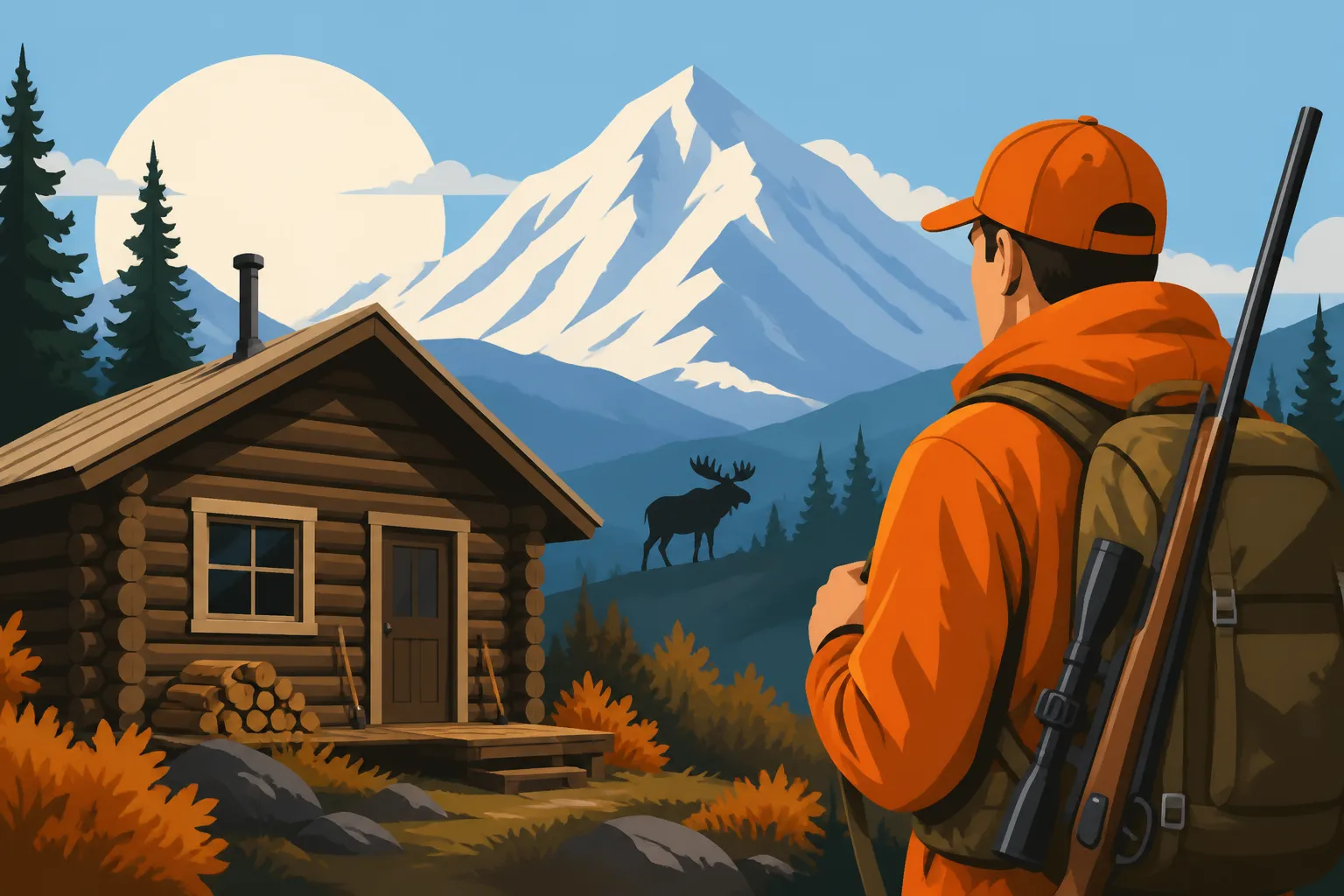
When you finally secure a reservation and make the journey, what exactly are you walking into? Picture a rustic, bare-bones structure designed for survival and basic comfort, not luxury. Most cabins will have bunks or sleeping platforms, a table, benches, and a wood-burning stove for heat. Sometimes there's an axe for splitting wood (though bringing your own might be wise) and a fire extinguisher. Don't count on running water, electricity, or even an outhouse in some of the most primitive locations – a shovel and good Leave No Trace ethics are paramount.
The beauty of these places lies in their simplicity and location. They provide a vital shelter from the notoriously unpredictable Alaskan weather, a dry place to skin an animal, and a secure spot to cache gear while you're out hunting. For those who dread setting up a tent in a driving rainstorm, or want a more substantial base for a multi-day operation, these cabins are invaluable. Just remember to pack accordingly, treating it much like a glorified tent camping trip where the shelter is already standing. For tips on what to pack for such conditions, consider checking out articles like Gear Lists Alaska Guides Send Before a Hunt.
Navigating the Reservation Systems and Availability
Getting a public use cabin in Alaska for your hunting trip can feel like winning the lottery, especially during prime seasons. The demand often far outweighs the supply, making advance planning and quick action absolutely critical. This isn't a spontaneous decision; it's a strategic move in your hunt planning.
The Booking Gauntlet: Websites and Windows
Most Forest Service and State Parks cabins are booked through a centralized online reservation system. These systems typically open booking windows months, sometimes even a year, in advance. For example, Forest Service Cabin Reservations for Alaska Hunts outlines some of the processes you'll encounter. For highly sought-after cabins, particularly those in popular hunting areas or near accessible points, dates can disappear within minutes of the booking window opening. It's a competitive game, and being prepared means having an account set up, knowing your desired dates, and being ready to click the moment reservations go live. Many hunters will try to book cabins for an entire week, even if they only plan to use it for part of that time, just to secure their spot.
The trick is knowing when those windows open and being online exactly at that moment. For example, some systems release availability on a rolling basis, meaning 6 months out to the day. If you want a specific cabin on September 15th, you'll need to be ready to book on March 15th. Others might release all cabins for an entire season on a single, predetermined date. Missing that window by even an hour can mean missing out on your preferred location. Flexibility with your dates, or having several backup cabin options, will significantly increase your chances.
Understanding Cabin Fees and Permitting
While these are "public" cabins, they aren't free. There are usually nightly fees, which can vary depending on the managing agency, location, and amenities (or lack thereof). These fees, though generally quite reasonable compared to private lodging, contribute to the upkeep and maintenance of the cabins, including stocking them with firewood (if applicable) and basic repairs.
Beyond the reservation fee, there aren't typically special permits required to use the cabin itself for hunting, as long as you have your valid Alaska hunting license and tags for the game you're pursuing in that unit. However, always double-check the specific regulations for the Game Management Unit (GMU) you're hunting in. Some areas might have specific access restrictions or reporting requirements for hunters. For example, if your hunt involves flying in, you'll also need to consider Fly-In Hunting: Working With an Alaska Transporter Pilot and their fees for transport to the cabin. Be sure to factor all these costs into your overall hunting budget.
Essential Considerations for Cabin Stays During a Hunt
Once you've secured a cabin, the real planning begins. A successful hunt from a public use cabin is about more than just bagging an animal; it's about preparedness, respect for the environment and other users, and self-sufficiency.
Packing Smart for a Cabin Hunt
Because these cabins are generally very basic, you're essentially bringing your entire camp with you, just without the tent. This means sleeping bags, cooking stove and fuel (even if there's a wood stove, you'll want a backup for boiling water or quick meals), pots, pans, utensils, water filtration, and plenty of food. Don't forget illumination like headlamps or lanterns, and certainly a first-aid kit. Firewood is often a big question mark; some cabins are stocked by volunteers or the managing agency, but it's never a guarantee. Packing a small hand saw or a lightweight axe, along with a fire starter, is always a wise choice.
Beyond the basics, think about specialized hunting gear. Are you planning on quartering a bull moose? You'll need knives, game bags, and perhaps a small tarp for keeping meat clean. For information on proper meat care, particularly in warmer weather, consult resources like Meat Care in 50-Degree September Weather. Consider if you'll need a place to hang meat if you're successful; some cabins have external meat poles or storage sheds, but many do not. Always have a plan for securing your meat away from bears and other scavengers.
| Cabin Type | Typical Location | Amenities (Common) | Booking Process (General) |
|---|---|---|---|
| Forest Service | Remote, often coastal or deep interior | Bunks, wood stove, table, benches | Online, competitive, rolling release or specific date |
| State Parks | Remote to semi-accessible, varied ecosystems | Bunks, wood stove, table, benches, sometimes outhouse | Online, competitive, rolling release or specific date |
| BLM / Other | Very remote, usually interior or roadless areas | Bunks, wood stove, extremely rustic, fewer amenities | Varies, often direct contact with local office, less formalized |
Cabin Etiquette and Maintenance
Using a public cabin comes with responsibilities. The unwritten rule is to leave it better than you found it. This means cleaning up all your trash, sweeping the floor, and sometimes even packing out accumulated refuse left by others. If you used the wood stove, split a new pile of kindling and smaller logs for the next users. If there's a guest book, sign it and share your experiences – it’s a wonderful tradition and often provides valuable information for future hunters.
Maintaining the cabin during your stay is also important. If you notice minor repairs needed, make a note and report it to the managing agency upon your return. Be mindful of wildlife; keep food secure inside the cabin, ideally in bear-resistant containers, to avoid attracting unwanted guests. Remember, these cabins are shared resources, and showing respect for them ensures they remain available for everyone to enjoy for years to come. Think of it as a community property, and you're a temporary caretaker.
Alternatives to Public Cabins When Planning Your Hunt
Despite the appeal, public use cabins aren't always a feasible option. They might be fully booked, too far from your chosen hunting grounds, or simply not available in the specific unit you plan to hunt. But don't despair! Alaska offers a myriad of other ways to shelter yourself during a hunt, each with its own advantages.
Tent Camping and Spike Camps
For many Alaska hunters, tent camping is the bread and butter of their remote trips. Modern tents and sleeping systems are incredibly robust and can withstand even the most challenging Alaskan weather. If you're going deep into the backcountry, a sturdy tent is often the only option. Setting up a spike camp allows you incredible flexibility to follow game, pack light, and remain mobile. You'll need to master the art of choosing a good campsite, anchoring your tent against strong winds, and managing condensation. For those looking to go ultralight, considerations like Two-Man Tent Weight for a Sheep Hunt become paramount.
This route demands a different level of self-sufficiency but offers unparalleled freedom. You can set up your tent exactly where the game is, rather than being limited by cabin locations. Just be sure to bring adequate protection from bears, whether that's an electric fence system or diligent food storage and bear spray, especially when processing game. Internal links like Camping Limits on Alaska State Land can help you understand general regulations, but specific unit rules should always be verified.
Guided Hunts or Drop Camps with Air Taxis
If the DIY cabin hunt feels too daunting or logistically impossible, consider services offered by registered guide-outfitters or air taxi services. A fully guided hunt will often include comfortable camp accommodations, which can range from large wall tents to semi-permanent structures, all set up and maintained for you. This removes much of the logistical burden and allows you to focus purely on the hunt. For details on how to select a guide, you might read Choosing a Guide for an Alaska Moose Hunt.
Alternatively, a drop camp via an air taxi is a popular option. Transporter pilots will fly you and your gear into a remote location, drop you off, and pick you up on a predetermined date. They typically won't provide camp gear, so you'll still need to bring your own tents and supplies, but they handle the complex and expensive bush flight. Many hunters find this a good middle ground, offering a remote experience without the extreme demands of navigating vast distances on foot or by boat to a public cabin. Just be sure to clarify exactly what the air taxi provides and what your responsibilities are. You'll need to understand things like Weight Limits on a Super Cub Drop to avoid unexpected fees.
Private Land Access or Permitted Lodges
While less common for the average DIY hunter, some private landowners or Native Corporations in Alaska offer access permits or have private lodges that cater to hunters. This can be a more expensive option but often provides comfortable lodging, amenities, and sometimes even exclusive access to prime hunting areas. It's a niche market, but for those seeking a more curated or comfortable experience, it's worth exploring. These options are typically found through specific outfitters or by directly contacting the land management entities.
Ultimately, the choice of lodging for your Alaska hunt depends on your budget, experience, target species, and desired level of comfort and independence. Whether it's a rustic public cabin, a cozy tent, or a fully supported lodge, each option offers a unique way to experience the incredible hunting opportunities Alaska has to offer. Just remember, thorough planning is your best friend in the Last Frontier.
Disclaimer
This article is for general informational purposes only and does not constitute professional advice. Laws, prices and regulations vary by location and change over time. Consult a qualified professional for guidance on your specific situation.