Backpack Hunting in Alaska: Gear Weight and Meat Loads
If you've ever dreamed of chasing big game across Alaska's wild landscapes, you've also probably wrestled with the daunting reality of logistics. The sheer scale, the lack of infrastructure, and the immense size of the animals mean one thing: heavy loads. Getting your gear in and your hard-earned meat out of the Alaskan backcountry presents a unique challenge that can quickly turn a dream hunt into a nightmare if you're not prepared. This guide is here to walk you through the realities, strategies, and essential considerations for managing gear weight and packing out heavy game in the Alaskan wilderness, helping you prepare for the toughest miles of your life.
The Unvarnished Truth About Backpack Hunting Loads in Alaska
Let's be real: Alaska isn't like hunting the lower 48. There's a reason seasoned Alaskans talk about "earning it" when it comes to game meat, and a huge part of that is the grueling pack out. The challenges here are magnified by an unforgiving environment that tests even the most prepared hunter. Forget gentle hiking trails; in Alaska, your "trail" is often a patchwork of dense alders, bottomless muskeg, treacherous river crossings, and endless, undulating tundra. This isn't just a walk in the park; it's an expedition every single time you step away from the road system or airstrip.
Why Alaskan Backpacking is a Different Beast
The first thing you have to understand is the sheer scale of the Alaskan landscape. We're talking millions of acres of wilderness, often without a single marked trail. You'll be navigating by GPS, contour lines, and pure grit, pushing through terrain that saps your energy with every step. Imagine trying to walk through a giant sponge filled with water – that's muskeg. Now imagine doing that for miles, uphill, with a heavy pack. Add to that the pervasive alders, thick willows, and spruce forests that create natural labyrinths, turning a half-mile walk into an hour-long bushwhack. River crossings can be bone-chillingly cold and deceptively powerful, requiring careful planning and sometimes even packrafts. This isn't just about covering distance; it's about conquering every single foot of ground.
Beyond the terrain, the weather here is famously fickle. A warm, sunny day can turn into a driving rain or snowstorm in a matter of hours, especially in late summer or early fall when many hunting seasons are open. This means your gear needs to be robust enough to handle anything Mother Nature throws at it, adding to the inherent weight. You can't skimp on rain gear or a solid shelter, because your survival literally depends on it. The cold, wet conditions make everything harder, from setting up camp to field dressing an animal, and dramatically increase the risk of hypothermia if you're not careful. It’s a constant battle against the elements, and your pack needs to reflect that preparedness.
Finally, consider the isolation. Cell service is practically non-existent in most prime hunting areas. If something goes wrong, you're often days, or even weeks, from help. This necessitates carrying extra layers, emergency communication devices, first-aid supplies, and enough food to cover potential weather delays or unforeseen circumstances. The margin for error is razor-thin, and your gear load reflects this need for self-sufficiency. You can't just call for an Uber if you twist an ankle 30 miles from the nearest road.
The Cumulative Burden: Gear In, Meat Out
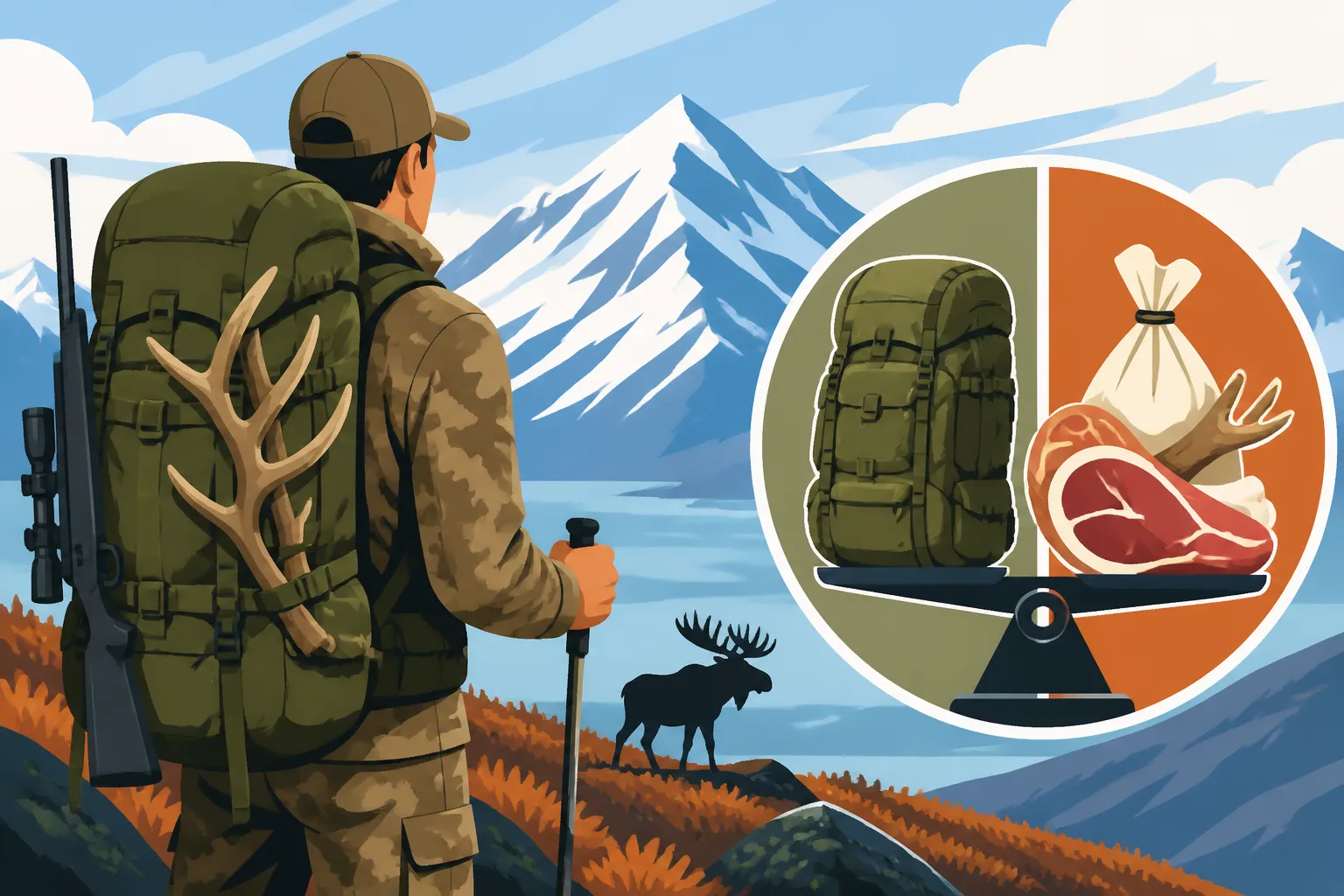
This is the crux of the Alaskan backpack hunting dilemma: you have to carry a significant amount of gear into the field, then potentially carry hundreds of pounds of meat out. Your initial pack, loaded with shelter, sleeping system, food, water, safety gear, optics, rifle, and clothing, is already going to be heavy. Even with meticulous planning, most hunters are looking at 50-70 pounds for a multi-day trip. Now, imagine you successfully harvest a bull moose. That's not just a trophy; it's 350-600+ pounds of boned-out meat, plus a hide and skull, that you are legally required to pack out.
This means your initial burden is often just the warm-up act. The real workout begins after the shot. You'll typically be making multiple trips from the kill site back to your base camp or pickup point. This often involves leaving meat cached in game bags, hopefully out of bear reach, and repeating those tough miles with progressively heavier loads. The physical toll is immense. Every step is deliberate, every muscle aches, and the cumulative fatigue can be overwhelming. It’s not uncommon for a pack out to take days, even for a seasoned hunter, turning a five-mile "easy" walk into an all-day, gut-busting ordeal when you’re carrying 100+ pounds of moose meat.
The mental game is just as challenging, if not more so. You're physically exhausted, often running on adrenaline and too little sleep, and the thought of another grueling trip with a colossal load can be incredibly demoralizing. It's in these moments that your resolve is truly tested. Hunters who underestimate this aspect often find themselves regretting their choices, or worse, making unsafe decisions due to fatigue. You need to prepare your mind as much as your body for this kind of sustained effort, recognizing that the pack out is an integral, and often the hardest, part of the hunt.
Regulatory Demands on Meat Salvage
Unlike some other states where you might have more flexibility, Alaska has very strict regulations about salvaging game meat. It’s not enough to just take the "choice" cuts or the trophy. The law requires you to salvage all edible meat, which means a significant portion of the animal, including ribs and neck meat for species like moose, must come out of the field. This isn't optional; it's a legal obligation designed to prevent wanton waste and ensure that animals taken contribute fully to sustenance.
This means that even if you're exhausted, cold, and facing a formidable pack out, you cannot legally leave substantial amounts of meat behind. This regulation adds a non-negotiable weight to your pack-out plan. You can't just bone out the backstraps and tenderloins and call it good; the ribs, the neck, and all other edible portions must be recovered. This often translates to multiple, heavy loads, especially for large animals like moose or caribou. It’s a commitment you make when you pull the trigger, and understanding the full scope of Packing Out Meat in Alaska: The Salvage Law Hunters Must Follow is critical before you even head into the field.
The implications of these salvage laws are profound for backpack hunters. It means that every ounce of an animal's usable meat contributes to your pack weight, demanding an even greater focus on efficient field butchering and a robust pack system. You can’t lighten your load by simply discarding meat you deem "less desirable." This legal requirement underpins the entire pack-out strategy and emphasizes why proper preparation and conditioning are paramount for any Alaskan big game hunter.
Strategies for Aggressive Gear Weight Reduction
When every ounce translates to pain on the trail, aggressive weight reduction isn't a luxury; it's a necessity. The goal is to maximize efficiency without compromising safety or essential comfort. It's a fine line to walk, but with careful consideration and smart choices, you can shave significant weight from your pack before you even consider the meat.
The "Needs Versus Wants" Gear Audit
Before every hunt, I go through a rigorous "needs versus wants" gear audit. Lay everything out. Seriously, everything. Now, pick up each item and ask yourself: Is this absolutely essential for survival, safety, or legal compliance? Can this item serve multiple purposes? For example, instead of a dedicated camp pillow, can you use your puffy jacket stuffed into a dry bag? Do you really need that heavy pair of camp shoes, or can you just stick with your hunting boots and warm socks? This mindset forces you to be brutally honest about what truly earns a spot in your pack.
Consider your cooking setup. Do you need a full pot and pan, or will a single titanium pot suffice for boiling water for dehydrated meals and coffee? Can you get by with a spork instead of a full utensil set? Think about packaging: can you remove excess cardboard or plastic from food items at home? Repackage bulk items into smaller, lighter Ziploc bags. Even things like toothbrushes can be cut down. These micro-reductions, when applied to dozens of items, add up to significant savings. And while GoHunt has excellent gear lists and discussions, remember that every hunter’s individual needs, tolerance for discomfort, and hunting style are unique. Use those lists as a starting point, but always customize them for your specific Alaskan adventure and personal risk assessment.
Another area ripe for reduction is personal hygiene and first aid. While you absolutely cannot skimp on critical medical supplies, evaluate whether you need a full tube of toothpaste or if a small travel size, or even tooth powder, will do. Are you bringing more soap than necessary? Do you have duplicate items? Think about how many days you'll actually be out there and pack consumables accordingly, adding a small buffer for delays. It’s about being pragmatic, not reckless. The goal is to remove every non-essential item that won't directly contribute to your safety, success, or the basic ability to function comfortably enough to perform.
Prioritizing the "Big Four" for Ultralight Savings
The "Big Four" in backpack hunting — your pack, shelter, sleep system, and cooking system — represent the largest potential for weight savings. These items are often the heaviest, and investing in lighter, higher-performance versions here will yield the most dramatic results in overall pack weight. This is where your dollars can truly make a difference in your back and knees.
First, your shelter. Tents designed for backpacking often use lightweight fabrics and intelligent pole architectures. A two-man tent, like those discussed in Two-Man Tent Weight for a Sheep Hunt, made from Dyneema Composite Fabric (DCF) or very thin sil-nylon, can be incredibly light yet robust enough for Alaskan winds and rain. Consider trekking pole tents, which use your hiking poles as support, eliminating dedicated tent poles and saving a pound or more. Ensure your tent is truly waterproof and offers good ventilation to combat condensation, a real issue in damp Alaskan environments.
Next, your sleep system. This includes your sleeping bag and sleeping pad. A high-fill-power down sleeping bag (800-950 fill) offers the best warmth-to-weight ratio. Just be sure to protect it from moisture with a quality dry bag. For a sleeping pad, insulated inflatable pads offer excellent R-value (insulation) for their weight, crucial for staying warm on cold Alaskan ground. Closed-cell foam pads are lighter but less comfortable and offer less insulation. Balancing comfort, warmth, and weight is key here; a good night's sleep is paramount for sustained effort.
Finally, your pack and cooking system. We'll delve deeper into packs soon, but choose one designed for the loads you expect. For cooking, consider minimalist stove systems that integrate the pot and burner for efficiency, or even an alcohol stove if conditions allow and you prioritize extreme weight savings. Freeze-dried meals are the standard for backpack hunters because they're calorie-dense and incredibly light, requiring only boiling water. Every component of these four categories should be scrutinized for weight, performance, and durability.
Modern Materials and Smart Choices
The outdoor gear industry has made incredible strides in recent decades, offering materials that are lighter, stronger, and more weather-resistant than ever before. Leveraging these advancements is crucial for aggressive weight reduction without sacrificing essential performance. For instance, Dyneema Composite Fabric (DCF), once reserved for niche ultralight gear, is now widely used in tents, backpacks, and dry bags. It’s incredibly strong, waterproof, and extremely lightweight, though it often comes with a higher price tag.
Beyond fabrics, consider other material choices. Titanium cookware is significantly lighter than aluminum or stainless steel. Carbon fiber trekking poles offer excellent strength-to-weight ratios compared to aluminum. Opt for insulated water bottles made from lightweight plastics rather than heavy stainless steel. Even your rifle can be a source of weight savings; many manufacturers now offer lightweight models with carbon fiber stocks and fluted barrels that significantly reduce the overall heft of your firearm without compromising accuracy. Don't forget Sighting In Before You Fly to a Remote Alaska Camp and ensure your lightweight setup holds zero.
Smart choices also extend to multi-use items. A sturdy knife isn't just for field dressing; it's a critical survival tool. Your headlamp provides light for camp tasks but also serves as an emergency signal. Trekking poles aren't just for stability on uneven terrain; they can be used to set up a trekking pole tent, help retrieve gear from a tricky spot, or even defend against an aggressive animal in a pinch. By thinking creatively about how each item can serve more than one purpose, you can eliminate redundancies and further lighten your load. It’s a constant process of optimization, driven by the unique demands of the Alaskan backcountry.
Building Your Optimal Pack System for Alaska's Demands
Your backpack isn't just a container for your gear; it's the foundation of your entire hunting system, especially when you factor in the inevitable meat loads. A well-chosen and properly fitted pack can literally make or break your hunt, transforming agony into manageable discomfort. In Alaska, you need a pack that's built for abuse, capable of comfortably hauling weights that would make most casual hikers cringe.
Frame Dynamics: Internal Versus External Frames
When it comes to backpacks for heavy hauling, the discussion often revolves around internal versus external frames. Both have their merits, and the "best" choice often depends on your specific hunting style and the type of loads you anticipate.
External frame packs have a rigid external frame, typically aluminum, to which the pack bag and suspension system are attached. Historically, these were the workhorses for hunters and mountaineers hauling massive, awkward loads. Their main advantage is superior load-carrying capacity and stability for very heavy, irregular items—like a boned-out moose quarter or a Dall sheep cape and horns strapped directly to the frame. The external frame creates a gap between your back and the pack, offering better ventilation, which is a blessing in physically demanding Alaskan conditions. Brands like Barney's Sports Chalet in Anchorage are famous for their robust external frame packs, specifically designed to handle colossal Alaskan meat loads. The drawback? They can be bulkier, less streamlined, and may snag more easily in thick brush, potentially hindering your mobility in dense alders or willows.
Internal frame packs integrate the frame (often aluminum stays or a plastic sheet) directly into the pack body. These packs generally offer a sleeker profile, better stability for technical terrain, and allow for greater freedom of movement, which can be advantageous when Spot-and-Stalk Dall Sheep Hunting Above Alaska Timberline. They hug your back more closely, distributing weight efficiently, but can lead to a sweaty back. While many modern internal frame packs are designed to carry significant weight (upwards of 80-100 pounds), they typically don't match the sheer heavy-hauling capability or ease of strapping oversized meat loads to the outside that external frames offer. However, their improved maneuverability can be a huge asset when navigating thick brush or steep sidehills.
Hybrid designs attempt to combine the best of both worlds. These packs often feature a robust internal frame with external lashing points, a load shelf, or an expandable design that allows the main pack bag to be detached, creating a large space between the bag and the frame for meat. This allows for the sleekness of an internal frame for daily hunting, with the capacity to transform into a heavy hauler when a kill is made. Brands like Kifaru, Mystery Ranch, and Stone Glacier are leaders in this segment, offering highly adjustable and durable systems that are popular among serious backpack hunters in Alaska. The choice ultimately comes down to a trade-off: maximum meat-hauling capacity versus overall mobility and comfort during the "hunt" phase. For dedicated meat packing, an external frame or a strong hybrid is often the superior choice.
The Crucial Role of Pack Fit and Adjustability
Even the most expensive, high-performance pack is useless if it doesn't fit you correctly. A poorly fitting pack, especially when loaded with 100+ pounds of meat, will create pressure points, shift erratically, and quickly lead to chafing, bruising, and agonizing discomfort. This isn't just about pain; it compromises your balance and endurance, making an already tough task nearly impossible. The hip belt, shoulder straps, and load lifters are the critical components that distribute the weight and need to be dialed in precisely.
The hip belt is your primary load-bearing component; it should sit directly on your iliac crest (the top of your hip bones) and carry 70-80% of the pack's weight. It needs to be snug, comfortable, and wrap fully around your hips without slipping or pinching. Many high-quality packs offer interchangeable hip belts of different sizes, allowing for a customized fit. The shoulder straps primarily stabilize the load and should be adjusted so the weight is transferred to your hips, not your shoulders. They should comfortably hug your shoulders without gaping or digging in.
Load lifters, small straps connecting the top of the pack to the shoulder straps, are absolutely essential for heavy loads. They pull the top of the pack closer to your body, preventing it from leaning back and creating leverage that can strain your shoulders and back. Properly adjusted, they should create about a 45-degree angle. Other adjustments include sternum straps, which prevent shoulder straps from spreading too wide, and various compression straps. The key is to try on your pack with realistic weight before your hunt. Don't just load it with pillows; put some dumbbells or bags of rice in there and walk around, adjusting everything until it feels right. A good specialty outdoors store or a knowledgeable friend can often help with this crucial fitting process.
Utilizing Compression Straps and Load Lifters Effectively
Compression straps and load lifters are not just decorative; they are vital tools for load management and stability, especially when you're dealing with the dynamic and often awkward shapes of game meat. Learning to use them effectively can drastically improve your comfort and reduce fatigue on those long, heavy pack-outs.
Compression straps are located around the sides, top, and sometimes bottom of the pack bag. Their primary purpose is to cinch down the load, pulling items closer to the pack frame and preventing them from shifting. A loose, floppy load will constantly pull and push against your body, throwing you off balance and wasting energy. When packing meat, use these straps to create a dense, compact block that minimizes movement. For example, after placing boned-out meat in dry bags inside your main pack or on a load shelf, tighten all compression straps until the load feels like a solid, integrated unit. This is particularly important for off-trail travel, where you might be scrambling over uneven ground or through thick brush.
Load lifters, as mentioned, pull the top of the pack closer to your body. When carrying heavy loads, gravity naturally wants to pull the top of the pack away from your shoulders, creating a feeling that the pack is "falling backward." This increases strain on your shoulders and back. By adjusting your load lifters, you transfer some of that weight from your shoulders to your hips, where your body is better equipped to carry it. They help maintain an upright posture and prevent hunching. Periodically adjust your load lifters throughout a long pack out as your body settles and the pack shifts. Sometimes loosening them slightly for a stretch, then re-tightening, can provide a momentary reprieve and improve circulation. Mastering the art of fine-tuning these straps is a skill that comes with practice, but it's an absolute game-changer for comfortable, efficient heavy hauling in the Alaskan wilderness.
Breaking Down Game: From Kill Site to Packable Quarters
The moment of truth arrives after a successful shot: now you need to transform a massive animal into manageable loads. This isn't just about butchering; it's about efficient processing under often challenging field conditions, ensuring meat quality, and preparing it for the toughest part of the hunt—the pack out.
Field Dressing Techniques for Alaskan Conditions
Speed and efficiency are paramount when field dressing game in Alaska. The weather can turn in an instant, and bears are never far away. While traditional gutting methods work, many backpack hunters, especially for large animals like moose or caribou, opt for the "gutless method." This technique involves skinning and quartering the animal without opening the body cavity, leaving the guts inside. It saves time, reduces mess, minimizes contamination of the meat, and keeps flies off the most vulnerable areas.
Here’s a simplified breakdown of the gutless method:
- Position the animal: Roll the animal onto its back if possible, or on one side, ensuring it’s stable.
- Skinning: Make an incision along the spine from neck to tail. Then make an incision around the neck and legs. Begin carefully skinning one side of the animal, pulling the hide back like a blanket.
- Remove quarters: Once the hide is pulled down past the leg joints, you can begin removing the quarters. Start with the hindquarters, detaching them at the hip joint. Then move to the front quarters, detaching them at the shoulder joint (there's no joint connection to the spine, just muscle).
- Harvest backstraps and tenderloins: With the quarters removed, the prized backstraps (along the spine) and tenderloins (inside the body cavity, accessed from the outside once quarters are removed) can be easily removed.
- Flip and repeat: Roll the carcass onto the skinned side and repeat the process for the other half of the animal.
This method is particularly effective for large game where moving the entire animal is impossible. It allows you to break down the animal in place, often without ever moving the guts, and quickly get meat into game bags. For species that require the head or cape for a trophy, careful skinning around those areas is still necessary. Having a sharp knife, a saw (for horn removal if needed), and a small sharpening stone or ceramic stick is crucial for this process.
The Indispensable Role of Quality Game Bags
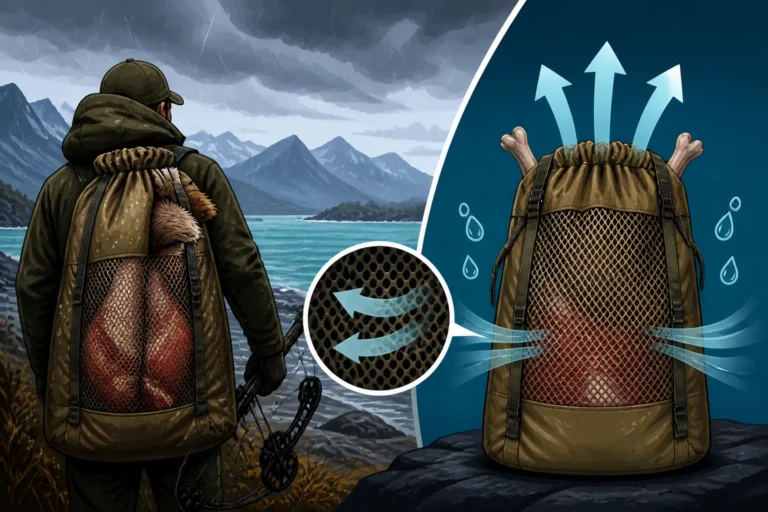
Once you've broken down an animal, your number one priority is protecting that meat. In Alaska, this means flies, dirt, and often bears are immediate threats. This is where quality game bags become absolutely indispensable. Forget those flimsy cotton sacks you might use for deer in the lower 48; they are largely inadequate for Alaskan conditions. You need durable, breathable, synthetic game bags designed to protect meat from insects and dirt while allowing it to cool properly.
Cheap cotton bags will often tear under the weight of large quarters, especially when wet, and they don't offer sufficient protection from flies. Look for game bags made from materials like a synthetic blend or a specialty material that is tightly woven yet breathable. Brands like Caribou Gear, KUIU, or Alaskan Game Bags are popular for a reason—they are designed for this exact purpose. They come in various sizes, from quarter bags for moose to smaller bags for backstraps and neck meat. Investing in a good set of game bags is non-negotiable for Alaskan hunting.
Proper use of game bags is also critical. Once you've removed a quarter, immediately place it into a game bag. Secure the opening tightly to prevent flies from entering. Hang the bagged meat if possible, especially off the ground and away from potential predators, to promote air circulation and cooling. Even in cool temperatures, meat can spoil quickly if it doesn't cool down. For practical advice on keeping your meat in prime condition, you might want to read Game Bags That Breathe in Coastal Rain. Remember, clean meat stored in breathable bags is your best defense against spoilage and wasted effort.
Efficient Quartering and Boning Out Strategies
The ultimate goal of field dressing for a pack out is to get the most edible meat into the most compact, manageable form. For backpack hunters tackling large game, this almost always means boning out the meat. While some hunters might prefer to pack bone-in quarters to save time in the field, boning out significantly reduces weight and bulk, making the pack out much more feasible.
Boning out involves carefully separating all muscle tissue from the bone. This eliminates the heavy, non-edible bone weight, which can easily be 50-100+ pounds for a large moose. It also allows you to pack meat more tightly and efficiently into your game bags and backpack. Start by removing the large muscle groups from the quarters, then strip the smaller pieces from around the joints and any remaining bones. Be meticulous; every edible morsel counts, not just legally but also for the sustenance you’re trying to bring home. For a detailed walkthrough, consider checking out Quartering a Bull Moose Alone in the Field.
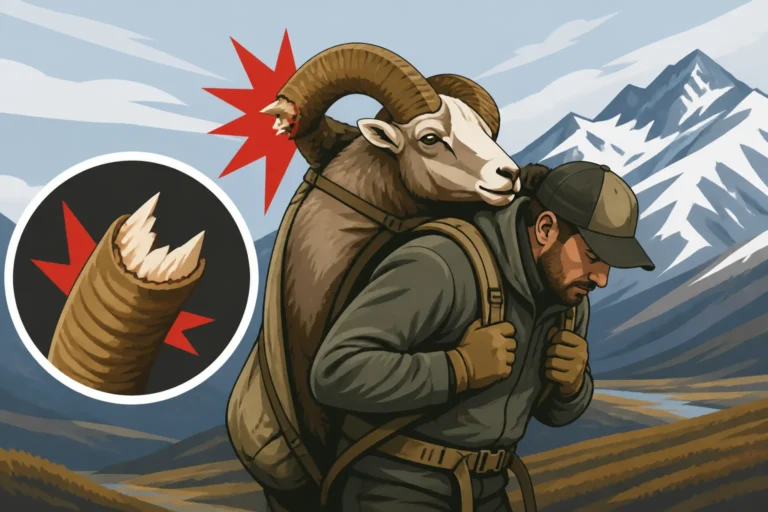
For trophy animals like Dall sheep or brown bear, you’ll need to make specific cuts to preserve the cape for taxidermy and to remove the skull. This often means leaving some bone in for a skull plate or keeping a larger portion of the hide. However, for most meat-only animals, boning out is the way to go. Collect all boned-out meat into separate game bags, keeping prime cuts (backstraps, tenderloins) separate from bulkier stew meat or trim. Properly organized and boned-out meat will allow you to maximize each pack load, potentially reducing the number of trips you need to make from the kill site. This efficiency directly translates to less fatigue and a safer, more successful pack out.
Conquering the Meat Load: Carrying Hundreds of Pounds of Sustenance
After the excitement of the harvest, the real work begins. Moving hundreds of pounds of meat, hide, and possibly a skull through challenging Alaskan terrain is where mental fortitude meets physical endurance. It’s a multi-stage operation that requires careful planning and execution.
The Logistics of Multiple Trips
Unless you’ve taken a small Sitka blacktail deer that you can quarter and carry out in one go, a successful Alaskan big game hunt almost always involves multiple trips. A full-grown bull moose, for instance, can yield 350-600+ pounds of boned-out meat. Even with two strong hunters, that's often 4-6 trips each carrying 80-100+ pounds. This isn't just physically exhausting; it’s a race against time, weather, and potentially bears.
The first trip is often the heaviest, carrying a full load of meat (usually the choicest cuts like backstraps and hindquarters) along with your essential gear to get back to camp. Subsequent trips involve hiking back to the kill site with an empty pack, retrieving more meat, and repeating the process. This yo-yoing can stretch over several days, depending on the distance, terrain, and size of the animal. This is why managing your time at the kill site, especially in declining light or bad weather, is so crucial. Getting the meat into game bags and hanging it, or at least getting it off the ground, is the immediate priority to begin the cooling process and deter scavengers.
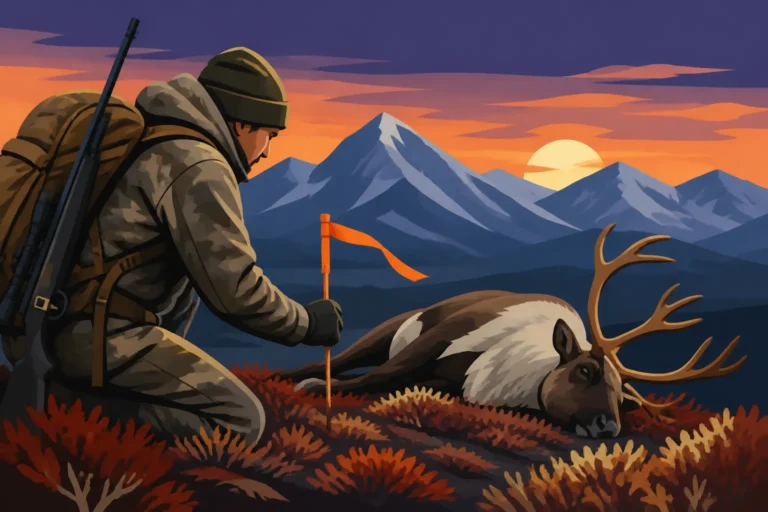
Planning your "meat cache" location is also vital. This is typically a spot where you secure the meat between trips. It should be relatively easy to find, elevated if possible (hanging from a strong tree limb is ideal), and ideally covered to protect from sun and rain. However, hanging hundreds of pounds of moose meat high enough to deter a grizzly is often an impossible feat. At a minimum, spread the meat out in shade, on logs or rocks to promote airflow, and cover it to deter flies and ravens. You'll also need to consider Hanging Meat in Warm September Weather if your hunt falls during warmer periods, as this greatly impacts meat preservation. Mark your cache with flagging tape and take a GPS waypoint, because everything looks different when you're exhausted and the light is fading.
The Art of Weight Distribution and Packing for Stability
Carrying a heavy load isn't just about strength; it's about smart packing. Proper weight distribution within your pack is critical for maintaining balance, reducing strain, and preventing injury, especially on uneven Alaskan terrain. The general rule for heavy loads is to place the densest, heaviest items (your meat) as close to your back and as high in the pack as possible, without making it top-heavy.
If you’re using an external frame pack or a hybrid with a load shelf, the meat can be lashed directly to the frame or shelf. This keeps the weight close to your spine and often allows for better ventilation. When using an internal frame pack, boned-out meat should be placed in durable dry bags or heavy-duty game bags, then carefully stacked inside the main compartment. Fill any empty spaces with lighter, softer gear (like clothing) to prevent the meat from shifting. A shifting load is a dangerous load, as it constantly throws you off balance and increases the likelihood of a fall.
Utilize all your pack’s compression straps to cinch down the load as tightly as possible, creating a solid, integrated unit. Imagine your pack as a block of concrete; it should feel dense and stable, not like a bag of shifting sand. Before you start walking, lift the pack onto your back, adjust your hip belt, shoulder straps, and load lifters until the weight feels centered and comfortable. Take a few steps, feel how it moves, and make any final adjustments. Remember, a well-packed load moves with you, not against you, which is paramount for navigating through dense brush, climbing over fallen trees, or crossing slippery muskeg with hundreds of pounds on your back.
Navigating Alaskan Terrain with a Heavy Burden
The terrain that seemed challenging on the way in will feel exponentially harder with a heavy load of meat. Every step becomes a deliberate act, every obstacle a monumental task. This is where your physical conditioning and careful planning truly pay off. River crossings, steep tundra, dense alders, and bottomless muskeg are transformed from nuisances into major hurdles.
When traversing uneven ground, maintain a low center of gravity and use trekking poles religiously. They are not just for balance; they provide extra points of contact and help distribute weight, reducing strain on your knees and ankles. Take small, deliberate steps. There's no prize for speed when you're packing out meat; consistency and safety are paramount. Pay close attention to your footing, as a twisted ankle with a heavy pack in remote Alaska is an emergency you absolutely want to avoid. Look for the path of least resistance, even if it adds a bit of distance. It's almost always better to walk around a particularly nasty patch of muskeg or a dense alder thicket than to try and force your way through it with a heavy pack.
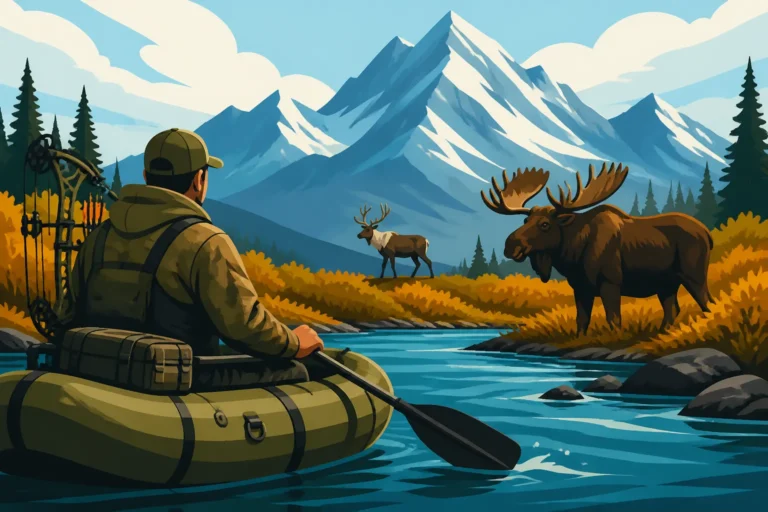
River crossings, already dangerous, become terrifying with a heavy load. If possible, lighten your pack by sending essential items across in a dry bag first, or use a rope for safety if you have a partner. Never cross a swift, deep river alone with a heavy pack. Consider using a packraft to ferry meat across larger bodies of water, if your hunt plan allows for it. The goal is to move deliberately, conserve energy, and prioritize safety above all else. This isn't just about getting the meat out; it's about getting yourself out safely, with the meat as a bonus.
Physical and Mental Conditioning for the Alaskan Grind
Many hunters focus solely on gear, but no amount of fancy equipment will compensate for a lack of physical and mental preparation. Alaska will test every fiber of your being, and the demands of carrying heavy loads require a specific kind of fitness.
Tailored Training for Heavy Hauls
Forget about just running on a treadmill; preparing for Alaskan pack-outs requires functional strength and endurance. Your training regimen should focus on building a strong core, powerful legs, and resilient shoulders and back—the primary muscle groups involved in hauling heavy weight over rugged terrain.
- Rucking: This is arguably the most specific and effective training for backpack hunting. Load a backpack with progressively heavier weights (start with 20-30 lbs and work up to 60-80 lbs, or even more if you're feeling ambitious) and hike varied terrain. Incorporate inclines, uneven ground, and stairs. The goal is to simulate the exact demands of carrying a heavy pack for miles.
- Compound Lifts: Exercises like squats, deadlifts, lunges, and overhead presses build full-body strength that translates directly to pack-out power. Focus on proper form to prevent injury.
- Core Strength: A strong core stabilizes your spine and prevents injury. Include planks, Russian twists, and medicine ball exercises.
- Cardio Endurance: While strength is critical, you also need the stamina to keep moving. Incorporate long hikes, trail running, or cycling to build your aerobic base. Interval training can also mimic the stop-and-go nature of a difficult pack out.
- Grip Strength: Often overlooked, but vital for holding trekking poles, climbing over obstacles, and generally managing your gear. Incorporate farmer's carries or hangs.
Start your training months, if not a year, before your hunt. Consistency is key. Gradually increase weight, distance, and intensity, listening to your body to avoid injury. Remember, you're not training to be a bodybuilder; you're training to be a resilient, efficient wilderness athlete.
The Importance of Nutrition and Hydration in the Field
Proper nutrition and hydration are not just about comfort; they are critical for sustained performance and recovery during a demanding Alaskan hunt. Your body is a machine, and it needs high-octane fuel to keep moving, especially when burning thousands of calories a day.
Nutrition: Focus on calorie-dense, lightweight foods that provide sustained energy. Freeze-dried meals are excellent for dinner, offering a quick, warm, and satisfying meal with minimal fuss. For breakfast, instant oatmeal with added nuts and dried fruit works well. Throughout the day, snack frequently on items like trail mix, energy bars, jerky, summer sausage, hard cheeses, and dehydrated fruit. These provide quick energy boosts and essential fats and proteins. Don't underestimate the power of comfort foods; a small candy bar or a package of hot chocolate can provide a huge morale boost when you’re cold and tired. Pack more food than you think you'll need to account for unexpected delays or extra days spent packing out meat.
Hydration: Dehydration severely impacts physical performance and cognitive function. Carry a reliable water filter or purification tablets/drops and hydrate consistently throughout the day. Even in cold weather, you're losing fluids through exertion. Electrolyte supplements can be beneficial, especially on long, sweaty pack-outs, to replenish essential salts lost through perspiration. Plan your water sources in advance, especially in alpine or dry tundra environments. Don't wait until you're thirsty; sip water regularly. It's much easier to stay hydrated than to try and catch up once you're already behind.
Cultivating Mental Toughness and Realistic Expectations
Perhaps more than any other place, Alaska demands mental toughness from its hunters. The physical grind of packing out meat is only half the battle; the other half is convincing your mind to keep going when every muscle screams for a halt. Realistic expectations are your first line of defense against mental fatigue. Understand that it will be hard. It will hurt. You will be tired, cold, and possibly wet. Acknowledging this reality upfront prepares you to face it head-on.
Cultivate a "one foot in front of the other" mentality. When facing a seemingly endless pack out, break the journey down into tiny, manageable segments. Focus on getting to the next ridge, the next clump of trees, or even just the next 50 steps. Don't think about the miles remaining; think about the task immediately at hand. Visualization can also be a powerful tool: mentally rehearse the pack out before you even leave home. Imagine yourself overcoming the obstacles, pushing through the pain, and ultimately reaching your goal.
Finally, remember your "why." Why are you out here? Why did you commit to this hunt? Whether it's the challenge, the meat, the adventure, or the connection to the wild, tap into that motivation when things get tough. The satisfaction of earning your meat, knowing you overcame the incredible demands of the Alaskan wilderness, is a profound reward that fuels many of us to return year after year. GoHunt, with its strong community focus, often highlights the mental game and the shared experiences of hunters pushing their limits, reminding us that we're all in this together. Embrace the struggle, and you'll find a deeper resilience within yourself.
Safety and Contingency Planning for Alaskan Meat Retrieves
Successfully harvesting an animal in remote Alaska is just the first victory; safely retrieving the meat and getting out of the field is the ultimate triumph. This phase introduces its own unique set of risks, particularly when operating in bear country and facing the unpredictability of the wilderness.
Bear Awareness and Protection at the Kill Site
You're in Alaska, which means you're in bear country, and a fresh kill site is an irresistible magnet for grizzlies and black bears. Your safety protocols at a kill site need to be immediate and unwavering. First, always assume bears are in the vicinity, even if you haven't seen any. Make noise while working, talk loudly, and periodically scan your surroundings. Two sets of eyes are always better than one, so if possible, work with a partner. For detailed guidance, consult Bear Safety While Butchering a Kill in Alaska.
Every hunter should carry bear spray, readily accessible on a hip belt or chest holster, not buried in your pack. A large caliber sidearm, like a .44 Magnum or 10mm Auto, can provide an additional layer of defense for those comfortable with its use, but it's not a substitute for bear spray, which is often more effective at deterring an approaching bear. When leaving meat cached between trips, do everything you can to deter bears. This might include spreading a small amount of human scent around the cache, hanging scent deterrents (though their effectiveness is debated), and using a portable electric bear fence, especially around base camp if you’re leaving meat for an extended period. Bear Fence Setup at a Meat Cache can provide valuable insights into this defensive strategy.
If a bear approaches while you're working, react calmly but assertively. Make yourself look large, make noise, and slowly back away, keeping an eye on the bear. If the bear shows aggression or tries to claim the kill, you might need to use deterrents. Remember, your life is worth more than the meat. Having a plan for who does what if a bear approaches (one person keeps watch, the other focuses on meat) can save critical seconds in a stressful situation.
Communication and Emergency Protocols
In Alaska’s vast wilderness, cell service is practically non-existent. Reliable emergency communication is not optional; it’s a non-negotiable safety net. Every hunter, especially solo hunters or those venturing far off the road system, should carry a satellite communication device. Devices like a Garmin inReach or Zoleo offer two-way text messaging, GPS tracking, and an SOS button that connects you directly to emergency services.
Before you leave, establish a check-in plan with a reliable contact person back home. Let them know your route, expected return date, and when you plan to check in. For instance, you might commit to checking in daily at 6 PM. If you miss a check-in, your contact knows to initiate your emergency protocol. For specifics on how to set this up, refer to InReach Check-In Schedules for Solo Hunts. Always download offline maps to your phone or GPS device before your trip, as relying solely on cell service is a recipe for disaster. Knowing Alpine Navigation Without Cell Service is a critical skill for any Alaskan hunter.
Beyond communication, have a detailed emergency plan for various scenarios: injury, severe weather delays, lost gear, or a major medical event. Who is the designated first aid responder? Where is the first aid kit stored? What are the steps for initiating an SOS call? What are your options for self-extraction versus waiting for rescue? Discuss these contingencies thoroughly with your hunting partners. Having a well-rehearsed plan can mean the difference between a successful rescue and a tragic outcome.
Contingency for Unexpected Delays
Alaska is synonymous with the unexpected. Weather can ground bush planes for days, rivers can become impassable, or a mechanical issue with a vehicle can leave you stranded. Building extra days into your trip schedule is not just wise; it’s essential. Always pack at least 2-3 extra days' worth of food, fuel, and critical medications beyond your planned hunt duration. This buffer can prevent panic and allow you to weather unexpected delays without compromising your health or safety.
Your shelter and sleep system should be robust enough to handle these extended stays. Don’t skimp on a durable tent or a warm sleeping bag just to save a few ounces. Remember that your "dry" clothes might become wet, so having an extra pair of wool socks or a spare base layer can be a huge comfort and safeguard against hypothermia. Even if you're planning a Float Hunting Alaska Rivers for Moose and Caribou trip, high water or strong winds can delay your progress or prevent a planned pickup.
A crucial part of your contingency plan should involve your air taxi or outfitter, if you're using one. Discuss their protocols for weather delays and missed pickups. Who pays for extra days? What is their communication system? Understand that they are also at the mercy of the weather, and patience is often required. Being prepared for delays means being self-sufficient for a longer period, minimizing your reliance on external help, and maintaining a positive attitude even when circumstances are frustrating. The Alaskan wilderness operates on its own schedule, and successful hunters learn to adapt.
Important Considerations for Wilderness Hunting
Hunting in Alaska involves inherent risks and demands a high level of preparedness and personal responsibility. The information provided in this guide is for informational purposes only and should not replace proper training, thorough research, or adherence to all state and federal hunting regulations. Always consult the most current Alaska Department of Fish and Game regulations, ensure you have all necessary licenses and tags, and prioritize safety above all else. Wilderness conditions can change rapidly, and hunters must be equipped to handle emergencies, animal encounters, and environmental challenges.