Wrangell-St. Elias Preserve Versus Park Lands
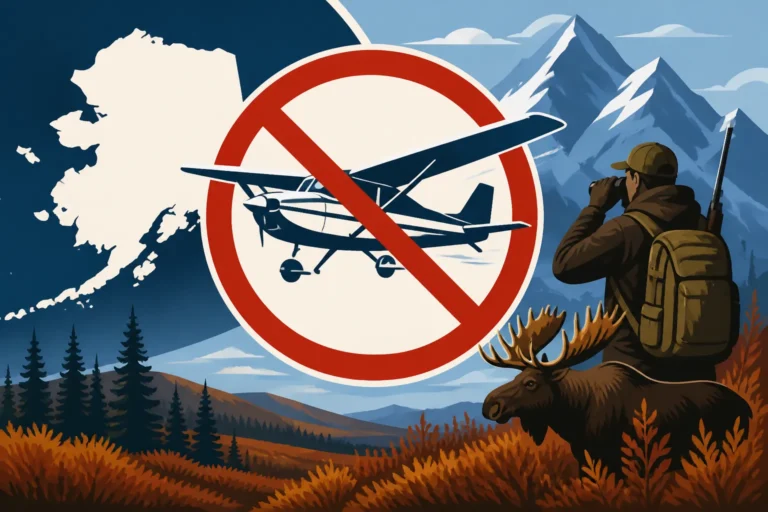
One of the biggest hurdles many hunters face when looking at maps of Alaska, particularly the vast wilderness managed by the National Park Service, is understanding where you can actually hunt. The distinction between a National Park and a National Preserve is often a source of real confusion and frustration, especially when you're dreaming of a hunt in an immense, iconic area like Wrangell-St. Elias. This guide will clarify the critical differences, focusing on Wrangell-St. Elias National Park and Preserve, to help you understand precisely where and how you can pursue game in this incredible landscape.
Understanding the National Park System in Alaska
Alaska is home to some of the largest and most remote units within the National Park System, encompassing millions of acres. Unlike the Lower 48, where national parks are often smaller and more easily accessible, Alaska's parks and preserves are truly on a grand scale, presenting both immense opportunity and significant regulatory challenges for hunters.
National Parks: The "No Hunting" Rule
At its core, a National Park is established to preserve natural and cultural resources for future generations, offering opportunities for recreation, education, and inspiration. Think of iconic places like Denali National Park or Glacier Bay National Park. The primary mandate here is preservation, which almost universally means that consumptive activities like hunting are prohibited.
When you look at the regulations for areas designated purely as National Parks, you'll find that firearms are often restricted to non-hunting purposes, such as bear protection, and must comply with specific rules. Activities typically allowed include wildlife viewing, hiking, camping, and photography. For a hunter scouting an area, seeing "National Park" on a map usually means moving on to the next potential hunting ground. This can be disappointing, especially when the terrain looks prime, but it's a fundamental part of the park system's design to protect wildlife for non-extractive uses.
National Preserves: Where Hunting is Permitted
National Preserves, on the other hand, are a uniquely Alaskan (and sometimes American Southwest) designation within the National Park System. They are established to protect certain resources and provide for public recreation, but they also explicitly permit traditional activities like sport hunting, trapping, and sometimes even subsistence uses, where consistent with the preserve's founding legislation. This dual mandate of preservation and managed resource extraction is what makes preserves so special and critical for hunters in Alaska.
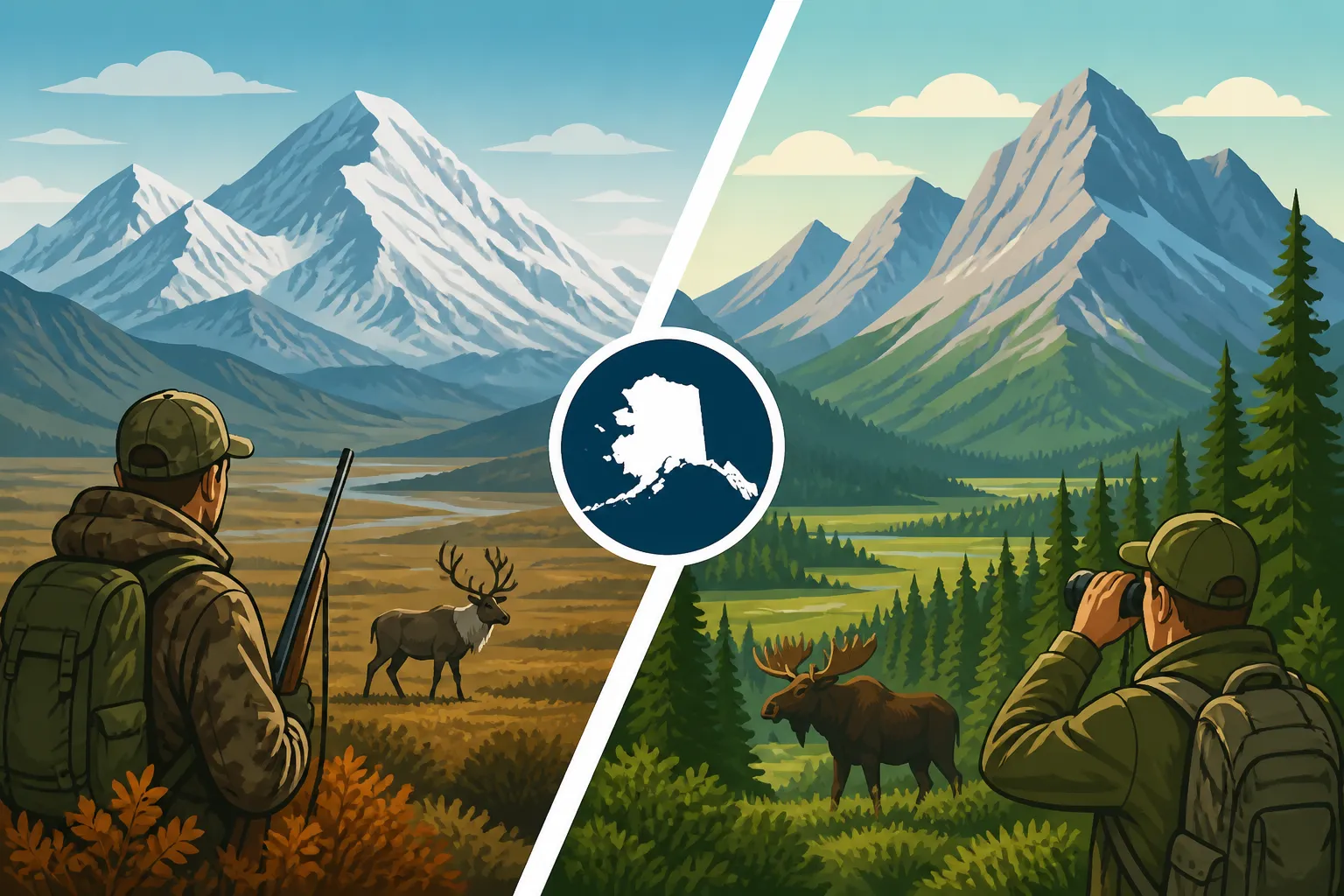
The key difference lies in the legislative intent: while both parks and preserves conserve natural landscapes, preserves acknowledge and accommodate human activities that have historically taken place there. For example, while you can't hunt in the main body of Denali National Park, adjacent Denali National Preserve offers incredible opportunities for moose, caribou, and Dall sheep. This distinction is vital for anyone planning an Alaska hunt, as it opens up vast tracts of wild country that would otherwise be off-limits. Understanding this nuance is the first step to unlocking some of Alaska's most incredible hunting experiences.
Wrangell-St. Elias National Park and Preserve: A Giant Among Giants
Wrangell-St. Elias National Park and Preserve is simply enormous. It's the largest unit in the entire National Park System, covering an area the size of Yellowstone, Yosemite, and Switzerland combined. This vastness means incredible opportunities, but also necessitates careful planning and a deep understanding of its unique geography and regulations.
Overview of the Landscape and Scale
Imagine a landscape where four major mountain ranges converge: the Wrangells, the Chugach, the St. Elias, and a portion of the eastern Alaska Range. This intersection creates a rugged, vertical world of immense glaciers, towering peaks (including Mount St. Elias, one of North America's highest), and deep, braided river valleys. From sea level to 18,000 feet, the elevation changes dramatically, creating an incredible diversity of ecosystems. You'll find coastal rainforest on its southern edge, vast interior boreal forests, treeless alpine tundra, and permanent icefields. It's a land of extremes, testing even the most seasoned outdoors enthusiast.
The sheer scale means that hunting here isn't a weekend trip to a local state park. It often involves multi-day expeditions into truly wild, remote country, where self-sufficiency is not just a virtue but an absolute necessity. The weather can be unforgiving, changing rapidly from sun to driving rain or snow, even in late summer. This immense, untouched wilderness is both its greatest appeal and its most significant challenge.
Geographic Breakdown: Park vs. Preserve Boundaries
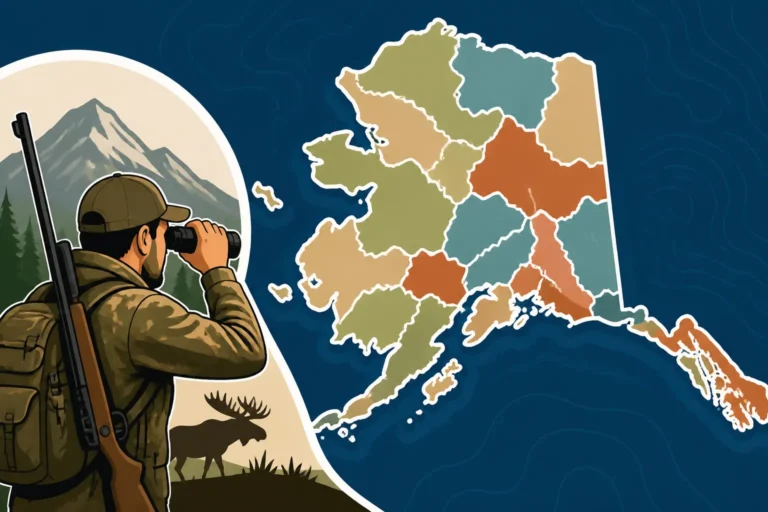
Within Wrangell-St. Elias, the boundaries between National Park and National Preserve lands are complex and not always intuitive on a general map. The total area is approximately 13.2 million acres, with roughly 8.3 million acres designated as National Park and 4.9 million acres as National Preserve. Generally, the core, most pristine mountain and glacier areas are within the National Park designation, while the surrounding lands, often lower in elevation and providing more accessible hunting grounds, are within the National Preserve.
However, these lines on a map can be squiggly, following ridgelines, river drainages, or arbitrary survey lines. It's absolutely crucial for hunters to know precisely which side of the line they are on. Misidentifying your location could lead to severe penalties for hunting in a prohibited area. This is where tools like onX Hunt become invaluable. These mapping applications allow you to layer land ownership and designation data directly onto your GPS device, showing you in real-time whether you're in park or preserve land. Before you ever set foot on the ground, spend hours poring over these maps, identifying your intended hunting area, and understanding its specific designation. The consequences of guessing wrong are simply not worth the risk. Many of the most accessible parts of the preserve, like those along the Nabesna Road or McCarthy Road corridors, are popular due to their relative ease of access, but even here, you need to be constantly aware of the legal boundaries.
Hunting Opportunities in Wrangell-St. Elias National Preserve
The preserve portion of Wrangell-St. Elias offers some truly world-class hunting experiences, attracting intrepid hunters looking for a deeply immersive wilderness adventure. The diversity of habitats supports a robust population of several big game species, making it a dream destination for many.
What Game Animals Can You Hunt?
Wrangell-St. Elias National Preserve boasts an impressive array of Alaska's iconic big game animals. For those pursuing a classic mountain hunt, Dall sheep can be found in the rugged alpine terrain of the Wrangell and Chugach mountains. These hunts are notoriously demanding, often requiring significant physical stamina and patience. Moose thrive in the willow-choked river bottoms and boreal forests, particularly in the northern reaches and drainages of the Copper River. Caribou, while migratory and less predictable, often pass through or inhabit parts of the preserve, especially the Fortymile and Nelchina herds during certain times of year, though their movements can vary dramatically.
The preserve is also home to both brown (grizzly) bears and black bears. Coastal brown bears, typically larger due to salmon access, are found closer to the Gulf of Alaska, while interior grizzlies inhabit the higher elevations and interior valleys. Black bears are more widespread, often found in forested areas. Mountain goats inhabit the steepest, most precipitous cliffs, primarily in the Chugach and St. Elias ranges. Beyond big game, hunters might also find opportunities for small game such as ptarmigan, and furbearers like wolves and wolverine, if those seasons are open and conditions align. Each species presents its own unique challenges and requires specific strategies, making the preserve a versatile hunting destination.
General Season Hunts vs. Drawing Permits
Hunting in Wrangell-St. Elias National Preserve generally falls into two categories: general season hunts and drawing permit hunts. Many species, particularly moose, black bear, and caribou, are available through general season hunts under specific bag limits and dates set by the Alaska Department of Fish and Game. These hunts typically require purchasing the appropriate tags and licenses, and adherence to all regulations for the specific Game Management Unit (GMU) you are in. It's crucial to consult the annual Alaska hunting regulations booklet well in advance, as season dates, bag limits, and legal requirements can change year to year.
For highly sought-after species like Dall sheep, brown bear, and mountain goat, hunting often involves a drawing permit system. These permits are limited in number and allocated through a lottery process, making them much harder to acquire. Applying for these hunts requires planning, as the application period has a strict deadline, typically Alaska's November 1 to December 15 Draw Application Window each year for the following season. Researching the draw odds and unit-specific requirements is key, as some units within Wrangell-St. Elias might have better odds or different rules. Successful applicants then have the privilege of hunting these magnificent animals under very specific conditions. For nonresident hunters, specific rules apply, including the requirement for a guide for certain species like brown bear, Dall sheep, and mountain goat.
Accessing the Preserve for Hunting
The sheer size and remoteness of Wrangell-St. Elias mean that access is a significant logistical challenge. Unlike road-system hunting areas, much of the preserve is truly wild, far from any paved road. The primary method for deep wilderness access is often via air taxi. Hunters fly into remote airstrips, gravel bars along rivers, or even glacier landings, setting up spike camps for the duration of their hunt. Working with an experienced Fly-In Hunting: Working With an Alaska Transporter Pilot is essential for safe and reliable transportation. They understand the terrain, weather patterns, and legal landing spots. Remember, bush planes have strict weight limits, so careful gear planning and packing are critical.
Other access methods include float hunting, using rafts or canoes to navigate the preserve's numerous rivers and access productive river bottoms for moose or bears. This requires careful consideration of water levels and river conditions. Hunters might also utilize ATVs on designated trails where permitted, often along corridors like the Nabesna Road, but regulations regarding motorized access are very strict within the preserve and must be thoroughly understood. Snowmachines are also used for winter hunts when snow conditions allow. For anyone planning such a remote venture, resources like GoHunt offer detailed unit information, harvest statistics, and aerial imagery that can be critical for planning your access points and hunting routes. Regardless of your chosen method, expect rugged conditions and rely heavily on your navigation skills.
Navigating the Regulations and Challenges
Hunting in Wrangell-St. Elias National Preserve isn't just about finding game; it's about navigating a complex web of regulations and preparing for the inherent challenges of one of North America's wildest places. A single oversight in planning or compliance can ruin an otherwise incredible adventure.
State and Federal Regulations Interplay
One of the most complex aspects of hunting in a National Preserve in Alaska is the interplay between state and federal regulations. The Alaska Department of Fish and Game (ADF&G) sets the seasons, bag limits, and hunter education requirements for all game species across the state, including within federal lands. However, the National Park Service (NPS), which manages Wrangell-St. Elias, can layer its own set of rules on top of the state regulations. These federal rules often pertain to access methods, camping locations, firearm discharge zones, and other land-use specifics.
For instance, while the state may have an open season for moose in a particular GMU that covers part of the preserve, the NPS might have restrictions on where you can land an aircraft, or specific rules about caching food and gear to prevent bear encounters. It's not enough to just read the ADF&G regulations; you must also consult the specific regulations for Wrangell-St. Elias National Park and Preserve, typically available on the NPS website or at park visitor centers. Failing to understand both sets of rules can lead to citations, fines, or even confiscation of your harvest. Many hunters find it helpful to print out copies of both state and federal regulations to carry with them in the field.
Specific Restrictions and Controlled Use Areas
Within Wrangell-St. Elias National Preserve, there are often specific restrictions and designated controlled use areas (CUAs) that can significantly impact a hunt. For example, the Alaska's Same-Day-Airborne Rule and What It Bans is a state regulation that applies across Alaska, including federal lands, prohibiting hunting on the same day you've been airborne. This is a crucial safety and fair chase rule that all fly-in hunters must understand. Beyond that, the preserve itself might have specific prohibitions on motorized vehicles in certain drainages, or restrictions on where you can establish a camp.
Some areas might have special provisions for subsistence hunters, or temporary closures due to wildlife management concerns. Hunters need to be particularly diligent about checking emergency orders issued by ADF&G, as these can close seasons early, change bag limits, or alter hunt conditions without much warning, especially for caribou or registration hunts that operate on a quota. Understanding how these CUAs and specific restrictions apply to your chosen hunting location within the preserve is paramount for a legal and ethical hunt. This kind of detailed information is often found in the small print of the regulations or on the specific unit pages of the ADF&G website.
Logistics and Self-Reliance in Remote Terrain
The logistics of hunting in Wrangell-St. Elias are a beast unto themselves. This is not a place for the faint of heart or the unprepared. Your trip will likely involve flying into a remote location, meaning every piece of gear, every meal, and every emergency item must be flown in with you. Weight is a critical factor, as bush planes have strict limits. Hunters must master Backpack Hunting in Alaska: Gear Weight and Meat Loads, focusing on lightweight, durable, and versatile equipment. Food planning for multiple days, often weeks, in the backcountry without resupply is a major undertaking.
Beyond gear, self-reliance is the name of the game. There is no cell service in most of the preserve, and help can be days away, even with satellite communication devices. You need to be competent in first aid, navigation without electronic aids (though a GPS is invaluable), campcraft in adverse weather, and bear safety protocols, including Bear Safety While Butchering a Kill in Alaska. Developing a robust check-in plan with a trusted contact is crucial, and carrying redundant Signal Devices and Check-In Plans for Solo Alaska Hunts is not just smart, it's essential for your safety and peace of mind. The immense scale of the landscape and the unpredictable Alaska weather demand a high level of preparedness and mental fortitude.
Planning Your Wrangell-St. Elias Hunt
A successful hunt in Wrangell-St. Elias National Preserve doesn't happen by chance. It's the culmination of meticulous research, physical preparation, and careful logistical planning, sometimes years in advance.
Researching Units and Seasons
The first step in planning any hunt in Wrangell-St. Elias is extensive research into the specific Game Management Units (GMUs) that encompass the preserve. You need to understand which species are present, their population densities, recent harvest success rates, and the specific season dates and bag limits for each GMU and subunit. The Alaska Department of Fish and Game's annual regulation booklets are your bible, detailing everything from species-specific rules to access restrictions. Don't just skim it; read it cover to cover, paying special attention to any notes specific to federal lands.
Utilize online mapping tools like onX Hunt to visualize GMU boundaries, land status (identifying preserve vs. park lands explicitly), terrain features, and potential access points. Cross-reference this with historical weather data, satellite imagery to identify habitat features like old burns or willow flats, and any available harvest reports. For specific insights into hunt strategies and success metrics, platforms like GoHunt can provide invaluable data, helping you narrow down your focus to areas with the highest potential for the species you're targeting. This thorough desktop scouting will save you countless hours and potential headaches in the field.
Working with Air Taxis and Transporters
For most hunters venturing deep into Wrangell-St. Elias, an air taxi service is indispensable. These licensed transporters provide the vital link from the road system to your remote hunting grounds. Begin researching and contacting air taxi operators well in advance, often a year or more out, especially for peak season hunts. Discuss their experience in the specific areas of the preserve you're considering, their aircraft capabilities (e.g., wheel plane vs. float plane), and their safety record. Transparency is key; clearly communicate your hunting goals, party size, and estimated gear weight.
Understand their pricing structure, including hourly rates, potential "deadhead" time (flights without passengers), and any extra charges for oversized loads or multiple trips for meat retrieval. A reputable air taxi will help you set realistic expectations for weather delays and logistics, as well as guide you on packing efficiently to meet weight limits. Many offer drop camp services, providing basic camp gear like tents and stoves, which can reduce your personal gear load. Ensure you have a clear communication plan and check-in schedule established with your pilot once you're in the field, as outlined in Radio or Satellite Check-Ins With a Pilot, especially given the unpredictable Alaska weather.
Physical Preparation and Mental Fortitude
A hunt in Wrangell-St. Elias is a true physical and mental test. The terrain is often steep, uneven, and unforgiving, characterized by tussocks, thick brush, loose shale, and deep river crossings. Carrying a heavy pack, especially if you're successful and need to pack out meat, demands peak physical condition. Incorporate rigorous cardiovascular training, strength training (focusing on legs and core), and plenty of hiking with a weighted pack into your preparation. Many hunters dedicate months, or even a year, to getting in shape for an Alaska hunt.
Beyond the physical, the mental aspect is equally critical. You will face challenging weather, likely deal with mosquitoes, potentially experience days without seeing game, and confront the inherent solitude and vastness of the wilderness. Having the mental fortitude to push through discomfort, adapt to changing plans, and maintain a positive attitude is paramount. Practicing self-reliance skills, honing your navigation, and maintaining a healthy respect for the power of the Alaska wilderness will serve you well. A hunt here is more than just bagging an animal; it's an profound experience that will test your limits and leave an indelible mark.
| Feature | National Park | National Preserve |
|---|---|---|
| Primary Purpose | Preservation of natural & cultural resources | Preservation and compatible resource use |
| Hunting | Generally prohibited | Generally permitted (with regulations) |
| Trapping | Generally prohibited | Generally permitted (with regulations) |
| Mining | Prohibited | Historically permitted, regulated |
| Recreation | Hiking, camping, wildlife viewing, photography | Same as parks, plus hunting, trapping, fishing |
| Access | Often more restricted | May allow more varied access (ATV, snowmachine) |
| Example in AK | Denali National Park, Glacier Bay National Park | Wrangell-St. Elias National Preserve, Katmai Preserve |
Disclaimer
This article is for general informational purposes only and does not constitute professional advice. Laws, prices and regulations vary by location and change over time. Consult a qualified professional for guidance on your specific situation.