Chugach National Forest Goat and Bear Areas
The vastness of Alaska can be intimidating, especially when you're dreaming of a hunt in a place as wild as the Chugach National Forest. Many hunters find themselves overwhelmed by the sheer scale and the rugged, often unforgiving terrain, wondering where to even begin looking for trophy goats or bears, or how to navigate the complex access requirements. This guide is here to break down the prime goat and bear hunting areas within the Chugach, offering a clear roadmap for planning your adventure and understanding what it truly takes to hunt this iconic Alaskan landscape.
Understanding the Chugach National Forest Landscape
The Chugach National Forest, encompassing nearly 7 million acres, is the second-largest national forest in the United States and truly defines a significant portion of Southcentral Alaska. Its sheer size means a huge diversity of terrain, from the rugged, glaciated peaks of the Chugach Mountains down to the temperate rainforests and countless fjords of Prince William Sound. This isn't your typical timberland; it's a vast expanse of towering peaks, dense coastal forests, and a maze of waterways, all contributing to its incredible, yet challenging, hunting opportunities.
The climate here varies dramatically from the interior sections, which can experience more continental weather, to the coastal areas that are constantly drenched in rain and fog. You'll find everything from alpine tundra above the tree line, which might only be 1,500-2,000 feet in some areas, to dense alder thickets and old-growth spruce-hemlock forests at lower elevations. Understanding these microclimates and how they influence game movement is paramount. For instance, a clear, crisp day just a few miles inland might be completely socked in with a persistent drizzle along the coast.
Location and Geographic Features
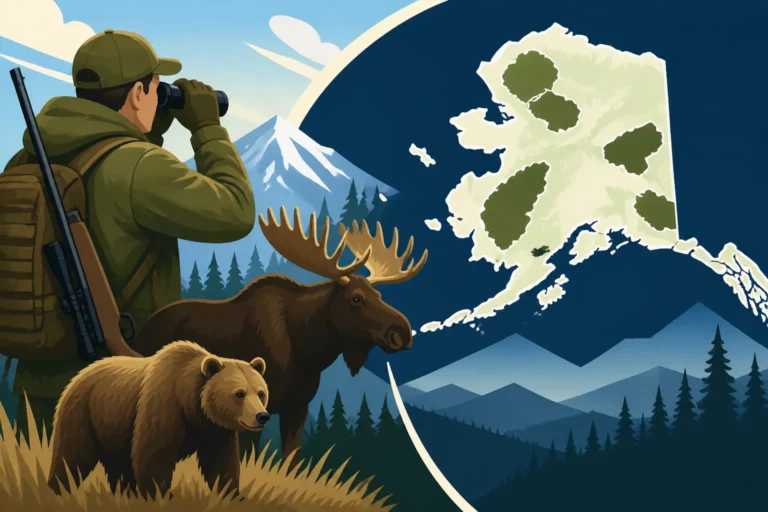
The Chugach National Forest stretches from the Kenai Peninsula across Prince William Sound and into the Copper River Delta. This means its boundaries are incredibly diverse, bordering Anchorage to the west, the Gulf of Alaska to the south, and Wrangell-St. Elias National Park to the east. This immense reach includes major mountain ranges like the Chugach and Kenai Mountains, extensive glaciers such as the Columbia Glacier, and hundreds of miles of rugged coastline.
Within this mosaic, you'll encounter everything from the relatively accessible areas near the Seward Highway and Prince William Sound's many boat launches, to incredibly remote, untouched valleys only reachable by air or a long, arduous trek. The sheer number of islands, bays, and inlets within Prince William Sound, for example, provides countless pockets of habitat that can hold game, but also makes navigation and access a serious logistical puzzle. Hunters really need to pinpoint their specific hunting unit and understand the dominant features of that particular zone, whether it's steep, rocky alpine for goats or dense, salmon-rich river bottoms for bears.
Ecological Zones and Game Distribution
The Chugach is essentially split into two main ecological zones that directly impact where you'll find different big game: the coastal zone and the interior mountain zone. The coastal areas, particularly around Prince William Sound and the Gulf of Alaska, are characterized by their mild, wet climate, lush vegetation, and abundant salmon streams. These areas are prime habitat for large coastal brown bears, which rely heavily on the salmon runs to build up fat reserves for winter. You'll also find Sitka blacktail deer in certain coastal pockets, particularly in the southern reaches, though they are not the primary focus of a Chugach bear and goat hunt.
Moving inland and up into the higher elevations, the landscape transitions to the rugged, often glaciated peaks and alpine tundra that define the Chugach and Kenai mountain ranges. This is classic mountain goat country, where these agile creatures thrive on steep, rocky slopes and utilize the sparse alpine vegetation. Black bears are also widespread throughout the Chugach, often found lower down in the timbered valleys, berry patches, and river drainages. While less common, you might encounter interior grizzlies in the more eastern, less coastal portions of the forest, which tend to be smaller than their coastal brown bear cousins due to a different diet less focused on fish.
Targeting Mountain Goats in the Chugach
Mountain goat hunting in the Chugach National Forest is, in a word, epic. It's often considered one of Alaska's most physically demanding hunts, but the rewards are truly magnificent. The Chugach Mountains offer some of the best goat habitat in the state, characterized by incredibly steep, broken terrain, cliff faces, and high alpine meadows. These aren't hunts for the faint of heart, but for those willing to put in the effort, the experience is unforgettable.
Before you even think about lacing up your boots, it's crucial to understand the permit system. Many of the prime goat units in the Chugach are managed through drawing permits or registration permits, which means you can't just buy a tag over the counter. You'll need to apply well in advance, and competition can be stiff for the limited tags available. This structured approach helps manage populations and ensure sustainable hunting opportunities for these incredible animals. For specific information, you'll want to review Goat Permit Areas in the Chugach and Alaska Goat Seasons and Nanny Identification.
Prime Goat Habitat and Preferred Terrain
Chugach mountain goats are creatures of elevation, almost exclusively found above the timberline in steep, rocky, often snow-covered environments. They thrive on the exposed ridges, cliff bands, and sheer rock faces where predators struggle to follow. When glassing for goats, focus your efforts on these features, paying close attention to benches, natural ledges, and small pockets of alpine vegetation where they might be feeding or bedding. Areas with a mix of cliffs for security and meadows for forage are ideal.
Hypothetically, imagine setting up your spotting scope on a clear August morning, looking across a vast basin towards a distant ridge line. You'd be scanning the steepest, most uninviting terrain, not the gentler slopes. Goats often use wind-swept ridges to bed, even in winter, as they offer both visibility and a reduced snowpack. During the summer and early fall hunting seasons, they'll graze on a variety of alpine grasses, forbs, and lichens, often moving between feeding areas and escape terrain throughout the day. Your Alpine Navigation Without Cell Service skills will be put to the ultimate test in these areas.
Access Challenges for Alpine Goat Hunts
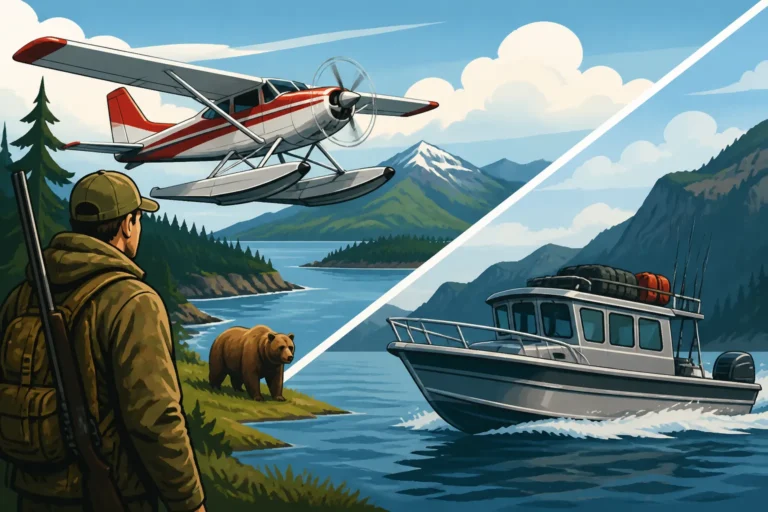
Accessing prime goat country in the Chugach is almost always the biggest hurdle. While some areas might be within a reasonable hike from road systems like the Seward Highway, most require more involved planning. Floatplanes or wheel planes are common choices for getting into remote valleys or high-elevation lakes. Alternatively, boat access into Prince William Sound can put you at the base of coastal mountain ranges, but then you face the incredibly difficult task of climbing from sea level to thousands of feet of elevation.
Regardless of your chosen method, expect a grueling pack-in. Heavy gear loads and steep, uneven terrain are the norm. You'll often be navigating through dense alder thickets at lower elevations before breaking out into the open alpine. Using a tool like onX Hunt to study topo maps and satellite imagery beforehand can be a game-changer for identifying potential routes, glassing knobs, and safe travel corridors. Remember, the Chugach weather can change on a dime, turning a sunny ascent into a foggy, rainy nightmare in a matter of hours, making reliable navigation and physical preparedness absolutely critical. Referencing Backpack Hunting in Alaska: Gear Weight and Meat Loads will be essential for your planning.
Hunting Bears in the Chugach: Brown and Black
The Chugach National Forest offers exciting opportunities for both brown bear (coastal grizzly) and black bear hunting, though the specific strategies and locations differ significantly. Understanding the distinct habitats and behaviors of these magnificent animals is key to a successful hunt. Whether you're after a formidable brown bear near a salmon stream or a sleek black bear in a berry patch, the Chugach has diverse options.
For non-residents, it’s important to remember that hunting brown bears, grizzly bears, and polar bears in Alaska requires either a resident guide, a licensed guide, or a relative within the second degree of kindred who is an Alaska resident. This regulation ensures responsible hunting practices and helps maintain healthy bear populations. Black bears, however, can be hunted by non-residents without a guide.
Coastal Brown Bear vs. Interior Grizzly in the Chugach
While genetically the same species, the terms "brown bear" and "grizzly bear" in Alaska often refer to where the bears live and, consequently, their size and diet. The Chugach National Forest offers both. Along the coast, particularly within Prince William Sound and stretching eastward towards the Copper River Delta, you'll find true coastal brown bears. These bears are often massive, with some of the largest individuals in the world, primarily due to their access to abundant salmon runs, marine mammal carcasses, and lush coastal vegetation. They are often found patrolling beaches, river mouths, and salmon streams, especially during late summer and fall.
As you move further inland, away from the coastal influences and rich marine food sources, the bears tend to be smaller and are commonly referred to as grizzlies. These interior bears rely more heavily on vegetation, berries, roots, and smaller prey. You might find them in the alpine basins or timbered valleys, often a considerable distance from major water bodies. Hunting either requires extreme caution and a thorough understanding of bear behavior. Always consult Alaska Brown Bears on the Coast Versus Interior Grizzlies for more detailed distinctions.
Black Bear Opportunities and Habitats
Black bears are far more widespread and adaptable in the Chugach National Forest than their brown bear cousins, offering more accessible hunting opportunities for many. They inhabit nearly all ecological zones, from coastal rainforests to the interior boreal forests and subalpine areas. You're likely to find them in timbered lowlands, dense alder and willow thickets, and, perhaps most notably, in areas rich with berries during late summer and fall. Old burn areas, which produce an abundance of berries and new growth, can be fantastic spots to find black bears.
Spring black bear hunting often focuses on south-facing slopes and avalanche chutes where the snow melts earliest, providing the first green shoots of vegetation. During the fall, focus on drainages with abundant berry crops—blueberries, cranberries, and crowberries are bear favorites. Hunting black bears in the Chugach can often involve a mix of still-hunting through timber, glassing open slopes, or even targeting them over bait in specific registered areas if regulations allow. Always be prepared for an encounter, and familiarize yourself with Bear Safety While Butchering a Kill in Alaska before your trip. The article Alaska Black Bears in Spring and Fall provides further seasonal insights.
Navigating Access Points and Permits for Chugach Hunts
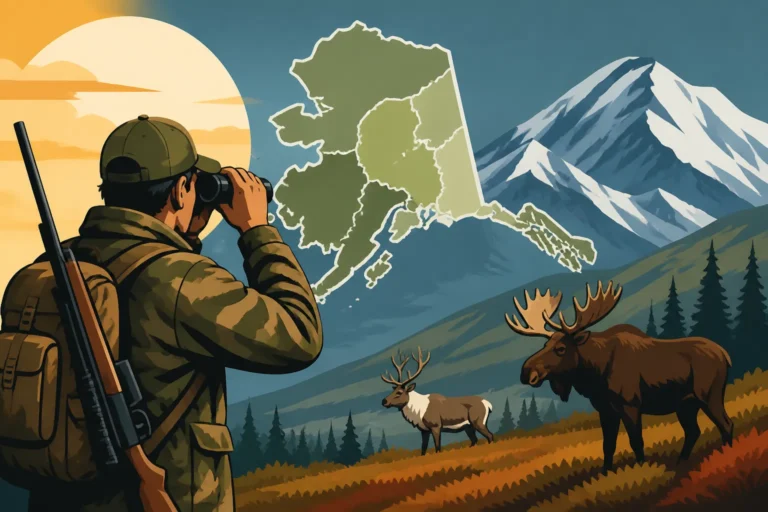
Getting into the hunting grounds of the Chugach National Forest is half the battle, and it requires careful planning regarding access and understanding the various permit systems. The Chugach offers a mix of road-accessible, marine-accessible, and fly-in areas, each with its own advantages and challenges. Always check the specific Game Management Unit (GMU) regulations for your chosen area, as access rules and permit requirements can vary greatly.
Many desirable hunts in the Chugach, especially for species like mountain goats, are managed through either drawing permits or registration permits. Drawing permits require you to apply months in advance, often in the late fall or early winter, and hope your name is selected in a lottery. Registration permits, on the other hand, are typically issued on a first-come, first-served basis, often requiring you to register online or in person before a specific date, and some even close on a quota, meaning the season can end early once a certain number of animals are harvested. Understanding these nuances is paramount to a legal and successful hunt.
Road System and Marine Access
The Chugach National Forest is unique in Alaska for offering some significant road-system access, primarily along the Seward Highway, the Glenn Highway, and portions of the Copper River Highway. These roads can get you into general vicinity of trailheads and boat launches that serve as entry points to hunting areas. For instance, the Seward Highway provides access to certain sections of the Kenai Peninsula within the Chugach, allowing for hiking into alpine areas. However, "road-accessible" in Alaska often means a long, strenuous hike from the road into true wilderness. Goat Country Above the Seward Highway discusses some specific areas.
Marine access, especially into Prince William Sound, opens up an entirely different world of hunting opportunities. Charter boats, personal boats, and even kayaks can get you to remote beaches and fjords, providing entry to coastal bear habitats and the base of formidable mountains for goat hunting. This method requires a strong understanding of tides, marine weather, and boat handling. Remember that while a boat can drop you off, the real work begins when you step ashore, often facing dense bush and vertical climbs. Careful planning of drop-off and pickup points, as well as emergency communication, is essential for marine-based hunts.
Draw and Registration Permits Specific to Chugach
Many of the most sought-after big game hunts in the Chugach National Forest, particularly for species like mountain goats and some brown bear hunts, are managed through limited entry permit systems. These aren't over-the-counter tags; you must apply for them, and if successful, you'll be granted a permit for a specific Game Management Unit (GMU) or sub-unit. The application period for drawing permits typically runs from November 1 to December 15 each year, with results announced in February. It pays to research the specific hunt numbers and their historical success rates, which tools like GoHunt often provide.
Registration permits are another common mechanism for managing Chugach hunts, especially for black bear or certain antlerless moose hunts in the region (though moose are less common in the core Chugach mountain goat and bear areas). These permits are generally more available than draw permits but still require registration and have specific reporting requirements. Some registration hunts are quota-based, meaning they can close on short notice via Emergency Order once a set harvest objective is met. It's critical to stay informed of these potential closures, especially if you plan to hunt later in the season. Always check the Alaska Department of Fish and Game (ADF&G) website for the latest regulations and emergency orders affecting your chosen hunt area.
Essential Planning and Safety for Chugach Adventures
Hunting in the Chugach National Forest is an adventure that demands meticulous planning and a serious commitment to safety. The remote, rugged environment, coupled with unpredictable weather and the presence of dangerous game, means you can't cut corners on preparation. From your gear selection to your emergency protocols, every detail matters when you're deep in the Alaskan wilderness.
Think beyond just your rifle and ammunition. Consider how you'll navigate without cell service, how you'll communicate with the outside world, and what you'll do if a sudden storm pins you down for days. This isn't a place where you can rely on quick resupply or easy rescue. Self-sufficiency is the name of the game, and a well-thought-out plan can be the difference between a memorable trip and a dangerous ordeal.
Gear Considerations for Rugged Terrain and Weather
The Chugach's diverse landscape and famously volatile weather mean your gear needs to be robust, versatile, and absolutely reliable. Waterproofing is non-negotiable; count on rain, fog, and wet snow, even in summer. High-quality rain gear, waterproof boots with excellent ankle support, and dry bags for everything are paramount. Layering systems are crucial for adapting to rapid temperature changes, from frosty mornings in the alpine to surprisingly warm, humid afternoons in the valleys.
For goat hunts, lightweight, durable gear for steep climbs and heavy meat loads is essential. A reliable spotting scope and good binoculars are critical for glassing vast areas to locate game. For bear hunts, consider a powerful rifle chambered for large, dangerous game, and know how to use it proficiently under stress. Rifle Choice for Alaska Brown Bear Country provides excellent guidance here. Furthermore, navigation tools like a GPS, satellite communicator (InReach or Garmin inReach), and a detailed topographical map are not optional. Before heading out, ensure you've practiced using your GPS and understand how to download offline maps, perhaps using an app like onX Hunt, because cell service will be non-existent in most hunting areas. This is also where understanding GPS Battery Life in Cold Camps becomes important.
Bear Safety and Emergency Preparedness
Hunting in the Chugach means you are in bear country, whether you're targeting them or not. Both brown bears and black bears are present, and encounters are a distinct possibility, especially at kill sites or in dense brush. Carrying bear spray is highly recommended, and knowing how to deploy it effectively is crucial. Many hunters also carry a powerful sidearm or have a hunting partner covering them with a rifle in dense cover or at a kill site. Understanding the differences between aggressive and defensive bear behavior can literally save your life. Check out Bear Spray Versus Rifle at Close Range for a deeper dive into defensive options.
Beyond bear encounters, emergency preparedness extends to human health and logistics. A comprehensive first-aid kit, knowledge of basic wilderness first aid, and the ability to signal for help are vital. Share your detailed hunt plan with a trusted contact who knows your expected return date and what to do if you don't check in. A satellite communication device is arguably the most important piece of emergency gear, allowing you to send messages, get weather updates, and activate an SOS beacon if needed. Always anticipate the unexpected, whether it's an injury, a sudden weather event, or a prolonged stay in the field.
Ethical Hunting and Conservation in the Chugach
Hunting in the Chugach National Forest isn't just about pursuing game; it's about being a responsible steward of this incredible wilderness. Ethical hunting practices and a commitment to conservation are essential to ensuring that these magnificent landscapes and their wildlife thrive for generations to come. This means going beyond simply following the letter of the law and embracing a deeper respect for the animals and their habitat.
Every hunter in Alaska carries a responsibility to uphold the integrity of the sport and to minimize their impact on the environment. The Chugach, being a National Forest, is public land, and its preservation is a shared duty. By educating yourself on regulations, practicing good outdoor etiquette, and making smart choices in the field, you contribute to a sustainable hunting future.
Understanding Unit-Specific Regulations
Alaska's hunting regulations are complex, and they are constantly updated based on wildlife populations, environmental conditions, and management objectives. Within the Chugach National Forest, you'll find multiple Game Management Units (GMUs) and even smaller sub-units, each with its own set of rules regarding open seasons, bag limits, legal animal definitions (e.g., full-curl rams for sheep, specific antler restrictions for moose, or nanny identification for goats), and sometimes even weapon restrictions. For instance, some areas might be archery-only or have specific antler point restrictions.
Before you even leave home, you must obtain the most current Alaska Hunting Regulations booklet and thoroughly review the specific regulations for the GMU you plan to hunt. Don't rely on old information or hearsay. Pay close attention to season dates, bag limits, reporting requirements, and any specific harvest ticket or locking tag rules. Ignoring these details can lead to fines, citations, or even loss of hunting privileges. It's also worth using resources like GoHunt or the ADF&G website to cross-reference information and look for any recent emergency orders that might affect your hunt dates or access. For specific goat hunting rules, a review of Alaska Goat Seasons and Nanny Identification is a must.
Leave No Trace Principles in Wild Alaska
The "Leave No Trace" principles are more than just suggestions in the remote and fragile ecosystems of the Chugach National Forest—they are a code of conduct. This wilderness can take decades, if not centuries, to recover from human impact. It starts with planning and preparing for your trip by packing out everything you pack in, including all garbage and waste. Burying human waste properly (6-8 inches deep, 200 feet from water, camp, and trails) is crucial for hygiene and minimizing impact.
When setting up camp, choose durable surfaces, minimize campsite impact, and avoid creating new trails. For your kill, especially for large animals like bears, proper meat care and hide preparation are essential, and disposing of gut piles away from water sources and travel corridors is critical. Make every effort to leave your campsite and kill site looking as though you were never there. By adhering to these principles, you help preserve the pristine nature of the Chugach for all users and for the wildlife that calls it home.
| Characteristic | Coastal Brown Bear (Chugach) | Black Bear (Chugach) | Mountain Goat (Chugach) |
|---|---|---|---|
| Typical Habitat | Coastal areas, salmon streams, river deltas, dense brush. | Timbered lowlands, berry patches, subalpine forests, old burns. | Steep, rugged alpine terrain, cliffs, rock faces, above timberline. |
| Diet Focus | Salmon, marine mammals, berries, roots, vegetation. | Berries, vegetation, insects, small mammals, carrion. | Alpine grasses, forbs, lichens. |
| Average Size | Large; can weigh hundreds of pounds, imposing presence. | Medium; generally 150-300 lbs, but can be larger. | Medium; 150-300 lbs, with impressive horns. |
| Hunting Season | Spring (May-June) and Fall (Sept-Oct), specific GMU dates. | Spring (May-June) and Fall (Aug-Oct), longer seasons often. | August-October, often limited entry permits. |
| Access | Primarily boat or fly-in; some road-system adjacent areas. | Road-system, boat, fly-in, hiking. | Fly-in or arduous multi-day backpack into high alpine. |
| Guide Req. | Non-residents must be guided or hunt with kindred. | Non-residents generally do not require a guide. | Non-residents must be guided or hunt with kindred. |
Disclaimer
This article is for general informational purposes only and does not constitute professional advice. Laws, prices and regulations vary by location and change over time. Consult a qualified professional for guidance on your specific situation.