Why Antler Restriction Hunts End in Citations
Alaska antler restriction rules for moose cause citations because complex spike-fork definitions and spread measurements are difficult to judge.
Close the distance.
Archery, muzzleloader, and firearm techniques — calling, stand placement, still-hunting, spot-and-stalk, and the weapon rules that change at the state line.
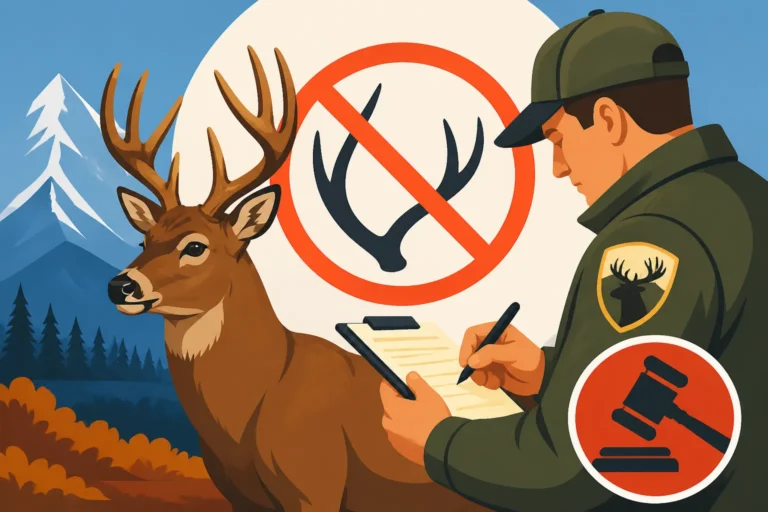
Alaska antler restriction rules for moose cause citations because complex spike-fork definitions and spread measurements are difficult to judge.
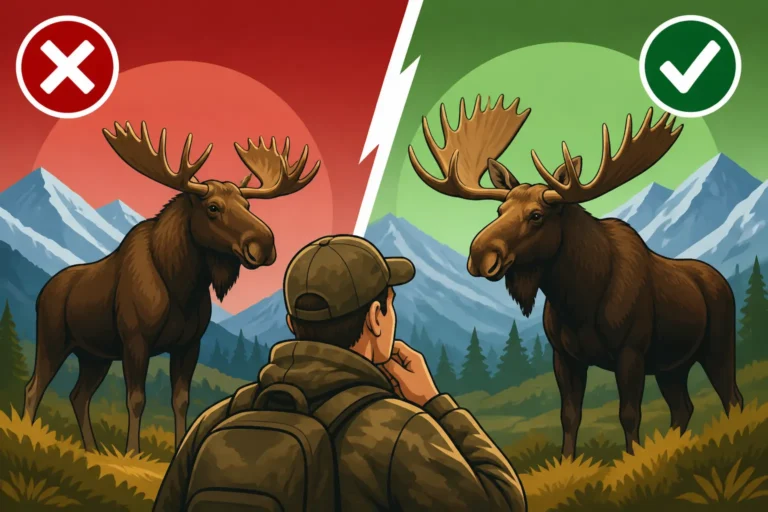
Alaska moose antler restrictions explained, helping hunters identify legal bulls using the fifty inch spread and spike fork rules.
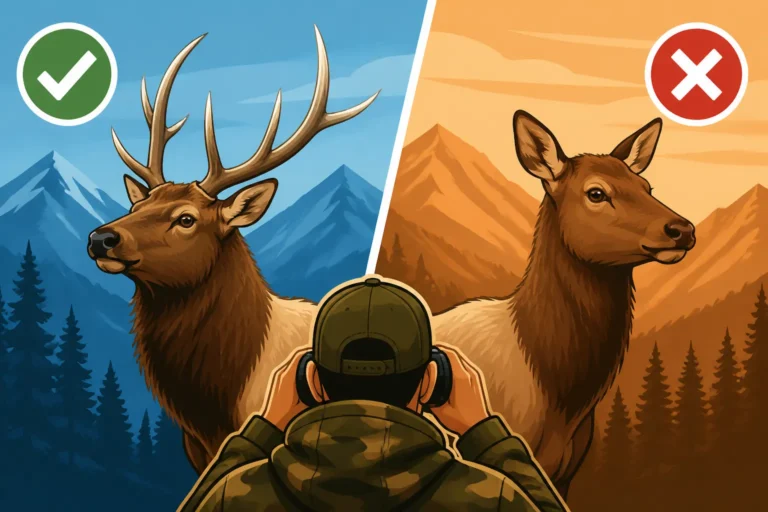
Alaska hunters learn to differentiate legal spike-fork bull moose from protected yearlings using antler configurations and body size.
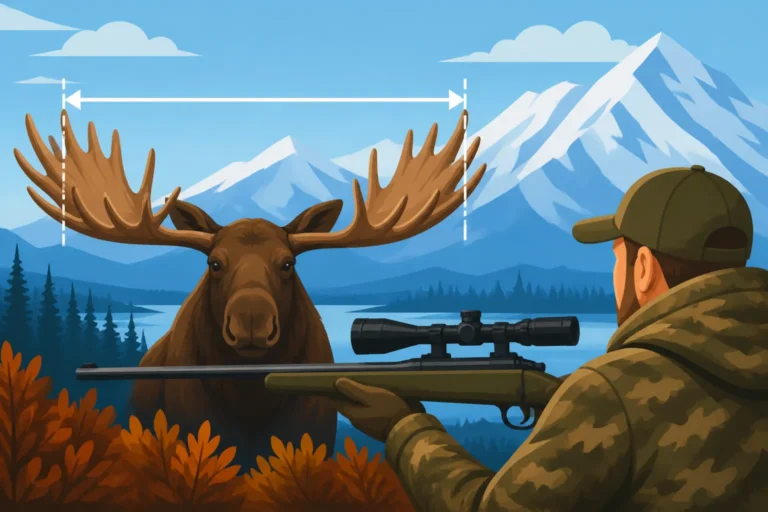
Alaska bull moose hunters learn a reliable field-judging technique using a rifle to measure the fifty-inch antler spread.
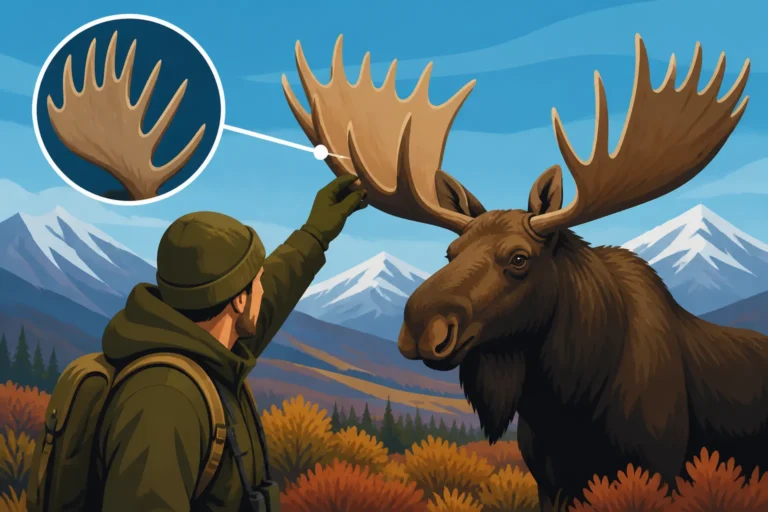
Alaska moose antler regulations and brow tine rules help hunters identify legal bulls in restricted game management units.
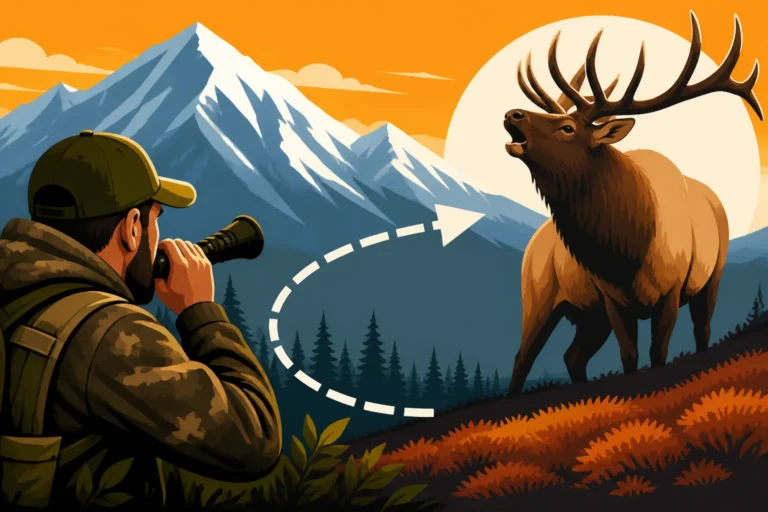
Alaska bull moose travel distances in response to grunt tube calls driven by breeding, dominance, and curiosity motivations during the rut.
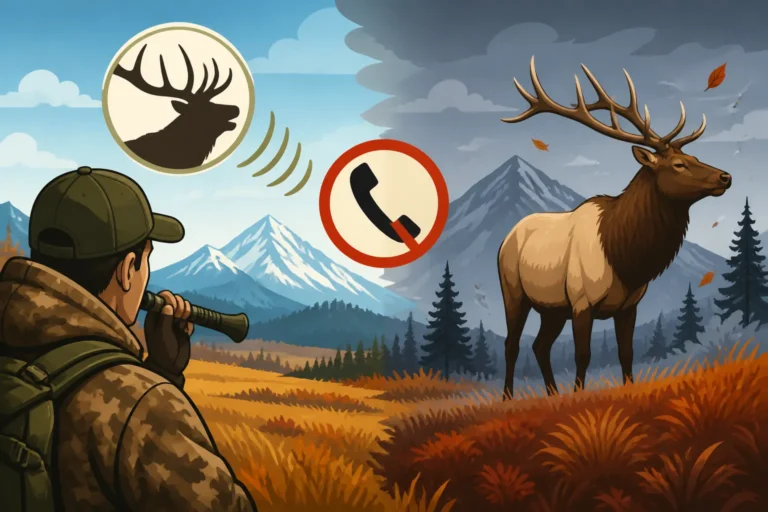
Alaska moose hunting biology and environmental factors explain why bulls stop answering calls in September, offering adaptation strategies.
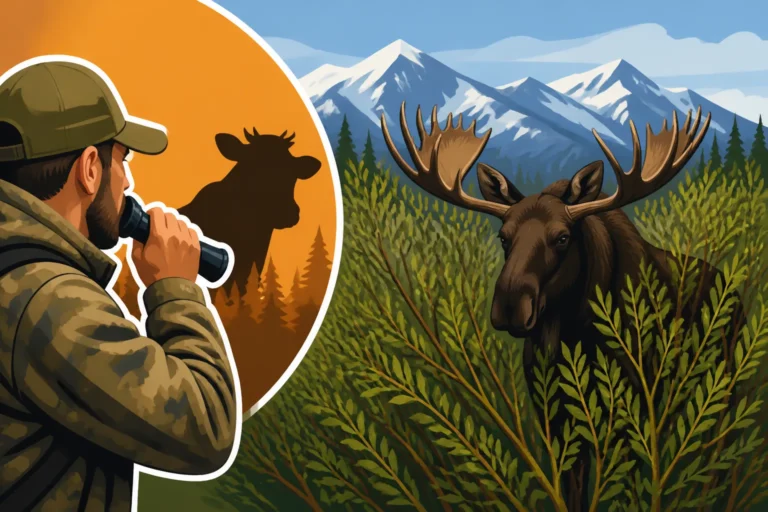
Cow calls help hunters coax stubborn thousand-pound Alaska bulls out of dense willow security cover into open shooting lanes.
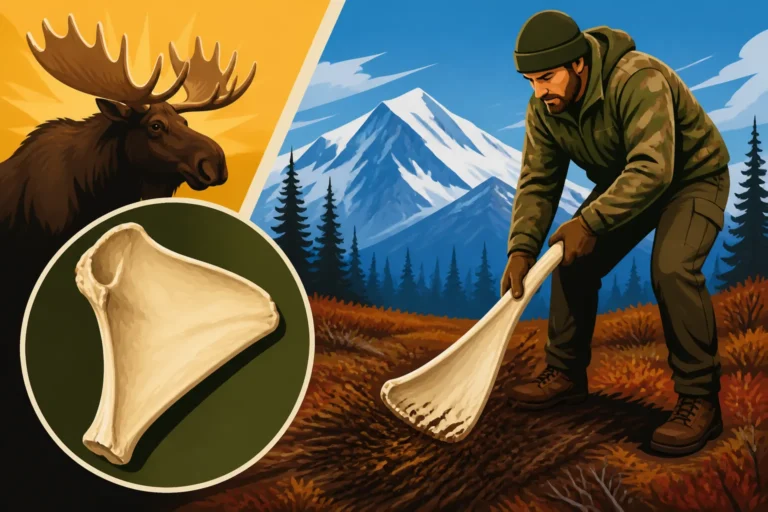
Techniques for using a real moose scapula to rake brush help Alaska hunters attract competitive bull moose during the rut.
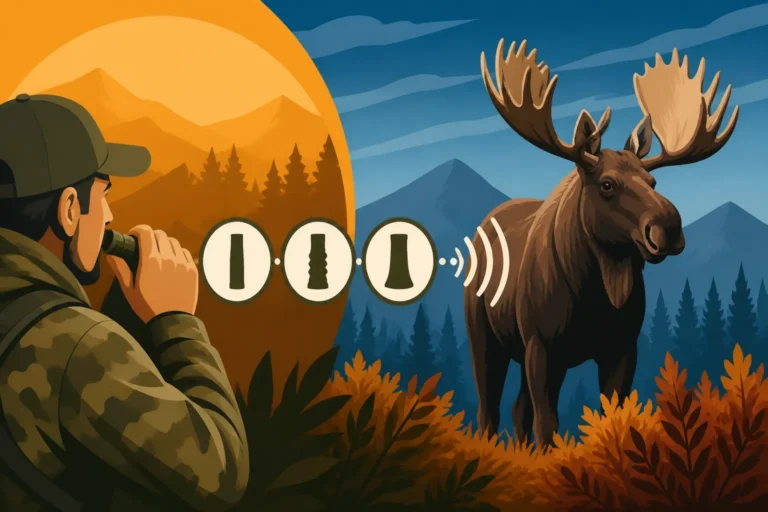
Early September moose call sequences in Alaska help hunters target bull curiosity and dominance during the transition phase.