Deer Drives Versus Still Hunting in Southeast Alaska Timber
Deer drives and still hunting methods compared for Sitka blacktail deer in Southeast Alaska timber rainforest environments.
Close the distance.
Archery, muzzleloader, and firearm techniques — calling, stand placement, still-hunting, spot-and-stalk, and the weapon rules that change at the state line.
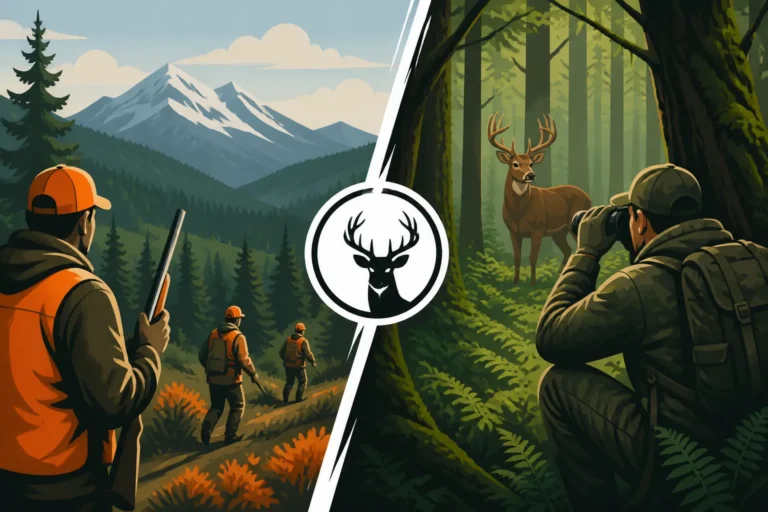
Deer drives and still hunting methods compared for Sitka blacktail deer in Southeast Alaska timber rainforest environments.
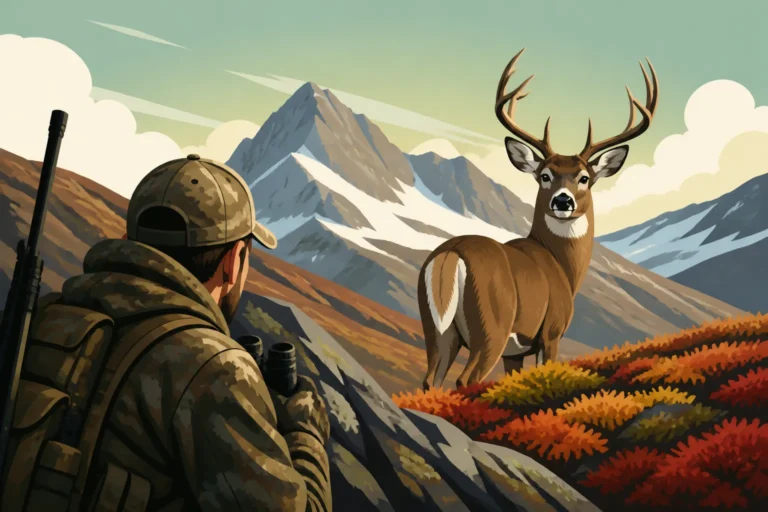
Sitka Blacktail deer behavior and seasonal food sources in Alaska alpine terrain before heavy snow arrives for hunters.
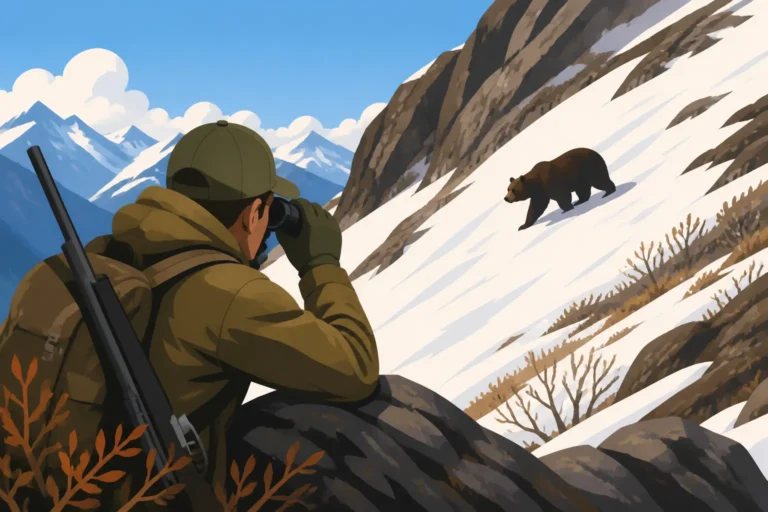
Spring black bear hunting on south-facing snow slides explains why hungry bears target early green-up vegetation after hibernation.
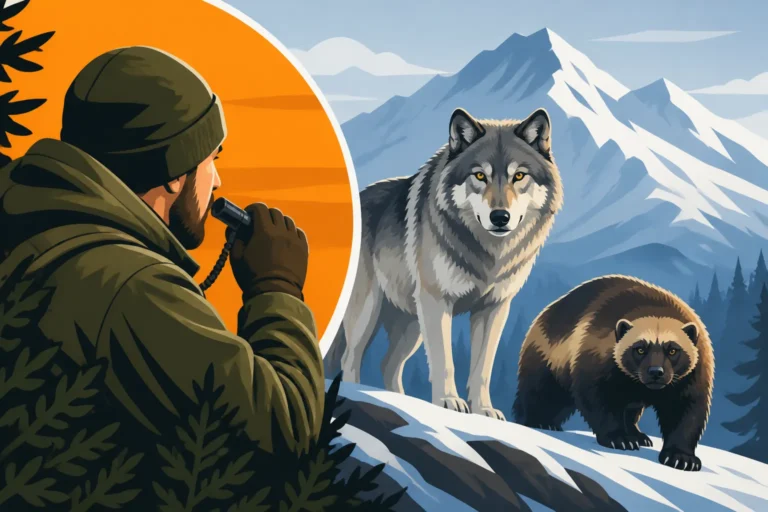
Predator calling methods for Alaska wolves and wolverine help hunters increase success rates by targeting vast territories and acute senses.
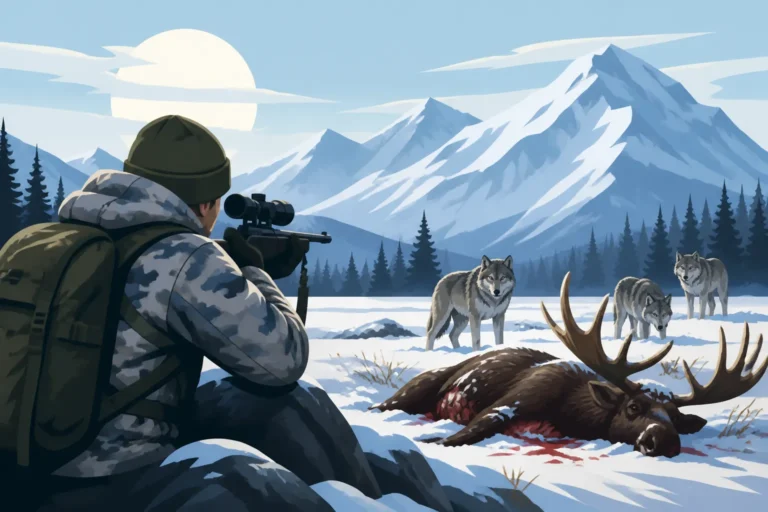
Wolf hunting over Alaskan winter kill sites explains tracking packs, scouting caribou carcasses, and setting up successful ambushes.
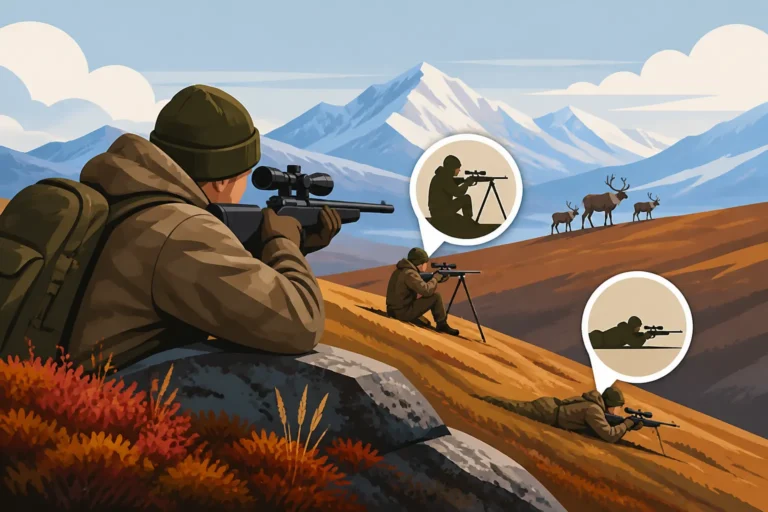
Shooting positions for Alaska tundra and sidehills explain how to stabilize a rifle when uneven hummocks and steep slopes cause cant and missed shots.
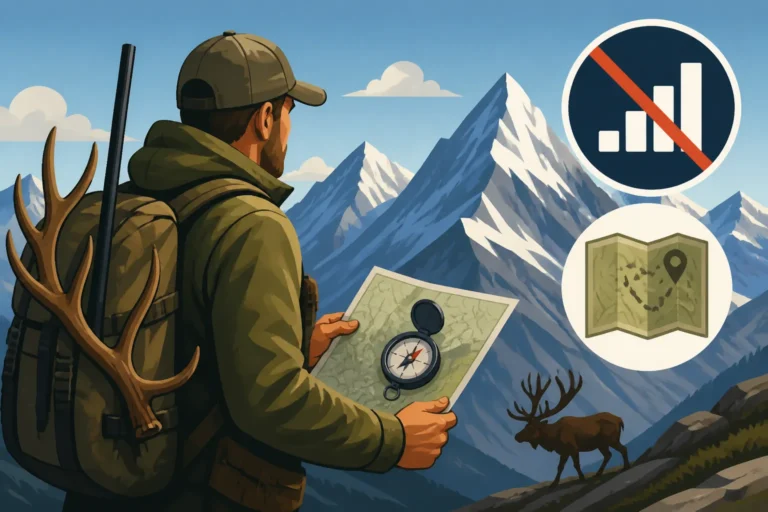
Alpine navigation without cell service requires traditional backcountry skills and planning strategies to survive Alaska wilderness hazards.
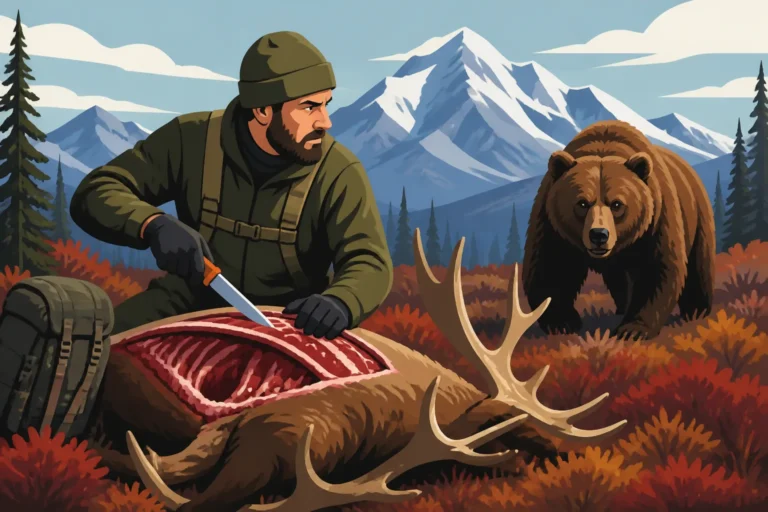
Alaskan big game butchering safety strategies explain how hunters protect moose and caribou kill sites from brown and black bears.
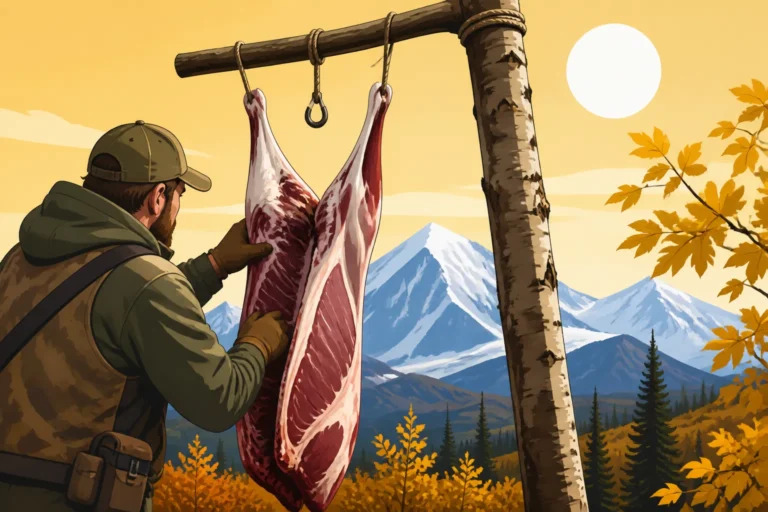
Alaska game meat preservation techniques prevent bacterial spoilage during warm September hunts with high afternoon temperatures.
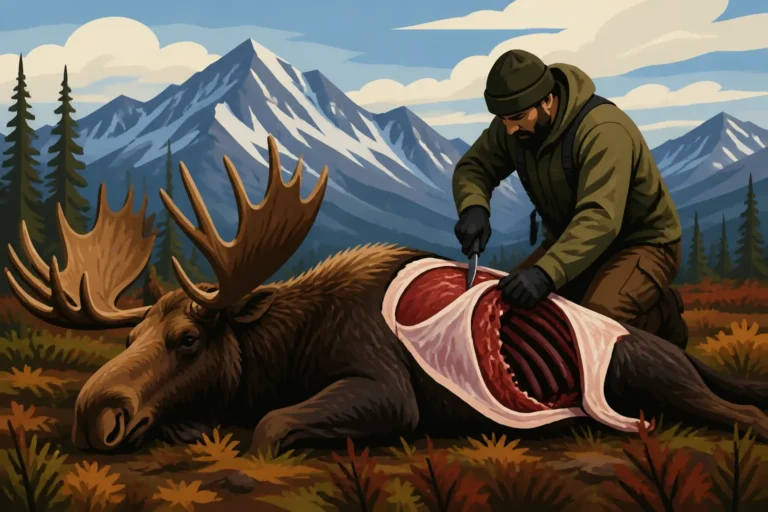
Solo quartering of a mature Alaska Yukon bull moose weighing up to 1,600 pounds helps hunters break down heavy animals and salvage meat safely.