Signal Devices and Check-In Plans for Solo Alaska Hunts
Garmin inReach devices, Zoleo satellite messengers, and daily check-in plans help solo hunters manage backcountry emergencies.
Close the distance.
Archery, muzzleloader, and firearm techniques — calling, stand placement, still-hunting, spot-and-stalk, and the weapon rules that change at the state line.
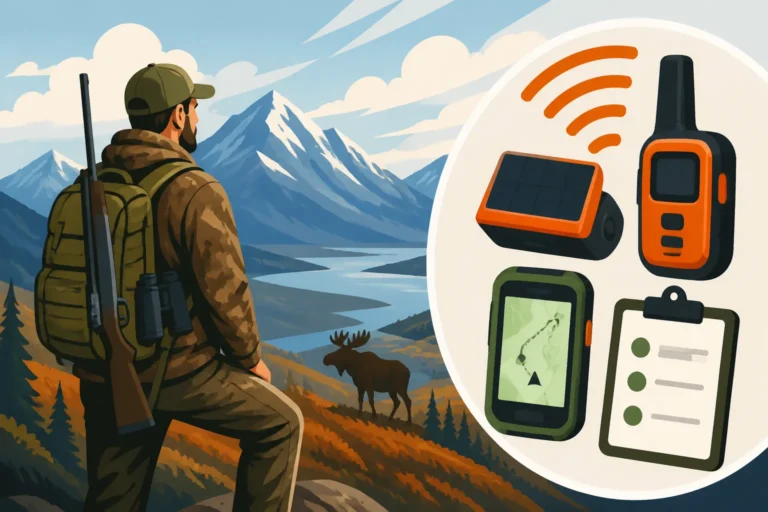
Garmin inReach devices, Zoleo satellite messengers, and daily check-in plans help solo hunters manage backcountry emergencies.
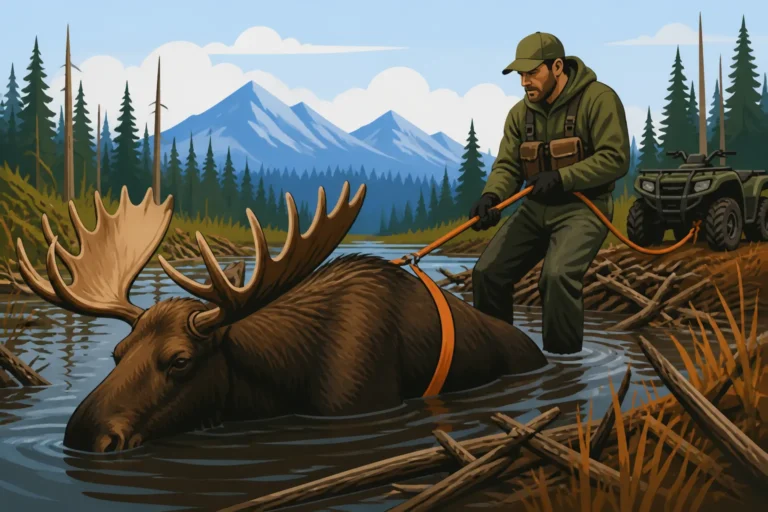
Moose recovery from a beaver slough requires assessing water risks, marking GPS coordinates, and ensuring safe meat retrieval.
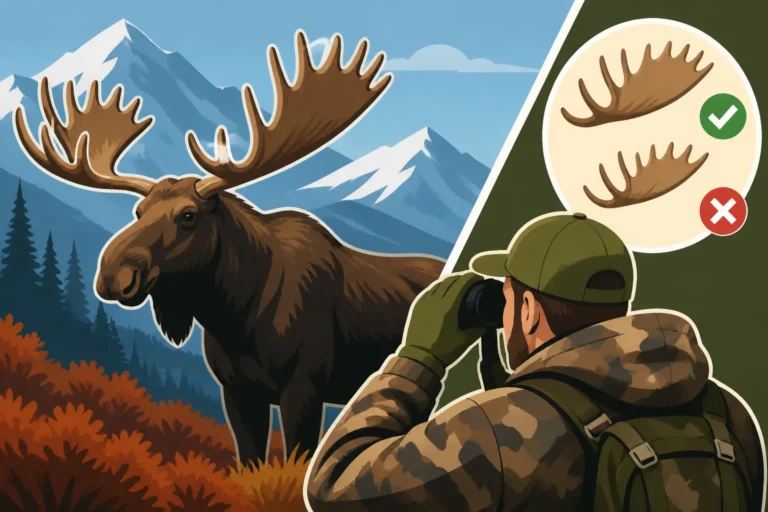
Alaska antler rules and visual cues explain how hunters evaluate brow tines, palm widths, and spread minimums on bull moose.
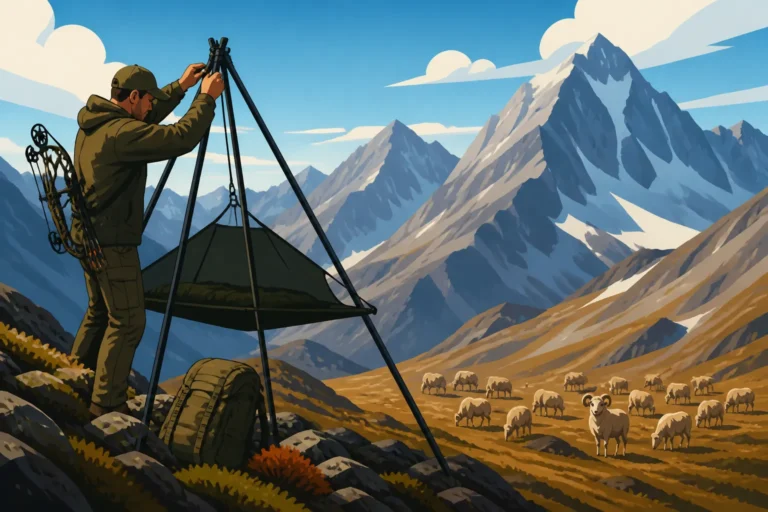
Establishing an Alaska mountain spike camp near a sheep basin provides hunters proximity to Dall rams and reduces travel time.
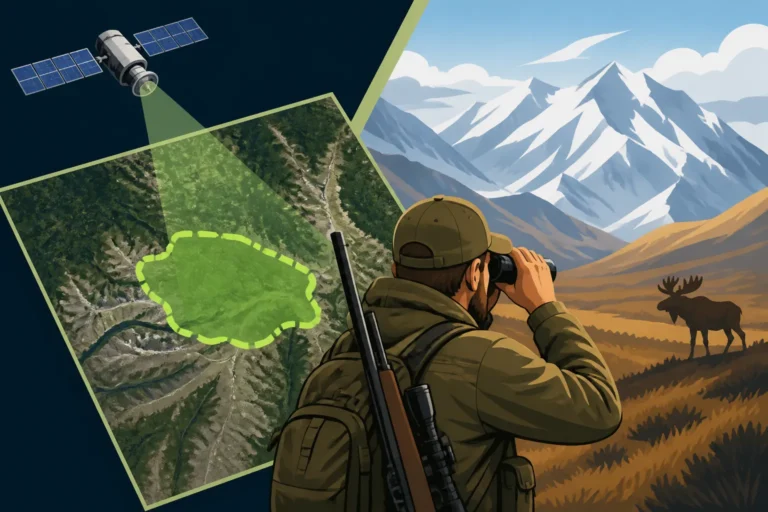
Satellite imagery scouting lets remote Alaska hunters identify landing strips, evaluate river bends, and plan efficient terrain routes.
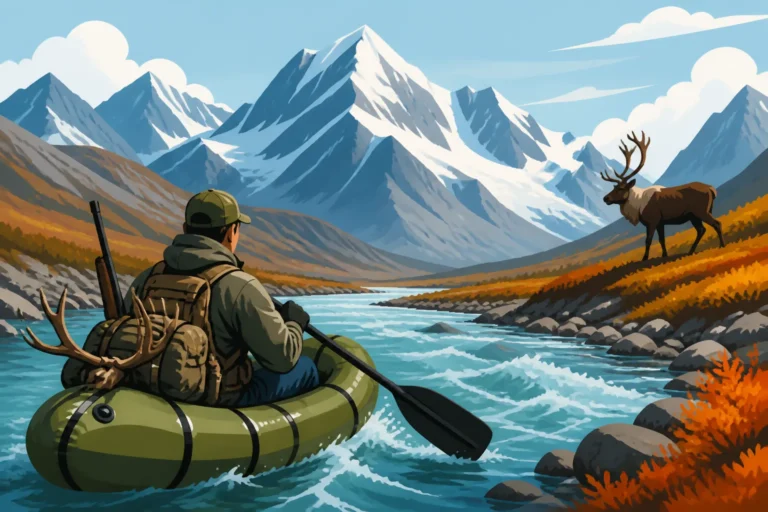
Packrafting in Alaska allows hunters to access remote roadless drainages, float out harvests, and hunt unpressured game.
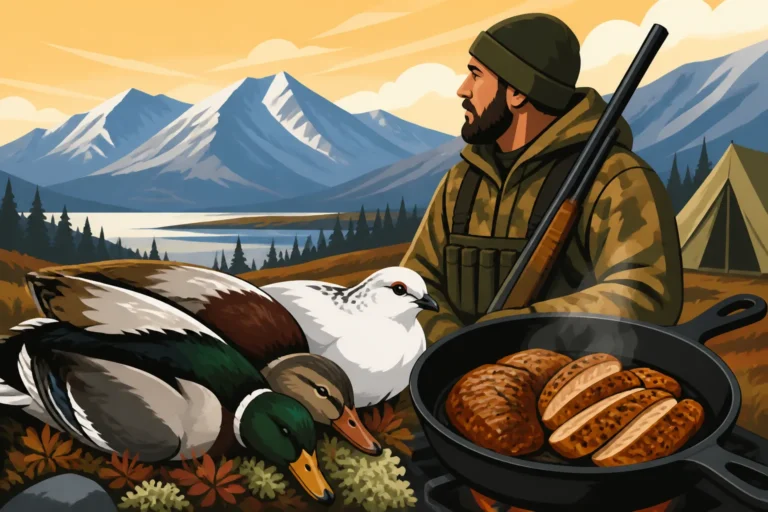
Waterfowl and ptarmigan hunting in Alaska provides fresh camp meat, boosting morale and supplementing food supplies during unsuccessful big game trips.
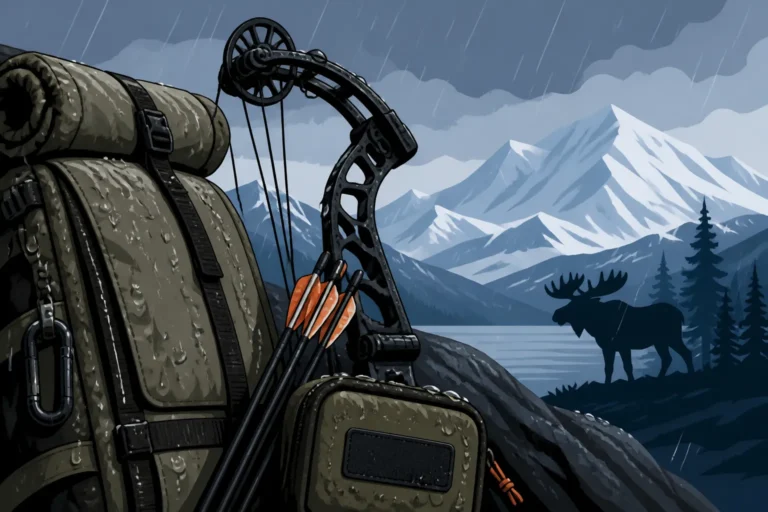
Archery tackle preparation protects Alaska hunting gear against ten days of rain, preventing rust, delamination, and warped components.
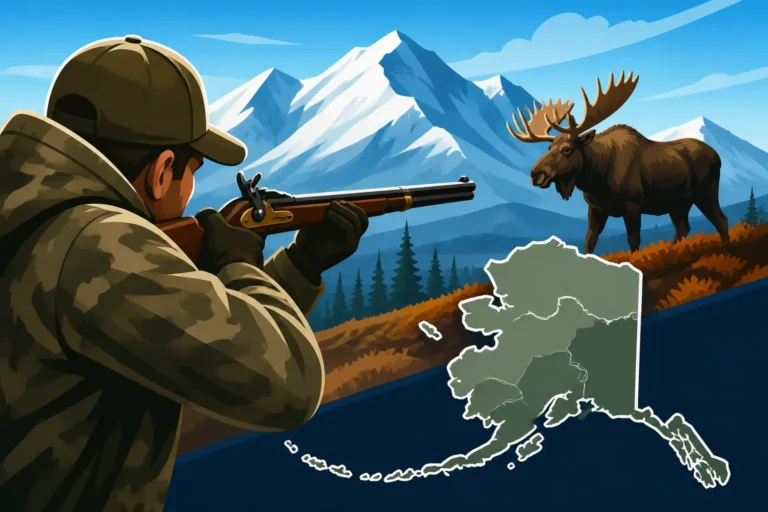
Alaska muzzleloader hunts in draw areas involve specific legal definitions, regulations, gear requirements, and season dates.
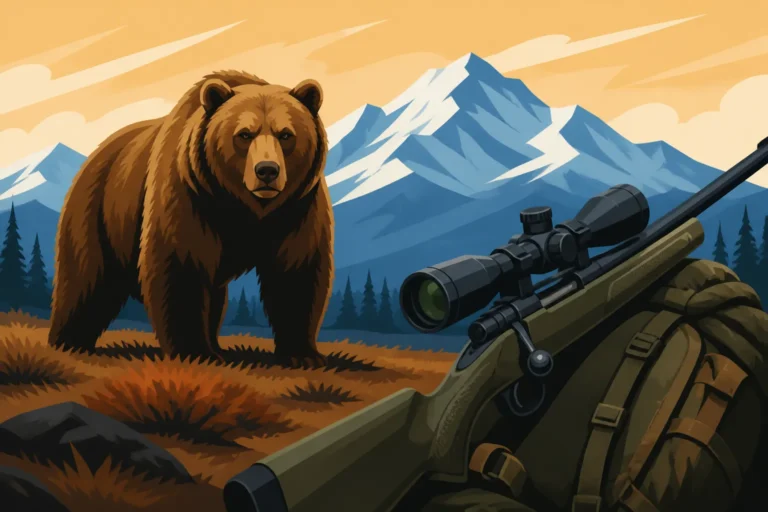
Alaska brown bear hunting rifle selection requires specific caliber choices and heavy ammunition to penetrate dense bone and tissue.