Unit 8 and the Kodiak Archipelago
Stepping into the world of Alaska hunting, particularly in a place as iconic as Kodiak Island, can feel like you're trying to read a map written in a foreign language. The regulations, the terrain, the sheer scale of it all – it's enough to make any hunter's head spin, especially when trying to understand a specific area like Game Management Unit 8. This guide aims to demystify hunting the Kodiak Archipelago, offering a deep dive into the species, challenges, and crucial planning steps you'll need to navigate this wild and stunning corner of Alaska successfully.
Understanding Alaska Game Management Unit 8
Game Management Unit 8 isn't just a number on a map; it's a vast, rugged, and breathtaking expanse that encompasses the Kodiak Archipelago. This includes Kodiak Island itself, Afognak, Raspberry, Shuyak, and numerous smaller islands, each with its own character and hunting opportunities. For many, Kodiak conjures images of colossal brown bears, but this unit offers a diverse hunting experience for other sought-after species as well. Understanding its unique geography and the animals that thrive here is the first step in planning a successful hunt.
The Geographic Scope of Unit 8
Imagine an island chain pounded by the Gulf of Alaska, rising dramatically from the sea with a jagged spine of mountains, deep fjords, and a patchwork of dense coastal rainforest, open tundra, and alder thickets. That's Unit 8. It's a land defined by its maritime climate, which means wet, windy, and often foggy conditions are the norm, not the exception. The topography varies wildly, from the relatively gentle, road-accessible areas near Kodiak city to the incredibly remote, steep, and brush-choked country found on the outer islands. This ruggedness is precisely what makes it so appealing to adventurous hunters, but it also demands respect and meticulous preparation. There are few roads beyond the immediate vicinity of Kodiak City, meaning most hunting access relies heavily on boats, planes, or a good pair of boots and a willingness to pack in. The sheer size, combined with the often-impassable terrain, means that hunters need to be self-reliant and have a solid plan for navigating the wild.
Key Game Species Within Unit 8
Unit 8 is famed for its trophy animals, making it a bucket-list destination for many. The undeniable king of the islands is the Kodiak brown bear, a subspecies known for its immense size, often exceeding those found on the mainland. These bears are a product of a rich diet, particularly the prolific salmon runs that surge through the island's rivers and streams, allowing them to pack on incredible mass. Beyond the bears, however, Unit 8 offers fantastic hunting for the compact yet robust Sitka Blacktail Deer of Alaska's Island Rainforest. These deer thrive in the coastal rainforests and alpine areas, providing a challenging and rewarding hunt. Hunters often find them in large numbers, particularly after milder winters. Mountain goats also inhabit the highest, steepest peaks of Kodiak Island, offering an arduous but truly magnificent alpine hunting experience. While not as numerous as some other areas, a successful goat hunt here is a testament to perseverance. Additionally, the islands of Afognak and Raspberry hold transplanted Roosevelt elk, a unique opportunity in Alaska, though these hunts are highly regulated and often require draw permits.
Unique Challenges of Kodiak Hunting
Hunting the Kodiak Archipelago is an adventure, but it comes with a distinct set of challenges that distinguish it from hunts elsewhere in Alaska. First and foremost is the weather. The maritime climate brings unpredictable storms, dense fog, and persistent rain, which can turn a mild day into a survival situation in mere hours. This impacts everything from visibility for glassing to the ability of air taxis to fly or boats to navigate safely. Hunters must be prepared for extended periods of being weathered in, carrying extra food and fuel. Secondly, the terrain itself is unforgiving. Dense alder thickets can be impenetrable, while muskeg and treacherous stream crossings can slow progress to a crawl. The mountains are steep and often slick with rain or moss. Finally, the presence of a high density of very large brown bears means constant vigilance is required, especially when working a kill or traversing dense brush. Bear awareness and safety protocols are not just recommendations here; they are absolute necessities for survival. Understanding these challenges upfront helps shape a realistic and safe hunting plan.
Planning Your Kodiak Archipelago Deer Hunt
Hunting Sitka blacktail deer in the Kodiak Archipelago is an incredible experience, often drawing hunters back year after year. These deer are charismatic, and the opportunity to hunt them in such a wild, remote setting is truly special. However, a successful hunt requires careful planning, especially when it comes to access, timing, and equipping yourself for the specific conditions of these islands. Forget everything you know about whitetail hunting in the lower 48; Kodiak is a different beast entirely.
Accessing Kodiak's Remote Deer Country
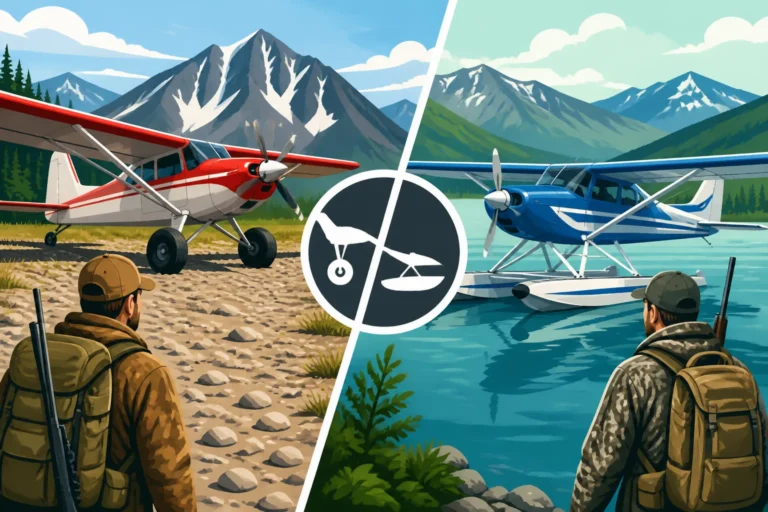
Unlike mainland Alaska where road systems might offer some access, much of Kodiak's best deer country is only reachable by boat or floatplane. For many hunters, this means chartering a boat or an air taxi out of Kodiak City. Boat charters can drop you off on secluded beaches or in hidden coves, allowing access to countless islands and remote sections of Kodiak and Afognak. This is a popular method for Boat-Based Deer Hunting on Alaska's Island Coastlines, letting you move between different areas and set up camp. Floatplanes can access numerous lakes and protected bays, granting entry to high alpine bowls where deer might be found Deer Above Timberline in Early August. For those looking for a slightly less remote experience, the Kodiak road system does offer some access, particularly in early season, but these areas see more pressure. Remember that many of these areas are part of state or federal lands, but some private and Native Corporation lands exist. Always verify land status using a mapping app like onX Hunt to ensure you have legal access and permission if required.
Planning your transportation well in advance is critical, as air taxis and boat charters book up quickly, especially during peak seasons. Confirm your drop-off and pick-up locations and have backup plans for weather delays. Don't underestimate the time it takes to get to and from your hunting grounds; travel days are hunting days lost if not managed properly.
Seasonal Considerations for Sitka Blacktail
Sitka blacktail deer seasons in Unit 8 typically open in early August and run well into the winter, offering a variety of hunting experiences. The early season, usually August and September, finds deer in their summer coats, often in higher alpine areas, before snow pushes them down. Bucks are still in velvet in August, making for different trophy considerations. As fall progresses into October and November, deer begin to move into the timbered slopes and lower elevations, often congregating in more accessible areas. This is also when the rut begins to pick up, offering a chance at chasing bucks as they are more active and less cautious.
Late season, in November and December, can offer excellent hunting, especially if snow pushes deer into concentrated areas, but it also brings the harshest weather. High winds, heavy snow, and freezing rain become commonplace, demanding even more robust gear and a higher level of fortitude. Each season presents unique challenges and rewards, so considering your physical capabilities and experience with extreme weather should play a large part in choosing your hunt dates. Regardless of when you go, expect rain; it’s an integral part of the Kodiak experience.
Gear Essentials for Wet, Rugged Terrain
Kodiak demands rugged, reliable gear that can withstand constant moisture and rough handling. Your clothing system is paramount: think layers, with a strong emphasis on waterproof and breathable outer shells. High-quality rain gear, designed for commercial fishing or serious outdoor use, is a non-negotiable. Look for gear made from durable materials that can shed water for days on end without wetting out. Game Bags That Breathe in Coastal Rain are also crucial, as wet, warm conditions can spoil meat quickly. Footwear needs to be equally robust. Knee-high rubber boots are often preferred for slogging through muskeg, crossing small streams, and navigating boggy terrain, especially in lower elevations. For mountain hunting, a pair of sturdy, waterproof leather or synthetic boots with excellent ankle support is vital, often paired with gaiters to keep moisture out.
Beyond clothing, a sturdy backpack capable of handling heavy meat loads is essential, as you'll likely be packing out your deer over challenging ground. Navigation tools, including a reliable GPS unit, a compass, and printed maps, are a must, especially given the frequent fog that can reduce visibility to mere yards. Apps like onX Hunt are incredibly useful for pre-scouting and in-field navigation, especially when you Downloading Offline Maps Before a Fly-In to a remote area. Don't forget a quality rangefinder, binoculars, and a spotter for glassing the vast landscapes, even for deer. Finally, always pack extra dry bags for your critical gear, fire starting supplies, and a robust first-aid kit.
Strategies for Brown Bear Hunting in Unit 8
Brown bear hunting on Kodiak Island is a quintessential Alaska experience, drawing hunters from around the globe seeking one of the world's largest land predators. However, these hunts are not for the faint of heart, requiring substantial financial investment, meticulous planning, and a deep understanding of the animal and its habitat. The thrill of being in big bear country is undeniable, but so is the respect required for these magnificent creatures.
Navigating the Guide Requirement for Nonresidents
If you're a nonresident looking to hunt brown bear in Unit 8, or anywhere in Alaska for that matter, you generally fall under the state's guide requirement. This means you must be accompanied by an Alaska-licensed registered guide or a resident relative who is within the second degree of kindred. This isn't just a suggestion; it's a legal mandate designed to ensure safety, promote ethical hunting practices, and support the state's guiding industry. The cost of hiring an Alaska registered guide for a brown bear hunt can be substantial, reflecting the expertise, logistics, and inherent risks involved. When you're looking to Hiring an Alaska Registered Guide-Outfitter, start your research early, checking references and ensuring they have concessions for Unit 8. These hunts often book years in advance due to high demand and limited availability. Be sure to ask about all included services, camp setup, and contingency plans for weather, which can often impact hunt duration.
Spring Versus Fall Bear Hunting Tactics
Brown bear hunts in Unit 8 occur during two primary seasons: spring and fall, each offering a distinct experience. Spring hunts (typically April to June) focus on bears emerging from dens, often feeding on new green-up on south-facing slopes or scavenging winter kills. This can involve extensive glassing of snow-covered mountainsides, looking for dark specks against the white. Bears are often concentrated in these areas, making them slightly more predictable. Fall hunts (typically October to November) coincide with the salmon runs, drawing bears to streams and river mouths where they gorge before denning. This often involves stalking along salmon streams, using scent and sign to locate bears. The dense vegetation and often torrential rain of the fall can make stalking more challenging, but the opportunity to spot a large bear actively fishing is an unforgettable sight. Both seasons have their merits and challenges, and hunters often choose based on their preferred hunting style and availability. Regardless of the season, a powerful rifle, like those discussed in Rifle Calibers for Coastal Brown Bear, is a must.
Preparing for a Close-Quarters Encounter
Hunting brown bears, especially in dense Kodiak cover, means you must be mentally and physically prepared for a close-quarters encounter. These animals are powerful, intelligent, and can move with incredible speed. Unlike a deer that might bolt, a wounded bear, or one surprised at close range, can be dangerous. Your guide will emphasize constant vigilance, especially when traversing brushy areas or approaching a kill. Carrying a powerful sidearm, often a large-caliber revolver, as a backup to your primary rifle is a common practice among guides and experienced hunters. Understanding bear behavior, knowing when to back off, and communicating effectively with your guide are critical. Practice rapid target acquisition with your rifle, as shots might be fast and close. Preparing yourself for the possibility of a charge, and knowing how to react calmly and decisively, is a somber but necessary part of a Kodiak brown bear hunt. After a successful harvest, Cape Care for a Life-Size Bear Mount becomes a top priority, often needing to happen quickly in the field.
Mountain Goat Hunting Opportunities
For the hunter seeking the ultimate physical challenge and breathtaking alpine scenery, Unit 8's mountain goat hunting is unparalleled. These majestic white animals inhabit the most rugged and vertical terrain, demanding extreme fitness and a head for heights. A successful goat hunt on Kodiak isn't just about the trophy; it's about the journey and the intense effort required to reach their domain.
Permitting and Drawing for Goats
Unlike deer or even general brown bear hunts which might have over-the-counter tags for nonresidents (with guide requirement), mountain goat hunting in Unit 8 is typically managed through a drawing permit system. This means you must apply during the annual draw period, usually in November and December, hoping to be selected for a permit. Competition for these permits can be intense, as quotas are set low to ensure sustainable populations. Your research into specific hunt numbers and their historical success rates, often found on resources like GoHunt, is crucial. If you are fortunate enough to draw a permit, remember that nonresidents are also subject to Alaska's guide requirement for mountain goats. This means you'll need to coordinate with a guide who holds the appropriate concessions for your specific hunt unit. Understanding the draw process and the Alaska Goat Seasons and Nanny Identification is a fundamental first step in pursuing this challenging species.
Spot-and-Stalk in Steep, Treacherous Terrain
Mountain goat hunting is almost exclusively a spot-and-stalk affair, but in the most unforgiving terrain imaginable. Hunters typically gain elevation either by flying into high alpine lakes or by making arduous climbs from sea level. Once in goat country, endless hours are spent glassing the sheer cliffs, rocky outcrops, and snowfields for the telltale white forms of goats. Patience is paramount, as goats blend surprisingly well into their surroundings. Once spotted, a stalk can involve navigating extremely steep, loose shale, crossing snowfields, and climbing through rocky chutes. The danger of falling rocks or losing your footing is ever-present. Knowing how to Telling a Billy From a Nanny at Distance is crucial, as often only billies are legal or preferred to protect the breeding population. Your guide will be invaluable here, not only for spotting but for safely navigating the treacherous terrain.
Ethical Shot Placement on Mountain Goats
Due to the extreme terrain, ethical shot placement on a mountain goat is more critical than almost any other big game animal. A goat that runs even a short distance after a shot can tumble hundreds, or even thousands, of feet down a cliff face, rendering recovery impossible or incredibly dangerous. This is known as "goat rolling" and is something every ethical hunter wants to avoid. Therefore, hunters often wait for ideal broadside or quartering-away shots at reasonable distances, aiming for precise vitals. Often, a second shot is quickly deployed if possible, to anchor the animal immediately. Practice shooting from various positions, including prone and kneeling, and be comfortable with your rifle and ballistics at longer ranges. The use of shooting sticks or a bipod is almost essential for a stable shot in windy conditions. After a successful shot, the arduous and often dangerous task of recovery begins, which can take hours, even for a short tumble. The difficulty of the recovery is often as challenging, if not more so, than the hunt itself.
The Role of Logistics and Safety
Hunting the Kodiak Archipelago requires a robust logistical plan and an unwavering commitment to safety. This isn't a place where you can just wing it. The remoteness, the weather, and the wildlife all demand respect and thorough preparation. From how you get there to how you stay safe and get your trophy out, every detail matters.
Transportation Options: Air Taxis and Boat Charters
Getting into the prime hunting areas of Unit 8 almost always involves specialized transportation. The vast majority of the archipelago is roadless, meaning you'll rely on air taxis or boat charters. Air taxis, primarily floatplanes, can drop you off at secluded lakes or protected bays on Kodiak, Afognak, or Raspberry islands. This offers unparalleled access to remote alpine and interior areas. Remember that air taxis have strict weight limits, so careful gear planning is essential. Boat charters are another popular option, especially for deer and fall brown bear hunts along the coastline. These vessels, ranging from small skiffs to larger live-aboard boats, can drop you off on beaches, allowing access to countless coves and inlets. They can also serve as a base camp, moving you along the coastline as you hunt. Often, a combination of both is used – an air taxi to a remote lake, then a packraft or skiff to explore a river system. Always book your transportation far in advance and confirm emergency pickup procedures. Read more about Fly-In Hunting: Working With an an Alaska Transporter Pilot to understand the nuances of this critical service.
Weather Realities and Emergency Preparedness
Kodiak's weather is notoriously unpredictable and can change dramatically in moments. Fog can roll in, grounding aircraft for days, and violent storms can whip up treacherous seas, making boat travel impossible. Being prepared for extended delays is not just smart; it's vital. Always pack extra food, fuel, and supplies for at least an extra 3-5 days beyond your planned hunt duration. Communication is also key: a satellite messenger like an InReach or a satellite phone is a non-negotiable item for any remote Kodiak hunt. These devices allow you to check in with family, communicate with your air taxi or boat captain, and, most importantly, call for help in an emergency. Ensure someone knows your detailed float plan and check-in schedule. A robust first-aid kit, emergency shelter, and fire-starting materials are also essential. Never underestimate the power of the weather here; it dictates everything.
Meat Care and Trophy Preservation in a Remote Setting
Successfully harvesting an animal is only half the battle; properly caring for the meat and trophy in Kodiak's challenging environment is the other. The mild, often wet temperatures, combined with high humidity, create ideal conditions for bacterial growth and insect activity. You need a solid plan for cooling your meat quickly and keeping it clean and dry. For deer, quartering immediately and getting the meat into Game Bags That Breathe in Coastal Rain is paramount. For larger animals like bears or elk, butchering on site and hanging meat out of reach of predators is critical. Having quality game bags and even a portable game pole or bear fence is highly recommended. Hanging Meat in Warm September Weather or similar conditions requires constant attention. Trophy care, especially for bear hides, also requires immediate attention to prevent hair slip. Turning lips, ears, and salting the hide are crucial first steps in the field. Planning for prompt pickup and cold storage or processing in Kodiak City is part of the logistical puzzle.
Navigating Land Status and Regulations
Hunting in Alaska means becoming intimately familiar with complex regulations and varying land statuses. Unit 8, with its mix of federal, state, and Native Corporation lands, is no exception. A successful and legal hunt hinges on understanding where you can hunt, what you can hunt, and the specific rules that apply.
State, Federal, and Native Corporation Lands
The Kodiak Archipelago is a mosaic of different land ownerships, each with its own set of rules. A significant portion falls under state land, managed by the Alaska Department of Natural Resources, which generally allows public hunting as per state regulations. However, large areas are also federal lands, primarily within the Kodiak National Wildlife Refuge. While hunting is permitted in designated areas of the refuge, specific regulations may apply that differ from state rules. Always check the refuge's specific hunting regulations. Furthermore, several Native Corporations, such as Kodiak Area Native Association (KANA) and Afognak Native Corporation, own substantial tracts of land. Hunting on these lands almost always requires a special permit and often a fee, in addition to your state hunting license and tags. It's crucial to identify the land status of your intended hunting area well in advance using tools like onX Hunt, which clearly delineates these boundaries. Respecting private and Native Corporation property is not only legal, but it ensures continued access for future hunters. Understanding Land Status in Alaska: State, Federal and Native Corporation is key to avoiding unintentional trespass.
Understanding Unit-Specific Regulations and Quotas
Beyond general state hunting laws, Unit 8 has its own specific regulations, bag limits, and season dates that can vary by species and subunit. For example, brown bear seasons are often divided by zones, with different dates or quotas. Deer bag limits might change depending on the island or subunit, and permit hunts like mountain goat or elk have very specific draw periods and permit conditions. These regulations are subject to change annually based on game populations and management goals, sometimes even mid-season via emergency orders. It's imperative to consult the current Alaska Hunting Regulations booklet for Unit 8 before planning your hunt and to check for any emergency orders from the Alaska Department of Fish and Game. Missing a critical detail could lead to a citation or worse. Pay close attention to definitions for legal game, such as antler restrictions for deer or sex identification for goats.
Using Mapping Tools for Compliance
In today's hunting world, digital mapping tools are indispensable, and nowhere is this truer than in Unit 8. Apps like onX Hunt are game-changers for navigating complex land ownership and ensuring regulatory compliance. These tools allow you to view detailed topographic maps, satellite imagery, and overlay layers showing state, federal, refuge, and Native Corporation lands. You can mark waypoints, track your movements, and verify your location in real-time, even when offline – a critical feature in areas with no cell service. Before your trip, spend time digitally scouting your chosen area. Identify potential access points, note land boundaries, and pinpoint areas that may be off-limits. GoHunt also offers valuable unit information, including historical draw odds and harvest data, which can inform your application strategy for permit hunts. Don't leave home without having these tools loaded onto your phone or dedicated GPS device, and always carry a physical map and compass as a backup. Being able to confirm you're on public land and within a legal hunting zone is vital for a stress-free hunt.
| Species | Season Type (General/Draw/Registration) | Guide Requirement (Nonresident) | Primary Habitat | Challenges |
|---|---|---|---|---|
| Sitka Blacktail Deer | General (over-the-counter tag) | None (unless via guide service) | Coastal rainforests, alpine tundra, clearcuts | Wet weather, dense brush, packing meat on steep terrain |
| Kodiak Brown Bear | General (over-the-counter tag) | Required | Salmon streams, alder thickets, open hillsides | High bear density, unpredictable weather, close encounters |
| Mountain Goat | Draw Permit | Required | Steep, rocky alpine cliffs and slopes | Extreme physical exertion, treacherous terrain, permit odds |
| Roosevelt Elk | Draw Permit | None (unless via guide service) | Afognak/Raspberry forests, open meadows | Very limited permits, specific island access |
Disclaimer
This article is for general informational purposes only and does not constitute professional advice. Laws, prices and regulations vary by location and change over time. Consult a qualified professional for guidance on your specific situation.