Species Alaska Hunters Take Most Often
For many folks dreaming of an Alaska hunt, the sheer variety of game can be overwhelming. You might be wondering, "What do most hunters actually go after up here?" It's a great question, because while Alaska offers an incredible diversity of wildlife, some species consistently draw more attention than others, whether it's for their delicious meat, their iconic status, or the unique challenge they present. This guide will walk you through the most commonly hunted species in Alaska, giving you a realistic look at why they're so popular and what it takes to pursue them.
The Big Three: Moose, Caribou, and Dall Sheep
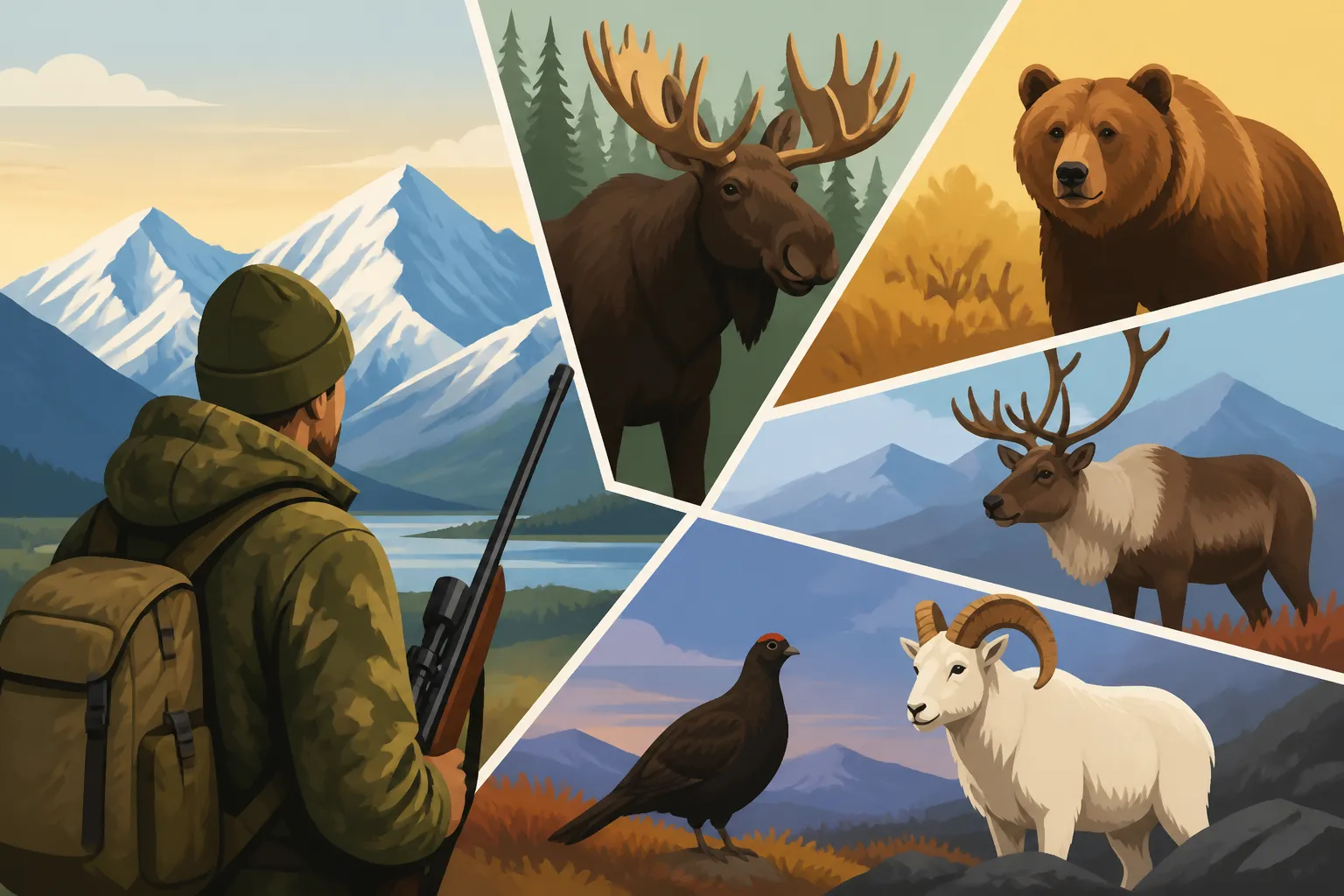
When you picture Alaska hunting, chances are one of these three magnificent animals springs to mind. They represent the quintessential Alaska big game experience, each offering a distinct challenge and an unforgettable reward.
Alaska-Yukon Moose: The Ultimate Harvest
There's something truly awe-inspiring about an Alaska-Yukon moose. These animals are immense, often topping 1,500 pounds, and their antlers can spread wider than a pickup truck. For many hunters, bagging a bull moose is the pinnacle of their hunting career, not just for the impressive rack, but for the sheer volume of lean, delicious meat they provide. We're talking hundreds of pounds of prime protein that will fill your freezer for a year or more, making them an incredibly popular target.
However, hunting moose is no small feat. They inhabit dense willow thickets, sprawling muskegs, and vast river bottoms, often in extremely remote areas. Packing out a bull moose, especially when you're alone, is arguably one of the most physically demanding tasks in hunting. Imagine quartering an animal that size in knee-deep mud or a beaver slough, then shuttling loads weighing over a hundred pounds back to camp. That's why many hunters opt for a Float Hunting Alaska Rivers for Moose and Caribou trip, using the river to move their meat. Calling during the September rut can be incredibly effective, bringing a lovesick bull out of the timber, sometimes right to your feet. If you're planning a hunt, definitely research techniques like Calling Moose in Alaska With a Scapula and a Cow Call to give yourself an edge. Before heading out, many hunters spend countless hours researching units, drawing odds, and potential harvest trends, often utilizing tools found on platforms like GoHunt to analyze data and plan their strategy.
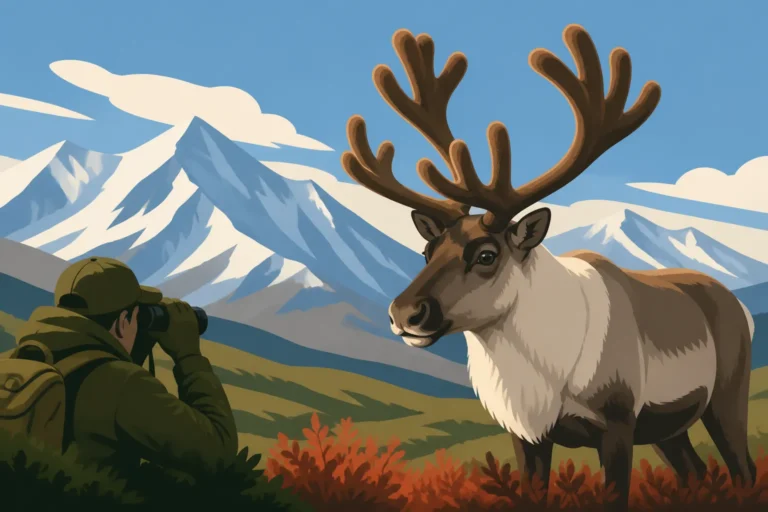
Caribou: The Nomadic Herds
Caribou are often seen as the entry point into Alaska big game hunting for many, and for good reason. Their widespread distribution, often accessible by various means, and the potential for multiple tags in some units make them a highly sought-after species. Hunting caribou means chasing one of nature's great migrations, often across vast, open tundra or through rolling hills. The sheer spectacle of thousands of caribou moving across the landscape is something every hunter should experience. Their meat is fantastic, and a bull caribou, with its unique and intricate antlers, makes for an incredible trophy.
The primary challenge with caribou, however, is their nomadic nature. They can be here today and gone tomorrow, moving dozens of miles in a single day, driven by weather, forage, or instinct. This means flexibility and persistence are key. Hunters often focus on specific herds like the Fortymile Caribou Herd Range and Migration or the Western Arctic Herd's Population Swings, keeping a close eye on population numbers and movement patterns. While some caribou hunts are over-the-counter, many of the more coveted areas require draw permits, making careful application strategies critical. It's often helpful to use mapping and scouting tools, like those you might find through GoHunt, to understand terrain and potential migration corridors before you ever set foot on Alaskan soil. The vastness of the landscape means good navigation skills, as discussed in Alpine Navigation Without Cell Service, are absolutely essential.
Dall Sheep: The Pinnacle of Mountain Hunting
For the truly dedicated, physically fit hunter, the Dall sheep hunt is often considered the ultimate Alaska experience. These pristine white rams inhabit the highest, most rugged mountains of the state, from the Alaska Range to the Brooks Range. It's a hunt defined by breathtaking scenery, extreme physical exertion, and the intense satisfaction of earning a hard-won trophy. The ram itself, with its sweeping full-curl horns, is an icon of the wilderness and a testament to the hunter's resolve.
A Dall sheep hunt is not for the faint of heart. It involves rigorous backpacking, often gaining thousands of feet of elevation daily, navigating treacherous scree slopes, and enduring unpredictable alpine weather. Meticulous Glassing the Alaska Range: Finding Game Before You Move is critical, as rams blend seamlessly into their rocky surroundings. Once spotted, a stalk can take hours, or even days, as you work to close the distance on an animal with incredible eyesight in wide-open country. Judging a legal ram, whether it's a full-curl or meets specific age requirements, takes practice and patience. Check out How to Judge a Full-Curl Ram in the Field for more on that. Non-residents planning a Dall sheep hunt are legally required to hunt with a registered Alaska guide or be accompanied by an Alaskan relative, a rule that highlights the difficulty and safety considerations involved. For more on this, look into Alaska's Brown Bear, Sheep and Goat Guide Requirement.
Bears of Alaska: Black and Brown
Alaska is bear country, and these powerful animals are a major draw for hunters seeking a truly wild experience. Both black and brown bears offer distinct hunting opportunities, each with its own set of challenges and rewards.
Black Bears: Diverse Opportunities
Alaska's black bear population is robust, making them one of the most accessible and frequently hunted big game species. They are found across most of the state's forested areas, offering diverse hunting methods that cater to different preferences. You can pursue them by spot-and-stalk in open burn areas or along green-ups in spring, call them into close range, or hunt them over bait. The spring season, when bears emerge from their dens, and the fall season, often coinciding with salmon runs or berry patches, are both popular.
What makes black bears so appealing is their relative abundance and the variety of experiences they offer. You might encounter bears in a wide range of color phases, from classic black to cinnamon, brown, or even the rare glacier bear in Southeast. For residents, and often for non-residents if they are hunting unguided where allowed, a black bear hunt can be a more budget-friendly and logistically simpler option compared to other big game. Many hunters utilize baiting, which requires specific regulations and registration, so be sure to understand Alaska Black Bear Bait Station Registration and Setting a Legal Black Bear Bait Station in Alaska. Proper hide care is essential for any bear, especially if you plan a rug or a mount.
Brown Bears (Grizzlies): The Top Predator Quest
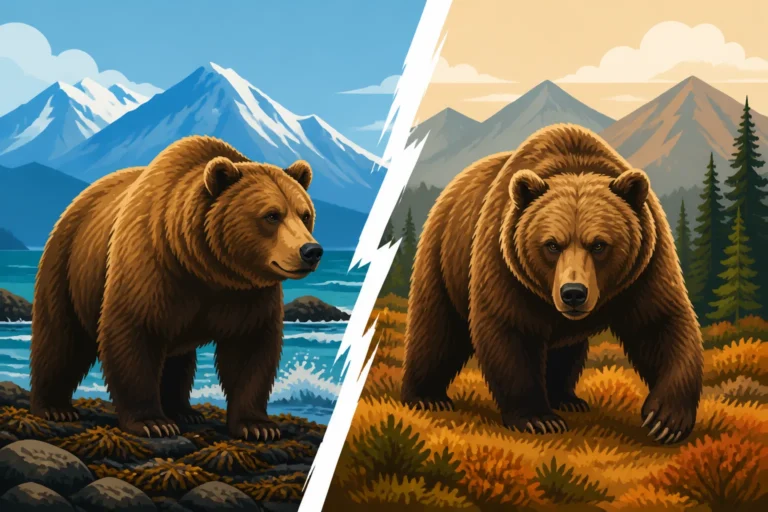
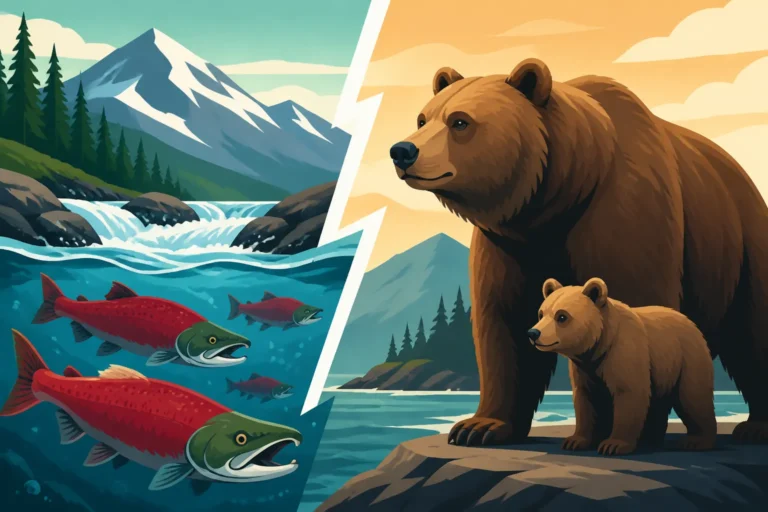
For many, the brown bear—or grizzly, as it's often called in interior Alaska—represents the ultimate big game challenge. These magnificent animals are North America's largest land predators, and hunting them is an intense, humbling experience. Alaska is home to both the massive coastal brown bears, often found gorging on salmon along river systems on the Alaska Peninsula, and the generally smaller, but no less formidable, interior grizzlies. The difference in size is often directly related to food availability; coastal bears benefit from rich salmon runs, allowing them to grow to incredible sizes. You can learn more about this by reading Alaska Brown Bears on the Coast Versus Interior Grizzlies and What Makes Alaska Peninsula Bears So Large.
Hunting a brown bear requires immense preparation, mental fortitude, and a healthy respect for these powerful creatures. Non-residents are legally required to hunt brown bears with a registered guide, making it one of the more expensive hunts in Alaska. The pursuit often involves extensive glassing, careful stalking, and the knowledge that at any moment, you could be in a life-or-death encounter. Choosing an appropriate rifle for brown bear country, as discussed in Rifle Choice for Alaska Brown Bear Country, is paramount for both ethical harvest and personal safety. Hunters often spend years planning and saving for this hunt, using resources like GoHunt to research specific guide services, hunt areas, and success rates before committing to such a significant investment. The reward is an unparalleled trophy and a story that will last a lifetime.
Coastal and Upland Gems: Deer, Goat, and Ptarmigan
Beyond the iconic big game and formidable bears, Alaska offers a wealth of other hunting opportunities. These species might not always make the headlines, but they provide fantastic experiences, excellent meat, and often more accessible hunting scenarios.
Sitka Blacktail Deer: Island Adventures
If you're looking for a hunting adventure in Southeast or parts of Southcentral Alaska, the Sitka blacktail deer is a prime candidate. These deer are found in the dense, temperate rainforests of Alaska's coastal islands and mainland, thriving on lush vegetation. They are smaller than their Lower 48 cousins, like mule deer or whitetails, but offer excellent venison and a challenging hunt. Many hunters appreciate the opportunity for multiple tags in some units, meaning a chance to fill the freezer completely.
Hunting blacktail deer often involves Boat-Based Deer Hunting on Alaska's Island Coastlines, using skiffs or larger vessels to access remote beaches and bays. Hunters then work their way into the timber or up into the alpine, depending on the season and deer movement. The weather can be a significant factor, with persistent rain and dense fog common, which is why Game Bags That Breathe in Coastal Rain are so important. Understanding Tide Tables and Beach Deer Hunting is also critical, as tides can dictate access and movement. The experience of hunting these coastal gems, often against a backdrop of stunning fjords and islands, is truly unique.
Mountain Goats: Vertical Pursuits
Another incredible alpine challenge is hunting Alaska's mountain goat. These iconic white animals inhabit some of the steepest, most rugged terrain imaginable, often above timberline in the Chugach, Kenai, and coastal mountains. A mountain goat hunt is less about antlers and more about the unique beauty of the animal and the sheer physical and mental test it presents. The reward is a beautiful white hide and horns, along with a deep sense of accomplishment.
Similar to Dall sheep, mountain goat hunting demands exceptional physical fitness and a head for heights. Stalking goats in their vertical world is both exhilarating and dangerous. Identifying a legal billy from a nanny is crucial, as avoiding female harvest is vital for herd health. Check out Telling a Billy From a Nanny at Distance for tips. Most mountain goat hunts in Alaska are managed through a drawing permit system, and non-residents are required to have a guide, just like for sheep and brown bear. This is another hunt where thorough research through platforms like GoHunt for draw odds and unit information can be invaluable. The experience is always defined by the stunning, unforgiving landscape.
Ptarmigan: Small Game for Camp Meat
While big game often takes center stage, don't overlook the humble ptarmigan. These hardy upland birds—Willow, Rock, and White-tailed ptarmigan—are found throughout Alaska's alpine and tundra environments. They're often overlooked by hunters focused on larger quarries, but they provide an excellent opportunity for fresh meat in camp, a welcome break from freeze-dried meals.
Hunting ptarmigan is often done opportunistically while on a big game hunt, providing a fun and tasty diversion. They blend incredibly well into their surroundings, changing their plumage with the seasons to match the snow or rocky tundra. Stumbling upon a covey can offer some fast-paced shotgunning action, or a careful stalk with a .22 rifle can fill the pot. They are a fantastic species for new or youth hunters to pursue and a perfect way to augment your camp diet. As we often say, never underestimate the value of Waterfowl and Ptarmigan as Camp Meat to boost morale and energy during a long hunt.
Popular Alaska Game Species Overview
To give you a quick comparative look at some of the most commonly pursued game animals in Alaska, here's a table summarizing key aspects:
| Species | Primary Appeal | Typical Habitat | Common Hunting Methods | Non-Resident Guide Required? |
|---|---|---|---|---|
| Alaska-Yukon Moose | Meat volume, massive trophy | Willow flats, river bottoms, burns | Calling, spot-and-stalk, float hunting | No (often use transporters) |
| Caribou | Abundance, migratory experience, meat | Tundra, open mountains, sparse timber | Spot-and-stalk, intercepting migration | No |
| Dall Sheep | Iconic trophy, extreme challenge | High alpine mountains, rocky slopes | Spot-and-stalk, backpack hunting | Yes |
| Black Bear | Accessibility, diverse methods, meat | Forests, timbered areas | Baiting, spot-and-stalk, calling | No (in many units) |
| Brown Bear | Ultimate predator trophy, challenge | Coastal areas, interior mountains/rivers | Spot-and-stalk, baiting (limited) | Yes |
| Sitka Blacktail Deer | Accessible by boat, good meat, multiple tags | Coastal rainforests, islands | Spot-and-stalk, still hunting, beach access | No |
| Mountain Goat | Unique trophy, extreme challenge | Steep, rugged coastal mountains | Spot-and-stalk, backpack hunting | Yes |
| Ptarmigan | Camp meat, accessible, upland fun | Alpine tundra, rocky slopes | Incidental, walked-up, small game rifle/shotgun | No |
Ultimately, the "most hunted" species often comes down to accessibility, opportunity, and the individual hunter's goals. Whether you're after a massive moose, a migratory caribou, or the ultimate mountain experience with a Dall sheep, Alaska has an adventure waiting. Just remember that thorough research, careful planning, and a deep respect for the land and its wildlife are the keys to a successful and ethical hunt in the Last Frontier.
Disclaimer
This article is for general informational purposes only and does not constitute professional advice. Laws, prices and regulations vary by location and change over time. Consult a qualified professional for guidance on your specific situation.