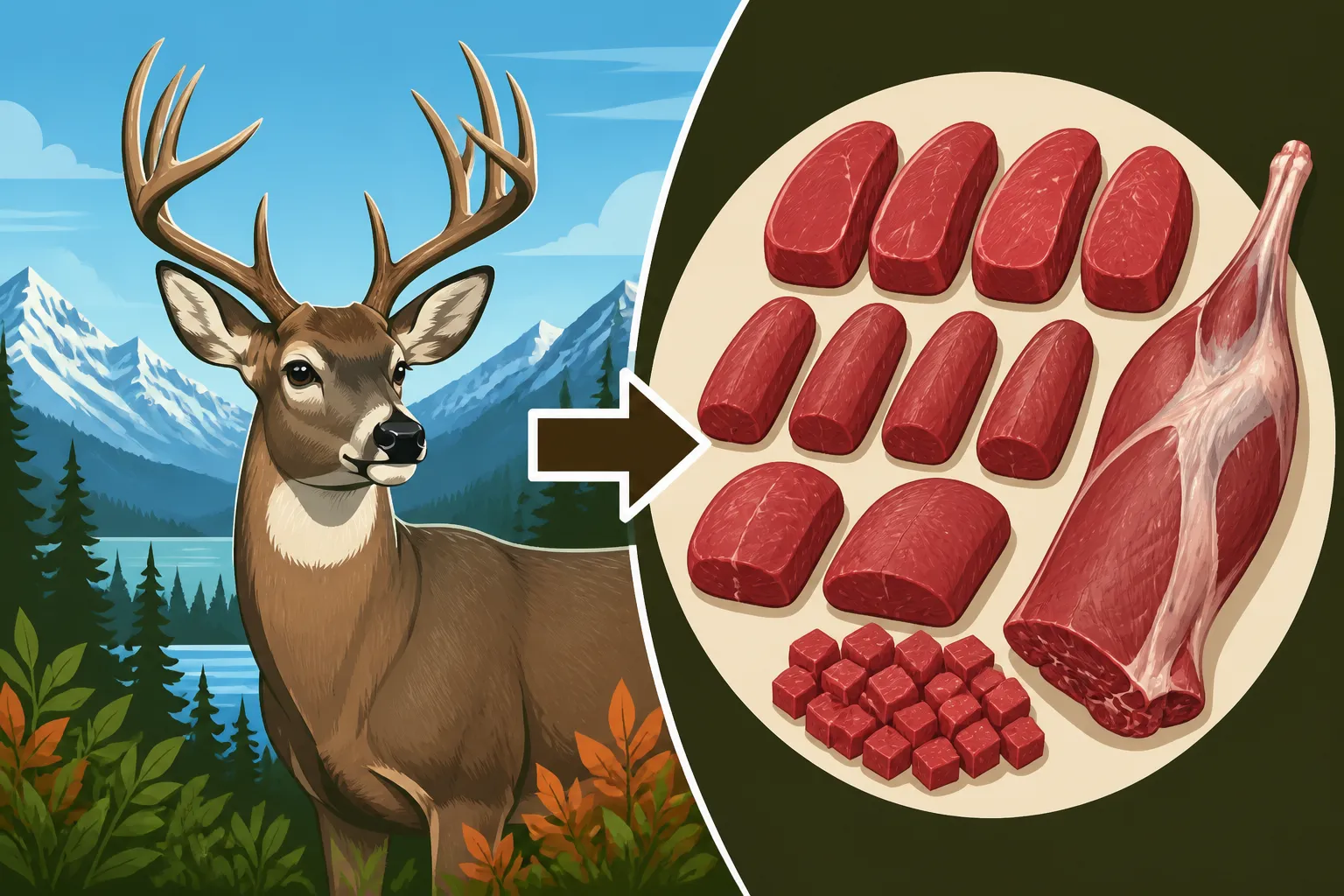
Deer Meat Yield From a Sitka Blacktail
You've successfully harvested a Sitka blacktail deer in the dense Alaskan timber or on a windswept island beach, and now the real work begins: getting that valuable meat from the field to your freezer. One of the most common questions on a hunter's mind, especially after the adrenaline wears off, is just how much delicious venison will actually come off that animal. This guide will walk you through what to realistically expect for meat yield from a Sitka blacktail, from field dressing to boning out, and share critical tips for maximizing every ounce of that hard-earned protein.
Understanding Sitka Blacktail Deer Size and Factors Affecting It
Before we dive into the numbers, it’s important to understand the animal itself. Sitka blacktail deer (Odocoileus hemionus sitkensis) are a distinct subspecies of mule deer, but they are considerably smaller than their interior cousins. If you’re used to hunting larger whitetails or mule deer in the Lower 48, an Alaskan blacktail might surprise you with its more compact stature. They're built for navigating dense coastal rainforests and steep alpine terrain, not for packing on massive amounts of bulk.
A mature Sitka blacktail buck might look quite respectable in the woods, but his live weight will still be less than what many hunters expect from a "big" deer. Does are, of course, smaller still. There are several factors that influence the overall size and, consequently, the meat yield of an individual deer. For instance, deer on nutrient-rich islands like Kodiak or Prince of Wales might typically be a bit heavier than those in areas with harsher winters or less forage. The age of the deer is also a huge factor; a young spike-fork buck will yield significantly less meat than a five-year-old billy. Seasonality plays a role, too: a deer harvested early in the fall will likely have more fat and muscle development than one taken later in the rut, when bucks have often run themselves ragged and burned through reserves. Resources like GoHunt can sometimes offer insights into average harvest weights from specific game units, helping you set realistic expectations for your chosen hunting area.
Think about it: a robust Kodiak buck, deep into the fall, might tip the scales significantly higher than a scrawny yearling buck struggling through a lean winter on a smaller island. These variations are normal and contribute to the unique challenge and reward of hunting in Alaska. To properly judge the potential of your harvest, it’s not just about antler size, but also the deer's overall body condition. When considering Sitka Blacktail Deer Weight Compared to Mule Deer, the difference is often stark, highlighting the smaller frame we’re working with here.
Estimating Meat Yield: The Real Numbers
So, what can you actually expect to take home in terms of boned-out, freezer-ready meat? This is where the rubber meets the road. Hunters often talk about "live weight" and "field-dressed weight," but what truly matters is the "boned-out meat yield."
Let's break down the general percentages:
- Live Weight: This is the deer as it stands in the woods.
- Field-Dressed Weight: This is the weight after gutting the animal. You've typically removed about 20-30% of the live weight here, depending on how thoroughly it's done. For a blacktail, this means the internal organs, blood, etc. are out.
- Boned-Out Meat Yield: This is the actual amount of edible meat, after skinning, deboning, and trimming away most of the fat, gristle, and damaged tissue. You’re generally looking at around 50-60% of the field-dressed weight, or roughly 30-40% of the live weight.
Let’s put some numbers to it. Bear in mind these are averages, and your mileage may vary significantly based on the factors discussed above (age, sex, condition, location, and how meticulously you butcher).
| Deer Size Category | Estimated Live Weight (lbs) | Estimated Field-Dressed Weight (lbs) | Estimated Boned-Out Meat Yield (lbs) |
|---|---|---|---|
| Small Doe/Yearling Buck | 80 – 100 | 60 – 75 | 30 – 45 |
| Medium Buck/Large Doe | 100 – 130 | 75 – 100 | 45 – 60 |
| Large Mature Buck | 130 – 180 | 100 – 140 | 60 – 85 |
So, a really good, mature Sitka blacktail buck might provide you with 60 to 85 pounds of boned-out meat. A smaller doe, or a young buck, could be closer to 30-40 pounds. It’s a substantial amount of organic, lean protein, but it’s definitely not the same as the yield from a 200-pound whitetail. When you're assessing a buck in the field, remember that Telling a Spike-Fork Bull From a Yearling applies to deer as well – a young deer simply won't have the muscle mass of an older animal. Planning for a successful hunting trip often involves setting realistic expectations, and understanding these yield numbers is a big part of that. Many hunters use tools from GoHunt to help with their planning, as it provides a wealth of information that can inform expectations about game size and abundance in different units.
Field Care and Its Impact on Salvageable Meat
The amount of meat you actually get home isn’t just about the deer’s size; it’s heavily influenced by your field care practices. In Alaska, where weather can be notoriously unpredictable and the terrain rugged, proper field care begins the moment the animal is down. This is not a luxury, it's a necessity.
The first and most critical step is rapid field dressing. Get those guts out as quickly as possible to allow the carcass to cool. This is especially vital in warmer early-season hunts or when you’re hunting on a rare sunny day. Leaving the guts in for too long can lead to bacterial growth and souring of the meat, especially around the body cavity. This can ruin perfectly good meat, or at least necessitate extensive trimming that significantly reduces your yield. We've all heard stories, or experienced ourselves, how quickly things can go south when Meat Care in 50-Degree September Weather isn't taken seriously.
Next, consider the shot placement. While any ethical shot is the goal, a deer shot through the guts or hindquarters might have more damaged meat that needs to be trimmed away, reducing your overall yield. A clean shot through the vitals, while still requiring careful trimming around the entry and exit wounds, generally results in less compromised meat.
Skinning is another crucial step. The hide holds in heat, and getting it off promptly helps the meat cool down faster. While some hunters might delay skinning if they're only quartering and packing, a full skinning job in the field, if feasible, is ideal for maximizing cooling.
Finally, quartering and boning out in the field. This isn't just about making the animal easier to pack; it's about getting the meat off the bone and into breathable game bags for optimal cooling. Bones retain heat, so separating the meat from the bone further aids in cooling. This also allows you to trim away unwanted fat, connective tissue, and bloodshot areas while still in the field, lightening your pack and ensuring only the best meat makes it home. For those Packing a Deer Off a Beach at Low Tide or out of dense alders, boning out is practically a requirement, not an option.
Maximizing Your Meat Recovery
Every hunter wants to get the most out of their harvest, not just for ethical reasons, but because that venison is a precious resource. Here are some strategies and tips for ensuring you maximize your Sitka blacktail deer meat yield.
Smart Field Processing Techniques
Once the deer is down and field-dressed, think about how you’ll break it down. For a Sitka blacktail, especially in remote areas or dense timber, many hunters opt for the "gutless method" or quartering the animal. The gutless method involves skinning and deboning the major muscle groups without opening the body cavity, which can be ideal in bear country or when you need to be very efficient. However, it still requires proper cooling once the meat is off the carcass.
When you're quartering, ensure you get all the major muscle groups – the two hindquarters, the two front shoulders, and the backstraps and tenderloins. Don't forget the neck meat, which can be substantial and excellent for grinding, and any other smaller strips of meat you can carefully salvage. Using sharp knives and taking your time will reduce waste.
Proper Meat Protection and Cooling
Once the meat is off the bone, it needs to be protected and cooled immediately. This means using high-quality, breathable game bags. Don't use plastic trash bags directly on the meat; they trap heat and moisture, which invites bacterial growth. Game Bags That Breathe in Coastal Rain are invaluable for Alaska conditions, allowing air circulation while keeping flies and debris off the meat.
Hang your meat whenever possible, especially if you have an overnight stay in camp. Get it off the ground, preferably in a shady, breezy spot. If hanging isn't an option, lay the quarters out on branches or a tarp, flipping them periodically to ensure even cooling. In some scenarios, hunters might even immerse bagged meat in cold stream water for a short period to rapidly drop its temperature, though care must be taken to prevent waterlogging. Always prioritize cooling before packing, even if it means waiting an extra hour.
Efficient Packing and Transport
Once the meat is cooled, it’s time for the pack-out. This is where lightweight, well-designed pack frames become essential. Boned-out Sitka blacktail quarters are manageable, typically weighing 15-25 pounds each for a good-sized buck, plus the backstraps and trim. Breaking the animal into manageable loads prevents fatigue and helps you get the meat out quickly, further minimizing spoilage risk.
When hunting islands like Prince of Wales, where Deer Populations on Prince of Wales Island are robust and access might be by skiff, careful planning for the boat ride back to civilization is necessary. Ensure you have coolers with ice ready, especially if you have a longer run back to a processor or your home freezer. Even if you're only walking a short distance to a road system vehicle, having large coolers with ice and proper insulation is key for preserving your hard work.
Butchering and Storage at Home
Finally, once the meat is out of the field, the final butchering process at home or at a professional processor determines your ultimate yield. Trim off any remaining fat, silver skin, or bruised meat. Separate cuts for steaks, roasts, and grind. Proper vacuum sealing or freezer wrapping will prevent freezer burn and keep your venison fresh for months.
By implementing these strategies, from understanding the animal's natural yield to meticulous field and home care, you can ensure that your Sitka blacktail deer provides you with the maximum amount of delicious, high-quality venison for your table. It's a testament to your effort and respect for the animal, turning a successful hunt into a year's worth of meals.
Disclaimer
This article is for general informational purposes only and does not constitute professional advice. Laws, prices and regulations vary by location and change over time. Consult a qualified professional for guidance on your specific situation.