Wolverine Home Range Size
If you've ever dreamt of pursuing a wolverine in Alaska, the sheer elusiveness of these creatures often feels like the biggest hurdle. Beyond their cunning nature and incredible strength, one of the most significant factors making them such a challenge is the staggering size of their home ranges. Trying to find a wolverine can feel like searching for a needle in a haystack, and that haystack is the size of a small state. This guide will dive deep into understanding these vast territories, giving you a realistic picture of what you're up against and how that knowledge can inform your approach to these incredible animals.
The Immense Scope of Wolverine Territory
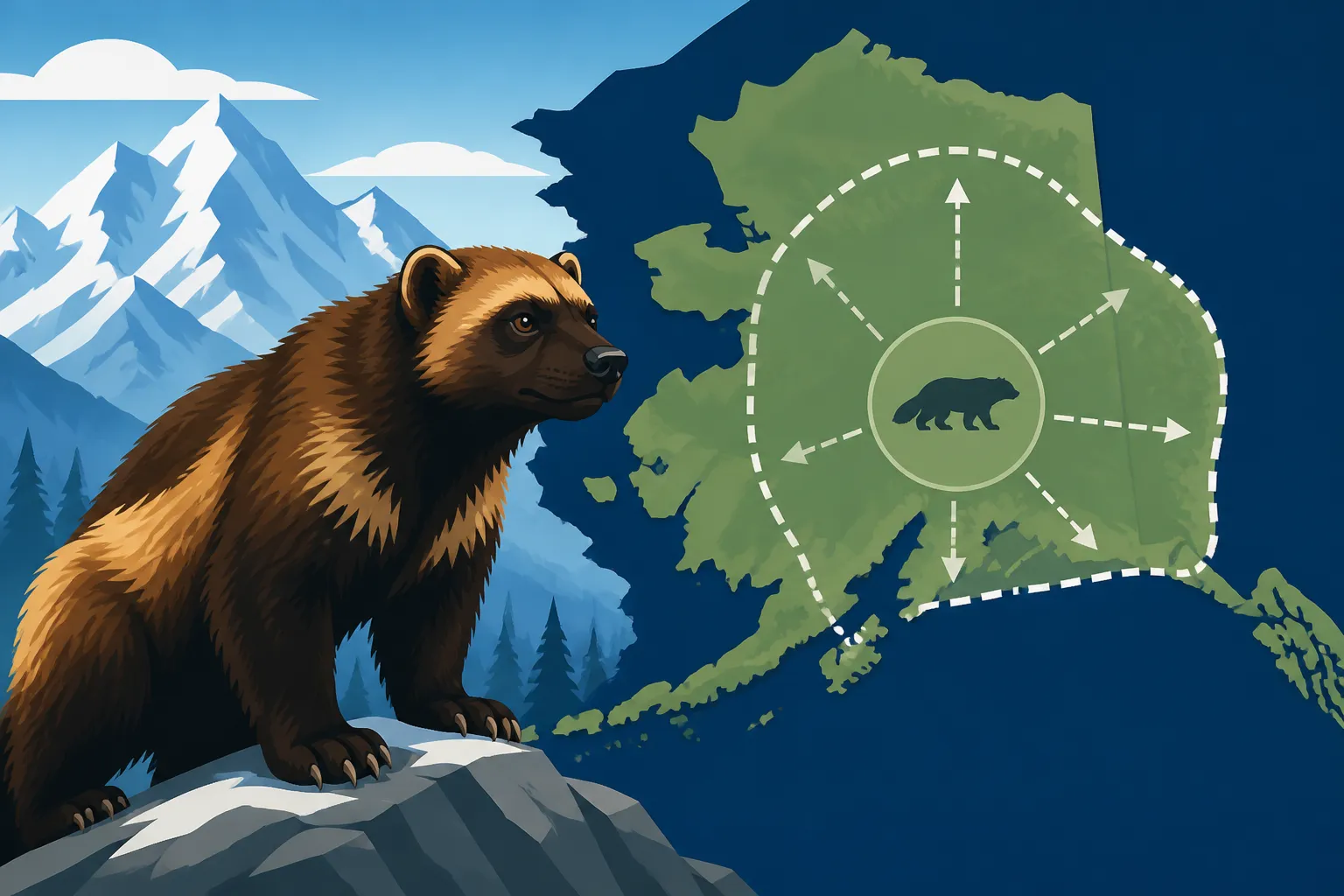
Wolverines, often called "skunk bears" or "gluttons," are undeniably charismatic and tough as nails. They embody the wild spirit of Alaska, capable of thriving in some of the harshest environments imaginable. But unlike many furbearers that might stick to a relatively small, predictable patch of woods, wolverines operate on an entirely different scale. Their need for solitude and vast, undisturbed expanses means their individual territories can stretch for hundreds, sometimes even thousands, of square miles. This isn't just a casual stroll; it's a constant, demanding patrol of their domain.
Imagine trying to effectively scout or hunt an animal that might be 50 miles away from where you last saw sign, moving across mountains and tundra with relentless energy. This wide-ranging behavior is deeply ingrained in their survival strategy, allowing them to exploit dispersed food sources and avoid competition. It’s a testament to their incredible endurance and adaptability, but it’s also the primary reason they are such a rare sight, even in areas where their populations are healthy. You're not just looking for a wolverine; you're trying to intersect with an animal that is constantly on the move across an area larger than many national parks.
Factors Influencing Range Size
The exact size of a wolverine's home range isn't a fixed number; it's a dynamic puzzle influenced by several critical environmental and biological factors. Think of it like this: an Alaskan trapper's needs might change based on the snow depth and how many moose are in the area, and a wolverine's needs are similarly flexible, but with even higher stakes.
Primarily, food availability is a massive driver. In areas where prey is abundant, or carrion from larger kills (like moose or caribou) is more common, a wolverine might not need to travel quite as far to secure enough to eat. Conversely, in lean times or naturally less productive environments, they have to expand their search, pushing their territorial boundaries further and further. Sex also plays a significant role; males generally maintain much larger ranges than females, especially during the breeding season when they are actively seeking mates. Younger, dispersing wolverines might also exhibit incredibly wide-ranging movements as they search for an unoccupied territory to call their own. Topography matters too; vast, open tundra might allow for more expansive travel, while dense forests or steep, jagged mountains could create natural barriers or corridors that shape the range differently.
Comparing Sexes and Seasons
The differences in home range size between male and female wolverines are quite pronounced, and they tell an interesting story about their social structure and reproductive strategies. Adult male wolverines are the true nomads of the species, often patrolling territories that can dwarf those of their female counterparts by several times. This is largely driven by their need to find and access multiple females for breeding during the late winter and early spring. A single male's range will often overlap with the ranges of several females, demonstrating a polygynous mating system where one male breeds with multiple females.
Female wolverines, especially those with kits, tend to have smaller, more concentrated ranges. Their movements are often dictated by the need to protect and provision their young, meaning they're less likely to undertake the epic wanderings of a lone male. Denning sites, usually in deep, persistent snowdrifts or rock crevices, become a focal point, and their movements will center around these crucial locations for several months. As the kits grow, the mother's range may gradually expand, teaching them how to hunt and survive. Outside of the breeding and denning seasons, both sexes might still cover considerable ground, but the seasonal demands of reproduction create distinct patterns in their territorial use.
Alaska's Diverse Habitats and Wolverine Ranges
Alaska isn't just one big, homogenous wilderness; it's a tapestry of incredibly diverse ecosystems, from the coastal rainforests to the Arctic tundra, and each of these environments influences how wolverines utilize space. A wolverine living in the rugged peaks of the Alaska Range will navigate its world differently than one traversing the sprawling flats of the Interior or the remote North Slope. This variation in habitat directly translates to differences in home range size and configuration, making each wolverine's territory uniquely adapted to its surroundings.
For hunters and trappers, understanding these habitat-specific patterns is crucial. You wouldn't expect to find a wolverine in the same kind of terrain or moving in the same way in Southeast Alaska as you would near Fairbanks. This is why thorough Scouting a Unit From Satellite Imagery Before You Fly can be so important, even before you set foot on the ground. You're looking for patterns in the landscape that suggest how these animals might travel and where their food sources or denning sites might be concentrated, helping you narrow down those immense home ranges.
Mountainous Regions and Sparse Resources
When you think of a wolverine, often the image that comes to mind is a creature scrambling across a windswept mountain ridge. And for good reason: many wolverine populations thrive in the high country. In Alaska's vast mountainous regions, like the Brooks Range or the mighty Chugach, resources can be incredibly sparse and spread out. Winter snows are deep and long-lasting, and the vegetation is often limited to hardy alpine tundra plants, which means less direct food for prey animals. This scarcity often forces wolverines to maintain even larger home ranges than those in more productive lowlands.
They become masters of covering vast distances, often using ridgelines, mountain passes, and drainages as their highways. While a service like GoHunt can pinpoint topographical features, understanding why a wolverine might prefer one ridge over another comes from experience and knowing their habits—they’re looking for caribou or Dall sheep carcasses, small mammals, or denning sites. The ruggedness of the terrain, while providing excellent denning and hiding spots, also means that the food itself is widely dispersed, requiring a tremendous amount of travel and energy expenditure to find enough to survive. This makes encounters even less frequent, validating the frustration many hunters feel when pursuing these phantom-like animals.
The Role of Snowpack and Denning Sites
Deep, persistent snowpack is not just a backdrop for wolverine life; it's an essential component of their survival strategy, especially for females. Wolverines are unique in their reliance on snow for denning. Females typically dig their natal dens into deep snowdrifts or under downed timber covered by snow, often at high elevations or in north-facing aspects where snow persists late into the spring. This snow acts as insulation, protecting their vulnerable kits from harsh temperatures and potential predators.
Because these critical denning sites require specific conditions—namely, deep, consolidated snow that lasts for months—the availability and distribution of such areas can influence where female wolverines establish the core of their home ranges. A female might establish a smaller overall range if prime denning habitat is readily available within a reasonable distance of food sources. Conversely, if suitable denning locations are scarce, she might be forced to travel further, expanding her home range to encompass both secure denning and adequate foraging opportunities. For hunters and trappers, recognizing areas with consistent, deep snow can offer clues about potential wolverine activity, particularly if you're looking for areas where females might be raising young. Wolverine Sets in Deep Snow are often placed with this knowledge in mind.
Implications for Trapping and Hunting Strategy
Understanding the immense home range size of wolverines isn't just an academic exercise; it's absolutely fundamental to developing any successful hunting or trapping strategy in Alaska. If you approach a wolverine hunt like you would a fox or even a lynx, you're likely to be disappointed. These animals demand a completely different mindset and scale of operation. Their elusive nature, combined with their vast territories, means that patience, persistence, and a willingness to cover enormous amounts of ground—or deploy traps across an equally impressive linear distance—are paramount.
The challenge lies in the sheer odds: how do you even intersect with an animal that might only pass through a specific point on its range once every few weeks? It requires a blend of historical knowledge, modern scouting techniques, and a deep appreciation for the animal's behavior. The frustration is real; many seasoned Alaska hunters spend years in the field hoping for an opportunity at a wolverine, only to catch a fleeting glimpse or find a single track. This is where understanding their movements becomes your most powerful tool. For those planning a more extensive trip, perhaps involving Backpack Hunting in Alaska: Gear Weight and Meat Loads, knowing the vastness of wolverine territories reinforces the need for ultralight, efficient travel to cover more ground.
Locating Active Territories
Given their vast territories, you're not really looking for a wolverine as much as you're looking for evidence of consistent wolverine activity within a larger area. This often involves a multi-pronged approach to scouting. Start with topographical maps and satellite imagery, looking for natural travel corridors: ridgelines, frozen rivers, low passes between mountain ranges. These are the highways wolverines use to efficiently traverse their ranges. Look for areas with a mix of dense cover and open country, as well as potential food sources like winter caribou range or areas known for small mammal populations. Understanding these vast ranges is precisely why tools like GoHunt are becoming invaluable for modern hunters and trappers who want to make the most of their time in the field, helping visualize terrain and potential travel corridors.
Once you have potential areas identified, physical scouting becomes essential. Look for tracks in snow or soft ground, scat, and even rub marks on trees, particularly on prominent landmarks within these travel corridors. Wolverines are notorious for caching food, so finding old kill sites or hidden caches could indicate a regularly used part of their range. Even with excellent digital mapping tools like GoHunt, boots-on-the-ground scouting remains critical for confirming these signs. Remember, these animals are highly opportunistic scavengers, so any significant carrion source (like a moose kill) will draw them in and can be a temporary focal point within their large territory.
Setting Up for Success Across a Broad Area
Since wolverines are constantly moving, your strategy needs to account for this wide-ranging behavior. For trappers, this means setting long, extensive traplines, often covering dozens of miles, or strategically placing a few very effective sets in known travel funnels. Baiting, when legal, can be incredibly effective, but it needs to be substantial enough to draw a wolverine from a distance and keep its interest. Think about using a large, scent-rich bait that will slowly decompose and emit odors over a long period, rather than something small and quickly consumed. This is a bit different from how one might approach a Alaska Black Bear Bait Station Registration, which typically has a much smaller "draw" radius.
For hunters, intercepting a wolverine is often a game of chance and extreme patience. Calling, like in Predator Calling for Alaska Wolves and Wolverine, can sometimes work, but you need to be in an area where a wolverine is already moving and curious. Often, it involves combining hunting for other big game, such as caribou or moose, with opportunistic wolverine hunting. If you make a kill and leave it overnight, particularly in cold weather, it becomes a beacon for scavengers, and a wolverine might be among the first to investigate. Setting up a long-range glassing position in an area with good visibility over vast tracts of potential wolverine habitat and being willing to spend days observing can also increase your odds. For those trying to integrate scouting and hunting, GoHunt can help visualize potential hunting points and routes.
Research and Understanding Wolverine Movements
The very challenge of hunting wolverines is what makes them so fascinating to researchers. Scientists have dedicated years to studying these elusive animals, employing various techniques to unravel the mysteries of their movements and ecological needs. This research not only expands our general knowledge but also provides critical data for wildlife management and conservation efforts. Understanding how wolverines utilize their vast home ranges helps biologists assess population health, identify critical habitats, and set sustainable harvest limits, ensuring that these incredible creatures continue to thrive in Alaska's wilderness.
This scientific endeavor goes hand-in-hand with the anecdotal wisdom of trappers and hunters. Both groups are observing the same animal, albeit with different objectives. The more we collectively understand about how wolverines move across the landscape, the better equipped we are to appreciate their resilience and manage their populations responsibly. For those planning remote excursions, consider the importance of signal devices like those discussed in InReach Check-In Schedules for Solo Hunts for both safety and for potentially sharing observations with wildlife professionals if you stumble upon something truly unique.
Tracking Methods and Data
One of the primary ways researchers gather data on wolverine home ranges is through telemetry, most commonly using GPS collars. These collars are remarkable pieces of technology that transmit location data at regular intervals, allowing biologists to map an individual wolverine's movements over weeks, months, or even years. This data reveals intricate travel patterns, preferred habitats, migration routes, and the sheer scale of their territorial patrols. Researchers can see how much ground a wolverine covers in a day, where it rests, and how it responds to changes in prey availability or human activity.
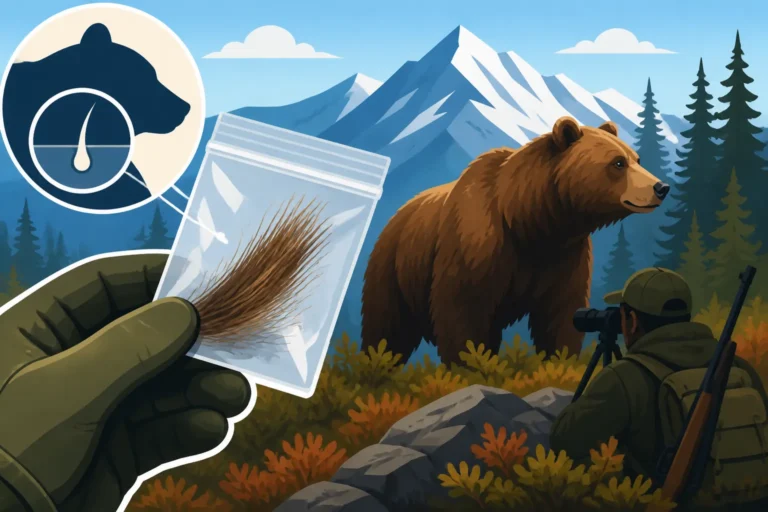
Beyond GPS, traditional tracking methods are still invaluable. Following wolverine tracks in the snow provides a detailed, if temporary, snapshot of their activity. This can reveal how they hunt, where they cross terrain features, and even what they're investigating. Hair snares, remote cameras, and scat analysis also contribute to the body of knowledge, helping to identify individuals, assess diet, and estimate local population densities. All this data paints a clearer picture of their truly nomadic existence and the environmental factors that shape their movements. For those relying on public land data and aerial imagery, resources like GoHunt can help overlay crucial information like known travel routes or historical sighting areas, offering a starting point for your own reconnaissance.
Conservation and Management Considerations
The extensive home ranges of wolverines pose unique challenges for conservation and management. Because individual animals require such vast, interconnected landscapes, habitat fragmentation from human development—roads, industrial activity, or expanding settlements—can severely impact their ability to thrive. A small patch of protected wilderness might be enough for a deer, but it’s often woefully inadequate for a wolverine, which needs unbroken corridors to move between foraging areas and den sites. This directly relates to the broader discussion around Wolverine Range and Density in Alaska.
Understanding home range dynamics is also critical for setting appropriate harvest regulations. Wildlife managers use this data, along with population estimates and reproductive rates, to ensure that hunting and trapping seasons are sustainable. They need to account for the fact that a wolverine taken from one area might create a void that other wolverines are slow to fill, or that a single trapline might intersect with the ranges of multiple animals. The goal is to balance recreational opportunity with the long-term health of the wolverine population, recognizing that these animals are a vital, albeit seldom-seen, part of Alaska's wild ecosystems.
Disclaimer
This article is for general informational purposes only and does not constitute professional advice. Laws, prices and regulations vary by location and change over time. Consult a qualified professional for guidance on your specific situation.