North Slope Muskox Numbers
Understanding the fluctuating muskox numbers on Alaska's North Slope can feel like trying to hit a moving target, especially when you're trying to plan a hunt or simply stay informed about these incredible animals. It's tough to get a clear picture when populations are dynamic, influenced by so many environmental factors, and the information isn't always presented in an easily digestible way. This guide aims to demystify the North Slope muskox populations, explaining how these numbers are tracked, what influences them, and what that means for both the herds and the hunting community.
What Defines North Slope Muskox Populations?
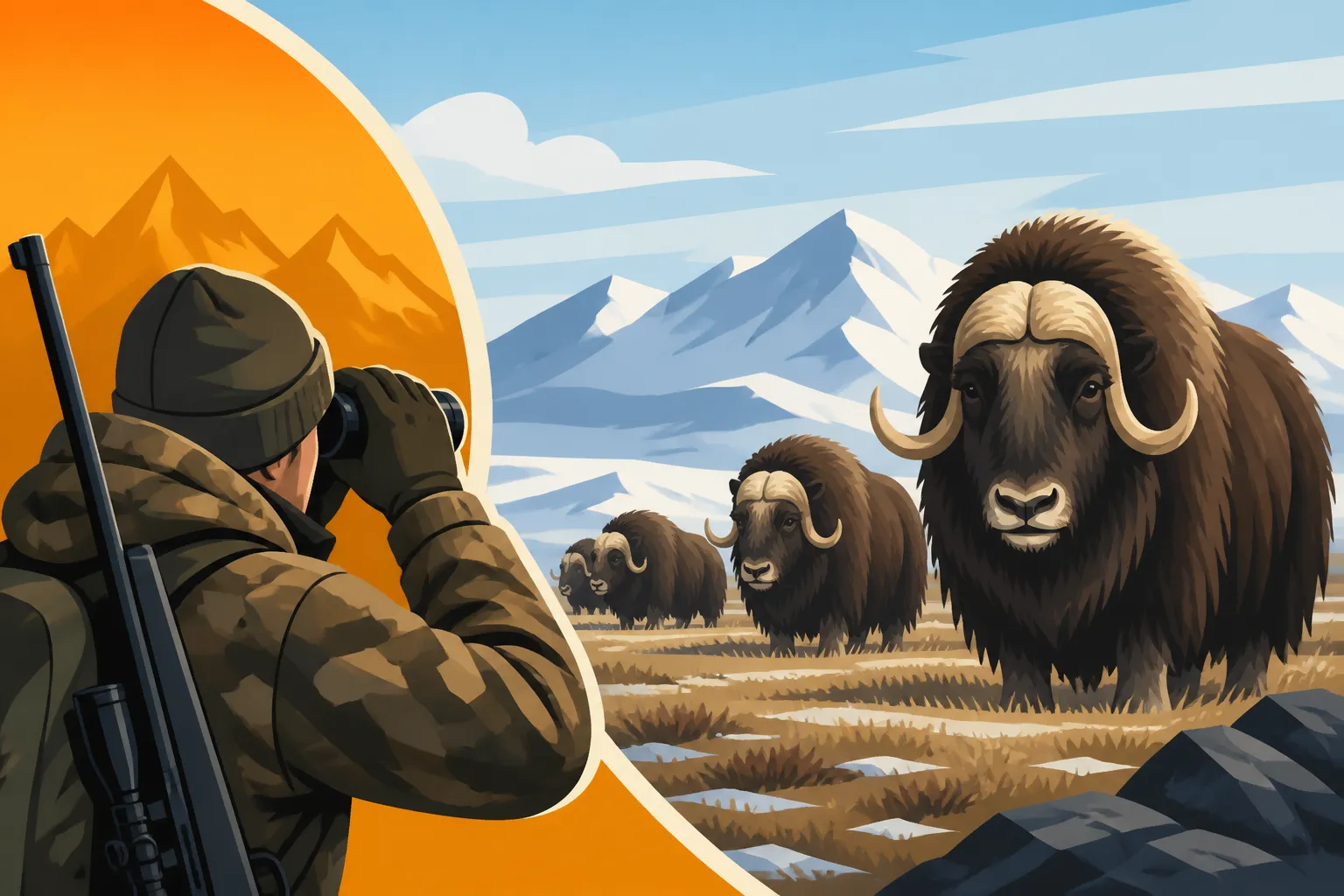
When we talk about North Slope muskox, we're generally referring to the herds that roam across the vast, treeless tundra stretching from the Brooks Range north to the Arctic Ocean. These are truly wild, free-ranging populations, distinct from those found in other parts of Alaska, like on Nunivak Island or the Seward Peninsula. Their existence here is a testament to their incredible adaptation to one of the planet's harshest environments. For hunters and wildlife enthusiasts alike, the health and distribution of these herds are a constant point of interest and, often, a source of logistical challenge.
Geographical Range and Management Units
The North Slope covers an enormous area, primarily encompassed within Alaska Game Management Unit 26. This unit is further broken down into subunits, and these distinctions can matter immensely for specific hunts or management strategies. While muskox might wander between these areas, their core ranges are often associated with particular river drainages or coastal plains. The sheer scale of this landscape means that tracking animals, especially one as nomadic as the muskox, is a monumental task. You might hear discussions about herds tied to the Colville River or the Arctic National Wildlife Refuge, for example, each with its own characteristics and challenges. Arctic Slope Hunting in Unit 26A gives a good overview of some of the considerations in this vast region.
The Dynamics of Herd Isolation and Movement
Unlike some other big game species, North Slope muskox herds are relatively isolated by their habitat, which helps maintain their genetic purity but also makes them vulnerable to localized events. They don't typically mix with herds from the Seward Peninsula or Nunivak Island, for instance. However, within the North Slope, herds are known to move extensively, following forage availability or avoiding deep snow. This constant movement is a critical aspect of their survival, but it's also why population counts can be tricky. A herd counted in one area today might be miles away tomorrow, making trend analysis over vast, remote territories an ongoing effort for biologists. Tools like GoHunt can be invaluable for cross-referencing past observations and understanding these large-scale movements, offering a clearer picture than anecdotal sightings alone.
Factors Influencing Muskox Numbers on the North Slope
Muskox populations are not static; they ebb and flow in response to a complex interplay of environmental factors. These animals are survivors, but even they have limits. Understanding these factors is key to interpreting population data and anticipating future trends, which is something every hunter or conservationist grappling with this information would appreciate.
Habitat and Forage Availability
The North Slope is a land of extremes, and the availability of suitable forage is paramount for muskox survival and reproduction. Muskox are grazers, relying heavily on sedges, grasses, and willows that manage to grow in the thin, permafrost-laden soils. A series of good growing seasons can lead to robust plant growth, directly benefiting the herds. Conversely, poor growing seasons or events like late-melting snowpacks can reduce available food, leading to weaker animals, lower calf survival, and a dip in overall numbers. It's a delicate balance, and any shift in the Arctic ecosystem ripples through the muskox population. Muskox Qiviut and Winter Survival highlights some of their adaptations to this harsh environment.
Predation Dynamics
While muskox are formidable animals, especially when they form their defensive circle, calves and older or weaker individuals are vulnerable to predators. Wolves and grizzly bears are the primary natural predators on the North Slope. A rise in predator populations, or a shift in their hunting patterns, can certainly impact muskox calf survival, which is critical for herd growth. It's not a simple one-to-one relationship; a healthy muskox herd can often withstand some predation, but sustained pressure, especially during calving season, can definitely put a dent in those numbers.
Climate Impact and Weather Extremes
Perhaps no factor looms larger over North Slope muskox numbers than the Arctic climate. These animals are built for the cold, but certain weather extremes can be devastating. Heavy, prolonged snowfall that crusts over, preventing access to forage, can lead to starvation. Conversely, early thaws followed by refreezes can create ice layers under snow, again locking away food. I've heard countless stories of hunters talking about how a particularly "hard winter" dramatically impacted a local herd. Mild winters can lead to higher survival rates and more successful breeding seasons, allowing herds to rebound. Understanding these large-scale climate patterns is something advanced hunting platforms like GoHunt try to incorporate into their predictive models, giving hunters a holistic view.
Disease and Health Concerns
Like any wild population, muskox are susceptible to various diseases, though outbreaks on the North Slope are less commonly reported as major population drivers compared to, say, caribou herds. However, lungworm and other parasites are known to affect muskox, especially in denser populations. While generally robust, a novel disease introduced or an existing one flaring up could have significant, localized impacts on herd health and numbers. Keeping an eye on reports from wildlife biologists regarding any observed health issues in harvested animals is a small but important way hunters can contribute to monitoring efforts.
Tracking and Managing North Slope Muskox Populations
For hunters, understanding population data isn't just academic; it directly affects permit availability and the overall hunting experience. The way these numbers are tracked and managed is a continuous, labor-intensive process, and it's something that often sparks discussion amongst the hunting community.
Aerial Surveys and Population Estimates
The primary method for estimating muskox numbers on the North Slope involves extensive aerial surveys. Biologists fly fixed-wing aircraft or helicopters over vast tracts of tundra, counting animals and noting herd compositions (cows, calves, bulls). This isn't just a simple count; they often employ rigorous statistical methods to extrapolate from surveyed areas to the entire range. It's an expensive and weather-dependent undertaking, prone to challenges like fog, whiteout conditions, or simply the sheer difficulty of spotting animals against a vast, often snow-covered, backdrop. These surveys are essential, though, as they provide the baseline data that informs management decisions and, ultimately, hunting quotas.
Harvest Data and Biological Monitoring
Every successful muskox hunt provides valuable data. Hunters are required to report their harvests, and in many permit hunts, skulls and horns must be presented for sealing. This allows biologists to collect critical information on age, sex, and sometimes even genetic samples or health indicators. This harvest data, combined with field observations and aerial surveys, helps create a more complete picture of the herd's demographics and health. It’s a closed feedback loop: management sets quotas based on survey estimates, and harvest data then helps refine those estimates for future seasons. Understanding this cyclical nature helps you appreciate why detailed Alaska Harvest Report Deadline After the Hunt rules exist.
Hunter Engagement and Community Input
Local communities, especially those with subsistence traditions, often have a deep, intimate knowledge of muskox movements and local population trends. Their observations and input are invaluable to wildlife managers, providing a ground-level perspective that aerial surveys might miss. For all hunters, staying informed through official channels, understanding the regulations, and providing accurate harvest reports are all ways to contribute to the robust management of these unique herds. Organizations and resources like GoHunt often compile public data and discussions, offering a platform for hunters to connect with and contribute to this collective understanding.
Here's a simplified look at the different kinds of data points that help shape our understanding of muskox numbers:
| Data Point Type | How It's Gathered | What It Tells Us | Hunter Relevance |
|---|---|---|---|
| Aerial Survey Counts | Fixed-wing or helicopter flights, visual counts | Total population estimates, herd distribution, cow-calf ratios | Basis for permit quotas, general population health |
| Harvest Reports | Mandatory hunter submissions after a kill | Sex ratios of harvested animals, general harvest pressure | Reflects success rates and permit allocation |
| Biological Samples | Age, genetics from harvested animals (teeth, tissue) | Herd age structure, genetic health, disease presence | Indicates long-term herd viability, potential issues |
| Environmental Data | Weather patterns, snow depth, vegetation mapping | Habitat quality, potential for winter mortality | Helps predict future population trends, hunt difficulty |
| Local Observations | Input from residents, guides, long-term trappers | Anecdotal but valuable, local movements, unusual events | Confirms or nuances official data, local nuances |
Implications for North Slope Muskox Hunting Opportunities
The North Slope offers a truly exceptional muskox hunting experience, but it’s a privilege tied directly to the health of the herds. The current numbers and trends have a direct bearing on the opportunities available to hunters.
Permit Availability and Hunt Structure
Muskox hunting on the North Slope typically operates under a drawing permit system or a registration permit that can close on quota. This carefully controlled access ensures that harvest levels remain sustainable and aligned with population objectives. When numbers are robust, permit opportunities might be more frequent or cover larger areas. If populations are stable or slightly increasing, more permits might be offered. Conversely, a decline in numbers, perhaps due to a severe winter, would likely lead to reduced permit availability or tighter restrictions in subsequent seasons. Keeping an eye on the Alaska Board of Game meeting cycle and public announcements is crucial for understanding these shifts. Check out Alaska Muskox Season Structure for more on how these hunts are designed.
Success Rates and Hunt Planning
Even when permits are available, the dynamic nature of muskox herds means that success rates can vary. Hunters often invest significant time and resources into these remote hunts, and understanding the population trends beforehand is vital for realistic expectations. Factors like deep snow or unusual herd movements can make finding animals incredibly challenging, even in areas with healthy populations. This is where detailed scouting reports, historical harvest data often available through resources like GoHunt, and up-to-date information on herd locations become indispensable for hunters trying to maximize their chances.
Future Outlook for North Slope Muskox
The long-term outlook for North Slope muskox depends heavily on continued diligent management and the resilience of these animals in the face of a changing Arctic. While there are always challenges, the commitment of wildlife managers and the hunting community to sustainable practices helps ensure that these magnificent creatures will continue to roam the tundra for generations to come. Their ability to adapt and survive in such a harsh environment is truly inspiring, and being a part of their story, whether as a hunter or an admirer, is an extraordinary experience.
Disclaimer
This article is for general informational purposes only and does not constitute professional advice. Laws, prices and regulations vary by location and change over time. Consult a qualified professional for guidance on your specific situation.