Are Mountain Goats Related to Goats?
It’s a question that trips up many folks, both new to the Alaska hunting scene and even some seasoned outdoorsmen: are those magnificent white beasts scaling the cliffs really "goats" in the same way your neighbor’s farm animals are? The short answer is both yes and no, and understanding the scientific and common usage of the term can save you a lot of confusion, especially when you’re out scouting those rugged peaks. This guide will dive deep into the fascinating world of the Alaskan mountain goat, clarifying their unique place in the animal kingdom and why that distinction matters for anyone hoping to pursue them.
Unraveling the Mountain Goat's Family Tree: Are They True Goats?
The common name, "mountain goat," can be a bit misleading, conjuring images of shaggy, white versions of the domestic goats you might see grazing in a pasture. However, from a strict scientific perspective, the Alaskan mountain goat (Oreamnos americanus) is not a "true goat" in the same genus as domestic goats (Capra hircus) or the wild Capra species like ibex and wild goats. This might come as a surprise, but it's a critical distinction in the world of biology.
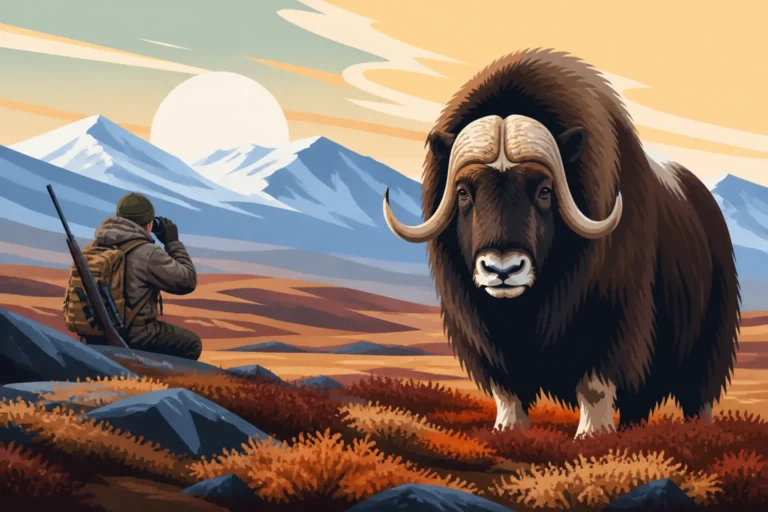
All "goats" and "sheep" and even muskox belong to the subfamily Caprinae, which itself is part of the Bovidae family – the same family that includes cattle and antelope. So, they're certainly related within this broader family, sharing ancient common ancestors. Think of it like a very large extended family reunion. You might have cousins, but they might not share your immediate family name or live in the same house. Mountain goats are a distinct branch of this family tree. They occupy their own unique genus, Oreamnos, a testament to their evolutionary isolation and specialized adaptations to extreme alpine environments. Their closest relatives are actually species like the chamois of Europe and the serows of Asia, and even the muskox, rather than the true goats of the genus Capra. This unique lineage means they've developed a suite of characteristics perfectly suited to their demanding lifestyle, which we don't see in their domestic counterparts or even most wild Capra species.
The Alaskan Mountain Goat: A Master of the Vertical World
When you see an Alaskan mountain goat navigating sheer rock faces, often above timberline where even sheep fear to tread, you quickly understand why they’re in a league of their own. These animals are purpose-built for extreme vertical living. Their physical adaptations are nothing short of incredible. Their hooves, for instance, are unique, featuring soft, pliable inner pads that provide phenomenal traction, surrounded by hard outer edges that can dig into the tiniest ledges. It’s like they have built-in sticky shoes with grippy crampons, allowing them to cling to surfaces that would be impossible for any other large mammal. This specialized foot anatomy is a prime example of their distinct evolutionary path, setting them apart from even the most agile domestic goat.
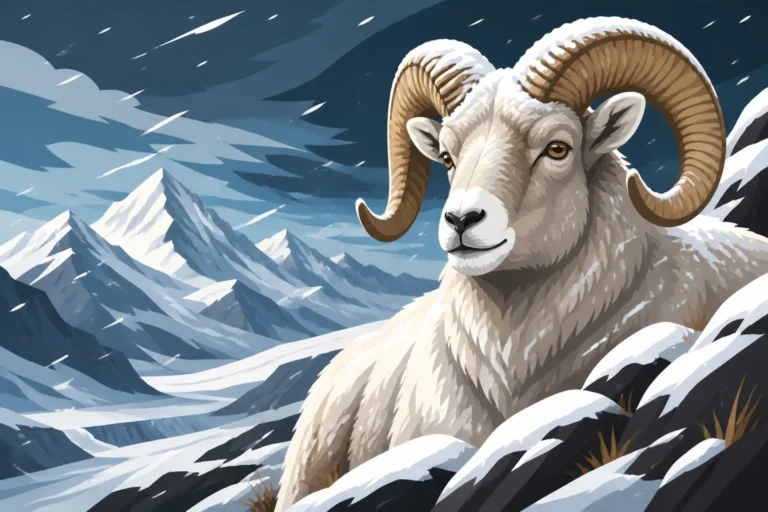
Their thick, shaggy double coat is another marvel of alpine engineering. It’s a dense, woolly undercoat for insulation against brutal cold and wind, overlaid with longer, coarse guard hairs that shed snow and rain. This coat allows them to thrive in environments where temperatures can plummet and blizzards can rage for days. You'll often spot them hunkered down on a narrow ledge during a whiteout, seemingly impervious to the storm. This is a stark contrast to the comparatively thin coats of most domestic goats, which require shelter from harsh weather. In Alaska, mountain goats inhabit some of the most unforgiving landscapes, from the coastal ranges of Southeast to the towering peaks of the Chugach and Kenai Peninsula. If you've ever scouted these areas, you know how truly rugged the terrain is. They choose these high, inaccessible cliffs not just for the views, but for protection from predators like bears and wolves. Learn more about Alaska Mountain Goats in Coastal Cliff Country.
Their diet is equally adapted to this sparse environment, consisting mainly of grasses, forbs, lichens, and mosses found in rocky alpine and subalpine areas. They move deliberately, conserving energy in these challenging conditions. Socially, mountain goats tend to live in smaller groups compared to sheep, often with nannies and kids forming nursery bands, while billies (males) are often solitary or in small bachelor groups, especially outside the rut. This is a species that thrives on isolation and vertical terrain, a true symbol of Alaska's wild, untamed beauty. Knowing their unique physiology helps hunters understand the extreme physical demands of pursuing them.
Distinguishing Mountain Goats from Domestic Stock and Other Wild Caprids
Given their common name, it's easy for folks unfamiliar with Alaskan wildlife to confuse mountain goats with domestic goats, or even with Dall sheep, especially from a distance. However, there are several key features that clearly set mountain goats apart. For starters, mountain goats have thick, pure white coats, which stay white year-round. This is generally much denser and shaggier than any domestic goat, and unlike Dall sheep, which have much shorter, curlier hair. Their body shape is also distinctive: they have a stocky, muscular build with a noticeable hump over their shoulders, giving them a slightly bowed back appearance. Domestic goats, by comparison, are typically more slender and lack that pronounced shoulder hump.
Perhaps the most definitive characteristic, and one that is critical for hunters, is their horns. Mountain goats possess slender, sharp, jet-black horns that curve slightly backward and then upward. Both billies and nannies have horns, though a billy's horns are generally thicker at the base and have less curve, while nannies' horns are often more slender and sometimes curve a bit more dramatically. This is a crucial detail for hunter identification, as distinguishing between males and females is often a legal requirement. In contrast, domestic goats exhibit a huge variety in horn shapes and sizes, many lacking horns entirely or having horns that curl widely or twist in various directions. Dall sheep, the other white alpine animal in Alaska, have massive, golden-yellow curling horns on rams, and much smaller, dagger-like horns on ewes, making them easy to differentiate from mountain goats. Understanding the subtle differences in horn characteristics, as discussed in Mountain Goat Horns on Nannies and Billies and Telling a Billy From a Nanny at Distance, is paramount for a successful and legal hunt.
Beyond physical appearance, their behavior is also different. Mountain goats are incredibly deliberate in their movements across steep terrain, often pausing to assess their footing. They are surprisingly tolerant of humans if approached slowly and quietly, but their primary defense is always to ascend to higher, more inaccessible ground. This distinct behavior, combined with their unique physical traits, ensures that anyone spending time in mountain goat country will quickly learn to appreciate their singular identity. When researching hunt units or regulations, a resource like GoHunt can provide detailed species information that helps solidify these distinctions before you ever step foot in the field.
| Feature | Alaskan Mountain Goat (Oreamnos americanus) | Domestic Goat (Capra hircus) | Dall Sheep (Ovis dalli) |
|---|---|---|---|
| Genus | Oreamnos | Capra | Ovis |
| Primary Habitat | Steep, rocky alpine cliffs and slopes | Varied, often pastures, farms, semi-arid lands | High alpine ridges, open slopes, rocky areas |
| Coat Color | Pure white, dense, shaggy | Highly varied (white, black, brown, spotted) | White (Dall) or grey-brown (Stone/Fannin), short hair |
| Horns | Black, slender, sharp, curve back/up, present on both sexes | Highly varied (straight, curved, twisted, absent), varied colors | Rams: large, curling, yellow-brown; Ewes: small, dagger-like |
| Body Shape | Stocky, muscular, pronounced shoulder hump | More slender, no shoulder hump | More slender than goat, no shoulder hump |
| Hooves | Specialized for traction on rock | General purpose, less specialized | Specialized for rocky terrain, less extreme than goat |
Why This Distinction Matters for Alaska Hunters
For hunters, understanding that mountain goats are not "true" goats in the Capra genus is more than just a biological curiosity; it has practical implications for planning, regulations, and ethical hunting practices in Alaska. First and foremost, proper species identification is crucial for legal harvest. Alaska has specific regulations for mountain goats that differ from those for other species. These often include drawing permits, season dates, and sometimes even a mandatory hunter orientation. Being certain you’re looking at a mountain goat and not, say, a white Dall sheep from a distance, is paramount. Mistakes can lead to citations or ethical breaches. GoHunt is an excellent resource for checking the most current regulations for your specific hunt unit, ensuring you're fully prepared.
Furthermore, knowing the biological distinctiveness of mountain goats emphasizes their unique conservation needs. Unlike domestic goats, mountain goats are a wild, native species integral to Alaska's alpine ecosystems. Their populations can be sensitive to overharvest, especially due to the challenge of distinguishing nannies from billies in the field. Nannies often appear very similar to billies, and accidental harvest of a breeding female can have a disproportionate impact on localized populations. This is why resources like Why Shooting a Nanny Hurts a Goat Herd are so important, stressing the need for careful identification and responsible hunting. Many Alaska mountain goat hunts are managed through drawing permits to control harvest numbers, making success in the draw highly coveted. You can learn more about specific regulations like Alaska Goat Seasons and Nanny Identification.
Ultimately, appreciating the mountain goat as its own unique species, a true marvel of evolution perfectly adapted to Alaska’s rugged high country, deepens the hunting experience. It instills a greater respect for the animal, the challenging habitat it calls home, and the privilege of pursuing it. When you're glassing those distant peaks, researching unit details, or reviewing the regulations for your permit on GoHunt, remember that you're not just hunting a "goat" in the generic sense, but a singular, majestic icon of the Alaskan wilderness. Whether you're planning a trip to the Goat Country Above the Seward Highway or the Goat Permit Areas in the Chugach, understanding these animals helps you become a more knowledgeable and responsible hunter.
Disclaimer
This article is for general informational purposes only and does not constitute professional advice. Laws, prices and regulations vary by location and change over time. Consult a qualified professional for guidance on your specific situation.