When Blacktail Bucks Go Into Rut
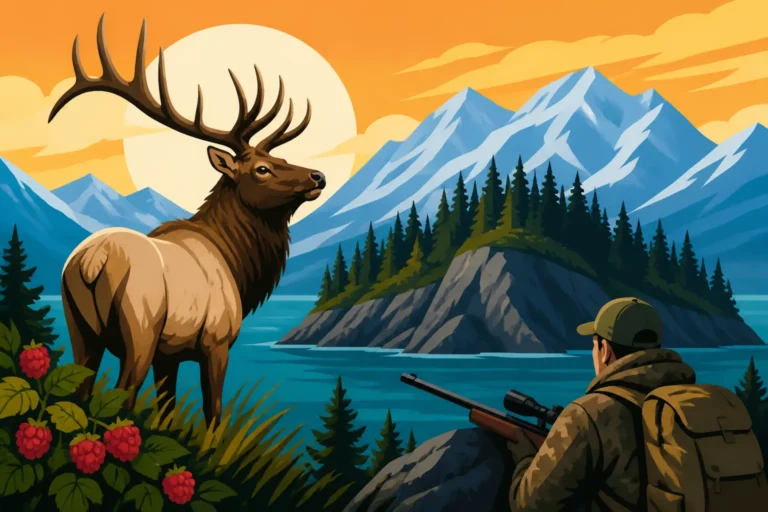
One of the most elusive and often frustrating aspects of hunting Sitka blacktail deer in Alaska is pinpointing the exact moment when the bucks lose their minds and the rut truly kicks into gear. Many hunters spend countless hours in the woods, only to feel like they've missed the peak, seeing only does or young bucks, or perhaps catching a glimpse of a big one just as the season closes. It's a common struggle, particularly in a landscape as diverse and unpredictable as Alaska's. This guide is designed to peel back the layers of mystery surrounding the Sitka blacktail rut, helping you understand the triggers, recognize the signs, and ultimately plan your hunt for maximum success when those bucks are most vulnerable.
The Nuances of the Sitka Blacktail Rut in Alaska
Understanding when blacktail bucks go into rut in Alaska isn't as simple as circling a date on a calendar. These resilient deer, perfectly adapted to the rugged coastal rainforests and mountain slopes, exhibit rutting behavior influenced by a complex interplay of biological clocks and environmental factors. It's less a precise date and more a dynamic window, often leaving hunters scratching their heads.
General Timing and Regional Variations
For Sitka blacktail deer (which, if you didn't know, are a subspecies of mule deer, though they're often compared to whitetails in terms of their rutting patterns), the primary trigger for the rut is photoperiod—the shortening of daylight hours. This internal clock generally pushes bucks into the rut sometime in late October and extending through November. However, to truly understand Blacktail Rut Timing in Southeast Alaska and beyond, we need to consider regional nuances.
In Southeast Alaska, particularly on islands like Prince of Wales or Kodiak, where deer populations can be quite dense, the rut tends to peak in mid-November. You might see early signs of bucks becoming more active, making scrapes and rubs, in late October. But the full-on chasing, grunting, and fighting usually hits its stride around the second and third weeks of November. Areas further north or inland, if blacktails are present, might see a slightly earlier or more compressed rut due to more dramatic temperature swings or earlier, heavier snowfalls. For example, deer on the outer islands might rut a bit later than those deeper inland where winter sets in more aggressively. It's never a singular event across the entire state, which is why local knowledge and recent scouting are so invaluable.
Factors Influencing Rut Commencement
While photoperiod is the ultimate boss for initiating the rut, several other factors can influence its intensity, duration, and the observable activity of bucks.
The most significant secondary factor is often the weather, particularly snowfall. An early, heavy dump of snow can dramatically compress the rut by pushing deer down from higher elevations into more concentrated wintering areas. This can make bucks more visible and active as they jostle for breeding rights in smaller territories. Conversely, a mild fall with no significant snow might see a more drawn-out and less intense-feeling rut, as deer remain spread out across a wider range. Imagine trying to find a buck actively chasing does when they're all spread across thousands of acres of timber and alpine — it's tough! That’s why understanding Deep Snow Winters and Alaska Deer Die-Offs can give you an idea of how much pressure the herd might be under, and how that might impact rut activity in subsequent years.
Another key influence is the number of does coming into estrus. Bucks are largely reactionary. They'll start exhibiting rutting behavior, making their presence known, but the real fireworks begin when the does become receptive. If there's a strong, synchronous estrus cycle among the does in an area, you'll see explosive buck activity. If it's more staggered, the rut might feel less intense, with bucks constantly searching for the next receptive female. This can also vary depending on the overall Sitka Blacktail Deer Population Cycles in Alaska, as healthier herds tend to have more robust rutting activity.
Finally, the age structure of the buck population can play a role. In areas with a healthy number of mature bucks, competition will be higher, leading to more aggressive and visible rutting behavior. In areas where young bucks dominate, you might see some chasing, but less of the intense fighting and territorial displays. This is where researching your specific hunt unit, perhaps through platforms like GoHunt that provide historical harvest data or insights, can give you a better feel for what to expect.
Reading the Signs: How to Identify Peak Rut Activity
The woods during the blacktail rut tell a story, if you know how to read the language. Forget just hoping to see a big buck; learning to interpret the subtle and not-so-subtle cues will significantly increase your odds.
Behavioral Cues from Bucks
When blacktail bucks are in rut, their behavior shifts dramatically. They move with purpose, their minds solely focused on finding and breeding does.
One of the earliest and most widespread signs you’ll find are scrapes and rubs. A scrape is a patch of bare earth, typically under an overhanging branch, where a buck has pawed away the leaves and forest duff. He'll then urinate on it and rub his preorbital glands on the overhanging branch, leaving a potent scent marker. Rubs are made on small trees or saplings, where bucks rub their antlers to remove velvet (earlier in the season) or to demonstrate dominance and leave their scent. During the rut, these aren't just for velvet removal; they're calling cards. Fresh scrapes, damp with urine, and new rubs showing sap where a buck has recently worked them over, are like neon signs pointing to active buck travel corridors. Focus on trails that connect bedding areas to feeding zones, or along the edges of clearings.
Another clear sign is increased daytime movement. Outside the rut, big blacktail bucks are often creatures of the crepuscular hours—dawn and dusk. During the peak rut, however, their biological imperative to breed overrides their natural caution. You might see bucks moving through timber, crossing open areas, or actively chasing does well into the morning or even midday. This is particularly true if the weather is cool and overcast, or if there's light snow on the ground, which makes them feel more secure.
You'll also observe chasing and sparring. This is the most exciting and undeniable evidence of an active rut. Bucks will actively pursue does, sometimes for considerable distances, driven by the scent of a receptive female. You might hear the crashing of antlers as two bucks spar for dominance, or even outright fight over a doe. These encounters are typically short but intense, leaving no doubt about the deer's intentions. Keep your ears open!
Finally, pay attention to vocalizations. While not as boisterous as whitetails, blacktails do grunt during the rut. A tending grunt, a low guttural sound, signals a buck is with a doe and trying to keep her from leaving. You might also hear "snort-wheezes," an aggressive vocalization bucks use to challenge rivals. Learning to distinguish these sounds, perhaps by practicing with calls like those used for Deer Calling During the November Rut, can give you a significant advantage.
Doe Behavior and Its Impact
It's easy to focus solely on the bucks, but understanding the does is equally critical during the rut. After all, the bucks are where the does are.
When does come into estrus, they become the magnetic center of buck activity. Their scent changes, signaling their receptivity, and bucks will follow this trail relentlessly. During this time, does might act a bit differently too—they might be more nervous, frequently looking over their shoulder, or even running short distances if a buck is hot on their heels. Sometimes, a doe will lead a buck right past your stand or blind, completely oblivious to your presence because she's so focused on evading him, and he's so focused on her.
You'll notice does drawing in bucks, creating prime hunting opportunities. Rather than randomly still-hunting through thick cover, focusing your efforts on areas known for doe concentrations can be incredibly effective. Look for food sources that does are frequenting, or bedding areas where family groups tend to gather. Any area that holds a good number of does will eventually attract a rutting buck.
There's also a phase known as the "lockdown." During this period, a mature buck might find a receptive doe and seclude himself with her for 24-48 hours, breeding her multiple times. During lockdown, buck movement can temporarily decrease across the general area, making hunters think the rut has "shut down." But as soon as that doe is bred, the buck is back on the prowl, looking for the next opportunity. Patience is key during these lulls, and knowing to focus on areas where does are just coming into estrus is crucial.
Strategies for Hunting During the Blacktail Rut
With a solid understanding of when and why blacktail bucks rut, you can develop more effective hunting strategies that capitalize on their heightened activity and changed behavior.
Locating Rutting Bucks
Finding rutting bucks boils down to thinking like a buck: where are the does?
First, focus on doe concentrations. This means scouting for prime feeding areas—old clearcuts with good browse, areas with abundant forbs and shrubs, or even some of the coastal fringes where deer might be feeding on beach grasses and kelp at low tide. In Southeast Alaska, the edges of recent timber harvests often create ideal browse and cover, drawing in does. Once you find where the does are feeding and bedding, you're halfway to finding a buck. Using mapping tools like those offered by GoHunt can help you identify these habitat types before you even set foot in the field. This can also include understanding Deer Above Timberline in Early August versus later in the season when snow pushes them down.
Utilizing vantage points for glassing is incredibly effective, especially in more open country or on clearcuts. Find a high knob or ridge that overlooks a large swath of potential deer habitat. Get set up well before first light and spend hours systematically glassing. Bucks will often cruise these areas, scent-checking for does. A good pair of binoculars or a spotting scope will be your best friend. For tips on covering ground efficiently, you might look into techniques for Glassing Grids That Cover a Whole Basin or hone your timing by mastering Glassing at First Light Versus Midday.
It's also essential to understand the specific dynamics of deer populations in different areas. For instance, Deer Populations on Prince of Wales Island can be very high, leading to intense rutting competition and more predictable patterns. On Kodiak Island, where Kodiak Nonresident Deer Bag Limit allows for multiple deer, understanding local deer movement between alpine and lower brush can be critical.
Calling and Decoying Tactics
During the rut, bucks are susceptible to calling, as their instincts are dialed in on finding other deer.
Grunt calls can be highly effective. A tending grunt mimics a buck tending a hot doe, which can draw in other bucks looking for an opportunity. Short, soft grunts are often best. If you see a buck at a distance that isn't heading your way, a few grunts might pique his curiosity. Just don't overdo it.
Doe bleats can also work wonders. A fawn bleat or an estrus bleat can attract bucks searching for a receptive female, or even does who might bring a buck with them. Again, subtle is often better.
Rattling antlers can be exciting. Simulating a fight between two bucks can draw in curious or aggressive bucks looking to join the fray or scavenge a doe from the winner. This works best when bucks are actively sparring and feeling competitive. It's often most effective in areas with good buck-to-doe ratios and relatively thick cover, so the sound carries well but the approaching buck doesn't immediately spot you.
Decoying is a more advanced tactic. A doe decoy can draw in a rutting buck, especially if combined with calling. A buck decoy, particularly a smaller one, can sometimes challenge an approaching buck, bringing him in closer. However, decoying requires careful setup, awareness of wind direction, and patience. The biggest con is that a wary buck might spot something unnatural and bolt.
Patience and Persistence in Variable Conditions
The rut, even at its peak, isn't a constant, frenzied sprint. There are always lulls.
You must embrace patience and persistence. Acknowledge that deer movement ebbs and flows throughout the day and even across different days. Just because you don't see anything for a few hours doesn't mean the rut is over. Keep hunting those high-probability areas.
You also need to adapt to weather changes. A sudden cold front or a fresh blanket of snow can kickstart activity, or a warming trend might slow it down. Deer often move more on cool, overcast days than on bright, sunny ones. If a heavy rain sets in, deer might hunker down, making it a good time for Deer Drives Versus Still Hunting in Southeast Alaska Timber in heavy cover.
Don't just focus on seeing deer; focus on finding fresh sign. If you find new scrapes and rubs, you know bucks are in the area and active, even if you don't see them at that exact moment. Follow those signposts. If the sign is old, it might be time to move to a different area.
Gear and Preparation for a Rut Hunt
Hunting the blacktail rut in Alaska means being prepared for a unique set of challenges, particularly related to the often harsh and unpredictable weather. Your gear and preparation can make or break your hunt.
Essential Gear for Cold, Wet Weather
When you're chasing blacktails in late fall, especially in coastal Alaska, you're going to encounter cold, and you're going to encounter wet. Often, you'll get both.
Your rain gear is arguably the most critical component. It needs to be bomb-proof—truly waterproof and durable enough to withstand brush, sharp branches, and repeated kneeling or sitting in the wet. Investing in high-quality rain jacket and pants is not a luxury; it's a necessity. You might also want to think about Game Bags That Breathe in Coastal Rain for when you're packing out meat, as proper air circulation is vital even in damp conditions.
A robust layering system is also crucial. Temperatures can swing dramatically, from below freezing mornings to surprisingly mild afternoons. You'll want a wicking base layer, an insulating mid-layer (fleece or puffy), and your waterproof outer shell. Don't forget a warm hat and waterproof gloves; cold hands can end a hunt quickly.
Finally, good optics are non-negotiable. Quality binoculars (10×42 or 10×50 are good all-around choices) are essential for spotting deer in dense cover or across vast clearcuts. A spotting scope can be invaluable for field-judging bucks at long distances without disturbing them. You’re looking for those subtle movements, the flick of an ear, or the glint of an antler.
Planning and Scouting
Smart planning and thorough scouting, even from afar, can dramatically improve your rut hunting success.
The importance of pre-season scouting cannot be overstated. While the rut changes behavior, understanding general deer movement patterns, bedding areas, and food sources before the rut starts is vital. If you can't be in the field, utilize online tools and satellite imagery for virtual scouting. Websites and apps like GoHunt offer detailed topographical maps, satellite views, and sometimes even public land overlays that can help you identify promising drainages, clearcuts, and travel corridors. This is a great way to start Scouting a Unit From Satellite Imagery Before You Fly. Look for changes in vegetation, distinct ridges, or areas where trails might converge.
Always make sure you understand the specific unit regulations and season dates. Alaska's regulations can be complex, with specific dates for different game management units and often antler restrictions (e.g., spike-fork rules or minimum brow tine counts). Double-check these before you go.
Finally, always have backup plans. Alaska weather is notorious for changing on a dime. If a heavy snowstorm rolls in and pushes deer out of your planned area, where will you go next? If your primary access point becomes inaccessible, what's your alternative? Thinking through these scenarios beforehand can save your hunt from disaster and ensure you're ready when those blacktail bucks finally decide it's time to get serious.
No matter how many times you hunt it, the blacktail rut in Alaska always offers new challenges and rewards. By understanding the timing, recognizing the signs, and preparing diligently, you'll be in a much stronger position to intercept a trophy buck when he's at his most vulnerable. Good luck out there!
Disclaimer
This article is for general informational purposes only and does not constitute professional advice. Laws, prices and regulations vary by location and change over time. Consult a qualified professional for guidance on your specific situation.