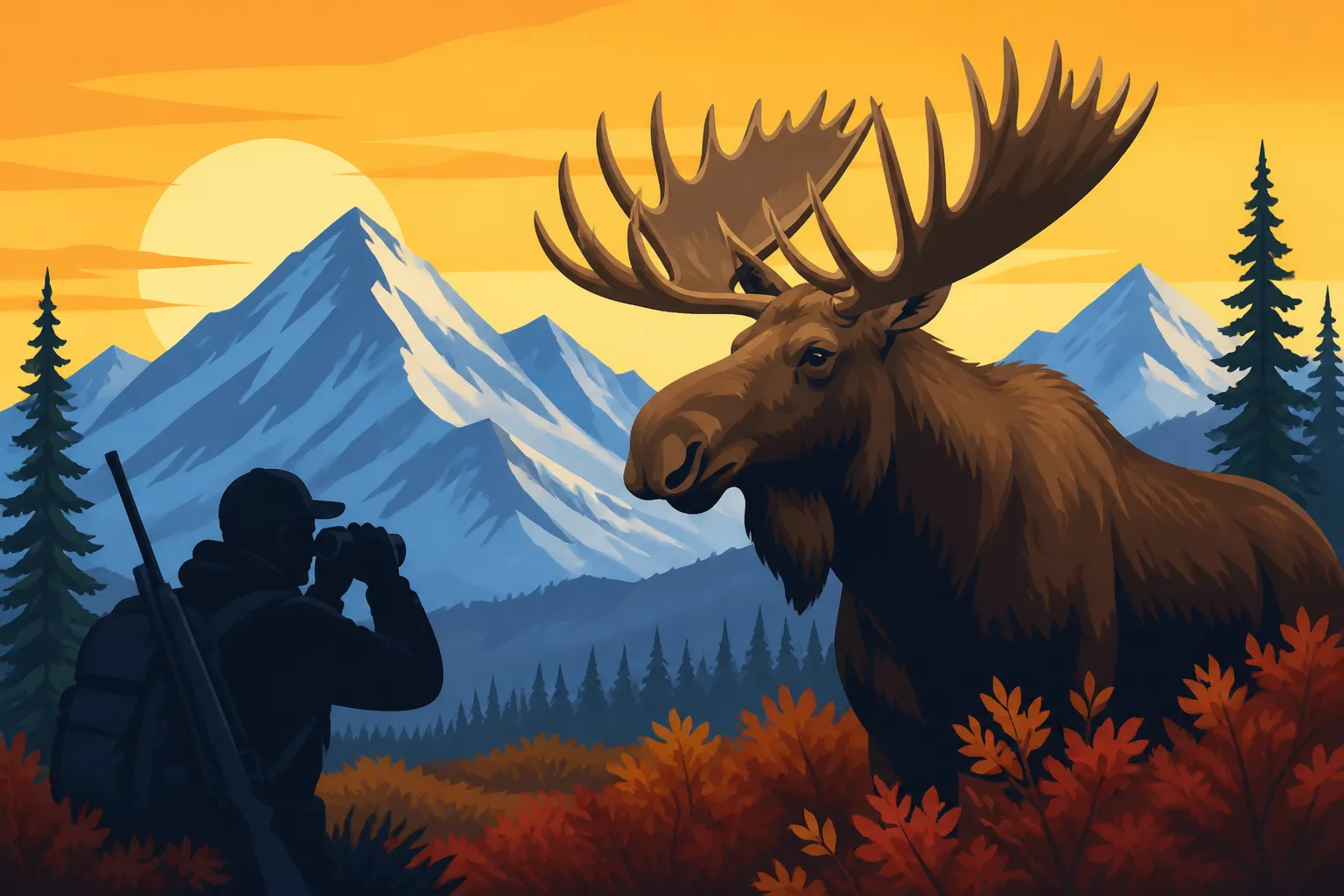
When the Alaska Moose Rut Peaks
For many of us who dream of — or regularly experience — an Alaska moose hunt, pinpointing the exact peak of the rut can feel like chasing a ghost. You hear tales of bulls bellowing and crashing through willows, but knowing when that magical window truly opens and closes each year is the real challenge, often leading to frustrating hunts if you miss it. This guide is here to demystify the Alaska moose rut, helping you understand its triggers, recognize its signs, and adapt your hunting strategies to hit that sweet spot when the giants of the North are most active.
Understanding the Drivers of the Alaska Moose Rut
The moose rut isn't a simple calendar event; it's a complex dance of biology and environment. While many factors influence it, the primary drivers are consistent, giving us a roadmap to anticipate the most active times.
The Photoperiod and Hormonal Shift
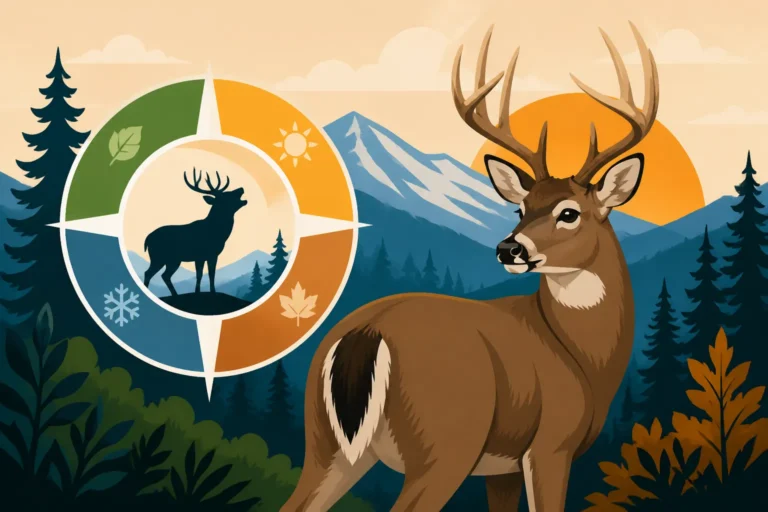
At its core, the Alaska moose rut is governed by the photoperiod — the decreasing length of daylight hours as summer turns to fall. As those long Alaskan summer days begin to shorten, it triggers a profound hormonal shift in bull moose. Testosterone levels surge, signaling the end of their velvet growth and the hardening of their antlers. This physiological change marks the beginning of their aggressive, breeding-focused behaviors. It’s a primal response, deeply embedded in their DNA, ensuring that calves are born at the optimal time in spring to maximize their chances of survival.
This internal clock starts ticking well before the actual breeding begins. Bulls will start showing initial signs of agitation and dominance displays weeks before they are truly in the throes of the rut. They’ll begin to thrash trees, polish their antlers, and establish dominance hierarchies within their local groups. Understanding this lead-up is crucial, because even if bulls aren’t actively chasing cows yet, they’re preparing, and their behavior is shifting towards the intense energy of the breeding season.
For hunters, this means that even if you're out early in the season, before the peak, you're not completely out of luck. You might catch a bull still in the preparatory phase, perhaps responding to a challenge or curiosity. The diminishing daylight sets the stage, but the intensity builds over time, leading to that explosive peak we all hope to experience.
Geographic Variations in Rut Timing
While the photoperiod is a constant, the specific timing of the rut's peak can vary slightly across Alaska's vast and diverse landscapes. Generally speaking, the rut tends to kick off a bit earlier in more northerly latitudes and at higher elevations, where the season progresses more quickly. Conversely, in the warmer, more moderate coastal regions or southern drainages, the peak might come a few days or even a week later. These differences, while sometimes subtle, can significantly impact your hunt timing.
For instance, a bull moose in the Brooks Range might hit his peak responsiveness in late September, whereas a big bull on the Kenai Peninsula could be more active in the first week of October. This isn't a hard and fast rule, but rather a general trend influenced by the slightly different seasonal progressions. It's why local knowledge and understanding the specific unit you're hunting are so valuable. A hunter focused on the Interior might be experiencing prime conditions while another in Southcentral is still waiting for the true fireworks to begin.
These regional nuances mean that a "one-size-fits-all" approach to rut timing isn't ideal. Researching the specific game management unit you plan to hunt and looking at past trends for that area, perhaps through resources offered by GoHunt, can provide a more accurate picture of what to expect. This also impacts other aspects of the hunt, like "Hanging Meat in Warm September Weather" which might be more critical in a southern unit where temperatures stay higher later into the fall.
The Heart of the Action: Peak Rut Period Behaviors
When the Alaska moose rut truly peaks, the landscape transforms. Bulls become singularly focused on breeding, and their behaviors are much more pronounced, offering some of the most thrilling hunting opportunities.
Interpreting Bull Moose Communication
During the peak rut, bull moose are highly vocal and responsive. This is the period when their deep, guttural grunts become a common sound in the wilderness, signaling their presence and challenging rivals. They are actively seeking out cows in estrus, and conversely, cows will often let out a series of low moans and grunts to attract bulls. This constant communication makes calling tactics incredibly effective. A well-placed "Cow Calls That Pull Bulls Out of Willows" can often lure a curious or dominant bull into shooting range, especially if he believes there's an unbred cow in his territory.
Beyond just responding to cow calls, bulls are also highly susceptible to challenge grunts and sounds that mimic rival bulls. Raking a tree with a moose scapula to simulate a bull polishing his antlers, as described in "How to Use a Moose Scapula for Raking", can be a powerful attractant. The key is to understand the context: a bull in the peak rut is ready to defend his dominance and claim cows, making him less cautious and more prone to investigate. They'll often respond directly to calls, closing "Grunt Tube Distance a Bull Will Cover" with surprising speed.
However, it's not just about making noise. Interpreting the bull's response is critical. A distant grunt might mean he's aware but cautious, while a crashing through brush followed by an aggressive grunt indicates he's on his way and ready to confront a perceived rival. Learning to read these vocal cues is paramount to successful calling during this intense period.
The Influence of Environmental Factors
Even during the peak rut, environmental factors like weather and hunting pressure can significantly influence moose behavior and activity levels. A cold front, particularly one that brings the first dusting of snow, often invigorates moose. Cooler temperatures mean they can be more active throughout the day without overheating, leading to more daytime movement and increased responsiveness to calls. These are often the days when a bull seems to come from nowhere, covering significant ground.
Conversely, unseasonably warm spells can make bulls more lethargic and push their activity into the cooler hours of dawn and dusk, potentially even making them nocturnal. If the weather is warm, bulls will often seek out cooler, shadier spots during midday, making them harder to locate. Rain, while often miserable for hunters, can sometimes work in your favor by muffling sounds and allowing for closer stalks. However, it can also make moose less inclined to move, hunkering down in thick cover.
Heavy hunting pressure in easily accessible areas can also cause bulls to become warier and more reclusive. They learn quickly to associate human presence with danger. In such scenarios, even during the peak rut, you might need to adapt your approach from aggressive calling to more subtle "Glassing the Alaska Range: Finding Game Before You Move" or still-hunting tactics, penetrating deeper into less disturbed areas. Considering these factors is vital for any hunter, and tools like those found on GoHunt can help assess unit-specific weather patterns.
Visual Cues and Field Sign
Aside from vocalizations, the peak rut leaves unmistakable visual cues in the landscape that seasoned hunters learn to recognize. Fresh rubs, where bulls have thrashed trees and saplings with their antlers, are obvious indicators of recent bull activity. These aren't just random acts; bulls rub to strip velvet, to mark territory, and to vent frustration or dominance. The size of the rub can give you an idea of the size of the bull making it.
Scrapes, often shallow depressions pawed into the ground, usually near rubs, are also common. Bulls will urinate in these, leaving their scent. Wallows – muddy pits where bulls roll around – are particularly telling signs during the rut, often saturated with the strong, musky odor of a rutting bull. Finding a fresh wallow means a bull is very likely nearby, or at least was very recently. These signs suggest active breeding areas.
Another powerful visual cue is seeing cows with bulls, or seeing groups of cows with a single large bull tending them. When you observe these interactions, you know you're right in the thick of the breeding cycle. Observing these fresh signs in the field helps confirm you're in the right place at the right time, allowing you to focus your efforts. It’s also during these intense periods that being able to accurately identify your target, particularly for "Field Judging a Legal Bull Under Alaska Antler Rules", becomes critically important.
Beyond the Peak: Strategies for Late-Season Success
The peak rut is intense, but it doesn't last forever. As the primary breeding window closes, moose behavior shifts again. This doesn't mean your hunt is over, but it does require a change in strategy.
Deciphering Post-Rut Bull Behavior
Once the main breeding phase passes, typically by mid-October, bull moose begin to transition out of their high-energy rutting behaviors. Their testosterone levels start to decline, and with it, their aggressive tendencies wane. Bulls that were once actively challenging and seeking out cows now often become more solitary and less responsive to calls. They’ve expended an incredible amount of energy during the rut and are often in a state of exhaustion, needing to focus on feeding to regain lost weight before winter sets in.
During this post-rut period, you'll notice a significant decrease in the vocalizations and aggressive displays that characterized the peak. Bulls are no longer as interested in fighting rivals or chasing every cow call. They might still be found in areas with good browse, sometimes in small bachelor groups or individually. The intense desire to breed has passed, replaced by a more fundamental drive for survival and calorie intake.
For hunters, this means the aggressive calling tactics that worked so well during the peak rut will likely be far less effective. Instead of expecting a bull to charge in, you’ll need to switch to a more patient, stealth-based approach. This is when quiet, still-hunting through prime feeding areas or glassing open expanses becomes your best bet. Forget the flashy calls; it's time for quiet observation and strategic movement. It’s also the time when hunters often hear "When Bulls Stop Answering Calls in September" as they transition into October.
Capitalizing on Secondary Estrus Windows
While the main rut is the most significant breeding period, it's not always the only one. Some cows, particularly younger ones or those that weren't successfully bred during the primary peak, may come into a secondary estrus cycle later in the fall. This typically occurs a few weeks after the main rut, often in late October or even early November. These secondary ruts are usually much less intense and involve fewer bulls, but they can offer late-season opportunities for persistent hunters.
During a secondary estrus, a lone cow in heat might attract a bull that is still carrying his antlers and feeling a lingering urge to breed. These interactions are often more subdued, with less dramatic calling and charging. However, a hunter who knows how to use subtle cow calls and remains patient might still entice a bull. It requires even more patience and a keen eye, as the signs will be less obvious than during the peak.
Hunting during a secondary rut also often means contending with colder temperatures and potentially deeper snow, which can be challenging but also works to your advantage by quieting the forest floor. Finding fresh tracks in new snow can lead you directly to a bull still trailing a receptive cow. It’s an opportunity for those willing to brave the later season conditions and understand that the "fireworks" might be over, but sparks can still fly.
Preparing for the Rut: Pre-Season and In-Season Tactics
Successfully hunting the Alaska moose rut isn't just about showing up when the activity is highest; it's about smart preparation and adaptability once you're in the field.
Advanced Scouting and Planning
Pre-season scouting is arguably one of the most critical components of a successful rut hunt. It’s during the summer months that you can identify key areas that moose frequent, long before the pressure of hunting season sets in. Look for old rubs from previous years, well-used trails leading to water sources or feeding areas, and signs of good browse. Understanding "Moose Habitat in Alaska Burn Scars" or willow flats can help you pinpoint areas where moose are likely to feed and thus where bulls will search for cows.
Using modern tools and technology, like detailed satellite imagery available through platforms like GoHunt, can be a game-changer. You can virtually scout an entire unit from home, identifying potential travel corridors, secluded bedding areas, and clearings where bulls might display during the rut. Marking these spots on your GPS before you ever set foot in Alaska, as discussed in "Scouting a Unit From Satellite Imagery Before You Fly", allows you to hit the ground running with a solid plan. Pay attention to terrain features that might funnel moose movement, or dense cover where a bull might retreat after responding to a call.
Don't underestimate the value of talking to local residents, pilots, or other hunters who have experience in your chosen unit. While conditions change year to year, historical knowledge of moose concentrations or preferred rutting grounds can give you an invaluable head start. Combining this local intelligence with your digital scouting and on-the-ground observations will dramatically increase your chances of being in the right place when the rut peaks.
Adapting Your Approach Daily
The moose rut, despite its predictable general timing, is not a static event. It flows and ebbs, influenced by daily weather, the specific stage of estrus in local cow populations, and even the personality of individual bulls. Therefore, being adaptable in your hunting approach is paramount. What worked yesterday might not work today, and what works for one bull might not work for another.
If you're aggressively calling and not getting a response after several hours, don't be afraid to change tactics. Maybe the wind shifted, or the temperature rose, prompting bulls to bed down. Perhaps the specific sequence you're using isn't resonating, and a different "Best Moose Call Sequence for the Early Rut" is needed. Instead of continuing to call in a fruitless manner, switch to a silent approach, still-hunting through thick cover, or moving to a different area with better visibility to glass.
Always be ready to learn from the moose themselves. If you observe bulls moving quietly through thick timber, consider using a sneak-and-peek strategy rather than loud calls. If you find fresh sign but no vocalizations, it might be a good time to set up and wait patiently. The most successful rut hunters are those who are flexible, constantly observing, and willing to modify their plans based on the immediate conditions and moose behavior. Patience is indeed a virtue, but so is knowing when to change course.
| Rut Phase | Typical Timing (General) | Bull Behavior | Hunter Tactics |
|---|---|---|---|
| Pre-Rut | Early to Mid-September | Velvet shedding, antler hardening, some rubbing, sparring, establishing dominance. | Locating bulls by glassing, still-hunting; light calling may pique curiosity. |
| Early Rut | Mid to Late September | Increased rubs/scrapes, more vocal (grunts), seeking cows, responsive to cow calls. | Aggressive cow calling, some challenge grunts, raking; active search for fresh sign. |
| Peak Rut | Late September to Early October | Highly vocal, aggressive, intense breeding activity, bulls chasing/tending cows. | Maximize calling (cow, challenge, raking); focus on areas with active bull/cow pairs. |
| Post-Rut | Mid to Late October | Decreased vocalizations, less aggressive, focusing on feeding, often solitary. | Less calling, more still-hunting, glassing feeding areas; look for secondary estrus. |
Disclaimer
This article is for general informational purposes only and does not constitute professional advice. Laws, prices and regulations vary by location and change over time. Consult a qualified professional for guidance on your specific situation.