Deep Snow Winters and Alaska Deer Die-Offs
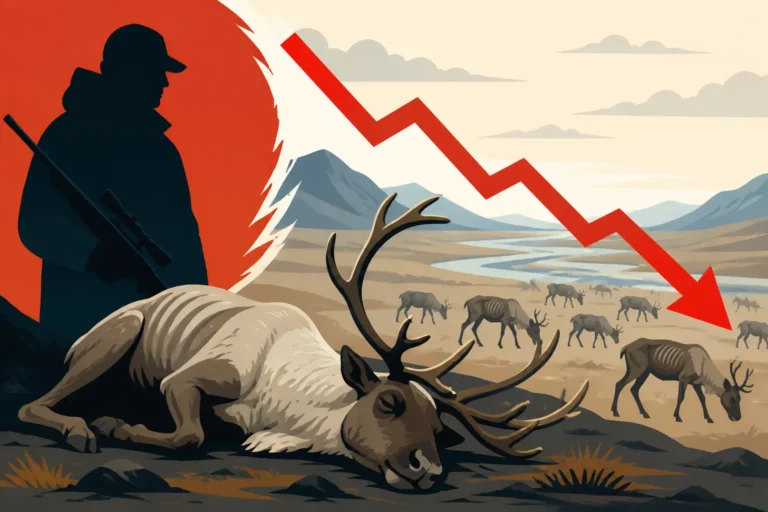
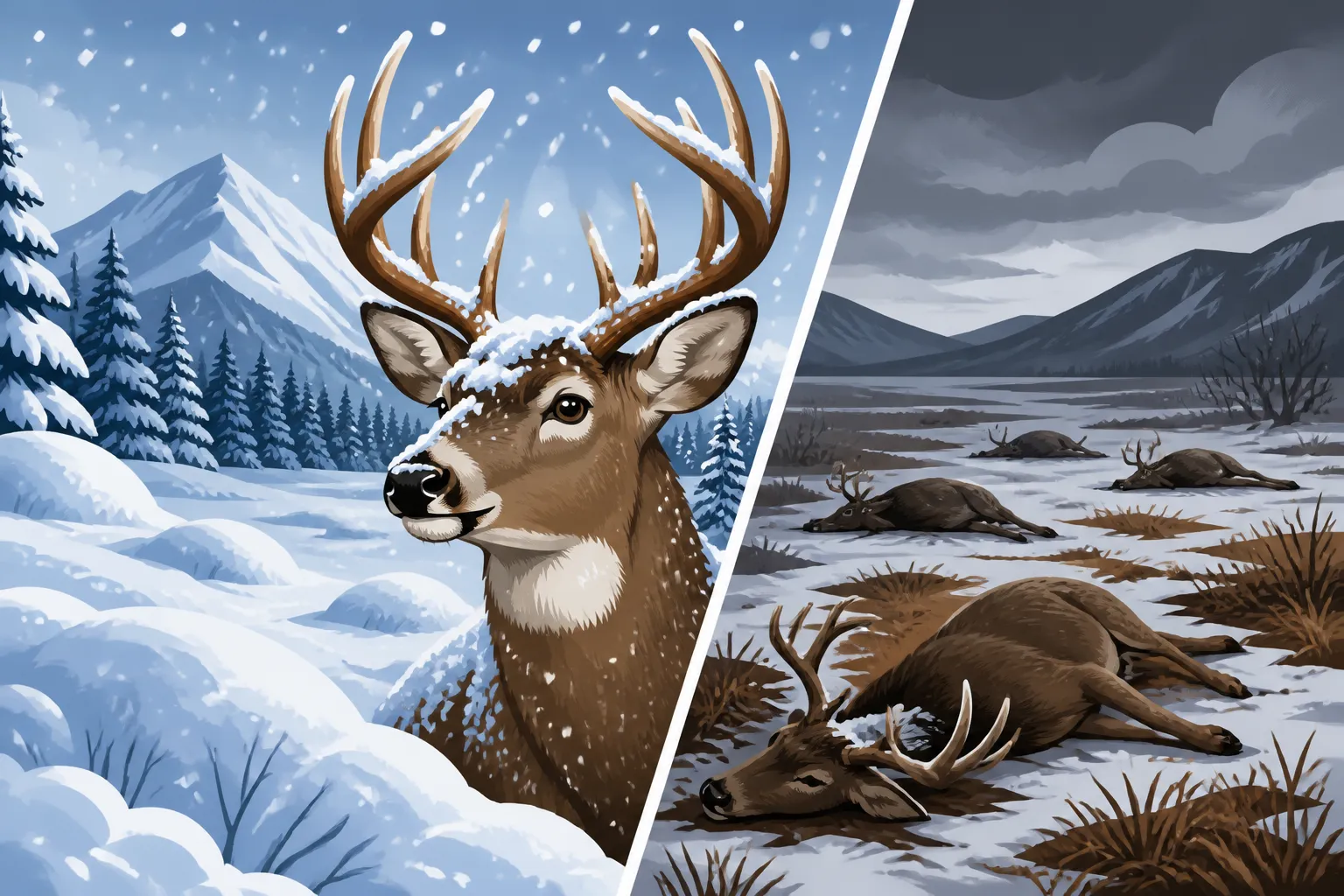
It’s a sight no one wants to see in the Alaskan backcountry: the tell-tale tracks of struggle in deep snow, or worse, the somber evidence of a winter that was just too harsh. For those of us who cherish Alaska's wildlife, especially our resilient Sitka blacktail deer, the phrase "deep snow winter" often brings a knot of dread. This guide will walk you through the devastating realities of deep snow winters and the resulting deer die-offs, exploring why these events happen, their far-reaching consequences, and what it means for deer populations and those of us who hunt them.
Understanding the Unique Vulnerability of Sitka Blacktail Deer
While all wildlife faces challenges, Sitka blacktail deer possess a particular set of characteristics and inhabit environments that make them exceptionally vulnerable to severe winter conditions. They are a smaller subspecies of deer, and their biology is finely tuned to the milder, though still challenging, coastal climate of Southeast Alaska and Kodiak Island.
Their Natural Adaptations
Sitka blacktail deer are masters of navigating dense undergrowth and steep terrain. They're quick, agile, and have evolved to thrive in the lush, temperate rainforests and alpine zones of their primary range. Their winter coat provides insulation, and they often switch their diet to browse on woody stems and evergreen vegetation when more palatable forages are buried. However, these adaptations have their limits. Unlike larger ungulates such as moose, deer have relatively short legs, making deep snow a significant physical barrier. They aren't built to "plow" through feet of snow for extended periods, and their metabolic rate, while efficient, can't sustain them through prolonged periods of extreme energy expenditure coupled with minimal caloric intake. This delicate balance is easily tipped when the snow piles up.
Coastal Versus Interior Challenges
The challenges faced by Sitka blacktail deer differ depending on whether they reside on the coast or in certain interior pockets where they might be found. In coastal regions, like Prince of Wales Island or Kodiak, winters are typically characterized by heavy snowfall but often with periods of rain and fluctuating temperatures that can lead to melt-offs or crusting. These areas usually benefit from dense timber stands, offering thermal cover and some protection from accumulating snow. However, even here, an unusually cold, deep, and persistent snowpack can spell disaster. In the rare instances where blacktails are found further inland or in more exposed habitats, the combination of deeper, drier snow and colder temperatures can be even more unforgiving. For example, deer on Kodiak Island, while known for their robust populations, have historically experienced significant die-offs when persistent, heavy snow prevents access to vital food sources in the lower elevations. Understanding these regional nuances is key to appreciating the complex factors at play in a deer's fight for survival.
The Direct Impact of Deep Snow on Deer Survival
When the snow starts to really pile up in Alaska, it transforms the deer's world from a familiar feeding ground into an exhausting obstacle course. The direct impacts are immediate and often brutal, affecting their ability to find food, move, and ultimately, survive.
Energy Depletion and Foraging Difficulty
Imagine trying to wade through waist-deep water all day, every day, just to find your next meal, only to discover that meal is now buried under that same water. That's essentially what deer face in a deep snow winter. Sitka blacktails are browsers, relying on understory plants, shrubs, and the lower branches of trees. When snow depths exceed about 20-24 inches, these crucial food sources become completely inaccessible. The deer are forced to expend immense amounts of energy just to move, let alone paw through snow to find sparse forage. This constant exertion, combined with a drastically reduced food intake, quickly leads to a negative energy balance. Their fat reserves, painstakingly built up during the more bountiful summer and fall months, are rapidly depleted. Without a steady supply of calories to fuel their bodies and maintain warmth, they weaken, become lethargic, and their chances of survival plummet dramatically.
Physical Mobility Limitations and Predation Risk
Beyond the hunger, deep snow presents a stark physical barrier. A deer with its short legs struggles immensely in deep, soft snow. Each step is a laborious plunge, draining precious energy. When a crust forms on top of the snow—a common occurrence with freeze-thaw cycles—it can be even more detrimental. A weak crust might allow a deer to break through, causing painful cuts and scrapes on their legs, while supporting predators that are better adapted to travel on top. Imagine trying to run from a threat when your legs are constantly breaking through a brittle surface. For predators like wolves, coyotes, and even lynx, a deep, crusted snowpack turns the tables. It gives them a significant advantage, as they can often travel more efficiently, using their larger paws or lighter bodies to stay on the surface, while the deer flounder. This increased vulnerability to predation is a major contributing factor to winter mortality, adding another layer of peril to an already desperate situation. Hunters planning for future seasons often consult resources, even those like GoHunt, which, while more focused on draw odds, underscore the importance of understanding habitat and population health, factors that are heavily influenced by these winter conditions.
Indirect Consequences: Predators, Disease, and Habitat Degradation
The direct challenges of deep snow, while devastating, often trigger a cascade of indirect consequences that further imperil deer populations. These secondary impacts can have long-lasting effects on the health and stability of the herd.
Increased Predation Pressure on Weakened Deer
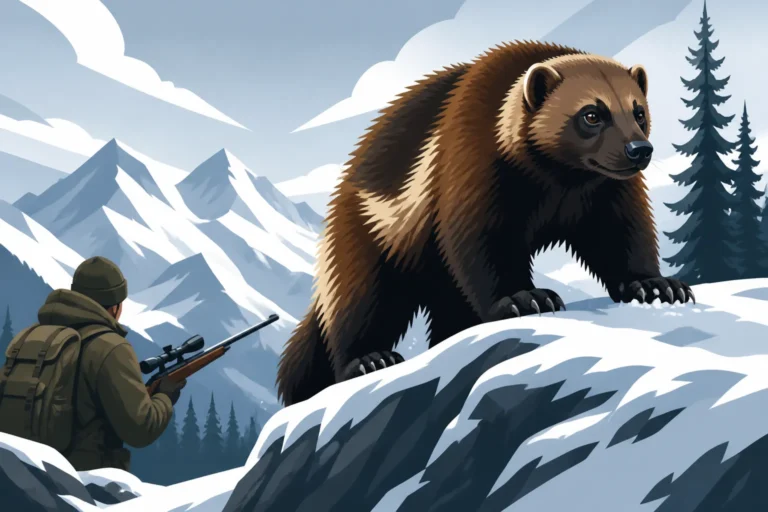
As deer become increasingly weakened and their mobility is severely hampered by deep snow, they become easy targets for predators. Wolves, lynx, wolverines, and even eagles, will key in on these struggling animals. Unlike healthy deer that can often outmaneuver or outrun predators in normal conditions, a deer bogged down in heavy snow simply can't escape. The snow often provides a clear advantage to the predator, allowing them to conserve energy while the deer expends what little it has left in a futile attempt to flee. This isn't just about a few individual deer being taken; it’s about a concentrated pressure on an already stressed population, removing the most vulnerable individuals and, in severe cases, having a significant impact on herd numbers. Even after the snow recedes, the deer that survived the immediate winter might still be in poor condition, making them more susceptible to predation during the spring.
Disease Transmission and Stress-Related Issues
The stress of a deep snow winter takes a tremendous toll on a deer's immune system. Malnourished and constantly fighting against the elements, their bodies become less capable of fending off diseases and parasites. Overcrowding in small, snow-free pockets (often referred to as "deer yards" or winter range) can also accelerate the transmission of pathogens within the herd. What might be a minor ailment in a healthy deer can become fatal in a compromised one. Furthermore, deer that survive a harsh winter may experience delayed fawning or produce fewer fawns, and those fawns born to stressed mothers are often weaker and have lower survival rates. This biological debt can impact herd recruitment for several years following a severe winter event. Understanding these long-term effects is crucial, as outlined in articles like Sitka Blacktail Deer Population Cycles in Alaska, which illustrate how interconnected these factors truly are.
Long-Term Habitat Alterations
Deep snow doesn't just impact deer for a single winter; it can have lasting effects on their habitat. Prolonged snow cover can damage sensitive understory vegetation, reducing the availability of preferred browse in subsequent years. Trees can suffer "snow breakage," where heavy snow and ice break branches, opening up the canopy but also potentially destroying food sources or protective cover. In extreme cases, repeated severe winters can shift the species composition of an area, favoring plants that are less palatable to deer. This can lead to a gradual decline in the carrying capacity of the land for deer, even once conditions return to "normal." Logging practices, such as those discussed in Tongass National Forest Deer Country, can also play a role, as certain forestry methods can either enhance or diminish winter range quality depending on how they create or remove winter cover and browse.
Historical Examples and Regional Variations of Die-Offs
Alaska, with its vast and varied landscapes, has seen numerous deer die-offs, each influenced by unique regional factors and the sheer unpredictability of winter weather. These historical events serve as stark reminders of nature's power.
Noteworthy Past Die-Off Events
Perhaps some of the most dramatic examples of deer die-offs due to deep snow have occurred on Kodiak Island and throughout Southeast Alaska. Kodiak, renowned for its incredible deer populations, has experienced periodic crashes. A particularly brutal winter in the mid-1970s, for instance, saw snow depths reach unprecedented levels, trapping deer and leading to massive mortality. Again in the late 1990s and early 2000s, other severe winters, often characterized by heavy, wet snow followed by deep freezes, caused significant population declines across much of Southeast. On Prince of Wales Island, hunters and residents have witnessed firsthand the devastating impact of prolonged deep snow, often talking about winters where deer were literally starving in their yards. These aren't isolated incidents but rather recurring patterns in areas where deer push the limits of their winter survival capabilities. It's a humbling experience to witness these events and serves as a powerful reminder of how delicate the balance of nature truly is, even in a place as wild as Alaska.
Factors Amplifying Winter Mortality
It's rarely just the amount of snow that causes a die-off. Often, it's a combination of factors that amplify the stress on deer.
- Late Season Snow: If heavy snow arrives after deer have already begun to deplete their fat reserves, it's far more devastating than if it comes earlier in the season when they are still in prime condition.
- Persistent Cold: Extremely cold temperatures, especially if prolonged, force deer to burn more calories just to stay warm. When combined with deep snow, this becomes a deadly equation.
- Crusting Snow: A layer of ice or hard-packed snow on top of the soft powder can be one of the most lethal conditions. It makes travel incredibly difficult, often cutting their legs, and yet it might support a wolf or wolverine that can run on top.
- Lack of Thermal Cover: Areas with sparse or recently harvested timber that typically serve as critical winter thermal cover can expose deer to the full brunt of snow and wind, exacerbating energy loss.
- Previous Years' Herd Health: If the deer population entered a severe winter already in poor condition due to high densities, poor forage from a dry summer, or previous mild but stressful winters, they are far less likely to withstand a truly harsh winter.
These amplifying factors create a perfect storm, turning a difficult winter into a catastrophic one for local deer populations. Hunters need to be aware of these dynamics and how they might affect hunt planning, especially concerning regulations that change to protect herds after severe winters.
Conservation Efforts and Management Strategies
The Alaska Department of Fish and Game (ADF&G) and various conservation groups work tirelessly to monitor deer populations and implement strategies to mitigate the impacts of severe winters. It's a complex balancing act, often reacting to nature's whims while trying to ensure long-term sustainability.
ADF&G Monitoring and Research Programs
ADF&G biologists are constantly in the field, employing a variety of methods to keep tabs on deer populations. This includes aerial surveys to estimate numbers and observe distribution, particularly after harsh winters. They also rely on hunter harvest reports, which provide invaluable data on age, sex, and physical condition of harvested animals—indicators of overall herd health. Biologists might also conduct winter pellet group surveys to assess deer density and habitat use. Furthermore, research projects focus on understanding deer movements, preferred winter ranges, and the effects of different environmental factors on survival. This scientific approach helps inform management decisions, such as adjusting hunting seasons or bag limits, to allow populations to recover after a severe die-off. For instance, sometimes areas might see a temporary reduction in Kodiak Nonresident Deer Bag Limit or a delay in when Any Deer Becomes Legal on Kodiak to give the herd a chance to rebound.
Habitat Improvement Projects
Beyond direct population management, many efforts focus on enhancing deer habitat to make it more resilient to harsh winters. One significant area is forestry management. In places like Southeast Alaska, specific logging practices can be designed to benefit deer. This might involve creating a mosaic of clearcuts and untouched old-growth forests, or thinning specific areas to promote understory growth while retaining critical thermal cover. Clear-cuts, when properly managed, can stimulate new growth of browse plants that deer prefer, but they must be balanced with leaving dense stands of timber for shelter. Efforts to identify and protect key winter ranges are also crucial. Sometimes this involves working with private landowners or Native Corporations to manage lands in a deer-friendly manner. The goal is to ensure that deer have access to sufficient food and cover even during challenging times, improving their chances of surviving the leanest months.
What Hunters Can Do: Observing and Reporting
As hunters, we are often the first eyes on the ground in remote areas. Our observations and willingness to report them are incredibly valuable to wildlife management and play a direct role in understanding and responding to winter die-offs.
Reporting Observations to ADF&G
If you're out in the field and notice signs of a significant deer die-off—multiple carcasses, unusually emaciated deer, or a drastic reduction in deer sign where they were once abundant—it's vital to report these observations to your local ADF&G office. Providing specific locations, dates, and detailed descriptions can help biologists piece together a clearer picture of the situation. They track these anecdotal reports, and if a pattern emerges, it can trigger further investigation or lead to emergency management actions. Your observations, whether from scouting trips or during a hunt, contribute directly to the scientific understanding of herd health and responsiveness. Think of it as being a citizen scientist for Alaska's wildlife.
Ethical Harvesting and Herd Management
In the aftermath of a severe winter, herd management often becomes even more critical. While it might seem counterintuitive to hunt a recovering population, ethical and selective harvesting can sometimes be a tool for long-term herd health. Biologists may adjust bag limits or season dates to allow a population to rebuild, focusing on reducing pressure on reproductive segments of the herd. When hunting, especially in an area known to have suffered a die-off, being even more selective and focusing on older bucks, for example, can aid in the recovery process. Proper field judging, as discussed in Deer Above Timberline in Early August, helps ensure you are taking the right animal. Additionally, adhering strictly to all regulations, including proper Meat Care in 50-Degree September Weather and promptly filing harvest reports, gives ADF&G the data they need to make informed decisions for future management. Hunters are integral partners in conservation, and our actions directly influence the health and abundance of Alaska's deer for generations to come.
Disclaimer
The information provided in this article is for general guidance and informational purposes only. Hunting regulations, seasons, and access can change rapidly in Alaska. Always consult the most current Alaska Department of Fish and Game regulations and any applicable federal or local land management rules before planning or undertaking any hunting activity. Safety in the Alaskan wilderness is paramount; always be prepared for extreme conditions and potential wildlife encounters.