Sitka Blacktail Deer of Alaska’s Island Rainforest
Hunting Sitka blacktail deer in Alaska's island rainforest is an experience unlike any other, often pushing hunters to their physical and mental limits against relentless weather and unforgiving terrain. This guide will walk you through everything you need to know, from understanding these unique deer to navigating the dense timber, challenging regulations, and crucial meat care, ensuring you're as prepared as possible for your Southeast Alaska adventure.
The Elusive Sitka Blacktail Deer: A Rainforest Specialist
The Sitka blacktail deer is a true testament to adaptation, thriving in an environment that would break many other species. They are perfectly suited to the wet, dense, and often steep terrain of Southeast Alaska's coastal temperate rainforests, presenting a unique challenge and reward for hunters.
What Makes the Sitka Blacktail Unique?
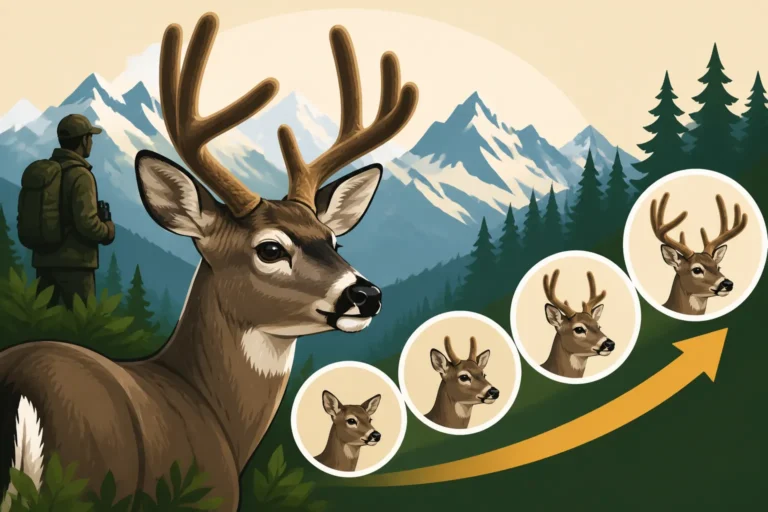
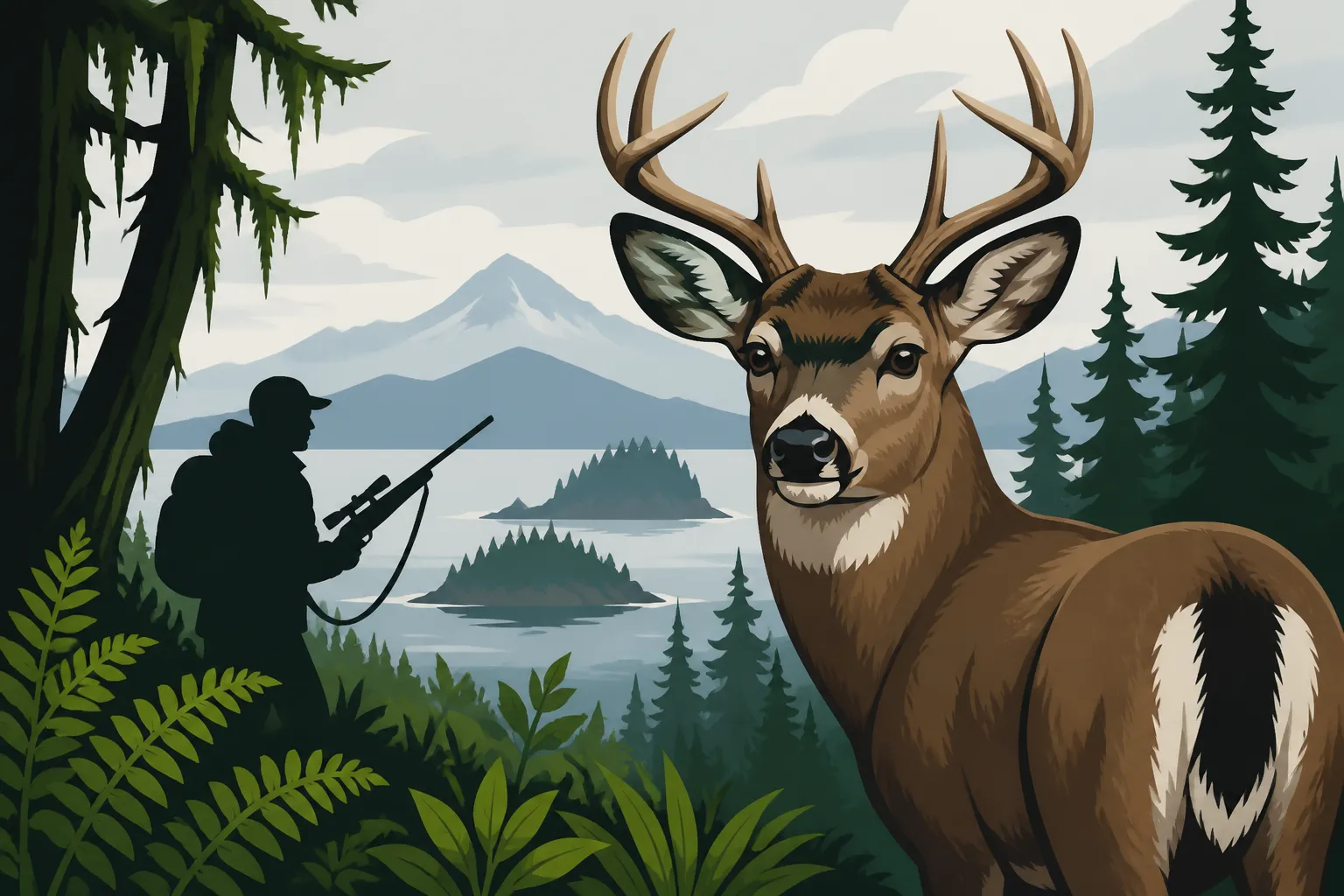
When you first see a Sitka blacktail, you'll notice they're smaller and more compact than their mule deer and whitetail cousins in the Lower 48. Bucks typically weigh between 120-200 pounds, with does being considerably smaller. Their reddish-brown summer coat gives way to a darker, grayish-brown winter coat, providing excellent camouflage in the shadows of the old-growth timber. Their antlers, while smaller than typical mule deer, are often heavily massed and sport a classic forked-horn configuration, sometimes with small brow tines.
These deer have evolved incredible adaptations to survive in their challenging habitat. Their dense, coarse hair sheds water efficiently, and their relatively short legs and stocky build allow them to navigate thick underbrush and steep slopes with surprising agility. They are also adept at utilizing the sparse forage found in the rainforest, relying on a diet of huckleberry, blueberry, salal, and various forbs and lichens.
Genetically, Sitka blacktails (Odocoileus hemionus sitkensis) are a subspecies of mule deer, but their isolation and specific habitat have led to distinct characteristics. They are not to be confused with Columbian blacktails, though both are subspecies of mule deer. This unique genetic lineage contributes to their specific behaviors and physical traits, making them a fascinating subject for both biologists and hunters alike. Their preferred browse changes with the season, but they are masters at finding sustenance in areas that seem barren to the untrained eye, moving between dense cover and more open feeding areas.
Sitka Blacktail Deer Population Cycles and Survival
The populations of Sitka blacktail deer are notoriously cyclical, largely dictated by the severity of winter weather. Deep snow is the single biggest factor influencing their numbers. When snow depths exceed 20-24 inches for extended periods, deer struggle to access forage, leading to starvation, particularly among fawns and older animals. A series of harsh winters can decimate a local population, taking years to recover. This is a common frustration for hunters who experience great seasons followed by several lean ones.
Predator pressure also plays a significant role in blacktail survival. Wolves are a constant threat in many areas, as are black and brown bears, especially to fawns in the spring. Lynx and even wolverines can take deer, although less frequently. These predation pressures, combined with winterkill, keep deer populations in a delicate balance. The deer must remain vigilant, constantly moving between feeding areas and secure bedding cover.
Understanding these population cycles is crucial for managing your expectations for a hunt. What might be a phenomenal year in one area can be a bust just a few years later. The health of the habitat, particularly the availability of old-growth timber for thermal cover during heavy snows, is also vital. Areas with extensive clear-cutting without proper regeneration planning can suffer prolonged deer declines, even after mild winters, as deer lack critical shelter. These complex interactions are what make deer populations on Prince of Wales Island, for example, fluctuate so dramatically.
Where to Find Sitka Blacktails: Navigating Southeast Alaska's Islands
Southeast Alaska is a labyrinth of islands, fjords, and dense temperate rainforests, and it's here that the Sitka blacktail truly reigns. Finding these deer means understanding their preferred haunts and how to access them in this unique marine environment.
Key Geographic Areas and Island Hotspots
The vast majority of Sitka blacktail deer hunting occurs across the islands of Southeast Alaska, often referred to as the "Panhandle." Major hunting hotspots include Prince of Wales Island, particularly accessible due to its extensive road system. This island is a perennial favorite for both resident and nonresident hunters, offering a mix of timber, clear-cuts, and beach access.
Further north, islands like Admiralty, Baranof, and Chichagof also hold robust deer populations, though access to these tends to be more boat-dependent. These larger, more remote islands can offer incredible solitude and trophy potential for those willing to put in the effort. The terrain on these islands can be incredibly steep and rugged, often rising directly from saltwater to alpine peaks.
Then there's the unique situation of Kodiak Island, which despite not being in Southeast Alaska, boasts a very healthy, introduced population of Sitka blacktail deer. These deer were transplanted to Kodiak in the early 20th century and have since thrived, adapting to the island's coastal environment which, while different from Southeast, still offers ample food and cover. Many hunters specifically target Kodiak for its consistent deer numbers and the chance to combine a deer hunt with a pursuit for other species. If you're looking at specific regulations for this area, be sure to consult resources like GoHunt or the ADF&G website. Deer Tags on Kodiak and What They Cost
Understanding Sitka Blacktail Habitat Types
Sitka blacktail deer are masters of utilizing varied habitats within their rainforest home. One of the most critical is old-growth forest, characterized by massive spruce and hemlock trees with a dense canopy. This provides crucial thermal cover during heavy snowfalls, allowing deer to escape deep snow and access forage that would otherwise be buried. These sheltered areas are often where you'll find deer concentrated during the depths of winter.
Clear-cuts, particularly those that are 5-15 years old, become vital feeding grounds. The sunlight reaching the forest floor after logging promotes the growth of succulent browse species like huckleberry, blueberry, and fireweed. Deer will frequent these clear-cuts, especially during early morning and late evening, to feed. The challenge for hunters is often navigating the incredibly thick regrowth within these areas, which can be an impenetrable wall of brush.
The coastline itself is another significant habitat, especially during low tides. Deer will move out onto the beaches to feed on seaweed, kelp, and other marine vegetation exposed by the receding water. This offers a unique hunting opportunity, often from a skiff, as deer can be spotted along the tideline. Finally, in the early season, before the first heavy snows, Sitka blacktails can be found in the alpine zones, feeding on lush forbs and grasses above timberline. These areas can offer incredible long-range glassing opportunities, a stark contrast to the close-quarters timber hunting. Deer Above Timberline in Early August
Decoding Sitka Blacktail Deer Hunting Regulations and Seasons
Navigating Alaska's hunting regulations can feel like a maze, and Sitka blacktail deer are no exception. Understanding the specific rules for licenses, tags, bag limits, and season dates is paramount to a legal and successful hunt.
License, Tags, and Bag Limits for Residents and Nonresidents
First things first: everyone needs an Alaska hunting license. For nonresidents, this is an annual purchase, and you'll then need to purchase specific locking tags for various big game species you intend to hunt. For Sitka blacktail deer, nonresidents must purchase a deer tag. Residents, thankfully, often don't need to purchase a separate locking tag for deer in most areas, but always double-check the current regulations. You can usually find the most up-to-date information on the Alaska Department of Fish and Game (ADF&G) website or through reputable hunting resources like GoHunt, which often compile these details for easy access.
Bag limits for Sitka blacktail deer vary considerably by Game Management Unit (GMU) and even within subunits. It's not uncommon to see limits ranging from one deer per regulatory year to as many as five or even six in specific, productive areas like Kodiak or some parts of Prince of Wales. Furthermore, some units have antler restrictions, requiring a buck to be "spike-fork or larger," or sometimes "any deer" for a certain portion of the season. Misinterpreting these rules can lead to citations, so a thorough review of the current year's regulations booklet is essential before you even think about hitting the field.
These regulations are in place to manage the deer population sustainably, considering winter mortality and predator impacts. The number of tags and bag limits are carefully adjusted by the Board of Game based on population surveys and habitat conditions. This means what was legal last year might not be this year, emphasizing the need to check annually.
Season Dates and the Critical Rut Timing
Sitka blacktail deer seasons in Southeast Alaska typically open in August and can run through December, or even into January in some units. The early season, usually August and September, finds deer often higher up in the alpine or feeding actively in clear-cuts. This can be a more pleasant time to hunt, weather-wise, though still prone to rain. You can find detailed season opening dates for specific areas, such as the Alaska Deer Season Opening Date on Kodiak, through official ADF&G channels.
The late season, particularly November and December, is often the most popular time to hunt due to the onset of the rut. This is when bucks are actively seeking does, making them more vulnerable and responsive to calling. The rut timing varies slightly by location but generally peaks in mid-November. Hunting during this period often means facing colder temperatures, heavy snow, and strong winds, but the payoff can be a mature buck focused more on breeding than on hunter avoidance. Deer Calling During the November Rut
Always be aware that Alaska seasons can be closed early by emergency order if quotas are met or if a particular unit experiences unforeseen circumstances like severe winter conditions that might compromise the herd. These emergency orders are typically announced on the ADF&G website and through local news channels. Hunters are responsible for staying informed up to the minute, which means checking for updates right up until you head out. Planning extra days into your trip can also help account for weather delays or unexpected closures.
Proven Tactics for Hunting Sitka Blacktail Deer in the Rainforest
Hunting Sitka blacktail deer in the dense rainforest of Southeast Alaska requires a unique set of skills and strategies. Forget wide-open Western landscapes; here, success often comes down to patience, stealth, and adapting to the challenging environment.
Still Hunting and Deer Drives in Dense Timber
Still hunting is arguably the most effective and rewarding method for pursuing Sitka blacktails in the thick timber. It demands extreme patience and acute awareness. You're not just walking; you're moving excruciatingly slowly, pausing constantly to scan, listen, and look for the slightest sign of a deer—a flick of an ear, a patch of dark hair, or the horizontal line of a deer's back in a vertical world. The dense underbrush and constant moisture mean noise carries poorly, but also means visibility is often limited to mere yards. Hunters must adapt their pace to the terrain, often taking only a few steps before stopping for several minutes to glass and listen.
Another highly effective strategy, particularly on islands with road systems like Prince of Wales or when hunting with a group in specific timber blocks, is the deer drive. This involves one or more "pushers" moving slowly and deliberately through a section of timber, attempting to push deer toward "standers" positioned along known escape routes, clear-cut edges, or roads. Deer Drives Versus Still Hunting in Southeast Alaska Timber Safety is paramount here; clear communication, defined shooting lanes, and knowing exactly where everyone in your party is located are non-negotiable. This method can be incredibly productive for getting deer moving out of thick bedding areas, but it requires careful planning and disciplined execution from everyone involved.
Both methods highlight the importance of understanding deer behavior in thick cover. Blacktails prefer to sneak away rather than bolt, using the terrain and vegetation to their advantage. Learning to anticipate their movements and recognizing subtle signs like fresh tracks, droppings, or rubbed saplings is crucial. It’s a game of chess in a very claustrophobic environment, where the hunter who moves slowest and observes most intently often wins.
Beach and Alpine Hunting Strategies
Hunting deer along saltwater beaches is a quintessential Southeast Alaska experience. Deer will often venture onto the tideline during low tide to browse on exposed kelp and other marine vegetation. This provides unique opportunities, often from a skiff, allowing hunters to slowly motor along the coastline, glassing the beach and forest edge for deer. Skiff Hunting Deer Along Saltwater Beaches Timing is everything, and knowing your Tide Tables and Beach Deer Hunting is absolutely critical for both access and predicting deer movement. High tides can push deer deep into the timber, making them harder to spot, while low tides can concentrate them on the beach. Be mindful of maritime regulations and safe boating practices.
In the early season, typically August and early September, before the heavy snows arrive, Sitka blacktails often feed in the alpine meadows and basins above timberline. This offers a completely different hunting experience, reminiscent of sheep or goat hunting, with expansive views and the potential for long-range glassing. These areas provide lush feed that isn't available later in the year. Hunting the alpine requires good physical conditioning, proper layering, and often a willingness to camp above the trees. While the views are incredible, weather can change rapidly in the mountains, so be prepared for rain, fog, and even early snow. Deer Above Timberline in Early August
Regardless of whether you're stalking the beaches or glassing alpine bowls, optics are your best friend. A good pair of binoculars on a tripod can save you countless steps and help you pick out deer that would otherwise blend perfectly into the landscape. Even in the thick timber, small openings and clearings can be productive glassing spots if you have the patience to sit and watch.
Utilizing Boats and Skiffs for Access
For most Sitka blacktail hunting in Southeast Alaska, a boat is not just an advantage; it's a necessity. With limited road systems on many islands, the vast majority of productive deer country is accessible only from the water. Whether it's a larger cabin cruiser used as a base camp or a smaller skiff for navigating shallow coves and river mouths, understanding boat logistics is paramount.
Choosing the right skiff is crucial. You'll need something stable enough to handle potentially choppy seas but maneuverable enough to get into tight coves and close to shore. Many hunters opt for aluminum skiffs ranging from 14-18 feet, often with shallow-draft outboard motors. These allow you to push up to gravel beaches, drop off hunters, or even load a deer directly from the water's edge.
Anchoring overnight, especially if you're venturing to more remote areas, requires careful planning. You need to consider tides, currents, and potential wind shifts. Carrying multiple anchors with sufficient rode is a must. Anchoring Overnight on a Deer Hunt Always have a backup plan for anchoring and know your escape routes in case of a storm. When planning your route, identify potential landing spots that offer shelter from prevailing winds and waves. Being able to move your "base camp" easily from island to island or bay to bay gives you maximum flexibility to follow deer sign or escape bad weather. This level of planning is essential for a safe and successful trip in the often-unpredictable coastal environment.
Essential Gear for Southeast Alaska Deer Hunts
Hunting Sitka blacktail deer means preparing for some of the wettest, wildest conditions Alaska can throw at you. Your gear isn't just about comfort; it's about safety and survival. Cutting corners here is a recipe for a miserable, potentially dangerous, hunt.
Rain Gear, Footwear, and Layering for Wet Conditions
Let's be blunt: it rains in Southeast Alaska. A lot. Your rain gear isn't an option; it's the most critical piece of equipment you'll bring. Invest in high-quality, durable, and truly waterproof rain gear (jacket and pants) that can withstand constant downpours and bushwhacking through dense, dripping vegetation. Brands like Grundéns, Helly Hansen, or high-end technical hunting apparel are often favored by those who spend serious time in the rainforest. Avoid anything that just claims to be "water resistant"; you need fully waterproof, seam-sealed protection.
Footwear is equally vital. For much of the timber and muskeg hunting, knee-high rubber boots (like XTRATUFs or Muck Boots) are the gold standard. They keep your feet dry when sloshing through puddles, crossing small streams, and navigating boggy terrain. If you plan on significant alpine hunting, then a sturdy, waterproof hiking boot paired with gaiters might be more appropriate, but even then, be prepared for constantly wet feet unless you choose wisely. Whatever you choose, make sure they are well-broken in and comfortable for long days afield.
Layering is key to managing your body temperature in fluctuating conditions. Start with a synthetic or merino wool base layer that wicks moisture. Add a fleece or puffy mid-layer for insulation, and top it with your waterproof shell. Avoid cotton at all costs; once wet, it loses all insulating properties and takes forever to dry. Always carry a spare set of dry clothes, sealed in a dry bag, preferably in your main pack or stowed securely in your boat. There’s nothing quite as morale-boosting as changing into dry socks and a dry shirt after a long, wet day. Many hunters also swear by having a spare pair of boots or even just a good boot dryer back at camp.
Firepower, Optics, and Navigation Tools
When it comes to firearms, reliability is paramount in the damp conditions. A bolt-action rifle chambered in a common, effective deer caliber like .270, .30-06, or 7mm-08 is often a solid choice. Shots in the timber can be close and fast, so quick target acquisition is important, but you might also get opportunities in clear-cuts or on beaches that require a more precise, longer shot. Consider stainless steel and synthetic stocks for better weather resistance. Bring plenty of ammunition, sealed in waterproof containers, and always have your rifle sighted in after a bush flight. Sighting In a Rifle After a Bush Flight
Quality optics are essential, even in dense cover. A good pair of 8x or 10x binoculars with excellent light-gathering capabilities will help you pick apart the shadows and spot deer in low light conditions. A spotting scope might be overkill for timber hunting but can be invaluable for alpine or beach glassing. Protect your optics from rain with covers and lens cloths.
For navigation, a GPS unit with pre-loaded, detailed topographic maps is a must. This can be a dedicated handheld unit or a robust smartphone app like Gaia GPS or OnX Hunt. Crucially, ensure you have Downloading Offline Maps Before a Fly-In so you're not reliant on spotty cell service. A compass and paper map should always be carried as a backup, and know how to use them. Signal devices, such as a satellite messenger (Garmin inReach, Zoleo) or a satellite phone, are not just for emergencies but also for routine check-ins with contacts and loved ones, especially if you're on a solo hunt. Signal Devices and Check-In Plans for Solo Alaska Hunts These devices are a non-negotiable part of any remote Alaska hunting trip.
Pack Systems and Meat Care Supplies
Once you've harvested a deer, the real work begins: getting it out. A sturdy pack system is absolutely essential. A good external frame pack or a robust internal frame pack with enough capacity to carry a deboned deer is worth its weight in gold. Look for packs with good suspension that can handle heavy, awkward loads over uneven, slippery terrain. Remember, you're not just carrying meat; you're often carrying your gear, too. A comfortable and well-fitting pack will make a world of difference when Packing a Deer Off a Beach at Low Tide or up a steep slope.
Proper meat care supplies are equally critical, especially in the mild, humid climate of Southeast Alaska. Bring several sets of breathable, durable game bags. Synthetic game bags are often preferred over cheesecloth because they protect the meat from flies and debris while allowing air circulation for cooling. You'll also want some heavy-duty trash bags or a tarp to protect the hide and skull during transport, and to keep blood off your boat or vehicle.
Don't forget a sharp knife with spare blades, a sharpening stone or field sharpener, and a small bone saw if you prefer to quarter bone-in. Latex or nitrile gloves are invaluable for hygienic field dressing. A length of rope can be handy for hanging quarters in a tree to cool, or for securing gear. Having all these items organized and easily accessible will streamline the field dressing and packing process, which is crucial for preserving meat quality.
Preserving Your Harvest: Meat Care in a Challenging Climate
The work doesn't stop once you pull the trigger. In the mild, humid conditions of Southeast Alaska, proper and prompt meat care is paramount to ensuring your Sitka blacktail deer makes it to your dinner table in prime condition. Neglecting these steps can lead to spoiled meat, a heartbreaking waste of effort and a valuable resource.
Field Dressing and Quartering in Humid Conditions
The moment your deer is down, immediate field dressing is critical. Every second counts in preventing bacterial growth, especially when temperatures are above freezing. Get the guts out as quickly as possible to allow the body cavity to cool. If the deer is on a slope, position it so blood and entrails drain downhill, away from the carcass. In this wet environment, it's easy for dirt, leaves, and other debris to stick to exposed meat, so work cleanly and efficiently.
Once field dressed, quartering the animal is usually the next step, as it significantly aids in cooling and makes packing out much more manageable. You'll want to remove the four quarters, backstraps, and tenderloins. Many hunters de-bone the meat immediately, especially if they have a long pack out, as bone adds unnecessary weight. Work quickly but meticulously, minimizing contact with dirt. If you're on the beach, try to get the deer up onto a log or tarp to keep it off the wet ground. The goal is to maximize surface area for cooling and minimize contamination.
In a rainforest, flies and other insects can appear quickly, even in cooler weather. Having mesh game bags ready is crucial to protect your freshly exposed meat. If you're working in thick brush, consider clearing a small, clean area before you begin quartering to keep debris away from the meat. The combination of humidity and potential insects makes this step one of the most important for meat quality.
Transporting and Cooling Meat in the Field
After quartering, the meat needs to cool down rapidly and remain clean. Place each quarter or de-boned section into a breathable game bag immediately. These bags protect the meat from flies, dirt, and light rain while still allowing air to circulate, which is essential for cooling. Avoid using non-breathable plastic bags, as they trap heat and moisture, accelerating spoilage.
If you have to leave the meat for any length of time, try to hang it in a tree, even if only a few feet off the ground, to promote air circulation and deter scavengers. If hanging isn't possible, elevate it on logs or rocks and cover it loosely with a tarp to shield it from rain, but ensure there's still airflow. Protecting the meat from constant rain is important as excessive moisture can contribute to bacterial growth and degrade meat quality. Keep the meat as dry as possible without suffocating it.
Logistics for getting meat back to a cooler or processing facility often involve boats or ATVs on roaded islands. Plan your extraction route carefully. If transporting by boat, ensure the meat is secured and protected from direct sunlight and rain. Have a cooler ready at your base camp or vehicle, filled with ice or frozen water jugs. The quicker you can get the meat into a chilled environment, the better the final product will be.
Processing and Shipping Your Sitka Blacktail
Once back from the field, your options typically include processing the deer yourself or taking it to a local butcher. Many smaller towns in Southeast Alaska, such as Ketchikan, Wrangell, or Petersburg, have commercial processors who are experienced with wild game and understand the nuances of handling Sitka blacktail. This can be a huge convenience, especially for nonresidents.
If you're self-processing, ensure you have a clean, cool space to work. Rapid cooling, usually to around 35-40°F (2-4°C), is the primary goal. If you're planning to fly the meat home, proper packaging is crucial. Debone all meat and package it in sturdy, vacuum-sealed bags, then place these into airline-approved coolers. For longer travel, adding dry ice is often recommended, but be aware of airline regulations regarding dry ice. Always check with your specific airline about their rules for transporting frozen game meat. Meat Shipping Cost From Bush Alaska
For nonresidents, coordinating with a local expediter or air cargo service might be necessary to get your frozen meat shipped back to your home state. This often involves freezing the meat solid, boxing it, and shipping it via air freight. This adds to the cost and complexity of the hunt but ensures your valuable harvest makes it home safely. Don't underestimate the logistical challenges, and budget both time and money for this critical final step. GoHunt often provides valuable resources for planning these aspects of your trip.
The Unique Experience of Hunting Sitka Blacktail Deer
Hunting Sitka blacktail deer isn't just about the animal; it's about immersing yourself in one of the most wild and demanding environments on earth. It's a true test of grit, patience, and resilience, offering rewards far beyond the freezer full of venison.
Overcoming the Weather and Terrain
The phrase "rainforest hunting" should immediately conjure images of constant moisture, and Southeast Alaska lives up to that reputation. You will get wet. The relentless drizzle or outright downpours can be psychologically draining, chilling you to the bone if your gear isn't up to snuff. Wind can whip through the channels, making boat travel challenging and dropping temperatures quickly. Adapting to the weather, maintaining a positive attitude, and knowing how to stay warm and dry are essential skills that have to be honed on every trip.
The terrain itself is another formidable challenge. While the beaches offer easier walking, venturing into the timber often means navigating incredibly steep, slick slopes covered in moss, decaying logs, and slippery roots. Bushwhacking through dense thickets of devil's club, salmonberry, and alders can be a slow, arduous process, tearing at clothing and patience. There are no easy walks in much of this country. Every step requires deliberate thought, and a simple fall can lead to injury in a remote setting. The sheer physical exertion required can be underestimated by those accustomed to flatter, drier landscapes.
Ultimately, the mental fortitude to push through these conditions is what defines a successful Sitka blacktail hunter. It's about accepting that you'll be wet, cold, and tired, but continuing to put one foot in front of the other, always vigilant for movement in the shadows. This is not a hunt for the faint of heart, but those who embrace the challenge often find themselves returning year after year, drawn back by the raw beauty and the profound satisfaction of overcoming such odds.
The Rewards: Delicious Meat and Pristine Wilderness
Despite the undeniable challenges, the rewards of Sitka blacktail hunting are incredibly rich. First and foremost is the meat. Sitka blacktail venison is widely regarded as some of the finest wild game meat available. It's lean, tender, and has a mild, delicate flavor that is less "gamey" than many other deer species. Deer Meat Yield From a Sitka Blacktail The consistent diet of natural browse and often abundant forage contributes to this exceptional table fare, making every hard-earned pound a culinary treasure. Cooking a fresh backstrap over a campfire, knowing the effort it took to procure, is an unparalleled experience.
Beyond the delicious meat, Sitka blacktail hunting offers an immersion into one of the most pristine and breathtaking wilderness areas left on earth. The solitude of hunting these remote islands, surrounded by towering old-growth forests, mist-shrouded fjords, and the constant symphony of the ocean, is deeply restorative. You might spot humpback whales breaching in the channels, bears foraging along the shoreline, or eagles soaring overhead, all adding to the wild grandeur of the experience.
The satisfaction of a hard-earned harvest, knowing you've navigated the elements, outsmarted a wary animal, and processed your own food from a wild landscape, is a powerful and fulfilling feeling. It connects you to a primal human experience that is increasingly rare in the modern world. It’s not just a hunt; it's an adventure into the heart of wild Alaska, leaving you with lasting memories, profound respect for nature, and a freezer full of some of the best wild meat imaginable.
| Hunting Strategy | Best Time of Year | Typical Terrain | Key Advantage | Primary Challenge |
|---|---|---|---|---|
| Still Hunting Timber | Early to Mid-Season (Aug-Oct) | Dense old-growth, clear-cuts | Stealth, close-quarters encounters | Limited visibility, thick brush, slow movement |
| Deer Drives | Mid to Late Season (Oct-Dec) | Specific timber blocks, clear-cuts | Moving deer out of thick cover | Requires multiple hunters, safety coordination |
| Beach Hunting | All Season, especially low tide | Saltwater beaches, tidelines | Spotting deer from a boat, easier access | Weather exposure, tide knowledge, boat handling |
| Alpine Hunting | Early Season (Aug-Sep) | High elevation meadows, bowls | Long-range glassing, pleasant walking (initially) | Steep climbing, rapid weather changes, early snow |
| Rut Hunting | Late Season (Nov-Dec) | Throughout, but near does | Bucks are less wary, responsive to calls | Harsh weather, deep snow, short daylight |
Disclaimer
Please remember that hunting regulations in Alaska are subject to change. Always consult the most current Alaska Department of Fish and Game (ADF&G) regulations booklet or their official website before planning and executing any hunt. This guide is for informational purposes only and should not be considered a substitute for official regulatory documents or professional guidance. Stay safe, hunt ethically, and respect the wilderness.