Kodiak Nonresident Deer Bag Limit
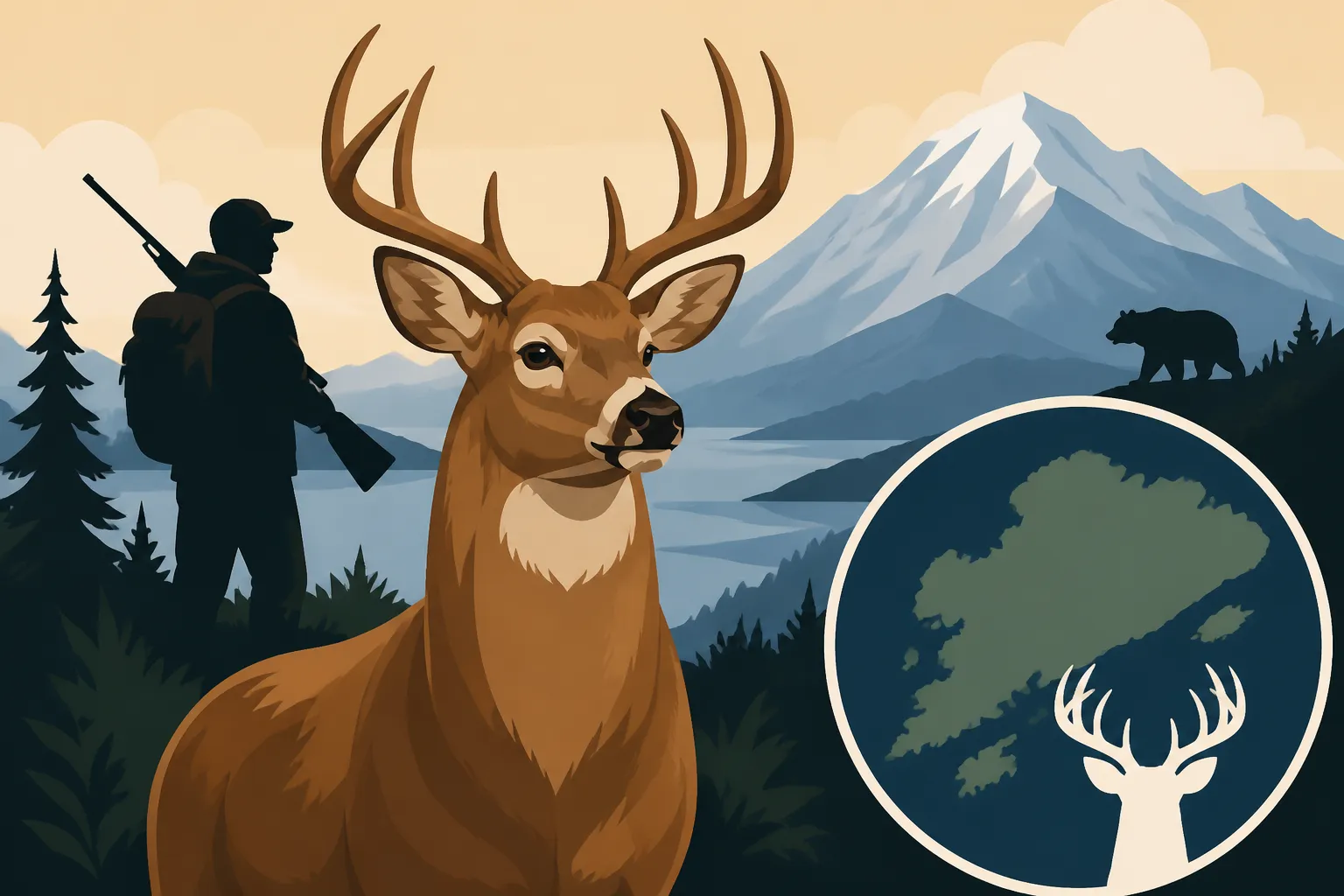
The sheer thought of planning a hunting trip to Alaska, especially as a nonresident, can feel like trying to navigate a maze blindfolded. And when it comes to a place like Kodiak Island, with its legendary Sitka blacktail deer and notoriously complex regulations, figuring out the specific nonresident deer bag limit isn't just a detail – it's the foundation of your entire hunt. This guide is here to untangle that knot, offering clear, empathetic, and realistic advice so you can confidently plan your pursuit of Kodiak blacktails.
Understanding Kodiak's Unique Deer Hunting Landscape for Nonresidents
Kodiak Island is a deer hunter's dream, famous for its abundant Sitka blacktail deer. But for nonresidents, it's not as simple as showing up with a license and a rifle. The regulations are designed to manage the population responsibly, and that often means different rules, limits, and timelines than what you might be used to in the Lower 48. This unique landscape requires careful planning and a deep understanding of what's allowed and what's not.
Why Kodiak is Different for Deer Hunters
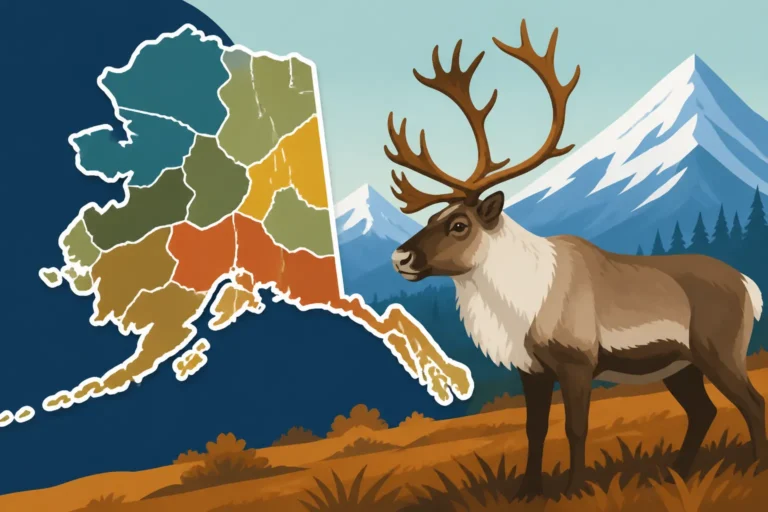
Unlike many parts of mainland Alaska, Kodiak's deer populations can fluctuate wildly due to harsh winters. A mild winter often means booming numbers, while a severe one, with deep snow and prolonged cold, can lead to significant die-offs. The Alaska Department of Fish and Game (ADF&G) uses these population dynamics to inform their bag limits and season lengths, which can, and often do, change. This variability means that what was legal last year might not be this year, adding a layer of complexity for those planning far in advance.
Furthermore, Kodiak offers a diverse range of hunting experiences, from stalking beaches and dense timber along the coastline to pushing into the alpine regions. Each area presents its own challenges and opportunities, and understanding the nuances of how deer behave in these different environments – for instance, why deer move down to the beaches during certain tides or how they utilize the alpine before snow really hits – is crucial. A great resource for tracking these dynamics and preparing for your hunt is often found by collaborating with hunt planning services like GoHunt, which aggregates data and insights to help you make informed decisions.
General Season vs. Draw Hunts
When we talk about deer hunting on Kodiak, for nonresidents, we're primarily focused on the general season hunts. Unlike some other big game species in Alaska, Sitka blacktail deer often fall under a general season structure, meaning you purchase a license and tags, and as long as the season is open and you abide by the regulations, you can hunt. However, it’s vital to distinguish this from the more restrictive draw hunts that exist for species like bison or muskox, or even some specific units for moose.
The general season for deer on Kodiak typically opens in August or September and can run through December, sometimes even into January, depending on the unit and current population status. While this offers a long window of opportunity, the most sought-after periods often coincide with the rut in November or early December, or the early alpine hunts before heavy snows make higher elevations inaccessible. Always double-check the current year's hunting regulations booklet for the exact dates for Game Management Unit (GMU) 8, which covers the Kodiak Archipelago. While Kodiak is largely a general season for deer, always be vigilant for any emergency orders that might shorten or close a season due to severe weather or population declines.
Decoding the Kodiak Nonresident Deer Bag Limit Regulations
Navigating the specific bag limits for nonresident deer hunters on Kodiak is where many people get tripped up. It's not just a single number; it's a dynamic regulation that changes based on timing, sex of the animal, and sometimes even the specific area within the island. Getting this wrong can turn a dream hunt into a costly violation.
The Standard Nonresident Bag Limit
For nonresident hunters on Kodiak Island (GMU 8), the standard bag limit for Sitka blacktail deer is typically two (2) antlered bucks. This is a critical distinction – it's not "any deer" for the majority of the season. You are specifically targeting bucks with antlers. This rule is in place to protect the reproductive capacity of the herd by limiting the take of does.
Consider this scenario: You're out glassing a timbered hillside after taking your first buck, and a beautiful doe steps out. Your instinct might be to fill your second tag, but if it's still early in the season, that would be a clear violation. It’s essential to be absolutely certain of your target's sex and antler status before pulling the trigger. This is a common mistake for hunters unfamiliar with Alaska's specific regulations, particularly those accustomed to "any deer" limits in other states. Always carry your binoculars and take the time to positively identify your game. Remember, these tags aren't cheap; understanding your Deer Tags on Kodiak and What They Cost is part of the upfront investment.
When Any Deer Becomes Legal on Kodiak
Here's where it gets interesting and often causes confusion: there are specific periods during the Kodiak deer season when the bag limit expands to include "any deer." This means that during these designated windows, you can harvest either an antlered buck or an antlerless deer (a doe or a fawn). This change usually occurs later in the season, typically in November and December, and it's implemented to help manage deer populations more aggressively after the primary breeding season or in response to high deer numbers after a mild winter.
For instance, the regulations might state that from November 1st through December 31st, the bag limit is still two deer, but "any deer" is legal. This is when hunters often plan their trips, as it offers more flexibility and opportunity. This later season can also coincide with the Blacktail Rut Timing in Southeast Alaska, which often brings bucks out of hiding. It’s important to note that even during "any deer" periods, the total bag limit for nonresidents remains two deer. You can't just keep shooting. Always consult the current ADF&G regulations for GMU 8 to confirm these dates, as they can shift year to year. Utilizing comprehensive hunting information platforms like GoHunt can provide updated regulatory calendars and insights into these specific windows.
Special Considerations: Federal Lands and Registration Hunts
While Kodiak deer hunting is primarily managed by the State of Alaska, hunters need to be aware of areas that might fall under federal jurisdiction or specific registration permit requirements. For instance, parts of Kodiak Island are within the Kodiak National Wildlife Refuge. While hunting is generally permitted in refuges, there can be specific federal regulations that either mirror state rules or add additional layers of complexity. Always verify the land status of your intended hunting area.
Additionally, while deer are typically a harvest ticket or locking tag species, it's always wise to understand the broader permit landscape in Alaska. Some species or areas might require a Alaska Harvest Tickets, Registration Permits and Draw Permits before you even set foot in the field. Although deer on Kodiak usually don't require registration permits, staying informed about all types of permits helps you avoid unexpected surprises. A quick check on the ADF&G website or a call to their regional office in Kodiak or Anchorage is always a good idea, especially if you're venturing into less-frequented areas or combining your deer hunt with other species.
| Season Segment (GMU 8) | Nonresident Bag Limit | Legal Deer | Typical Dates (Verify Annually) |
|---|---|---|---|
| Early Season | 2 Deer | Antlered Buck | August 1 – October 31 (approx.) |
| Late Season | 2 Deer | Any Deer | November 1 – December 31 (approx.) |
| Overall Annual Limit | 2 Deer |
Note: Dates are approximate and must be verified with the current Alaska Department of Fish and Game regulations for GMU 8 prior to your hunt, as they are subject to change via emergency order.
Practical Considerations for Your Kodiak Deer Hunt
Beyond understanding the regulations, a successful nonresident deer hunt on Kodiak involves a lot of practical planning. From securing your permits to preparing for the unpredictable coastal weather, every detail contributes to a safe and enjoyable experience.
Planning Your Trip Around Regulations
When you're a nonresident, every minute on the ground in Alaska counts. Knowing the bag limits and when "any deer" becomes legal on Kodiak directly impacts your trip planning. If your goal is to harvest two bucks, you have a longer season window. If you're hoping for an "any deer" opportunity, you'll need to focus your travel dates from November onwards. This also ties into how you get to your hunting area. Many hunters opt for Kodiak Island Road System Deer Hunting for easier access, but venturing further afield might require boat or air taxi services.
Factor in travel time, potential weather delays (which are common on Kodiak), and time for meat care. You don't want to be rushing the quartering of a bull moose alone in the field, let alone your deer, as the last plane out is waiting. If you're going with a group, ensure everyone understands the rules, especially if you plan on driving deer or participating in any group hunting efforts, as specific rules apply. Platforms like GoHunt can provide an integrated approach to planning, helping you align regulatory dates with logistical considerations, offering tools for weather forecasts and outfitter information that might impact your timing.
Gear and Logistics for Coastal Deer Hunting
Kodiak is known for its rugged terrain and notoriously wet, windy weather. Packing correctly isn't just about comfort; it's about survival. Rain gear that actually performs, like high-quality GORE-TEX, is paramount. Forget the cheap stuff; it won't hold up to days of relentless coastal drizzle. Beyond rain gear, think about appropriate layers, waterproof boots with good ankle support, and enough dry bags to protect your essentials.
Consider how you'll be accessing your hunting grounds. Many hunters find success Skiff Hunting Deer Along Saltwater Beaches, which means you need to understand Tide Tables and Beach Deer Hunting to avoid getting stranded or swamped. If you plan to hike into the backcountry, a sturdy backpack capable of carrying meat loads is essential, as you'll likely be Packing a Deer Off a Beach at Low Tide or out of a remote valley. Don't forget proper game bags and knowledge of Meat Care in 50-Degree September Weather, as warm coastal temperatures can spoil meat quickly.
Checking for Emergency Orders and Updates
This is perhaps one of the most crucial pieces of advice for any Alaska hunt: always, always check for emergency orders. The Alaska Department of Fish and Game has the authority to issue emergency orders that change seasons, bag limits, or open/close specific areas with very little notice. These orders are typically issued in response to sudden population declines, severe weather events (like a particularly harsh winter leading to Deep Snow Winters and Alaska Deer Die-Offs), or other conservation concerns.
For a nonresident planning a trip months in advance, an emergency order could completely derail your plans. The best way to stay informed is to regularly check the ADF&G website (specifically the emergency order section for GMU 8) and consider signing up for their email notifications. Local air taxi operators or guides in Kodiak are also excellent sources of up-to-the-minute information, as they are often the first to know about significant changes. Don't assume the regulations printed in a booklet from last year are still current; always verify them for the exact dates of your hunt.
Ensuring Compliance and Ethical Hunting on Kodiak
Hunting on Kodiak is a privilege, and it comes with the responsibility of upholding Alaska's hunting ethics and regulations. As a nonresident, demonstrating a commitment to compliance and ethical practices is not just about avoiding penalties; it's about respecting the wildlife, the land, and the local community.
Proper Tagging and Reporting
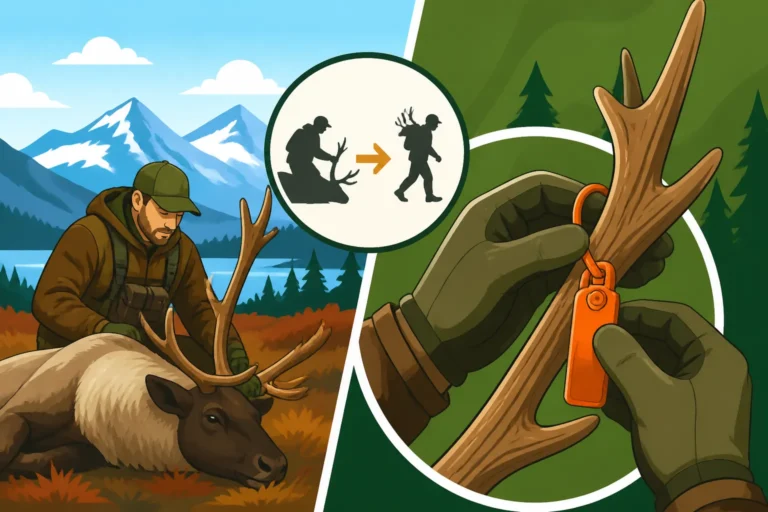
Once you've successfully harvested a deer, the work isn't over. Proper tagging is immediate and essential. You must immediately validate and attach your locking tag to the deer, as specified in the regulations. This isn't something you can put off until you get back to camp or town. Failure to do so can result in a citation for illegal possession of game. If you're using a harvest ticket, the validation rules are similar.
Just as critical as tagging is the post-hunt reporting. Most harvest tickets and locking tags require a report to be filed by a specific deadline, often within a few days or weeks of the end of the season or your departure from the field. Missing the Alaska Harvest Report Deadline After the Hunt can lead to fines and may jeopardize your ability to hunt in Alaska in the future. Many reports can now be submitted online, making the process much easier, but it still needs to be done. Keep a copy of your validated tag and your reporting confirmation.
Respecting Private Land and Native Allotments
Kodiak, like much of Alaska, is a patchwork of public and private lands, including significant Native Corporation land and individual Native allotments. Hunting on private land without explicit permission is trespassing and illegal. It's not always obvious where these boundaries lie, especially in remote areas. Before you head out, use tools like online mapping applications (such as those provided by GoHunt or the ADF&G mapping tools) to identify land ownership.
Always assume land is private until you confirm it's public. If you encounter signs of private ownership or an allotment, respect those boundaries. If you intend to hunt on Native Corporation land, you will need to purchase an access permit directly from that corporation, which is separate from your state hunting license and tags. Being respectful of private property is a cornerstone of ethical hunting and maintaining good relations between hunters and landowners.
The Importance of Ethical Harvest
Beyond the letter of the law, ethical harvest is paramount. This means taking responsible shots, making every effort to recover wounded game, and properly salvaging all edible meat. Alaska has strict wanton waste laws, which mean you cannot kill an animal and leave edible meat behind (beyond specific exempted parts like gut piles or certain bone structures). This is especially true for species like Sitka blacktail deer. Understanding Which Cuts Count as Edible Meat in Alaska is crucial to avoid violations.
The health of Kodiak's deer population is a shared responsibility. By adhering to bag limits, understanding when "any deer" is legal, and practicing sound ethics, nonresidents contribute positively to conservation efforts and help ensure that future generations can continue to experience the incredible deer hunting opportunities Kodiak Island offers. Don't just hunt within the rules; hunt in a way that makes every Alaskan hunter proud.
Disclaimer
This guide provides general information based on current public knowledge and typical regulations. Alaska hunting regulations, including bag limits and season dates for Kodiak Island, are subject to change annually and via emergency order by the Alaska Department of Fish and Game (ADF&G). It is the sole responsibility of every hunter to consult the most current official ADF&G hunting regulations booklet and any relevant emergency orders for Game Management Unit 8 before planning or embarking on a hunt. This content is not a substitute for official legal advice or current regulatory documents.