Fortymile Bull-Only Bag Limit
It’s a truly exhilarating thought, isn’t it? Standing on the vast, open tundra, the crisp Alaska air filling your lungs, scanning the horizon for the tell-tale silhouette of a caribou herd. For many, the Fortymile caribou herd represents one of Alaska's most iconic hunting experiences. But chasing these magnificent animals comes with its own set of rules, and few can be as confusing or as critical to understand as the bull-only bag limit. Misinterpreting this regulation isn't just a minor oversight; it can quickly turn a dream hunt into a frustrating, even costly, legal entanglement. This guide aims to thoroughly demystify the Fortymile bull-only bag limit, providing you with the knowledge and practical insights needed to plan and execute a successful, compliant, and unforgettable caribou hunt.
The Fortymile Caribou Herd and Its Unique Management
The Fortymile caribou herd isn't just any group of animals; it's a testament to incredible wildlife management and conservation efforts. These animals roam a vast expanse of Interior Alaska and into Canada's Yukon Territory, crossing landscapes that challenge even the most seasoned hunters. Understanding their history and why they're managed the way they are is the first step toward appreciating the regulations designed to protect them.
A Brief History of a Resilient Herd
Once numbering in the hundreds of thousands, the Fortymile caribou herd experienced a dramatic decline in the mid-20th century, dropping to a mere 6,000 animals by the early 1970s. This near-collapse was a wake-up call, leading to intensive management strategies by the Alaska Department of Fish and Game (ADF&G) and their Canadian counterparts. Through careful scientific study, habitat protection, and adaptive harvest regulations, the herd has made a remarkable recovery. Today, the herd often numbers over 50,000 strong, a true success story in wildlife conservation. Its recovery means that while hunting opportunities exist, they are carefully controlled to ensure this resilience continues.
The Fortymile herd's journey back from the brink highlights the importance of science-based wildlife management. Hunters play a vital role in this by adhering to regulations, as every harvested animal contributes to the data used by biologists. Without the commitment of all stakeholders, such a recovery would simply not be possible. This historical context provides essential background for why specific regulations, like the bull-only limit, are so crucial for its ongoing health.
Understanding Herd Dynamics and Conservation Goals
Caribou herds are incredibly dynamic, constantly moving across their range, influenced by weather, forage availability, and predation. For the Fortymile herd, these movements can span hundreds of miles, making them a truly migratory species. Biologists continuously monitor calving success, calf survival, adult mortality, and overall herd health to make informed decisions about harvest levels. The primary conservation goal is to maintain a healthy, productive herd within its carrying capacity, ensuring its long-term viability for both ecological balance and sustained hunting opportunities. This means sometimes seasons are liberal, and other times they are highly restrictive.
The specific dynamics of caribou reproduction mean that protecting breeding cows is paramount. A healthy cow segment ensures future generations. Bulls, while essential for breeding, can often be harvested more liberally without negatively impacting herd growth, especially if their numbers become disproportionately high. This is a key reason for the bull-only regulation. Hunters looking for reliable information on herd movements and health often use resources like those found in the article about the Fortymile Caribou Herd Range and Migration, which can significantly aid in planning. Keeping track of these dynamics, often released through ADF&G reports and online resources, is part of being a responsible hunter.
The Role of ADF&G in Setting Regulations
The Alaska Department of Fish and Game (ADF&G) is the authority responsible for managing Alaska's wildlife resources. Their decisions are based on extensive data collection, scientific research, and input from local advisory committees and the Board of Game. For the Fortymile caribou, this involves aerial surveys, radio-collaring studies, harvest data analysis, and predictive modeling. When the herd is thriving and population objectives are met or exceeded, more liberal hunting seasons might be offered. Conversely, if the herd experiences a downturn, regulations can become more restrictive, sometimes even closing areas or entire seasons.
The bull-only bag limit, along with specific season dates and quotas, is a direct result of these management objectives. ADF&G issues emergency orders frequently, especially for migratory species like caribou, which can open or close seasons with very little notice. This adaptability is critical for responsive management but places a significant responsibility on hunters to stay informed. Many seasoned hunters utilize online platforms, like GoHunt, to track current regulations, draw odds, and emergency order updates, integrating this crucial information into their hunt planning process.
Decoding the Bull-Only Bag Limit for Fortymile Caribou
The "bull-only" restriction is one of the most common and often misunderstood regulations in caribou hunting, particularly for the Fortymile herd. It's not just a suggestion; it's a legal requirement designed to achieve specific management goals. Understanding its nuances is paramount for any hunter venturing into the Fortymile country.
Defining "Bull-Only" in the Context of Caribou Hunting
At its core, "bull-only" means that hunters are permitted to harvest only male caribou. Seems simple enough, right? However, caribou are unique in the deer family because both sexes grow antlers, and cows can sometimes grow impressive racks. This biological fact can make field identification challenging, especially when a cow has a larger or more mature-looking antler configuration than a young bull. The regulation is explicit: if it's a cow, it's illegal to harvest, regardless of its antler size.
This strict definition means hunters must be absolutely certain of the animal's sex before taking a shot. There's no room for "I thought it was a bull" when a warden is inspecting your kill. Focus needs to be on identifying male-specific characteristics, which include not just the antlers, but also body size, facial features, and even behavior within the herd. For a deeper dive into these nuanced differences, consult resources like the article on Caribou Antler Shedding and Bull Identification, which can help clarify visual cues.
The Rationale Behind Selective Harvest
The bull-only regulation is a strategic tool used by wildlife managers to protect the reproductive capacity of the caribou herd. As discussed, a healthy population of breeding cows is the foundation for future herd growth. By limiting harvest to bulls, managers ensure that the primary breeding stock remains robust, allowing the herd to recover from natural fluctuations or environmental stressors. This type of selective harvest is especially common when a herd is below its desired population objective or when managers want to promote rapid growth.
The article Why the Fortymile Herd Has a Bull-Only Limit delves further into the specific ecological and population reasons for this management strategy. Essentially, it allows hunters to participate in the resource while minimizing impact on the core breeding population. It's a balance between providing opportunity and ensuring sustainability. This selective harvest also helps to distribute hunting pressure, often drawing hunters to specific areas where bulls may be more prevalent or accessible.
Impact on Season Lengths and Quotas
The bull-only restriction directly influences how ADF&G sets season lengths and harvest quotas. When a herd is managed with a bull-only limit, the seasons might be longer or offer more permits than if a harvest of either sex was allowed. This is because the impact of harvesting bulls on the overall population is less severe than harvesting cows. However, even with a bull-only rule, quotas can still be very tight, especially during the fall migratory periods.
For example, the Fortymile herd often has different quotas and season structures for specific zones, and sometimes these are further divided into fall and winter periods. The Fortymile Fall and Winter Quota Split illustrates how managers adapt to migration patterns and herd distribution. Hunters need to pay very close attention to these details, as a bull-only limit in one zone might shift to an "any caribou" harvest in another, or vice versa, depending on the specific Game Management Unit (GMU) and even subunit regulations. Missing these finer points can lead to serious violations.
Mastering Field Judging for Fortymile Bull Caribou
This is where the rubber meets the road. Knowing the rules is one thing; applying them accurately in the field, often under less-than-ideal conditions, is another. Field judging for a bull-only hunt demands patience, keen observation, and a thorough understanding of caribou anatomy.
Key Identification Features of a Legal Bull
To confidently identify a legal bull caribou, you need to look beyond just "big antlers." While antler size is often a good indicator, it's not foolproof, as some mature cows can have impressive headgear. Here are the key features to focus on:
- Antlers: Bulls typically have thicker, more robust antlers than cows. Look for significant mass at the base (pedicles) and throughout the main beams. Bulls usually develop distinct "shovels" (broad, flattened palmations) extending forward over their eyes, and "bez tines" (points above the shovels). While some cows will have small shovels, a large, well-developed shovel is a strong indicator of a bull.
- Body Size and Shape: Bulls are generally larger and more robust than cows. They have a more muscular neck and shoulders, especially during the rut when their necks swell significantly. Cows tend to be more slender and have a more feminine appearance.
- Facial Features: Older bulls often have thicker, more developed muzzles and a heavier, more blocky head shape compared to the finer features of a cow.
- Behavior: Observe how the animal interacts within its group. Bulls in mixed-sex herds often display dominance behaviors or will be more solitary. During the rut, bulls will actively chase and guard cows.
- Presence of a Sheath: This is often the most definitive characteristic, but obviously difficult to see at long range or if the animal is quartering away. With high-powered optics, you might be able to spot the male genitalia.
For an even more detailed comparison, specifically on how antler configuration can help, checking out the content on Caribou Antler Size on Bulls and Cows can provide valuable visual context. Remember, combining multiple indicators will give you the highest confidence.
Challenges of Distinguishing Cows from Immature Bulls
It's easy to say "just look for a bull," but the reality on the ground, especially in poor light, at long distances, or when animals are moving, is far more complex. Young bulls, often called "spike-forks" or "yearlings," might have small, spindly antlers that resemble a mature cow's rack. Conversely, some barren or older cows can grow surprisingly large and complex antlers. This overlap creates a significant challenge for even experienced hunters.
Imagine you're glassing a large group of caribou from a mile away. The animals are constantly shifting, and the light is fading. You spot what looks like a decent rack, but the body seems a bit small. Is it a young bull or a large cow? This is a common dilemma, and it's precisely why patience is your most valuable tool. Rushing a shot based on a single, ambiguous characteristic is a recipe for error and a potential citation.
Strategies for Confident Identification
Given the challenges, what can a hunter do to maximize their chances of making a correct identification?
- High-Quality Optics are Non-Negotiable: A good spotting scope (20-60x or higher) and quality binoculars (10x or 12x) are absolutely essential. Don't skimp here. Spend time practicing with your optics before the hunt, learning how to use them to pick apart distant animals.
- Patience, Patience, Patience: Never rush a shot. If there's any doubt, do not shoot. Wait for the animal to turn, move, or for better light conditions. Observe it for as long as it takes to confirm. Often, animals will present multiple angles, allowing you to confirm body shape, neck thickness, and antler features.
- Look for Multiple Indicators: As mentioned, don't rely on just one feature. Combine antler characteristics, body size, neck development, and behavior. The more boxes you can confidently check for "bull," the better.
- Observe the Group Dynamics: If you see a solitary animal, it might be a bull, but if it's part of a mixed herd, observe its interactions. Bulls often stand taller, have a more confident posture, and may spar with other bulls.
- Study Caribou Anatomy: Before you even leave home, spend time studying images and videos of bull and cow caribou at different times of the year. Pay close attention to subtle differences in skeletal structure and musculature. Many hunters find GoHunt's detailed species profiles and mapping tools incredibly helpful for pre-hunt research, allowing them to visualize topography and potential caribou movements while also reviewing species-specific information.
- Know Your Shooting Range: The further the shot, the harder it is to make a positive ID. Stick to ranges where you're comfortable making an ethical shot and a confident identification.
- Consult with Partners: If you're hunting with a partner, use your radios or hand signals to discuss the animal. Two sets of eyes are better than one, especially when assessing subtle differences.
For more in-depth techniques, especially related to the intricacies of antler growth and specific features to look for, the guide on Field Judging a Legal Bull Under Alaska Antler Rules is an invaluable resource. The confidence to make the right call in the field comes from preparation and discipline.
Planning Your Hunt Under the Fortymile Bull-Only Rules
Planning any Alaska hunt is a complex undertaking, but when dealing with specific regulations like the Fortymile bull-only bag limit, your preparation needs to be even more meticulous. It's not just about getting to the right place; it's about understanding the nuances of the hunt itself.
Pre-Season Research and Regulation Scrutiny
Your hunting season actually begins long before you set foot in the field. For the Fortymile caribou, this means diving deep into the ADF&G regulations. Alaska's hunting regulations are dynamic, with emergency orders that can change season dates, bag limits, or even close areas with little notice. Relying on last year's regulations or hearsay is a recipe for disaster.
- Official ADF&G Website: This is your primary source. Download the current year's hunting regulations booklet for the specific Game Management Units (GMUs) that the Fortymile herd inhabits (primarily Units 20E, 25C, and parts of 12 and 25D). Pay close attention to the General Hunting Regulations, which apply statewide, and then hone in on the specific Unit-specific regulations.
- Emergency Orders: These are critical. ADF&G frequently issues emergency orders for caribou as the herd's migration patterns or population numbers shift. Subscribe to email alerts from ADF&G or regularly check their emergency order page. A season that was open when you planned your hunt could be closed by the time you arrive.
- Quota Status: For registration hunts (which many caribou hunts are), seasons can close when a certain quota is met. Always check the current harvest quota status before and even during your hunt, if possible. This is directly related to the Fortymile Zone Openings and Delays, which can quickly impact your hunt plan.
Platforms like GoHunt provide excellent tools for navigating complex regulations, offering quick access to current season dates, bag limits, and often summarizing key changes. Their interactive maps can also help you visualize where specific regulations apply, ensuring you don't inadvertently cross into a different zone with different rules.
Choosing Your Hunting Area and Access
The Fortymile herd's range is vast, covering hundreds of miles. Popular access points for hunters include areas off the Taylor Highway, Steese Highway, and occasionally the Dalton Highway, though specific corridors along the Dalton have their own restrictions. Your choice of hunting area will largely depend on the time of year, the herd's migratory patterns, and your preferred mode of access (road system, ATV, or fly-in).
- Road System Access: Areas along the Taylor Highway and Steese Highway offer some of the most accessible hunting for Fortymile caribou. However, this accessibility often means more hunting pressure. If you plan to hunt from the road system, understand the specific regulations regarding proximity to roads and established trails. For details on these routes, refer to articles like The Taylor Highway and Fortymile Country.
- ATV Access: Many hunters utilize ATVs to get deeper into the backcountry from road access points. Be aware of land ownership (State, Federal, Native Corporation) and any restrictions on motorized vehicle use. Respect trail closures and avoid sensitive tundra.
- Fly-In Hunts: For a more remote experience, flying into an airstrip or gravel bar in the Fortymile range is an option. This requires meticulous planning with an air taxi and a clear understanding of weight limits and pickup schedules.
Regardless of your access method, the bull-only rule impacts your strategy. You'll want to focus on areas where bulls are known to congregate or where you can get clear views for accurate field judging. This might mean higher elevations or specific drainages.
Gear Considerations for Ethical and Compliant Hunting
Beyond your rifle and essentials, certain gear becomes even more critical for a bull-only caribou hunt:
- Superior Optics: As emphasized, a high-quality spotting scope and binoculars are non-negotiable. Spend good money here. They are your most important tool for field judging.
- Accurate Navigation: GPS devices, satellite communicators (like an InReach or Garmin inReach Mini 2), and detailed maps are crucial. Caribou country can be featureless, and getting lost or confused about GMU boundaries can happen quickly. Using tools like GoHunt's offline maps can be a lifesaver, especially in areas without cell service. Reviewing the article on Downloading Offline Maps Before a Fly-In can give you an edge. Also, consider the impact of cold on your devices by reading about GPS Battery Life in Cold Camps.
- Game Bags: Once you harvest a bull, you'll need to quarter it and protect the meat. Quality breathable game bags are essential for cooling meat quickly and keeping flies off, especially in early season hunts.
- Photography Gear: Always carry a camera. Not only for trophy photos, but also to document your legal kill if questions arise later. A clear photo of the antlers and the animal in the field can be invaluable.
Remember, the goal is not just to harvest an animal, but to do so ethically, legally, and to ensure you can properly care for the meat and trophy.
The Importance of Post-Harvest Reporting
Your responsibility as a hunter doesn't end when the animal is on the ground. For caribou, especially those hunted under a registration permit, timely and accurate harvest reporting is mandatory. This data is vital for ADF&G biologists to monitor harvest levels, assess herd health, and make future management decisions.
- Reporting Requirements: Understand exactly when and how you need to report your harvest. This usually involves online reporting or submitting a physical harvest ticket. The specific deadlines and methods are clearly outlined in the regulations. Missing a reporting deadline can result in fines or impact your ability to apply for future permits.
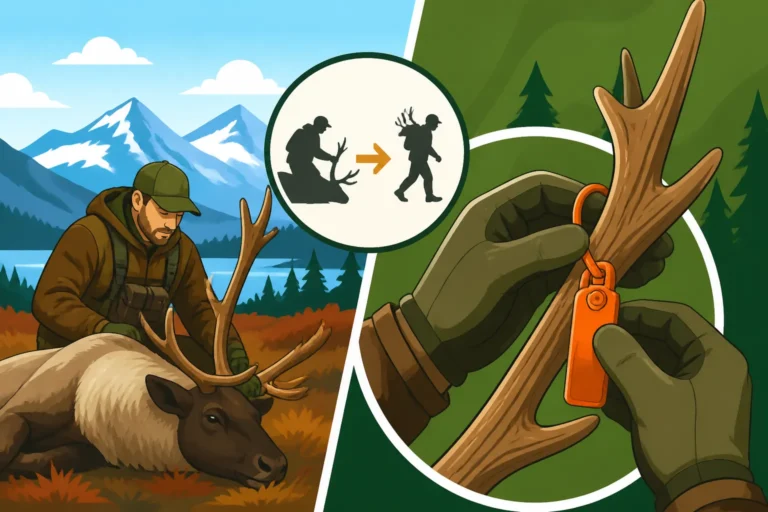
- Salvage Requirements: Alaska has strict meat salvage laws. You are required to salvage all edible meat from your kill. For a caribou, this means specific cuts must be removed from the carcass and transported from the field. Understand these requirements thoroughly to avoid wanton waste violations.
Neglecting harvest reporting is a common mistake and one that ADF&G takes seriously. Make it a priority to submit your report promptly. For more information on this crucial step, refer to the article on Alaska Harvest Report Deadline After the Hunt. Your contribution to accurate data helps ensure the continued health and hunting opportunities for the magnificent Fortymile caribou herd.
Understanding Caribou Field Identification: Bulls vs. Cows
| Feature | Bull Caribou (Mature) | Cow Caribou (Mature) |
|---|---|---|
| Antler Mass | Generally much thicker, robust at base and beams | Thinner, more spindly, often more delicate |
| Shovels | Large, broad, flattened palmations over forehead | Small or absent; if present, much narrower and less developed |
| Bez Tines | Usually present and well-defined, projecting forward | May be present, but often smaller or less distinct |
| Antler Velvet | Sheds velvet earlier (August-September) | Retains velvet longer, sometimes into winter |
| Body Size | Larger, heavier, more muscular build | Smaller, more slender, lighter frame |
| Neck | Significantly thicker, especially during the rut (swollen) | Thinner, more graceful |
| Facial Features | Often a heavier, more blocky muzzle and face | Finer, more delicate facial structure |
| Male Organ | Presence of a visible sheath (requires good optics/angle) | Absent |
| Behavior | May be more solitary, dominant, or actively herding cows during rut | Often in larger groups, focused on grazing |
Disclaimer
Hunting in Alaska involves inherent risks, including but not limited to severe weather, dangerous wildlife encounters, and challenging terrain. The information provided in this guide is for informational purposes only and is not a substitute for thoroughly reading the official Alaska Department of Fish and Game (ADF&G) hunting regulations. Hunters are solely responsible for understanding and complying with all current state and federal hunting laws, regulations, and emergency orders. Always prioritize safety and ethical hunting practices.