How Many Alaska Hunt Numbers Per Species
Navigating Alaska's hunting regulations can feel like trying to untangle a fishing net after a particularly wild day on the water. It’s dense, confusing, and often leaves you wondering if you've missed a crucial knot. One of the most common head-scratchers for hunters, especially those new to the state or the draw system, revolves around "hunt numbers"—how many you can apply for and what they even mean. This guide is here to break down the complexities, clarify the rules, and help you confidently fill out your Alaska big game draw applications.
Navigating the Alaska Draw: Understanding Hunt Numbers
When you dive into the world of Alaska hunting, you quickly encounter "hunt numbers." These aren't just arbitrary codes; they're the bedrock of how the Alaska Department of Fish and Game (ADF&G) manages specific hunts. Think of a hunt number as a unique identifier for a very particular hunting opportunity. It's how the state delineates exactly what you can hunt, where, and when. Without understanding these numbers, you're essentially trying to hit a target blindfolded.
Why Specific Hunt Numbers Exist
The primary reason for Alaska's detailed hunt number system is precise game management. Alaska is a vast state with incredibly diverse wildlife populations and habitats. A moose population in the Tanana Flats (Game Management Unit 20A) might be thriving and able to sustain a high harvest, while a population just a hundred miles away in a different unit might be struggling due to harsh winters or increased predation. Hunt numbers allow ADF&G to create hyper-specific regulations. They can designate hunts for specific species, in specific Game Management Units (GMUs) or subunits, during specific dates, and sometimes even for specific sexes or antler configurations. For example, a hunt number might specify "moose, bull-only, Unit 13A, September 1-20." This level of detail ensures that hunting pressure is distributed appropriately, conservation goals are met, and everyone knows the exact parameters of their permit hunt. It helps prevent overharvest in one area while allowing for sustainable take in another.
Deciphering the Hunt Number Code
At first glance, an Alaska hunt number can look like a jumble of letters and digits, but there's a method to the madness. Generally, they follow a pattern that gives you immediate clues about the hunt. You'll often see a letter or two indicating the species, followed by a series of numbers that define the specific hunt area and type.
For instance, you might see "DM401" or "DC830."
- The "DM" or "DC" typically refers to the species (e.g., DM for Draw Moose, DC for Draw Caribou, DS for Draw Sheep, DB for Draw Brown Bear).
- The numerical sequence then specifies the particular hunt. This sequence will tell you which Game Management Unit (GMU) or subunit the hunt is in, the specific dates, and any other unique rules, such as antler restrictions or sex limitations. For example, DM401 might be a specific early season moose hunt in a particular subunit of Unit 13, while DM402 is a later season hunt in an adjacent subunit. Each number is distinct, even if only one digit changes, meaning it represents a completely separate opportunity. This precise coding is critical for both the state's management and your application strategy.
The Standard Rule: One Hunt Number Per Application for Most Species
When you're applying for most big game species in the Alaska draw, the process is fairly straightforward: you get to choose one hunt number per application. This means if you want to hunt Dall sheep, you’ll submit one application, and on that application, you'll select a single, specific Dall sheep hunt number that corresponds to the area and season you're hoping for.
The "One Species, One Application" Principle
For the vast majority of species—like Dall sheep, brown bear, mountain goat, muskox, and bison—you're limited to selecting one specific hunt number when you fill out your draw application. This means you need to do your homework and decide on your absolute top priority. If you're dreaming of a big ram, you pick one Dall Sheep in Alaska's Brooks and Alaska Ranges hunt number, say DS101 for the Chugach Mountains, and that's your play for the season for that species. You can't put down DS101, DS102, and DS103 all on the same application hoping to increase your odds for sheep. Each hunt number represents a distinct permit draw, and you get one shot per application for that species.
This system forces hunters to really weigh their options. Are you going for a hunt in an area known for trophy animals but with incredibly low odds, or a more accessible hunt with slightly better drawing chances? It’s a strategic decision that relies heavily on research into harvest statistics, success rates, and personal preference. Tools like GoHunt can be incredibly useful here, allowing you to filter by species, unit, and hunt type to see historical success rates and draw odds, helping you make that single, critical choice. Remember, while you might be able to submit a few different applications for different species in a year, for each specific species (except moose, which we'll get to), you pick one hunt number per application.
Understanding the Overall Application Limit
It's important to differentiate between the number of hunt choices per species and the overall limit on the total number of applications you can submit in a year. Alaska sets an overall limit: hunters can submit up to three separate draw applications during the application period. However, this rule does not mean you can list three different hunt numbers for the same species (again, except for moose). It means you could apply for, say, a brown bear hunt (one hunt number), a caribou hunt (one hunt number), and a mountain goat hunt (one hunt number)—totaling three distinct applications. Or, if you're really passionate about a specific species that allows multiple applications (not all do, but it's theoretically possible depending on the species and hunt structure), you could apply for three different caribou hunt numbers, each on a separate application, assuming the regulations permit it. However, the rule typically applies to different species. The key takeaway is that for most species, each application will still only contain one chosen hunt number for that species. This overarching rule is often confused with the specific rules for moose, which are quite different. For a deeper dive, read up on The Three-Hunt-Number Limit on Alaska Draw Applications.
The Moose Exception: Six Choices on One Application
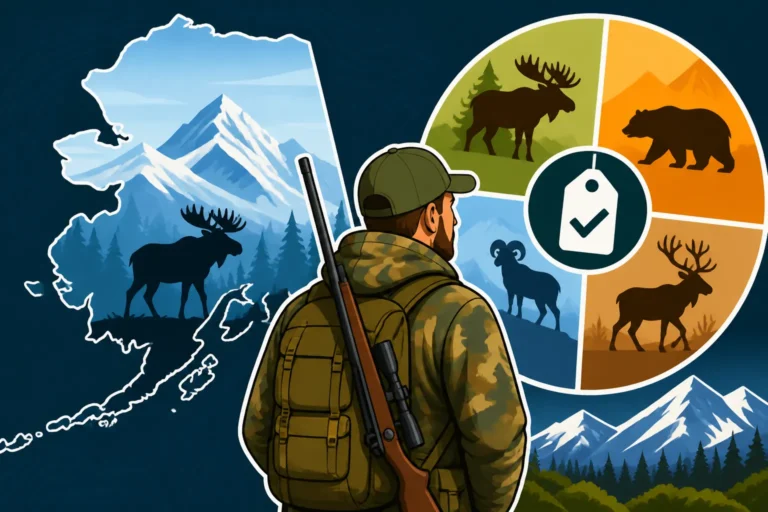
Now, here's where Alaska's system deviates significantly from the norm and often causes the most confusion: moose applications. While almost every other species limits you to one hunt number per application, moose is the grand exception, allowing you to list multiple choices on a single application.
Why Alaska Allows Six Moose Hunt Choices
The reason for this unique rule for moose largely comes down to the sheer popularity of moose hunting and the expansive, diverse habitat these animals occupy across Alaska. Moose are a critical subsistence and recreational resource, and their populations vary widely from one GMU to another. To give hunters a better chance at drawing a permit for this highly sought-after species, and to help ADF&G manage the immense volume of applications, the state allows hunters to select up to six different moose hunt numbers on a single application.
This system helps in a few key ways:
- Increased Opportunity: It significantly increases a hunter's odds of drawing a moose permit, even if not their top choice. Instead of a single "yes" or "no," you have six chances.
- Efficient Allocation: If you don't draw your first choice, your application is automatically considered for your second, and so on, down to your sixth choice. This streamlines the allocation process for ADF&G and ensures more permits are filled efficiently.
- Strategic Planning: Hunters can prioritize their dream hunts while still having fallback options in areas with higher draw odds or different season dates. This flexibility makes the moose draw a truly unique and strategic endeavor. You can learn more about the rationale behind this at Why Alaska Allows Six Moose Hunt Choices.
The Alaska Moose Draw Six-Choice Rule Explained
When applying for a moose permit, you'll encounter the specific feature that lets you list up to six distinct moose hunt numbers, ranked by your preference. This is your primary application for moose for the year, and it’s distinct from the three-application limit for other species. You choose your top choice (your dream hunt), then your second, third, and so on, all the way to your sixth.
Here's how it generally works:
- Prioritization: Your application is first considered for your #1 choice. If there are enough permits and your application is drawn, you receive that permit.
- Cascading Draw: If you are not drawn for your #1 choice, your application automatically moves to be considered for your #2 choice. This process continues sequentially through all six of your choices until you are either drawn for a hunt or all your choices have been exhausted.
- One Permit Only: Even with six choices, you can only be awarded one moose permit per draw application. Once you're drawn for any of your choices, the process stops.
This system provides a robust way for hunters to plan their moose season. You might put a coveted, limited-entry hunt as your first choice, knowing the odds are low, but then follow it with more accessible hunts in areas like the Copper River Delta or Unit 20A, which are known for their moose populations. It’s also important to pay close attention to details like Bull-Only Limits Inside Alaska's Six Moose Choices when making your selections, as antler restrictions are common.
Beyond Draw Permits: Other Hunt Types and Their "Numbers"
While draw permits and their associated hunt numbers are a significant part of Alaska's hunting landscape, it’s crucial to understand that not all hunting opportunities require you to navigate this specific system. Alaska offers other types of hunts, each with its own way of "numbering" or designating the opportunity.
Registration Permits: First-Come, First-Served, or Quota-Based
Registration hunts are distinct from draw permits in that they are generally not based on a lottery system. Instead, they operate on a first-come, first-served basis or close once a pre-determined quota of animals has been harvested. These permits are typically designated by an "RM" (Registration Moose), "RC" (Registration Caribou), or similar code followed by numbers that identify the specific hunt area and season.
Unlike draw permits, you simply "register" for these hunts, often online or at an ADF&G office. The challenge with registration hunts is timing and vigilance. You need to be aware of when registration opens, as popular hunts can fill up very quickly. Additionally, many registration hunts have quotas, meaning the season can close suddenly via an Emergency Order if the harvest limit is met. Staying informed about current announcements is key. These hunts often involve species like caribou or black bear in certain units and offer a different pathway to filling your freezer. Knowing the Alaska Registration Hunts That Close on Quota is critical for these opportunities.
Harvest Tickets: General Season and Open Access
Harvest tickets represent the simplest form of hunting "permit" in Alaska. For many general season hunts, particularly for abundant species like black bear, deer, small game, and in some areas, even caribou, you simply need to obtain a free harvest ticket. These are not limited in quantity (usually) and are not part of a draw or registration system. You acquire them, carry them with you while hunting, and then report your harvest if successful.
For example, hunting Sitka blacktail deer in Southeast Alaska or black bear over bait in the Interior often only requires a harvest ticket, in addition to your general hunting license and any necessary locking tags. There aren't "hunt numbers" in the same sense as the draw system. Instead, you're hunting under the general season regulations for a specific Game Management Unit, and the harvest ticket is primarily for data collection. This provides flexible hunting opportunities without the competitive application process. Understanding the distinction between a Alaska Locking Tag Versus Harvest Ticket Difference is fundamental.
The Application Process for Different Hunt Types
The key difference for hunters is how you interact with the state's system.
- Draw Permits: Involve submitting an application with your chosen hunt number(s) (one for most species, six for moose) during a specific application window (typically November 1 – December 15) and hoping your name is drawn. This is where hunt numbers are paramount. You'll want to be familiar with how Alaska Big Game Drawing Permits Work.
- Registration Permits: Involve obtaining a permit at the start of the season, or when announced, until quotas are met or the season closes. Here, the "number" is more about identifying the specific registered hunt.
- Harvest Tickets: Involve simply printing or picking up a ticket and adhering to the general season dates and bag limits for your chosen GMU. No competitive process involved.
Each of these avenues requires careful study of the current year's Alaska Hunting Seasons and Tag Rules Explained to ensure you're compliant and maximizing your chances for a successful hunt.
Strategizing Your Alaska Draw Application
Applying for Alaska’s draw hunts isn’t just about picking random numbers; it’s a strategic game that requires research, careful consideration, and a bit of hope. With limited choices for most species and specific rules for moose, making informed decisions can significantly impact your hunting success.
Prioritizing Your Top Choices
When faced with limited hunt number choices (especially the single choice for most species), prioritizing becomes paramount. You need to honestly assess your goals, your physical capabilities, and your tolerance for risk.
- Dream Hunts vs. Realistic Odds: Do you go for that once-in-a-lifetime Dall sheep hunt in a super remote area with 1% draw odds, or do you choose a more accessible mountain goat hunt with 10% odds? For moose, you can combine these by putting your dream hunt as choice #1 and more realistic hunts lower down.
- Researching Units: Dive deep into the specific Game Management Units. Look at historical harvest data, success rates, and the number of permits issued versus applicants. Websites like GoHunt provide excellent data analysis and tools to compare these metrics across different hunt numbers. Understanding the specific regulations for units, such as Alaska Moose Antler Restriction Areas, will also influence your choices.
- Physical Demands: Some hunts are incredibly demanding. A backpack sheep hunt, for instance, requires peak physical condition and extensive gear. Don't apply for a hunt that you're not realistically prepared for, as drawing a permit for a hunt you can't undertake is a wasted opportunity. You might consider Backpack Hunting in Alaska: Gear Weight and Meat Loads for an honest assessment.
Researching Hunt Numbers with Tools like GoHunt
In today's digital age, you don’t have to rely solely on thick regulation books (though they are still essential!). Online platforms and tools have revolutionized how hunters research and apply for draws. GoHunt, for example, is a popular resource that compiles draw statistics, success rates, and detailed unit information, helping you make smarter choices.
Here’s how such tools can help:
- Historical Data: Access years of data on draw odds, success rates, and hunter numbers for specific hunt codes. This lets you see which hunts are perennially difficult and which offer better chances.
- Filtering and Comparison: Easily compare multiple hunt numbers for a species side-by-side. You can filter by unit, weapon type, season dates, and other criteria to narrow down your options. This is especially useful for moose, where you're balancing six choices.
- Mapping Features: Many platforms integrate mapping, allowing you to visualize hunt boundaries and terrain, aiding in your scouting and planning. While GoHunt is excellent, remember to always cross-reference any information with the official ADF&G regulations, as these are the ultimate authority. You can also glean valuable insights by looking at how Alaska Draw Odds Reset Every Year and why consistent research is vital each season.
Avoiding Common Mistakes in Application
The Alaska draw system is unforgiving when it comes to errors. A simple mistake can render your application invalid or cost you a valuable opportunity.
- Missed Deadlines: The application window for most draw permits is typically November 1 to December 15 each year. Missing this window, or even applying after the specific deadline time zone, means you're out of luck until next year. Mark your calendar for the Alaska Draw Application Opening Date!
- Incorrect Hunt Numbers: Double-check, triple-check, and then ask a friend to check your hunt numbers. Entering a single digit wrong means you've applied for a different hunt than intended, or possibly an invalid one.
- Payment Issues: Ensure your payment information is correct and your card won't be declined. An invalid payment means an invalid application.
- Understanding Regulations: Don't assume. Always read the current year's hunting regulations booklet thoroughly. Rules change, and what was legal last year might not be this year. This is particularly true for things like Alaska's Same-Day-Airborne Rule and What It Bans.
- Checking Draw Results: Once the application period closes, the waiting game begins. Alaska Draw Results Release in February, so make sure you know how to check your status online. Don't wait for a letter in the mail, as notifications can sometimes be delayed. If you're successful, you'll still need to follow up with any required permit printing or additional steps.
By meticulously planning and leveraging available resources, you can increase your chances of drawing an Alaska big game permit and embarking on the hunt of a lifetime. Tools for Scouting a Unit From Satellite Imagery Before You Fly can further enhance your preparation once you secure a permit.
Summary of Alaska Big Game Hunt Number Limits
Here's a quick overview to help clarify the number of hunt choices you can typically make per species on your Alaska draw application:
| Species Category | Application Type | Number of Hunt Number Choices Per Application | Total Applications Permitted (Overall) | Notes |
|---|---|---|---|---|
| Moose | Draw Permit | Up to 6 choices, ranked by preference | (Part of a single application for moose, not counted against the 3 overall) | Your single moose application allows you to list six different moose hunt numbers. Your application cascades through these choices until you are drawn or all choices are exhausted. |
| Dall Sheep, Brown Bear, Mountain Goat, Muskox, Bison | Draw Permit | 1 choice | Up to 3 distinct applications (for different species) | For these highly coveted species, you pick one specific hunt number for your application. If you apply for multiple of these, each is a separate application, and you are generally limited to three total draw applications in a season (excluding the unique moose application). |
| Caribou | Draw or Registration | Varies (often 1 for draw, but sometimes 6 if draw is set up like moose, or unlimited for registration) | Varies (up to 3 distinct applications for draw) | Caribou hunts can be draw or registration. For draw caribou, typically 1 choice per application, though specific hunts may allow more. Registration hunts allow you to sign up until quotas are met or seasons close. |
| Black Bear, Sitka Blacktail Deer, Small Game | Harvest Ticket / Registration | Not applicable (General Season / No "hunt number" application) | Unlimited (within legal bag limits) | These species often fall under general season regulations, requiring only a harvest ticket or a simple registration permit (e.g., bear baiting). There is no competitive "hunt number" application process in the same way as draw permits. |
Please remember that regulations can change, and specific hunt numbers for caribou or other species might vary. Always consult the current year's Alaska hunting regulations booklet for the most up-to-date and accurate information. The Alaska Draw Application Fees Per Hunt Number are also a good thing to budget for as each application typically has a fee.
Disclaimer
The information provided in this guide is intended for general informational purposes only and does not constitute legal advice or a substitute for official regulations. Hunting regulations in Alaska are complex and subject to change. Always consult the most current Alaska Department of Fish and Game (ADF&G) hunting regulations and official sources before planning and executing any hunt. It is the hunter's responsibility to know and follow all applicable laws and regulations.