Green-Up Timing for Spring Bear Hunts
Spring bear hunting in Alaska can be one of the most exciting and rewarding experiences, but if you don't nail the timing, you'll find yourself staring at barren snowfields or dense, uninviting green timber instead of active bears. Many hunters struggle to pinpoint exactly when the bears emerge from their dens and start actively foraging, leading to wasted effort and disappointing trips. This guide will walk you through the nuances of "green-up" timing across Alaska, helping you understand the critical factors that draw bears out and how to effectively plan your spring hunt for maximum success.
Understanding the "Green-Up" Phenomenon and Bear Behavior
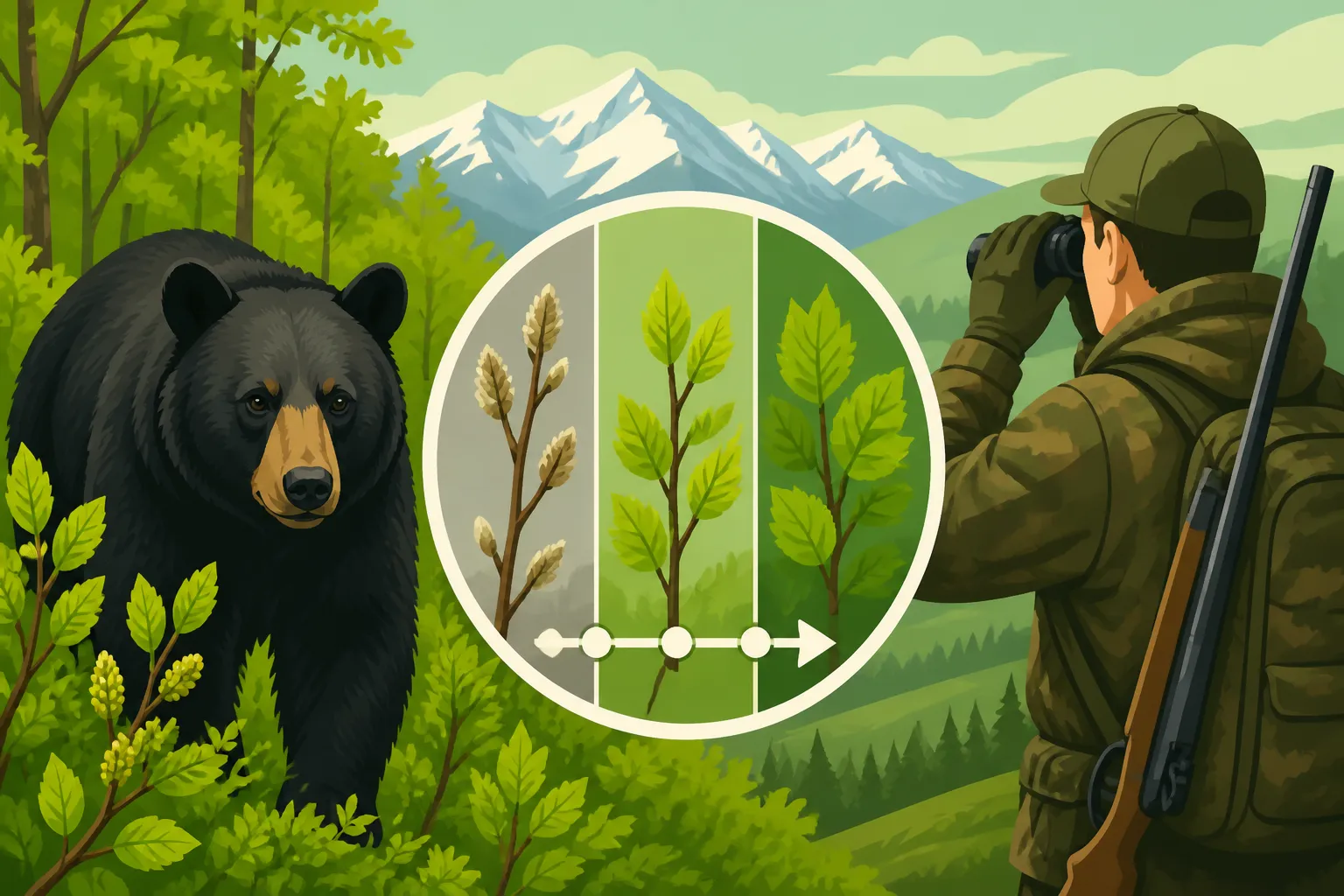
The term "green-up" in Alaska refers to the yearly cycle when the dormant landscape bursts back to life with fresh, nutrient-rich vegetation. After months in their dens, bears emerge incredibly hungry and their digestive systems crave easily digestible, high-moisture forage. This new growth, often found in grasses, sedges, and forbs, is exactly what they're looking for, making the timing of green-up absolutely critical for a successful spring bear hunt. It's not just about the bears being out; it's about them being concentrated in specific areas where this new food is available.
Why Bears Gravitate Towards Early Greenery
When black and brown bears first shake off the winter's slumber, their bodies are depleted. They haven't eaten for months, and while they've lost a significant amount of weight, their metabolic needs kick into high gear. The early shoots of grass and other plants, while not packed with calories, are incredibly easy to digest and provide essential moisture and nutrients that help kickstart their systems. Think of it as a natural detox and rehydration process after a long fast. These nascent greens also have lower fiber content than mature plants, making them ideal for a bear's reawakening digestive tract. They're essentially seeking the freshest, most tender salad bar available, often in the very first places where the snow melts and the sun can penetrate the soil. This behavior is what makes early spring a prime time for hunters to capitalize on predictable bear movement.
The Role of South-Facing Slopes
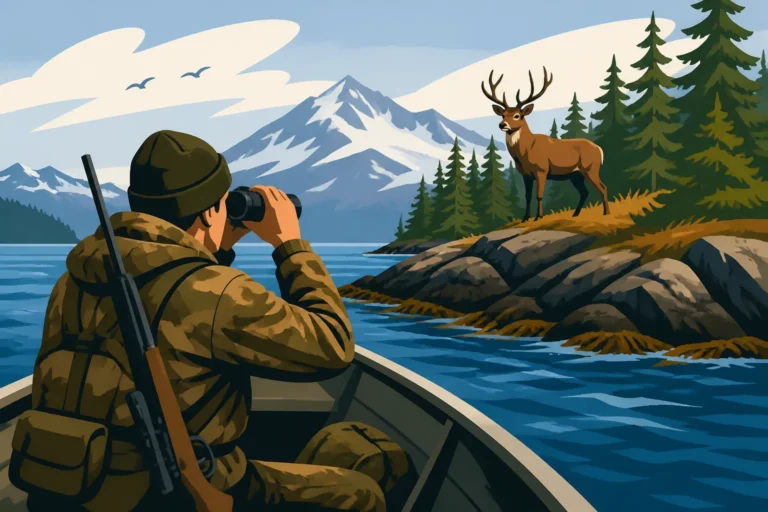
One of the most crucial elements in predicting where and when green-up will occur is topography, specifically south-facing slopes. These slopes receive the most direct sunlight for the longest duration throughout the day, causing snow to melt earlier and the soil to warm faster than on other aspects. As a result, new vegetation sprouts here first, creating a natural magnet for hungry bears. Hunters often focus their initial glassing efforts on these sun-drenched hillsides, sometimes even when snow still covers the north-facing aspects. Learning to read the terrain and identify these key areas is a fundamental skill for Reading Contour Lines for Sheep Benches and also for bear hunting. Bears will emerge from their dens and often not travel far before finding these initial food sources, making them prime locations to spot animals that are active but not yet widely dispersed.
Factors Influencing Green-Up Timing Across Alaska's Diverse Regions
Alaska is a vast state, and "spring" can mean vastly different things depending on whether you're on the rainy coast, in the interior's dry cold, or high in the mountains. The timing of green-up isn't a fixed date; it's a dynamic process influenced by several environmental variables. Understanding these regional differences is key to planning a hunt that aligns with local conditions, rather than general calendars.
Elevation and Latitude's Impact
Just like south-facing slopes get sun first, lower elevations will experience green-up well before higher elevations. Imagine a wave of green slowly creeping up a mountain range as spring progresses. At sea level or in lowland river bottoms, you might see green shoots in late April, while slopes just a few thousand feet higher could still be under deep snow until late May or even June. This elevation gradient is a critical tool for hunters: if lower areas are fully green and bears are moving higher, you can adjust your strategy. Conversely, if lower areas are still snow-covered, focusing on the absolute lowest, warmest spots is wise.
Latitude plays a similar role. Areas in Southeast Alaska or the southern Kenai Peninsula will see green-up weeks, if not a month, before interior regions like Fairbanks or the Brooks Range. The longer daylight hours and milder temperatures in the south simply jumpstart the biological clock earlier. A hunt planned for early May on the Kenai might target low-elevation, south-facing slopes, while a hunt in northern interior Alaska might need to wait until late May or early June for similar conditions to manifest.
Coastal Versus Interior Conditions
The distinction between coastal and interior Alaska hunting experiences is profound, and nowhere is this more evident than in green-up timing.
- Coastal Alaska (e.g., Southeast, Kodiak, Kenai Peninsula): These areas typically experience milder, wetter winters and earlier springs. Snowpack tends to be less consistent at lower elevations, and the maritime influence moderates temperatures. Green-up here can begin in earnest in late April, particularly in protected bays and south-facing beach fringes. The bears, especially the large coastal brown bears, will emerge and often target these new grasses along the shoreline or lower mountain slopes. Heavy rainfall can affect visibility but often doesn't delay the green-up itself as much as persistent cold. Understanding Black Bear Diet Before Salmon Arrive helps illustrate their forage-focused behavior during this period.
- Interior Alaska (e.g., Fairbanks, Delta Junction, McGrath): The interior endures much colder, drier winters with significant, long-lasting snowpacks. Spring arrives later and often more abruptly. Green-up typically doesn't begin until mid-May, sometimes stretching into early June in higher elevations or more northerly reaches. Bears here might rely on carrion or lingering winter kills longer, but once the first green shoots appear, they'll seek them out aggressively, often concentrating in river bottoms, old burn areas, and the warmest low-elevation slopes. Persistent cold snaps or late snowstorms can dramatically push back the timing, frustrating hunters who've committed to early season dates.
The Impact of Snowpack and Spring Weather
The amount of lingering snow and the character of the spring weather are perhaps the most unpredictable, yet influential, factors. A heavy snowpack that persists late into May will naturally delay green-up, as the ground must be free of snow and warm enough for plants to sprout. Conversely, a light snow year followed by an unusually warm spring can bring green-up weeks ahead of schedule.
Sudden cold snaps or late-season snowstorms in April or May can temporarily halt the progression of green-up, sending bears back to secondary food sources or even back into dens for a brief period of torpor. Hunters arriving in camp during such conditions might find bears scarcer and less active, waiting for more favorable weather and sustained warmth. It's crucial to stay updated on local weather forecasts and snow conditions in your target area right up until your hunt date. This is where flexibility in scheduling, if possible, can be a huge advantage.
Strategies for Scouting and Timing Your Spring Bear Hunt
Successfully timing your spring bear hunt isn't about guesswork; it's about preparation, research, and leveraging modern tools. With Alaska's vastness and variable conditions, a multi-pronged approach to scouting is essential.
Utilizing Satellite Imagery and Online Tools
In today's digital age, powerful tools like those offered by GoHunt have revolutionized how hunters scout remote areas from their homes. Satellite imagery, particularly with different seasonal layers, can reveal historical snow lines, south-facing slopes, and areas of dense vegetation. You can identify potential denning areas (often higher up, in rockier terrain or dense timber) and the adjacent open slopes or meadows where bears would naturally descend for early forage.
Look for areas that appear slightly greener or have less snow cover in late spring imagery. Pay attention to features like recent wildfires, which often create lush, new growth in subsequent years, or old logging clearings, which also attract bears. Using GoHunt's mapping overlays, you can virtually "walk" the terrain, identifying pinch points, natural travel corridors, and prime glassing knobs. This armchair scouting can save immense time and fuel, allowing you to focus your on-the-ground efforts more efficiently. Downloading offline maps before a fly-in is also critical for navigation once you're in the field, as cell service is rarely available.
Consulting Local Reports and Biologists
While satellite imagery is invaluable, nothing beats real-time, local knowledge. Alaska Department of Fish and Game (ADF&G) biologists are a treasure trove of information. They conduct aerial surveys, monitor bear populations, and often have a keen sense of regional green-up progression and bear activity. Don't hesitate to call the area biologist for the Game Management Unit (GMU) you plan to hunt. They can provide insights into current snowpack levels, recent bear sightings, and even historical trends for green-up in that specific area.
Additionally, local residents, bush pilots, and fellow hunters who frequent the area can offer invaluable anecdotal evidence. They might share observations about which drainages are melting out fastest or where bears have historically concentrated during the early season. Outfitters and transporters also have their finger on the pulse of local conditions, especially in areas where they operate frequently. While they can't offer guided advice if you're hunting unguided, they might confirm general green-up patterns or snow conditions if you're booking a drop camp or flight.
On-the-Ground Scouting and Trail Cameras
If your hunting area is accessible by road or easily reachable by small aircraft, pre-season scouting trips can be incredibly beneficial. Driving access points or flying over your chosen unit a week or two before your hunt can give you a firsthand look at snow lines, vegetation emergence, and bear tracks. Early season tracks in lingering snow or muddy trails are clear indicators of recent bear activity.
For more accessible areas, deploying trail cameras strategically can provide invaluable data. Place them on well-used game trails leading to promising green-up areas, near historical bear rub trees, or along riverbanks. Cameras can confirm not only the presence of bears but also their activity patterns and the timing of their emergence. Remember to follow all Alaska regulations regarding trail camera use on public lands. Even if you can't scout the exact area, a similar elevation and aspect in a nearby, accessible region can serve as a proxy for predicting conditions in your more remote hunting spot.
| Region/Elevation | Early Green-Up (Approx.) | Peak Green-Up (Approx.) | Key Factors Affecting Timing |
|---|---|---|---|
| Coastal Lowland | Late April – Early May | Mid-May | Mild temps, less snow, rain |
| Coastal Mid-Elevation | Early May – Mid-May | Late May | Snowmelt, sun exposure |
| Interior Lowland | Mid-May – Late May | Early June | Snowpack, continental cold |
| Interior Mid-Elevation | Late May – Early June | Mid-June | Deep snowpack, prolonged cold |
| High Alpine | Late June – July | July | Extreme snow, short season |
Note: These are general approximations. Actual timing varies year to year based on specific weather patterns.
Essential Gear and Safety Considerations for Early Spring Bear Hunts
Spring in Alaska is notoriously unpredictable. One day you might be basking in warm sunshine, and the next you're battling a full-blown snow squall. Being prepared with the right gear and safety protocols isn't just about comfort; it's about survival and ethical hunting.
Clothing and Shelter for Variable Conditions
Your clothing system needs to be versatile enough to handle everything from mild rain to freezing temperatures and heavy snow. Think layers: a good wicking base layer, an insulating mid-layer (fleece or puffy down/synthetic), and a waterproof, windproof outer shell. Bring more insulation than you think you'll need; sitting still and glassing for hours can chill you to the bone, even on a seemingly warm day. Neoprene or waterproof gloves and a warm hat are non-negotiable.
For shelter, if you're camping, ensure your tent is rated for three or four seasons and can withstand strong winds and heavy snow loads. Ground insulation is paramount; a high-R-value sleeping pad will make a massive difference in warmth. A reliable stove for cooking and melting snow for water is also essential, along with plenty of fuel. Expect mud, wet ground, and cold. Good quality rubber boots or waterproof hiking boots are critical, along with gaiters to keep mud and snow out of your footwear. Archery Tackle That Survives Ten Days of Rain offers good insight into managing gear in wet weather, which is often a spring reality.
Firearm Choice and Bear Safety
When hunting spring bear in Alaska, especially brown bears, a powerful and reliable rifle is paramount. Calibers like .30-06, .300 Win Mag, .338 Win Mag, and larger are popular choices for their ability to deliver knockdown power on large, tough animals. Ensure your rifle is sighted in before you fly to a remote Alaska camp. Bears, especially hungry ones emerging from dens, can be unpredictable. You'll want to choose a Rifle Choice for Alaska Brown Bear Country that you can shoot accurately and confidently.
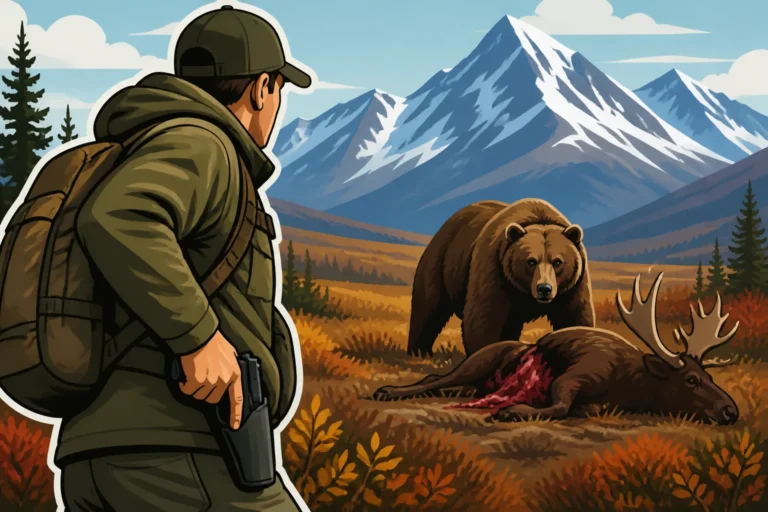
Beyond your primary hunting rifle, carrying a reliable sidearm, such as a large-caliber revolver (e.g., .44 Mag, .454 Casull) or a robust semi-auto (e.g., 10mm), is strongly advised. This is for close-quarters defense, particularly when Bear Safety While Butchering a Kill in Alaska. Bear spray is another essential item, effective at closer ranges, and can deter a charging bear without lethal force. Always have your bear spray readily accessible and practice drawing it.
Meat Care in Cool Spring Temperatures
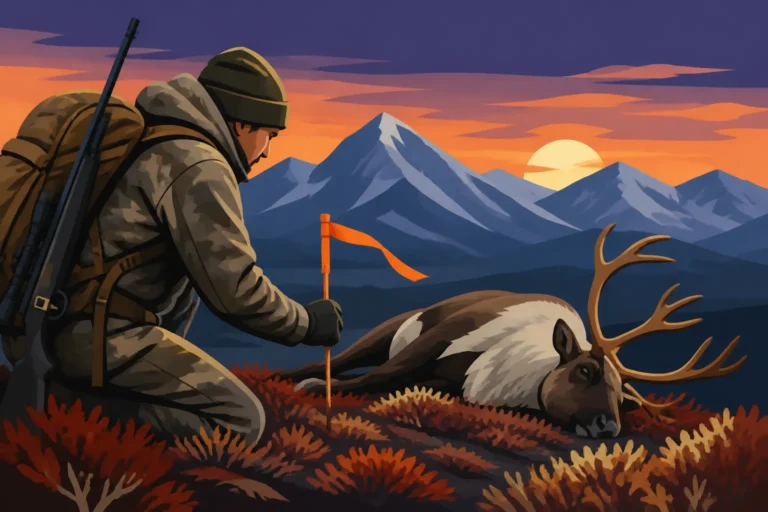
While spring temperatures are often cooler than fall, they can still fluctuate, and proper meat care is vital to prevent spoilage and uphold Alaska's strict salvage laws. After a successful kill, quickly field dress the animal and quarter it. Getting the hide off and the meat cooled as rapidly as possible is crucial. Game bags that breathe are essential for protecting the meat from insects and allowing air circulation to aid in cooling.
If temperatures are above freezing during the day, consider hanging the meat in the shade or near a cool stream. If possible, construct a Bear Fence Setup at a Meat Cache to deter scavengers like bears and wolves. Pack the meat out promptly, avoiding prolonged exposure to direct sun. Even relatively cool spring days can lead to spoilage if the meat isn't handled correctly. Ensure you understand Alaska Moose Meat Salvage Requirements as similar principles apply to bears – waste is strictly prohibited.
Navigational Tools and Emergency Communication
Alaska's vast and often featureless terrain, especially after snowmelt, can be disorienting. Always carry multiple forms of navigation, including a GPS device with pre-loaded maps and a traditional map and compass. Learn Downloading Offline Maps Before a Fly-In to ensure you have reliable navigation without cell service. A satellite communication device like an inReach or Zoleo is absolutely essential for emergency communication and check-ins, especially on solo hunts. Even on group hunts, having the ability to call for help or notify contacts of your status is paramount. Leave a detailed trip plan with trusted contacts back home.
Disclaimer
Hunting in Alaska involves inherent risks, including but not limited to severe weather, dangerous wildlife, and remote wilderness conditions. This guide provides general information and recommendations. Always consult the most current Alaska Department of Fish and Game regulations for specific hunt areas and species, and prioritize safety and ethical hunting practices. Proper preparation, physical fitness, and adherence to regulations are essential for a safe and successful hunt.