Spotting Game From a Plane Before You Land
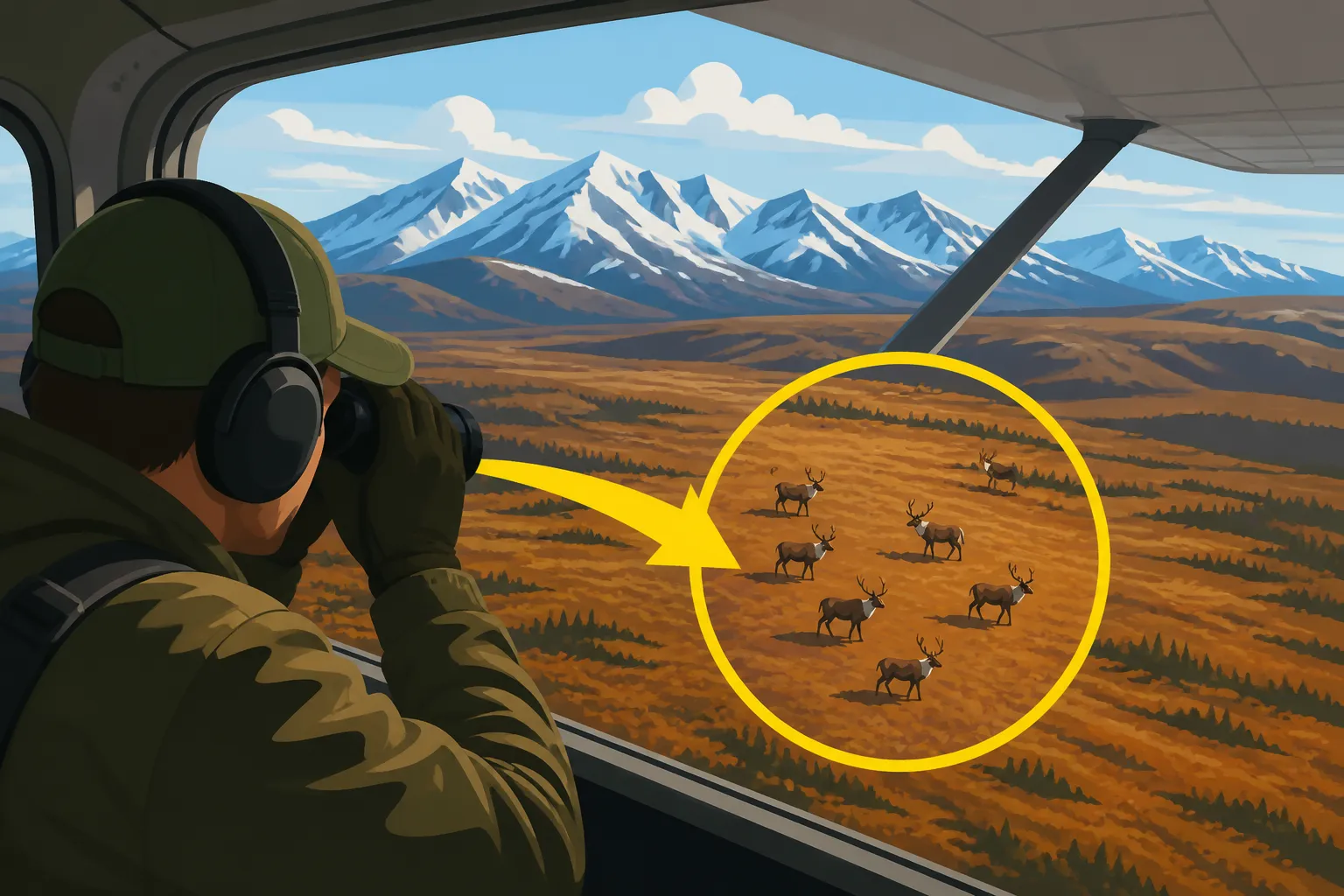
The anticipation of an Alaska hunt starts long before you touch down, especially when you're flying into a remote area. As your bush plane circles for a landing, it's almost impossible not to scan the vast landscape below, hoping to catch a glimpse of a big bull or a ram. That immediate, gut-level urge to spot game from the air, however, comes with a critical set of legal and ethical considerations that every hunter needs to understand. This comprehensive guide will navigate the complexities of observing game from an aircraft in Alaska, ensuring your high-flying adventure remains both legal and deeply respectful of the wild spirit of the Last Frontier.
Understanding Alaska's Same-Day-Airborne Rule
One of the most crucial regulations for any hunter utilizing aircraft in Alaska is the "same-day-airborne" rule. It’s a common source of confusion and frustration, but its intent is clear: to maintain fair chase and prevent hunters from gaining an unfair advantage by using aircraft as a direct scouting or pursuit tool. Understanding this rule is paramount to avoiding citations and ensuring the integrity of your hunt.
The Letter of the Law
At its core, Alaska's same-day-airborne rule states that a person may not hunt big game on the same day that person has been airborne in an aircraft after having spotted game. The critical phrase here is "after having spotted game." If you are airborne, you spot a legal bull moose, and then your plane lands, you are prohibited from hunting any big game for the remainder of that calendar day. The legal "day" resets at 3:00 AM local time. So, if you spot a ram at 2:00 PM on a Tuesday, you cannot hunt big game until 3:00 AM on Wednesday. This rule applies regardless of whether you spotted the specific animal you intend to hunt or a different animal of the same species.
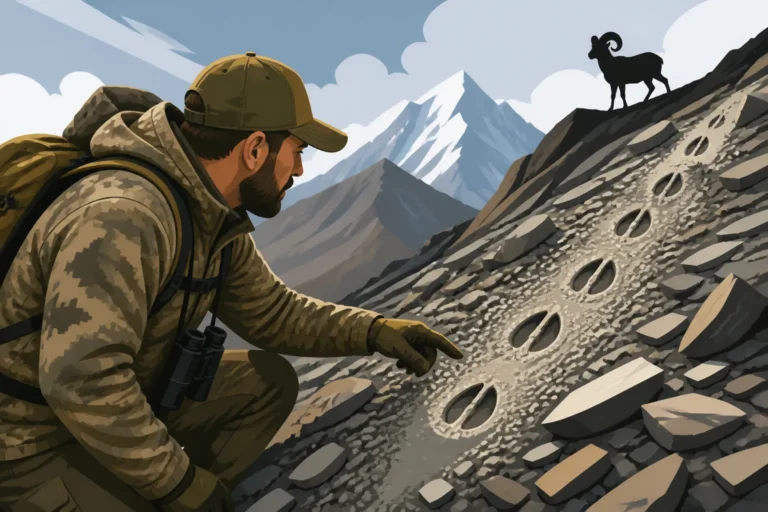
This regulation isn't just about preventing direct pursuit; it's about the advantage gained from aerial observation. Imagine flying over a valley, spotting a prime Dall sheep ram on a ridge, and then landing your plane a mile or two away. The immediate temptation is to sling your rifle and head straight for that ridge. However, doing so would be a clear violation. Even if you don't pursue that specific animal, having seen any big game from the air before landing and then immediately hunting on the same calendar day (before 3:00 AM the next day) puts you in violation. This regulation, more than almost any other, shapes how hunters approach Alaska's Same-Day-Airborne Rule and What It Bans.
What Constitutes "Spotting Game" from a Plane
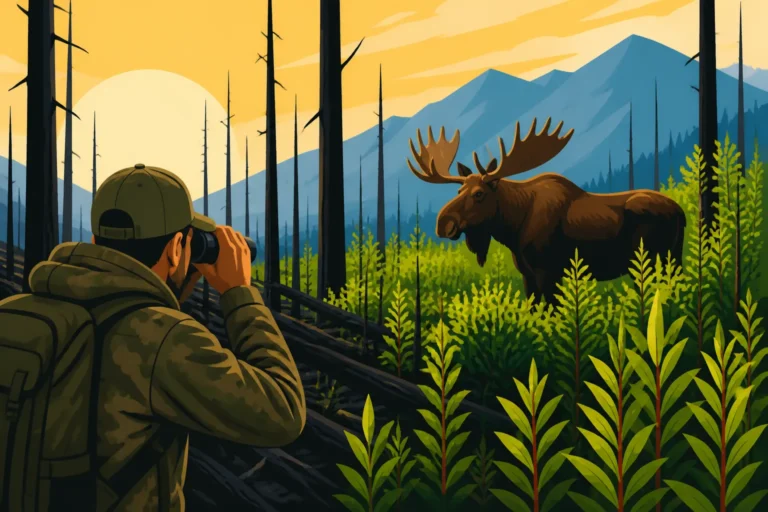
This is where the nuances often trip people up. What exactly counts as "spotting game"? It's not just about identifying a trophy-class animal. If you see any big game animal (moose, caribou, bear, sheep, goat, etc.) from the aircraft and intend to hunt big game on that calendar day, you've "burned" your day. The rule is broad to prevent loopholes. It doesn't matter if it was a small spike-fork bull or a sow with cubs; if it's a big game animal and you saw it from the air, you are now subject to the same-day-airborne restriction.
The intention behind your observation is also a factor, though often difficult to prove one way or another. Are you simply admiring the landscape, or are you actively searching for animals? Law enforcement officers are trained to assess the context. If your pilot flew low and circled a group of caribou, then landed you nearby, it's hard to argue you weren't "spotting game." The rule is designed to apply to all game species if you were airborne and observed them, with the intention of hunting any big game on that day. It's a tricky line to walk, and often, it's better to err on the side of caution.
Species Exemptions and Specific Regulations
While the same-day-airborne rule is broad for most big game, there are a few important distinctions and exemptions, although these can change, so always consult the most current Alaska Department of Fish and Game regulations. Typically, the rule does not apply to small game or waterfowl. This means if you're flying in for a moose hunt and spot a flock of geese or a covey of ptarmigan, you are generally still permitted to hunt small game on that same day, and it doesn't "burn" your big game hunting privileges for the next day. However, this exception is very specific.
It's crucial to clarify Which Species Alaska's Airborne Rule Exempts directly from the regulations booklet or ADF&G website for the unit and species you are pursuing, as regulations can vary. Furthermore, the rule applies to any person who was airborne and spotted game. This includes not only you but also your hunting partners. If anyone in your party spots game from the air, everyone in that party is restricted. The pilot also plays a critical role. If your pilot actively points out game to you, even if you don't initially see it, that could still be considered "spotting game" on your behalf. Always have an honest conversation with your pilot about your intentions and the regulations to ensure everyone is on the same page and avoids potential violations.
Ethical Considerations Beyond the Law
Beyond the strict legal requirements, there’s a deeper conversation to be had about the ethics of aerial observation in Alaska hunting. Many hunters, residents and non-residents alike, hold a strong belief in fair chase that goes beyond simply following the letter of the law. This ethical framework often guides decisions even when a specific action might be legally permissible.
The Spirit of Fair Chase
Alaska hunting is revered for its ruggedness, its challenge, and the immense effort often required to succeed. For many, the true reward of an Alaska hunt isn't just the trophy, but the journey, the physical and mental demands, and the feeling of earning an animal through arduous effort. Aerial scouting, even when done legally (e.g., observing habitat without actively spotting specific animals, or waiting out the 3 AM rule), can sometimes feel at odds with this "spirit of fair chase."
While it's legal to fly over an area, land, and then hunt the following day, some hunters feel that having seen the country and potential game concentrations from the air still gives an unfair advantage. It takes away from the pure "boot leather" scouting and the hard-won knowledge gained by walking the terrain, glassing for hours, and truly reading the landscape with your feet on the ground. The feeling of being truly "unassisted" in the vastness of Alaska is a core part of the experience for many, and reliance on aerial reconnaissance, even if lawful, can diminish that sense of accomplishment. It's a personal conviction, but one deeply ingrained in the culture of Alaskan hunting.
Preserving the "Wild" Experience for All
The perception of aerial hunting practices also impacts the broader hunting community and the non-hunting public. If hunting becomes too associated with high-tech, expensive, or perceived "easy" methods, it can erode public support and trust. When hunters openly discuss or post about seeing game from the air and then successfully harvesting animals, it can unintentionally create a narrative that undermines the conservation efforts and fair chase principles that sustain hunting.
The wilderness experience in Alaska is fragile. Heavy aerial pressure, even if legal, can alter animal behavior, making them warier of aircraft or changing their patterns in areas frequented by planes. By adhering to a strong ethical code—one that prioritizes hard work, traditional scouting, and minimizing perceived advantages—hunters contribute to preserving the "wild" experience not just for themselves, but for future generations and for others who value the solitude and natural challenge of Alaska's backcountry. It’s about ensuring that the pursuit of game remains a respectful and challenging endeavor, reflecting positively on the entire hunting community.
Practical Tips for Observing from the Air (Legally and Ethically)
Given the restrictions and ethical considerations, how can you still make your flight into a remote camp a productive part of your hunt, without violating rules or compromising fair chase? The key lies in shifting your focus from "spotting game" to "understanding the landscape."
Focusing on Habitat and Topography, Not Animals
Your flight into camp is an incredible opportunity to gain an aerial perspective of your hunting area that you simply cannot get from the ground. Instead of trying to pick out individual animals, focus on the bigger picture. Look for natural funnels, likely travel corridors, bedding areas, water sources, and changes in vegetation. Identify prominent landmarks, potential glassing knobs, and escape routes. Pay attention to how drainages connect, where timberlines begin and end, and the overall lay of the land.
This kind of observation is completely legal and incredibly valuable. Think of your flight as an extension of your map scouting. Before you even leave home, you're likely spending hours on digital mapping tools like GoHunt, scrutinizing satellite imagery. Your flight can be a real-time, three-dimensional confirmation of those observations. You can identify potential areas to Scouting a Unit From Satellite Imagery Before You Fly and confirm their real-world appearance, noting subtle terrain features that might not be obvious on a flat map. Understanding the topography, like Reading Contour Lines for Sheep Benches or moose browse areas, helps you plan your ground strategy more effectively once you've landed and the airborne restriction lifts. This approach turns your flight from a potential legal pitfall into a powerful, legal scouting tool.
Communicating with Your Transporter Pilot
Your relationship with your air taxi or transporter pilot is critical. These individuals are often intimately familiar with Alaska's hunting regulations and the nuances of the same-day-airborne rule. Before your flight, have an open and honest conversation with your pilot about your intentions regarding aerial observation. Clearly state that you do not want to "burn" your hunting day by spotting game.
Discuss preferred flight paths. A good pilot can often fly routes that avoid known game concentration areas or maintain altitudes that make spotting specific animals difficult while still providing valuable topographical insight. For instance, if you're flying into a sheep unit, you might ask the pilot to fly over valleys and passes to observe access, rather than hugging the sheepy ridges. Clarify with your pilot that if they accidentally spot game, they should avoid pointing it out to you, and you will make the decision to respect the 3:00 AM reset if it happens. Working together with your pilot, who understands Fly-In Hunting: Working With an Alaska Transporter Pilot, ensures everyone is on the same page and helps you avoid unintentional violations.
Post-Landing Strategy After an Aerial Observation
Even with the best intentions, sometimes you might accidentally spot game from the plane. A big bull could be standing right next to your landing strip, or a herd of caribou could be crossing the river just as you're coming in. If this happens, the most important thing is to accept the situation and respect the rule. Your hunting day is effectively "burned" for big game until 3:00 AM the following calendar day.
Instead of getting frustrated, shift your focus. Use this time to set up a well-organized camp. Get your gear sorted, chop firewood, filter water, and scout out non-game-related features around camp, like good tent sites or potential water crossings. Take out your maps (maybe your GoHunt app again) and review your plans for the next day. This downtime can actually be beneficial, allowing you to settle in, adjust to the environment, and mentally prepare for the hunt without the pressure of immediate pursuit. Building extra days into your schedule, especially when doing Building Extra Days Into a Fly-In Schedule, can turn a "burned" day into a valuable opportunity for preparation, ensuring you're fresh and ready when the clock finally resets.
Maximizing Your Chances on the Ground
Once your plane has departed and the legal clock has reset (or if you avoided spotting game entirely), your real hunt begins. The success of your trip will now depend entirely on your ground efforts, traditional hunting skills, and thorough preparation.
Sighting In and Gear Checks
After any bush flight, especially if your rifle has been jostled during transport, it is absolutely paramount to verify your rifle's zero. Even slight shifts can cause significant accuracy problems at typical hunting distances. Ideally, you should have a small, portable target and a safe backstop near your camp to confirm your point of impact. Just a few shots can give you peace of mind that your rifle is still shooting true. Many hunters bring a bore-sighting tool for a quick check, but nothing beats actual live fire.
Forgetting this step is a common mistake that can lead to missed opportunities or, worse, wounded animals. Taking the time to properly Sighting In a Rifle After a Bush Flight ensures that when the moment of truth arrives, you can place your shot with confidence. Beyond your rifle, take this time to do a thorough check of all your critical gear: ensure your optics are clean and functioning, your rain gear is accessible, and your pack is organized for a full day afield. A little preparation now can save a lot of headaches later.
Immediate Ground Scouting and Glassing
With the airborne restrictions behind you, it’s time to switch to traditional, boots-on-the-ground hunting methods. The aerial overview you gained during your flight can now be put to use. Head to a good vantage point, such as a prominent ridge or hillside, and begin glassing. Don't just scan; systematically break down the landscape into grids. This methodical approach is known as Glassing Grids That Cover a Whole Basin and is far more effective than random scanning.
Use high-quality binoculars and a spotting scope on a sturdy tripod. Take your time, letting your eyes adjust, and look for subtle movements, unusual shapes, or changes in texture that might indicate game. Remember that game animals are masters of camouflage. What looks like a rock could be a bedded ram, and a dark clump in the willows might be a moose. This slow, patient method, often employed when Glassing the Alaska Range: Finding Game Before You Move, is the cornerstone of successful spot-and-stalk hunting in Alaska and is the true embodiment of fair chase.
Preparing for the Hunt Ahead
Once you've settled into camp and handled immediate gear checks, use any remaining daylight to finalize your plans for the actual hunt. Review your detailed GoHunt maps, marking potential routes, rendezvous points, and areas you want to thoroughly investigate based on your aerial observations. Discuss your strategy with your hunting partners, establishing clear communication signals, emergency plans, and check-in schedules.
Think about the practicalities of the hunt itself. If you're fortunate enough to make a kill, how will you handle Meat Care in 50-Degree September Weather? Do you have enough game bags? Have you identified shady spots near camp where meat can hang and cool? Ensure you have ample water and food packed for long days in the field. By dedicating time to these critical preparations, you're not just readying your gear; you're mentally preparing for the physical and logistical challenges that an Alaska hunt will undoubtedly present.
| Situation | Legality (Big Game) | Ethical Consideration | Best Practice |
|---|---|---|---|
| Flying over known game habitat, observing terrain. | Legal | Generally acceptable. | Focus on identifying natural funnels, potential access routes, camp spots, and general habitat features. Avoid actively searching for or focusing on specific animals. |
| Seeing a legal bull from the plane, landing same day, then pursuing. | Illegal (Same-Day-Airborne violation). | Highly unethical. | Do not land with intent to hunt if you've spotted big game from the air. If game is spotted, the entire party must wait until the 3:00 AM reset of the following calendar day before hunting big game. |
| Accidentally spotting game from the plane, landing, waiting until next legal day. | Legal (if you wait until the 3 AM reset). | Acceptable, but try to avoid actively "spotting" game. | If game is accidentally spotted, acknowledge it and immediately shift your focus to camp setup, non-hunting activities, and planning for the next legal hunting day. Communicate clearly with your pilot to minimize such occurrences. |
| Using aerial photos/satellite imagery (e.g., GoHunt) for pre-scouting. | Legal | Highly ethical and recommended. | Essential for thorough planning and understanding the landscape before your trip. Maximizes your productive ground time and is a fair chase method of scouting. |
| Pilot actively points out game to you during the flight. | Same as personally spotting game: illegal to hunt same day. | Borderline, as it provides an aerial advantage. | Discuss with your transporter pilot beforehand that you wish to avoid any active game spotting. If it happens, you are still subject to the same-day-airborne rule. |
Disclaimer
Hunting in Alaska carries inherent risks and is subject to complex regulations. This guide provides general information and recommendations. It is your sole responsibility to review and understand the most current Alaska Department of Fish and Game regulations for your specific hunt unit, species, and season, as rules can change. Always prioritize safety and ethical conduct in the field.