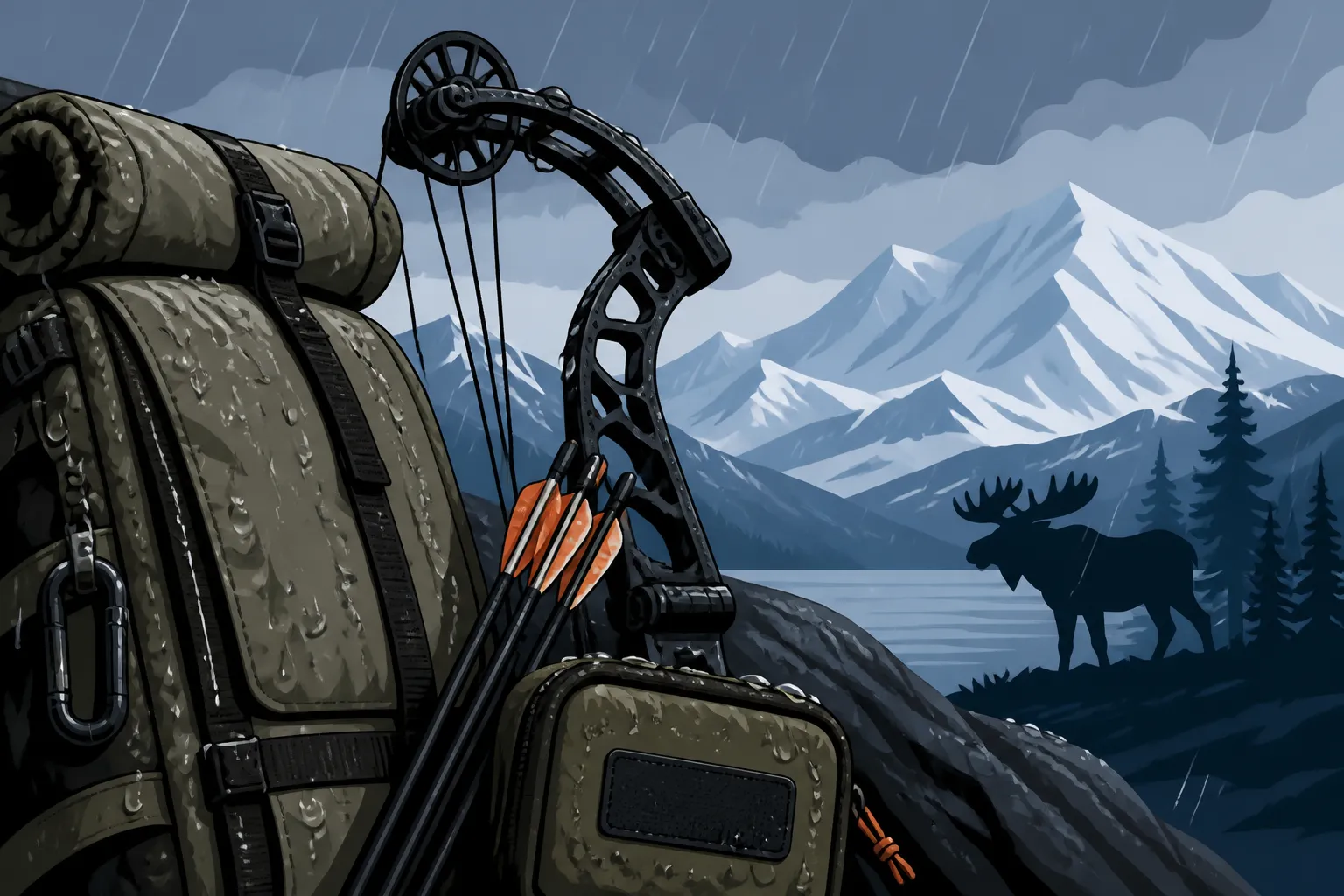
Archery Tackle That Survives Ten Days of Rain
Few things are as disheartening as having your archery gear fail when that once-in-a-lifetime Alaska opportunity presents itself, especially after days of relentless rain. The unique challenge of hunting in Alaska's often-soggy wilderness means your equipment isn't just a tool; it's a lifeline. This guide will walk you through preparing your archery tackle to not just endure, but perform flawlessly, even after ten straight days of classic Alaska precipitation.
The Relentless Drip: Understanding Alaska's Wet Archery Challenge
Alaska is a land of incredible beauty and unparalleled hunting opportunities, but it's also a land synonymous with moisture. From the dense coastal rainforests to the interior's soggy tundra and the rain-swept mountains, precipitation is an almost constant companion during many hunting seasons. For archers, this isn't just an inconvenience; it's a critical factor that can compromise equipment performance and, ultimately, hunting success. Ignoring the forecast is simply not an option up here.
The mental game of hunting in continuous rain is tough enough, but the physical demands it places on your gear are immense. Rust, delamination, warped components, and weakened strings are all very real threats. This isn't about avoiding a light drizzle; it's about preparing your setup to withstand days, sometimes weeks, of saturated conditions while still needing it to deliver pinpoint accuracy when that fleeting shot opportunity finally arises. It demands a different level of preparation than hunting drier climates.
Different Rain, Different Problems: Climate Zones in Alaska
Alaska isn't monolithic when it comes to weather, though rain is a common denominator. The coastal regions, like Southeast Alaska and Kodiak Island, are notorious for temperate rainforests where precipitation is measured in feet, not inches, often accompanied by dense fog. Here, constant saturation and high humidity are the enemy. Your gear will be wet, and it will stay wet. This is where you might find yourself Hunting Sitka Blacktail Deer in the Alpine Before Snow, enduring a steady, cold drizzle for days on end.
Contrast this with the interior, where late August and September hunts might see heavy downpours followed by crisp, sunny days, or long periods of light, soaking rain across vast, open tundra and willow flats. While coastal hunters battle perpetual dampness, interior hunters might face more freeze-thaw cycles or sudden heavy storms. Each climate zone demands slightly different considerations for gear choice and maintenance, but the core principle remains: plan for the worst possible wet-weather scenario your chosen unit might throw at you.
The Silent Killer: How Moisture Corrodes Your Tackle
Moisture is a relentless adversary for archery equipment. It's not just visible rust on metal parts; it's the invisible damage happening within your components. Wood laminations in older bows can warp, modern carbon risers can delaminate if improperly finished, and string materials can stretch or lose integrity when constantly soaked and then dried. Beyond structural damage, lubricants wash away, pivot points seize, and precision mechanisms accumulate grit and grime, leading to inconsistent performance.
Consider your broadheads: a perfectly sharp edge can begin to rust and pit after just a few days of neglect in damp conditions, dramatically impacting penetration and cutting efficiency. Even your arrows themselves can suffer, with fletchings losing their adhesion or becoming waterlogged and heavy, altering flight characteristics. Every component, from the smallest screw to the largest limb, needs to be considered for its vulnerability to moisture and protected accordingly.
Shielding Your Bow: Waterproofing Your Primary Weapon
Your bow is the heart of your archery setup, and it's also one of the most susceptible components to long-term moisture damage. Modern bows are built with advanced materials, but they are not impervious. Thinking strategically about your bow's construction and how you protect it externally and internally is paramount for an Alaska hunt. You're not just carrying a bow; you're carrying a precise instrument that needs to perform under duress.
The sheer value of your bow, both sentimental and financial, should drive a meticulous approach to its protection. Many hunters spend thousands on a premium rig, only to neglect basic waterproofing. In Alaska, that oversight can cost you a shot at a trophy or even force you to end your hunt prematurely if your bow becomes unreliable.
Bow Construction and Materials: What Holds Up Best
While most modern compound bows feature aluminum or carbon risers, which are inherently resistant to rust and warping, it's the smaller details that often betray them. Screws, cam bearings, and limb bolts are typically steel and highly prone to corrosion. Some older or custom bows might incorporate laminated wood in their risers or limbs, which can swell or delaminate with prolonged exposure, compromising structural integrity and shot consistency. When choosing a bow, look for stainless steel hardware or thoroughly protected components.
Consider the finish on your bow. A durable powder coat or anodized finish offers excellent protection, but any nicks or scratches can expose raw aluminum or steel to moisture. Regularly inspect your bow for wear spots and apply touch-up protection. For trad bow hunters using wood, a marine-grade varnish or epoxy finish is absolutely essential. Research from sites like GoHunt often emphasizes the importance of durable finishes when discussing gear for challenging environments, especially those prone to heavy precipitation.
External Protection: Cases, Covers, and Wraps
While traveling to and from your hunting grounds, a hard case is non-negotiable for impact protection. But in the field, you need something more practical for daily use. A soft bow case or a simple waterproof bow cover is your first line of defense against the elements. Look for models made from durable, waterproof fabrics like Cordura with sealed seams. These can often be kept on the bow until you're actively stalking or in a shooting lane, offering protection from rain and brush.
Some hunters take it a step further, using self-adhesive camouflage wraps that also offer a degree of water resistance, particularly for exposed risers and limbs. A basic bow sling, while designed for carrying, can also double as a temporary cover in a pinch. Remember, the goal isn't just to keep water off, but to prevent it from soaking into crevices where it can sit and cause damage. Consider how you'll carry your bow with this protection. A good system, like those discussed in Backpack Hunting in Alaska: Gear Weight and Meat Loads, will integrate well with your pack.
String and Cable Care: The Lifelines of Your Shot
The bowstring and cables are arguably the most critical, yet often overlooked, components when it comes to wet weather. Modern synthetic string materials like BCY-X or 452X are incredibly strong and stable, but they are not entirely waterproof. Continuous exposure to moisture can cause them to absorb water, leading to slight stretching or changes in mass, which directly impact arrow speed and tuning. Worse, the protective wax can wash away, leaving the fibers vulnerable to abrasion and damage.
Regular waxing is your best defense. Before your trip, thoroughly wax your strings and cables, working the wax deep into the fibers. Carry a small stick of bowstring wax in your pack and reapply it daily, or whenever you notice the string looking dry or fuzzy. This isn't just about keeping them dry; it's about maintaining their performance. Some archers also opt for string material treatments that offer enhanced water repellency. Keeping a bowstring dry for ten days is a constant battle, but a well-waxed string is half the fight.
Arrows and Broadheads: Penetration in Perpetual Dampness
It's easy to focus solely on the bow, but your arrows and broadheads are what actually deliver the shot. If they fail due to moisture, all the preparation on your bow is moot. From the fletching that guides your arrow to the broadhead that makes the kill, every aspect needs to withstand relentless rain and still perform with lethal precision.
Imagine drawing back on an Alaskan bull, only to have a fletching peel off mid-flight or a rusted broadhead deflect. These are not just inconveniences; they are hunt-ending failures. Choosing the right components and giving them the proper care before and during your hunt is non-negotiable.
Fletching Choices for Consistent Flight
Traditional feather fletchings are beautiful and offer excellent flight characteristics, but they are an absolute nightmare in wet conditions. Even with waterproof coatings, prolonged rain will cause feathers to mat down, lose their stiffness, and become heavy, drastically altering arrow flight. For Alaska, especially during rainy seasons, synthetic vanes are the only sensible choice.
Look for vanes made from durable, flexible plastics that retain their shape when wet. Brands like Bohning, AAE, and Easton offer a wide range of vane styles that are excellent for wet weather. Ensure they are glued securely with a high-quality fletching glue that can withstand moisture. Some hunters even apply a thin bead of Fletch-Tite or similar adhesive along the base of the vane after drying to create an extra seal. A comparison of popular fletching materials for wet conditions is shown below:
| Fletching Material | Water Resistance | Durability | Weight (per vane) | Adhesion Challenge | Notes |
|---|---|---|---|---|---|
| Natural Feathers | Poor | Moderate | Very Light | Low | Mat down, lose stability when wet. |
| PVC/Rubber Vanes | Excellent | High | Medium | Moderate | Flexible, quiet, good in rain. |
| Plastic Vanes (Rigid) | Excellent | High | Medium | Moderate | Stiff, good accuracy, can be noisy. |
| Spin Vanes | Excellent | Moderate | Light | High | Very sensitive to damage, difficult adhesion. |
Broadhead Selection: Rust Resistance and Edge Retention
This is where material science really matters. Many fixed-blade broadheads are made from carbon steel, which is incredibly strong and takes a wicked edge, but it's also highly susceptible to rust. After a few days of rain, a carbon steel broadhead can develop surface rust and even pit, dulling the edge and potentially compromising penetration. For Alaska, consider stainless steel broadheads or those with advanced coatings that offer superior corrosion resistance.
Mechanical broadheads also need careful consideration. Their intricate mechanisms can seize up or accumulate grit in wet, muddy conditions, preventing blades from deploying properly. If you use mechanicals, choose designs with simple, robust mechanisms and thoroughly clean and lubricate them with a water-resistant lubricant before and during your hunt. Always ensure your broadheads are razor-sharp. Even the best rust resistance won't compensate for a dull edge, and always review Broadhead Rules for Alaska Big Game before selecting.
Quivers Designed for the Deluge
Your quiver isn't just for carrying arrows; it's also critical for protecting your fletchings and broadheads from the elements. A poorly designed quiver can expose your fletchings to constant rain or allow moisture to pool around your broadheads. For backpack hunting, a quality hip or bow-mounted quiver that securely holds arrows and covers the fletchings is key.
Look for quivers with hoods that fully enclose the broadhead and a design that sheds water effectively. Some quivers feature drainage holes in the hood or a slight angle to prevent water from accumulating. When choosing a quiver, also consider how easily you can remove an arrow silently and quickly, even with cold, wet hands. Some companies, like TightSpot, focus on robust, weather-resistant designs that keep your arrows secure and protected.
Keeping Your Peripherals Operational: Sights, Rests, and Rangefinders
It's often the small, precision components that fail first in wet conditions. Your sight, arrow rest, and any electronics like rangefinders are crucial for making an ethical shot. Neglecting their protection can lead to frustration and missed opportunities, even if your bow and arrows are performing perfectly.
These components have moving parts, delicate optics, or electronic circuits that are highly vulnerable to moisture ingress. A foggy lens, a sticking pin, or a dead battery can be just as detrimental as a broken string. proactive protection is always easier than field repair in the middle of a downpour.
Protecting Your Pins and Optics
Modern archery sights are generally robust, but their pins, fibers, and lenses are susceptible to fogging and obstruction. Moisture can get inside the sight housing, causing pins to look blurry or making adjustments difficult. Before your trip, ensure all screws on your sight are tightened and consider applying a thin bead of silicone sealant around any potential entry points for water, being careful not to impede moving parts.
For sights with lenses (like those found in target archery or some hunting models), apply an anti-fog treatment. Carry a small microfiber cloth specifically for wiping lenses, keeping it in a dry, sealed bag. When not actively glassing or shooting, keep your sight covered with a small, lightweight cover or even a piece of electrical tape over the lens to prevent water droplets from accumulating. This also applies to any magnifying scopes you might use with your sight.
The Mechanics of Your Rest and Release
Your arrow rest and release aid are critical mechanical components that need to function flawlessly. Spring-loaded drop-away rests, for example, have pivot points and springs that can become sluggish or seize if exposed to too much moisture and grime. Similarly, the trigger mechanism of your release aid can stiffen or become unreliable.
Before your hunt, thoroughly clean and lubricate these mechanisms with a light, water-resistant oil or dry lubricant. Avoid heavy greases that can attract dirt. During the hunt, pay attention to how they feel. If they start to feel gritty or slow, try to clean them with a blast of air (from a small bulb blower) and re-lubricate. Keep your release aid in a sealed pocket or bag when not in use.
Waterproofing Electronics: Rangefinders and GPS
Electronic devices are now indispensable for many hunters. A reliable rangefinder is critical for ethical shot placement, and a GPS or satellite messenger like a Garmin inReach is vital for navigation and safety, especially when you're far from cell service, as detailed in Signal Devices and Check-In Plans for Solo Alaska Hunts. The good news is that many modern rangefinders and GPS units are built to be water-resistant or even fully waterproof (IPX7 or IPX8 rated).
However, "water-resistant" doesn't mean "waterproof after ten days of continuous submersion." Always store your electronics in dry bags or waterproof cases when not actively using them. Carry extra batteries in a sealed bag, as cold and wet conditions can drastically reduce battery life. For devices that charge via USB, ensure the charging port covers are securely sealed. Even if a device is rated waterproof, an extra layer of protection goes a long way in Alaska's notorious weather.
The Archer's Layer: Personal Gear for the Wet Hunt
It's not just your bow that needs to survive the rain; you do too. Being wet, cold, and miserable can severely impact your focus, patience, and ability to make an accurate shot. Investing in the right personal rain gear and carry systems that integrate well with archery is just as important as the gear on your bow.
Think about the unique movements of an archer: drawing a bow, settling a pin, remaining still for extended periods. Your rain gear needs to allow for these actions without binding, snagging, or creating excessive noise. A rifle hunter has different considerations than an archer when it comes to outerwear, as explored in Rifle Choice for Alaska Brown Bear Country, and an archer's needs are very specific.
Rain Gear That Doesn't Compromise the Shot
High-quality waterproof-breathable outerwear is crucial. Look for fabrics like Gore-Tex, Pertex Shield, or proprietary laminates that offer excellent waterproofing (hydrostatic head rating) and breathability (MVTR rating). Crucially, ensure your jacket and pants are quiet. Rustling fabric can spook game, especially at close archery ranges. Test your rain gear by drawing your bow in it, checking for noisy friction points or restrictive movement.
A well-designed hood is essential for keeping water off your face and neck without impeding your peripheral vision or interfering with your shot. Look for hoods that are adjustable and can be cinched down securely. While full rain suits are great for stopping water, consider a quiet, waterproof softshell as a mid-layer for active stalks, with a lighter rain shell for quick deployment during unexpected showers. Remember to consult guides like Rain Gear Guides Actually Recommend for specific product suggestions.
Pack Systems and Bow Slings for Wet Carries
Your backpack is your mobile base camp, and it needs to protect your essential gear, including your bow accessories, extra clothing, and food. Choose a pack made from water-resistant materials with taped seams, and always use a pack cover or, even better, internal dry bags or waterproof stuff sacks for critical items. Even a "waterproof" pack will eventually wet out in continuous rain.
For carrying your bow, a durable bow sling is invaluable. It frees up your hands for walking, glassing, or navigating tough terrain. Look for slings that are adjustable, comfortable, and made from robust, weather-resistant materials. Some packs also feature dedicated bow-carry systems that securely attach your bow to the pack frame, keeping it out of the way while still protecting it from direct precipitation. This helps immensely when considering Backpack Hunting in Alaska: Gear Weight and Meat Loads.
Hand Protection and Grip in Slippery Conditions
Wet hands mean a loss of grip, which can be disastrous when drawing a heavy bow or releasing an arrow. Cold, wet hands also lose dexterity and sensitivity, making fine adjustments or even just retrieving an arrow from the quiver a challenge. Waterproof gloves are essential, but they must still allow for tactile feel and grip.
Consider layered glove systems: a thin, insulated, waterproof liner glove for warmth and dexterity, covered by a larger, fully waterproof shell mitten or glove that can be pulled off for the shot. Some archers prefer fingerless gloves or a shooting tab, but even these benefit from regular drying and warmth. A crucial tip is to carry multiple pairs of gloves so you always have a dry set ready.
Field Maintenance and Post-Hunt Recovery
Even the best-prepared gear needs ongoing care in the field, especially during a prolonged wet hunt. Alaska hunting is a marathon, not a sprint, and consistent maintenance is what ensures your gear holds up for the entire duration. Neglecting small issues early on can lead to catastrophic failures later.
And once the hunt is over, the work isn't done. Proper post-hunt care is vital for ensuring your expensive equipment is ready for the next adventure and doesn't succumb to hidden moisture damage after you've returned home. This attention to detail will extend the life of your gear significantly. You might be exhausted after Quartering a Bull Moose Alone in the Field, but your gear still needs attention.
Daily Routines for Longevity
Every evening, even if you're utterly exhausted, take a few minutes to inspect and care for your archery tackle.
- Wipe down your bow: Use a dry cloth to remove all visible moisture from the riser, limbs, cams, and string. Pay special attention to any exposed metal parts.
- Wax your string and cables: Reapply a generous amount of bowstring wax, working it in with your fingers until the string feels supple and water-resistant. This is a critical step in Keeping a Bowstring Dry for Ten Days.
- Check broadheads: Inspect broadheads for any signs of rust or dullness. If necessary, dry them thoroughly and apply a light coat of rust preventative.
- Dry fletchings: If your vanes are wet, gently wipe them down. If using feathers (though not recommended for prolonged wet hunts), try to air dry them in a sheltered spot.
- Electronics: Remove batteries from devices if you plan to store them for an extended period, or simply dry the device and ensure charging ports are sealed.
- Air out your quiver: Remove arrows and allow the quiver to air out if it's damp inside.
Troubleshooting Common Rain-Induced Issues
Despite your best efforts, things can still go wrong. If your sight pins fog up, try carefully opening the housing (if possible) and drying it with a piece of tissue or a warm, dry cloth. If your release aid starts to stick, a quick blast of compressed air (if you carry a small can) or a very light lubricant might free it up. If you notice a fletching beginning to peel, some hunters carry a small tube of super glue for emergency repairs.
Always carry a basic toolkit: Allen wrenches for adjustments, a small knife, string wax, super glue, and maybe a few spare screws for your sight or rest. These small items can save your hunt. Knowing how to perform minor field repairs can be the difference between continuing your hunt and having to hike out early. When Setting Up a Spike Camp Above a Sheep Basin, ensure your toolkit is easily accessible.
Storage and Decontamination After the Hunt
Once you're home, don't just toss your gear in the closet. The real risk of corrosion and mold often begins after the hunt, as hidden moisture does its slow work.
- Thorough cleaning: Disassemble your bow as much as comfortable. Clean every component, especially metal parts, with a light solvent or water-displacing oil (like WD-40, then wipe clean).
- Deep waxing: Rewax your strings and cables completely.
- Broadhead care: Remove broadheads from arrows, clean them thoroughly, sharpen if needed, and apply a rust preventative before storing them in a protective case.
- Dry everything: Ensure all components, including your quiver, soft cases, and any clothing, are completely dry before storing. Air dry them in a well-ventilated area for several days if necessary. Using a fan can speed up the process.
- Check for mold: Look for any signs of mold or mildew on fabric components and treat them appropriately. This also applies to any game bags you might have used, ensuring they are clean and ready for your next trip, as described in Game Bags That Breathe in Coastal Rain.
- Battery removal: Remove all batteries from electronic devices to prevent leakage during long-term storage.
Taking these steps ensures your gear remains in top condition, ready for your next rugged Alaska adventure.
Disclaimer
Hunting in Alaska involves inherent risks, including extreme weather conditions, dangerous wildlife, and remote wilderness. The information provided in this guide is for informational purposes only and should not replace professional guidance, thorough personal research, or adherence to all state and federal hunting regulations. Always prioritize safety, practice ethical hunting, and be prepared for the unexpected.