Donating Meat From an Alaska Guided Hunt
After the thrill of a successful hunt in the vast Alaskan wilderness, with the magnificent animal now on the ground, a practical and often challenging question quickly arises: what are you going to do with all that meat? For many guided hunters, especially non-residents or those from outside rural Alaska, taking home an entire moose or caribou can be a logistical nightmare. This guide will walk you through the realities of meat distribution, the rules guides must follow, and how you can ethically and effectively donate game meat from your Alaska guided hunt.
The Reality of Alaskan Meat Transportation for Guided Hunters
You've spent years dreaming of this Alaska hunt, scrimped and saved, maybe even booked through a service like BookYourHunt, and now your dream has come true. Whether it's a massive bull moose or a prime caribou, you're faced with an incredible bounty of wild game meat. While the instinct is often to take every pound home, the sheer volume and logistical hurdles in Alaska often make this incredibly difficult, if not impossible, for many hunters. It’s a common frustration, and one that every guide in Alaska has dealt with countless times.
The Weight and Logistics Challenge
Imagine harvesting a large Alaska-Yukon bull moose. After quartering and deboning, you're looking at anywhere from 400 to 600 pounds of boned-out meat, sometimes more. That's a staggering amount of weight to contend with, especially if your hunt involved a bush plane drop-off or a remote float trip. Even if you're hunting off the road system, fitting that much meat into a personal vehicle for a long drive home simply isn't feasible for most. Guides and transporters are accustomed to heavy loads, but their primary responsibility is often getting you and your vital gear, and some meat, back to civilization safely. The full meat load can sometimes require a separate "meat flight" which adds significant cost and complexity. It’s not just the weight, but the bulk—cooling and packing hundreds of pounds of meat properly for transport is a job in itself. Hunters often underestimate How Much Meat an Alaska Bull Moose Yields or Meat Yield From an Alaska Caribou until they're standing over the animal.
This is where the dream meets reality. Many hunters arrive with good intentions to take everything, only to realize the financial and practical toll it would take. Planning for this before you even leave home, perhaps using resources like GoHunt to research logistics, can save a lot of heartache in the field. Think about it: if you're flying commercially, how many coolers can you check? What are the excess baggage fees going to look like? This isn't a small overnight bag; this is an entire freezer's worth of protein.
Airline Restrictions and Costs
Commercial airlines have strict rules and often hefty fees when it comes to transporting game meat. While they generally allow frozen meat as checked baggage, you're typically limited by weight per cooler (often 50-70 pounds) and the number of coolers you can check. Exceeding these limits can lead to exorbitant oversized and overweight baggage charges, sometimes costing more than the value of the meat itself or even the tag you purchased. Furthermore, the meat must be properly packaged to prevent leakage, usually in durable coolers or waxed game boxes.
Consider the journey: from a remote camp, the meat might first go via bush plane to a base camp, then be transferred to a larger plane for a flight to a regional hub like Anchorage or Fairbanks, and finally onto your commercial flight home. Each leg of this journey adds handling, cost, and potential for thawing if not managed perfectly. For example, if you're planning to Freezing and Freighting Alaska Meat Home, you might need to arrange for a local processor in Alaska to handle the cut, wrap, and freezing, then ship it via cargo or air freight, which is another significant expense. These costs can quickly add up, turning what was once a desire to utilize every scrap into a burden that pushes many to consider alternatives.
Navigating Alaska's Meat Distribution Rules for Guides
Alaska has very specific regulations regarding the salvage and distribution of game meat. The core principle is avoiding wanton waste – you must salvage all edible meat as defined by law. But once that meat is salvaged, what happens if the hunter can't or won't take it? This is where your guide’s knowledge of Alaska Meat Distribution Rules for Guides becomes crucial. They're not just there to help you find an animal; they’re also integral to ensuring ethical and legal compliance post-kill.
Legal Obligations of Guides
A registered guide-outfitter in Alaska is responsible for ensuring that all game taken by their client is handled legally. This includes salvaging all edible meat as per Alaska Moose Meat Salvage Requirements or similar regulations for other species. If a client decides they cannot take all the meat, the guide cannot simply discard it. The meat must be utilized. While guides often have arrangements with local families, communities, or charities for meat donation, this isn't a given and should never be assumed.
A guide cannot profit from the donated meat, nor can they claim it for personal use without proper documentation or if their own hunting opportunities are restricted. Their primary obligation is to the ethical and legal disposition of the game. If you're on a guided hunt, the guide will have their own protocols and preferred methods for dealing with excess meat, often working within established local networks to ensure it goes to good use. It's a common practice for them to facilitate donations, especially in areas where communities rely on wild game.
Hunter's Role in Meat Disposition
As the hunter, you hold the permit and the responsibility for the animal you harvest. Even if you're with a guide, the legal onus is on you to ensure the meat is salvaged and disposed of lawfully. If you intend to donate meat, you must communicate this clearly with your guide before the hunt, ideally when you're discussing Guide Contracts and Deposits in Alaska. Your guide can then explain their process and any associated logistics.
In most cases, if you choose to donate, you'll need to sign a declaration or form stating your intent to relinquish the meat to a specific individual or organization. This documentation protects both you and the guide, proving that the meat was not wasted and was transferred legally. It's important to understand that simply telling your guide "I don't want it" without a clear plan isn't sufficient. You need to be actively involved in the decision-making process for its legal disposition. This might involve identifying a specific charity or local recipient in advance.
Reputable Avenues for Meat Donation in Alaska
Alaska has a strong tradition of sharing wild game, especially in rural communities where subsistence is a way of life. This cultural practice, combined with a practical need, creates several avenues for donating game meat, ensuring that nothing goes to waste. These avenues are not always formal organizations but often rely on community networks.
Local Charities and Food Banks
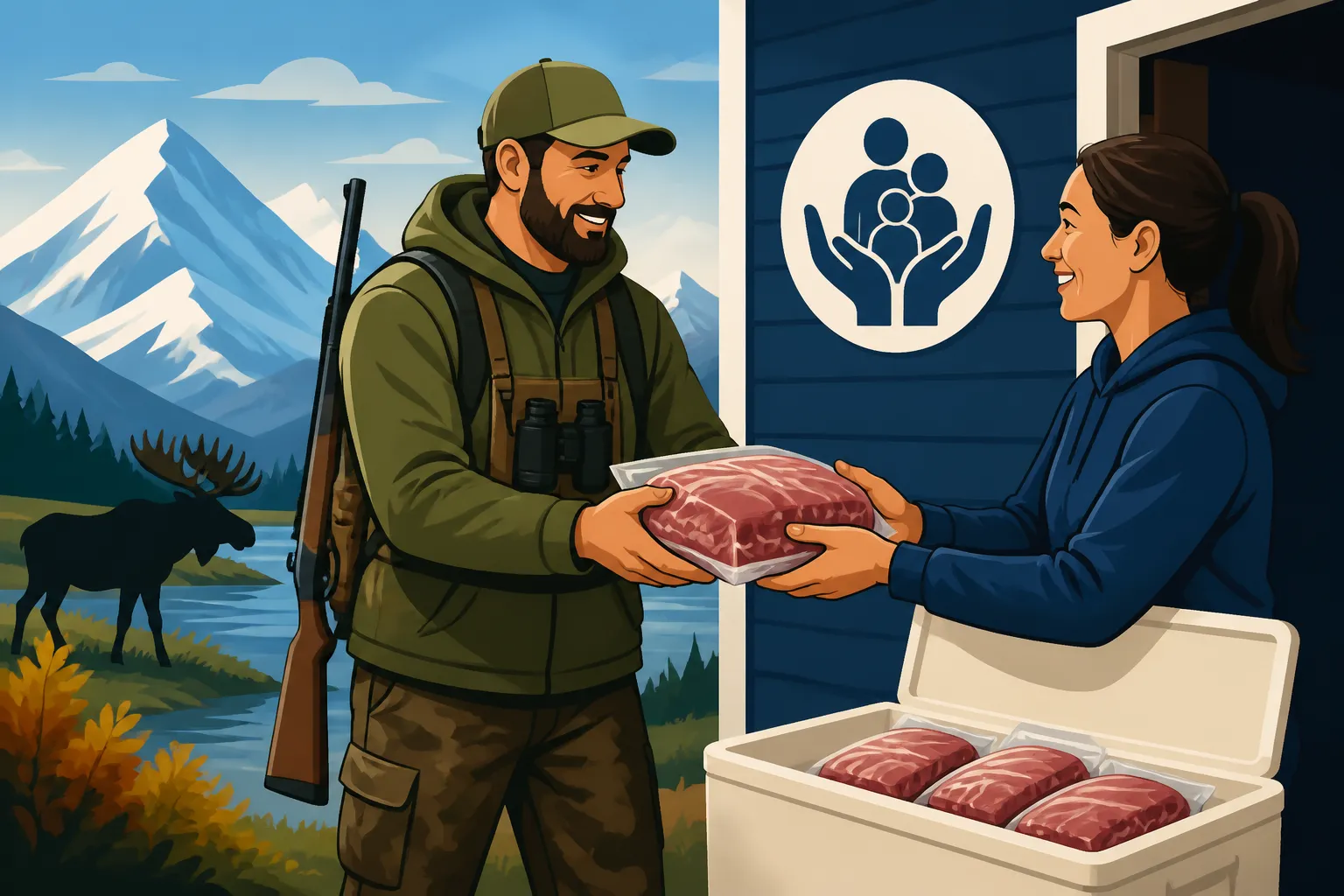
While not every food bank is equipped to handle large quantities of uninspected wild game meat, many smaller, local charities and community programs in Alaska are specifically set up for this. These organizations often serve communities where access to affordable protein can be limited, and wild game is a highly valued resource. Your guide, being local to the area or having long-standing relationships in the region you're hunting, will likely know the best channels.
For example, a guide operating out of a small village might have a direct connection to families in need or a community elder program. In larger towns, there might be specific food pantries or church groups that accept donations of properly processed and packaged game meat. It's essential that the meat is handled hygienically, cooled quickly, and often frozen before donation to ensure its quality and safety. Discussion with your guide about Meat Care in 50-Degree September Weather or other seasonal considerations is vital for donation.
Connecting with Community Programs
Beyond formal charities, many communities in Alaska have informal networks for sharing game. This is particularly true in areas with strong subsistence cultures. Donating meat through these channels isn't just about charity; it's often about contributing to the local food system and showing respect for the resources shared. Your guide is your best link to these networks. They often know individuals or families who would deeply appreciate the meat and can ensure it reaches those who will truly benefit.
These programs might include school lunch programs, senior centers, or simply families struggling to make ends meet. The act of donating becomes a powerful gesture of goodwill and appreciation for the land and the people who call it home. It's an opportunity to ensure that the bounty of your successful hunt nourishes local Alaskans. Always clarify with your guide if there are any preferences for cuts or processing, as different recipients might have different needs.
| Meat Disposition Option | Pros | Cons |
|---|---|---|
| Take All Meat Home | Full utilization of your harvest. | High transportation costs (air cargo, excess baggage), significant logistical effort, potential for spoilage during transit. |
| Process & Ship Home | Professional handling, ensures quality, less personal effort. | Can be very expensive for processing, freezing, and freight; requires coordination with processor and shipping company. |
| Donate Locally | Ethical use of meat, supports local communities, reduces personal transport burden. | Requires clear communication with guide and local contacts; meat must meet proper handling/packaging standards. |
| Give to Guide/Pilot | Easiest option for hunter, often appreciated by staff. | Less control over who ultimately receives the meat; legal specifics regarding guide's personal use must be followed. |
Planning for Meat Donation Before Your Hunt
The single most important takeaway when considering donating meat from an Alaska guided hunt is to plan ahead. Don't wait until you're standing over a downed animal, exhausted and exhilarated, to figure out what to do with hundreds of pounds of meat. Proactive communication is key.
Discussing Options with Your Guide
Before you even step foot in the bush, during your initial discussions and contract review, bring up the topic of meat disposition. Ask your potential guide about their policies and procedures for hunters who wish to donate some or all of their game meat. A reputable guide will have a clear answer and established methods for handling this common scenario. This conversation should cover:
- Their preferred local donation contacts: Do they work with specific charities or community members?
- Logistics of getting meat to these contacts: How will it be transported from the field?
- Any associated costs: Will there be a fee for extra flights or specific processing for donation?
- Documentation requirements: What forms will need to be signed?
- Meat care standards: What specific steps are taken to ensure the donated meat is in excellent condition?
This discussion allows you to factor these considerations into your overall hunt planning and budget. You might be planning to hunt species like moose or caribou, which produce a lot of meat. Understanding How Much Meat an Alaska Bull Moose Yields or Meat Yield From an Alaska Caribou will help you set realistic expectations.
Documenting Your Intentions
Once you've discussed the donation option with your guide and agreed on a plan, ensure that it's documented. This might be a simple clause in your hunting contract, a separate written agreement, or an official form from the guide service. Having this in writing provides peace of mind for both you and your guide. It confirms your intent to relinquish the meat and outlines the agreed-upon method for its disposition, protecting both parties legally and ethically.
For instance, if you're on a multi-species hunt or are considering a combination like Alaska Moose and Caribou Combination Hunt Costs, the potential for meat volume only increases, making pre-planning even more critical. Confirming that your guide understands your wishes and has a clear plan for your meat ensures a smooth and responsible conclusion to your Alaskan adventure, allowing you to focus on the hunt itself, knowing that the magnificent animal you harvest will be fully honored and utilized.
Disclaimer
This article is for general informational purposes only and does not constitute professional advice. Laws, prices and regulations vary by location and change over time. Consult a qualified professional for guidance on your specific situation.