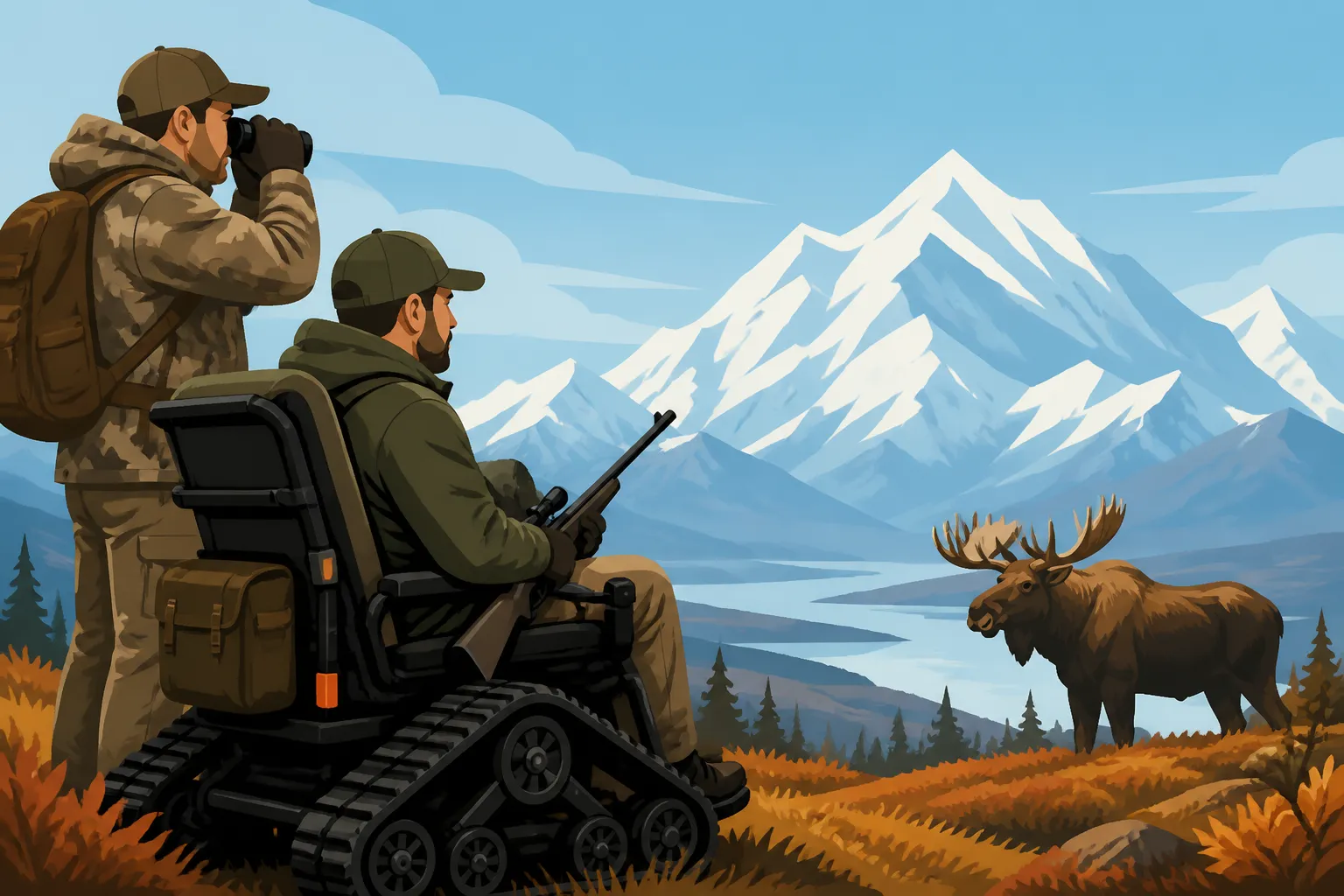
Alaska Guided Hunts for Hunters With Disabilities
The dream of an Alaska hunt burns bright for so many, but for hunters living with disabilities, that dream often comes with a unique set of formidable challenges. The vast, rugged, and often unforgiving Alaskan wilderness can seem inaccessible, making the planning process daunting, if not overwhelming. This guide is here to break down those barriers, offering a realistic look at how a skilled and understanding guide can transform a seemingly impossible journey into a successful and deeply rewarding Alaskan adventure.
Understanding the Unique Challenges of Alaska for Hunters with Disabilities
Alaska is a land of extremes, and while its wild beauty is unmatched, its terrain, weather, and logistical demands pose significant hurdles for any hunter. For someone navigating a disability, these hurdles are amplified, requiring meticulous planning and often specialized assistance. It’s not just about getting to the hunting grounds; it's about comfort, safety, and effectiveness once you're there.
The Alaskan Terrain: More Than Just Hills
When people picture Alaska, they often imagine mountains. But the terrain is far more varied and can be incredibly difficult to traverse. You might encounter dense, tangled alders that form an impenetrable wall, or vast, spongy tundra that saps your energy with every step. There are often steep, rocky slopes, slick creek beds, and muddy bogs that can swallow a boot whole. If you're using crutches, a wheelchair, or have limited mobility, these natural obstacles become monumental. Even seemingly flat areas can hide uneven ground, tussocks, and permafrost humps that make stable movement a constant battle. A hunter relying on a wheelchair, for instance, wouldn't find traditional "trails" in many remote areas, necessitating completely different access strategies.
Imagine trying to navigate a dense spruce forest with a wheeled chair, or crossing a boulder field with prosthetic limbs that demand perfect balance. These aren't minor inconveniences; they are fundamental barriers that can prevent access to prime hunting areas. Guides who specialize in adaptive hunts understand these nuances and often scout areas specifically chosen for their relative accessibility, even if that accessibility still means a challenging but achievable path.
Weather and Environment: Beyond a Simple Rain Jacket
Alaska's weather is notoriously fickle and can change in an instant, often without warning. A beautiful, calm morning can quickly give way to driving rain, heavy snow, or fierce winds. For hunters with disabilities, this isn't just about discomfort; it can be a significant health and safety concern. Hypothermia, frostbite, or even just persistent dampness can exacerbate existing medical conditions or make movement even more difficult. The cold can affect dexterity, making tasks like loading a rifle or adjusting gear much harder.
Beyond the weather, the sheer remoteness means that medical help is hours, if not days, away. This reality necessitates a guide who is not only skilled in wilderness first aid but also acutely aware of the specific medical needs and limitations of their client. Proper planning for communication and emergency evacuation, which we'll touch on later, becomes absolutely critical. It’s not enough to pack a warm jacket; you need to consider how sustained exposure to the elements might impact your personal resilience and stamina.
Logistical Hurdles: Getting There and Staying There
Just getting to a remote Alaskan hunting camp is often an adventure in itself, typically involving small aircraft, boats, or ATVs. For hunters with disabilities, this adds layers of complexity. Can the bush plane accommodate a specialized wheelchair or extra medical equipment? Is there a suitable landing strip or dock for accessible transfer? How will gear be loaded and unloaded? Once in camp, is the tent or cabin setup conducive to ease of movement?
Most traditional Alaskan camps are spartan, designed for able-bodied hunters who can manage uneven ground, low doorways, and sleeping arrangements close to the floor. An accessible hunt requires thoughtful consideration of these details. This might mean larger tents, specialized cots, ramps, or even a different type of camp entirely. The guide plays a pivotal role in ensuring that transportation, camp setup, and daily routines are adapted to the hunter's needs, reducing frustration and maximizing energy for the hunt itself. For more on navigating these flights, check out Fly-In Hunting: Working With an Alaska Transporter Pilot.
What a Guide Can Offer: Beyond Just Scouting
Hiring a registered guide-outfitter for an Alaskan hunt is beneficial for any hunter, but for those with disabilities, it transforms the impossible into the possible. A truly exceptional guide, especially one with experience in adaptive hunts, offers far more than just locating game. They become a crucial partner, advocate, and logistical expert, tailoring every aspect of the experience to your unique needs.
Specialized Equipment and Modified Transportation
One of the most significant advantages of a guided adaptive hunt is access to specialized equipment and transportation. A reputable outfitter may have, or be willing to acquire, gear that significantly enhances accessibility. This could range from custom-built shooting rests for stability, specialized harnesses for difficult terrain, or even modified ATVs or tracked wheelchairs that can navigate rough ground where a standard vehicle would fail.
Imagine a situation where a hunter needs assistance to move quietly through dense brush. A guide might employ a custom cart or even a small, quiet electric vehicle designed for off-road use, allowing the hunter to conserve energy for the critical moment. They might have a portable blind that can be quickly set up to offer stable shooting positions from a wheelchair, or a secure method for anchoring a specialized mobility device in a bush plane. These aren't standard offerings for every guide, so it's vital to discuss these needs upfront.
Extra Personnel and Dedicated Assistance
A guided hunt for hunters with disabilities often requires a higher guide-to-hunter ratio or the presence of additional personnel. This isn't about being coddled; it's about ensuring safety, providing necessary physical assistance, and facilitating the hunt efficiently. This extra help can mean the difference between getting stuck in a mud flat and successfully navigating to a prime glassing knob.
For instance, if a hunter requires assistance with transfers, dressing, or even just moving over uneven ground, having an additional assistant or packer means the lead guide can focus on game spotting and strategy. This team approach ensures that the hunter's needs are met without compromising the integrity of the hunt. It also provides a crucial safety net, especially in remote areas where a minor mishap could become a major emergency. This dedicated support allows the hunter to focus on the experience, rather than constantly worrying about logistical challenges.
Adapting Hunting Strategies for Success
A skilled guide doesn't just put you in a blind; they adapt their entire hunting strategy to your abilities and limitations. This might involve focusing on areas accessible by vehicle or boat, utilizing calling techniques to bring game closer to a fixed position, or employing different stalking methods. Instead of a grueling uphill climb, the hunt might focus on glassing from a strategic vantage point that's easier to reach, and then executing a shorter, more manageable stalk.
For example, a traditional Dall sheep hunt often involves extreme physical exertion in high alpine terrain. For a hunter with limited mobility, a guide might instead target areas where sheep descend to lower elevations in late season, or utilize a base camp accessible by helicopter to cut down on initial trekking. Similarly, for moose, instead of busting through thick willow swamps on foot, a guide might position the hunter near a river during a Float Hunting Alaska Rivers for Moose and Caribou trip, focusing on calling bulls to the water's edge. This adaptability is key to creating a successful and enjoyable experience.
Finding the Right Accessible Guide and Outfitter
The success of an Alaska guided hunt for hunters with disabilities hinges almost entirely on finding the right guide – someone experienced, patient, and genuinely committed to adaptive hunting. This isn't a standard search; it requires due diligence and clear communication.
Researching Guides with Adaptive Hunt Experience
Start your research by looking for guides or outfitters who explicitly mention experience with adaptive hunts or who are part of organizations dedicated to hunting for individuals with disabilities. These specialized guides often have networks, equipment, and a philosophy tailored to these unique needs. Don't be afraid to ask direct questions about their prior experience. How many adaptive hunts have they led? What kind of disabilities have they accommodated? What successes and challenges have they encountered?
Online platforms can be a starting point. While general booking sites like BookYourHunt might not have a specific filter for "adaptive hunts," you can use them to find outfitters in your desired region and then contact them directly to inquire about their experience and willingness to accommodate. Similarly, platforms like GoHunt provide valuable information on specific units and species, which can help you narrow down regions before reaching out to guides directly. Always prioritize guides with a proven track record or a strong willingness to learn and adapt. Remember, a good guide for an able-bodied hunter isn't necessarily a good guide for an adaptive hunter without specific experience or training. You can also review Alaska Guide Licensing: Assistant, Registered and Master to understand the guide's credentials.
Key Questions to Ask Potential Outfitters
Once you've identified potential guides, prepare a comprehensive list of questions. Be completely transparent about your disability, your physical capabilities, and any specific needs or limitations. This isn't the time to downplay anything; honesty upfront will save significant headaches later.
Here are some crucial questions:
- Experience: "Have you guided hunters with [specific disability] before? What were the challenges and how did you overcome them?"
- Access & Mobility: "What kind of terrain will we be hunting? How will we access hunting areas? Can your transportation accommodate my [mobility device/needs]?"
- Equipment: "Do you have any specialized equipment (e.g., adaptive shooting rests, tracked chairs) or are you willing to procure/rent it?"
- Personnel: "What is the guide-to-hunter ratio? Will there be additional staff to assist with personal needs or difficult terrain?"
- Camp: "Describe your camp setup. Is it accessible? What adaptations can be made for my comfort and safety?"
- Emergency Plan: "What are your emergency medical and evacuation protocols, especially considering my specific health conditions? How do you handle [specific medical scenario]?" This is particularly important for Emergency Evacuation Plans in Remote Alaska.
- References: "Can you provide references from previous adaptive hunt clients?" Talking to past clients is invaluable.
- Customization: "Are you flexible in adapting the hunt plan if conditions or my needs change during the trip?"
A reputable guide will appreciate your honesty and will have thoughtful, detailed answers to these questions. They should ask you questions in return, demonstrating their commitment to understanding your needs fully. For general vetting, refer to Questions to Ask an Alaska Guide Before Booking.
Contracts, Insurance, and Communication
Before committing to any hunt, thoroughly review the guide's contract. Ensure it clearly outlines all services, costs, cancellation policies, and any agreed-upon adaptations for your disability. Pay close attention to clauses regarding medical emergencies and what is covered versus what you are responsible for. It's highly recommended to have your own comprehensive travel insurance that includes emergency medical evacuation, as typical guide insurance may not cover all possibilities in remote Alaska.
Maintain open and consistent communication with your guide from the moment you book until your hunt is complete. Share any changes in your physical condition or medical needs. Discuss your expectations for the hunt realistically. A good guide will keep you informed about potential challenges and opportunities, fostering a strong partnership crucial for a successful adaptive hunt. Transparency and mutual respect are the cornerstones of a great guided experience.
Key Considerations for Planning Your Accessible Alaska Hunt
Once you've found the right guide, the real planning begins. There are several critical factors unique to adaptive hunts that need careful attention to ensure a safe, enjoyable, and successful experience.
Physical Preparation and Medical Readiness
Even with an excellent guide, an Alaskan hunt for a hunter with disabilities still demands a significant level of physical and mental preparation. Work with your doctor or physical therapist well in advance to optimize your physical condition for the specific demands of the hunt. This might involve tailored exercises to build strength and endurance within your capabilities. Practice any movements or transfers that will be necessary in the field.
Equally important is medical readiness. Have a detailed discussion with your doctor about traveling to a remote wilderness environment. Ensure all necessary medications are accounted for, with extra supplies in case of delays. Provide your guide with a concise, clear summary of your medical history, current medications, allergies, and emergency contacts. This isn't just about disclosure; it's about empowering your guide to act effectively in an emergency. Consider what medications need to be kept cool, dry, or readily accessible. Your guide needs to know this.
Gear Selection: Adapting to Your Needs and Alaska's Demands
Gear selection is always crucial in Alaska, but for an adaptive hunter, it takes on an even greater importance. Every piece of equipment needs to be chosen not only for its effectiveness in the Alaskan environment but also for its ease of use given your specific physical abilities.
Clothing: Layers are paramount. Choose clothing that is easy to put on and take off, even with limited dexterity. Consider items with large zippers or Velcro closures. Waterproof and windproof outer layers are non-negotiable. Rain Gear Guides Actually Recommend can be a great starting point.
Footwear: If you're mobile, boots need to offer maximum support, traction, and warmth, while also being comfortable for your specific gait or mobility device.
Specialized Aids: This includes any personal mobility devices, adaptive shooting rests, communication devices, or medical equipment. Ensure these are robust, reliable, and have backup power sources if needed.
Firearms: Choose a rifle or bow that you can comfortably and safely manipulate. This includes ease of loading, aiming, and firing. Your guide can advise on calibers suitable for Alaska's big game, such as Rifle Choice for Alaska Brown Bear Country or Archery Tackle That Survives Ten Days of Rain. Practice extensively with your chosen setup to build confidence.
Personal Comfort Items: Don't forget items that enhance your comfort in camp, such as a specialized pillow, seat cushions, or a personal hygiene kit tailored to your needs.
Create a detailed gear list with your guide, ensuring that every item serves a purpose and is manageable for you.
Contingency Planning and Realistic Expectations
No matter how meticulously you plan, things can (and often do) go awry in Alaska. Weather delays, equipment malfunctions, or unexpected physical challenges are all possibilities. A solid contingency plan is vital for an adaptive hunt. This involves:
- Weather Delays: Build extra "weather days" into your schedule, both for flying in and out of camp. Be prepared for the possibility of being stuck in camp for an extended period.
- Equipment Failure: Have backup plans for critical equipment. Can your mobility device be repaired in the field, or do you have a manual alternative?
- Medical Contingency: Beyond emergency evacuation, discuss minor medical issues with your guide. What's the protocol for a sprained ankle or a sudden flare-up of a chronic condition?
- Realistic Expectations: An adaptive hunt may look different from a typical hunt. Success might not just be measured in a trophy animal, but in the experience itself—the challenge overcome, the wilderness explored, and the camaraderie shared. Be open to adapting the goals of the hunt based on conditions and your capabilities. Focus on the journey, the adventure, and the connection with nature.
Alaska is an incredible place, and with the right guide and preparation, it can offer an unparalleled hunting experience for individuals with disabilities. It takes courage, planning, and a spirit of adventure, but the rewards are truly immense.
| Challenge Area | Typical Hunter Impact | Adaptive Hunter Impact | How a Guide Helps (Adaptive Hunt) |
|---|---|---|---|
| Terrain | Physical exertion, slow progress | Near-impassable, high risk of injury/fatigue | Scouts accessible areas, specialized vehicles/aids, alternative routes. |
| Weather | Discomfort, reduced visibility | Health risks, extreme discomfort, mobility issues | Proper gear selection advice, specialized camp amenities, constant monitoring. |
| Logistics | Heavy lifting, basic camp setup | Access barriers (planes, boats), inadequate camp | Modified transport, customized camp, extra personnel for transfers. |
| Physical Demands | Stamina, strength, resilience | Exacerbated limitations, higher fatigue/injury risk | Tailored hunt strategies, pace adjustment, dedicated physical assistance. |
| Equipment | Standard hunting gear | Specific adaptations needed (shooting, mobility) | Provides/sources adaptive gear, ensures compatibility with personal aids. |
| Emergency | Wilderness first aid, comms | Complex medical needs, specialized evacuation | Advanced medical knowledge, pre-planned evacuation for specific needs. |
Disclaimer
This article is for general informational purposes only and does not constitute professional advice. Laws, prices and regulations vary by location and change over time. Consult a qualified professional for guidance on your specific situation.