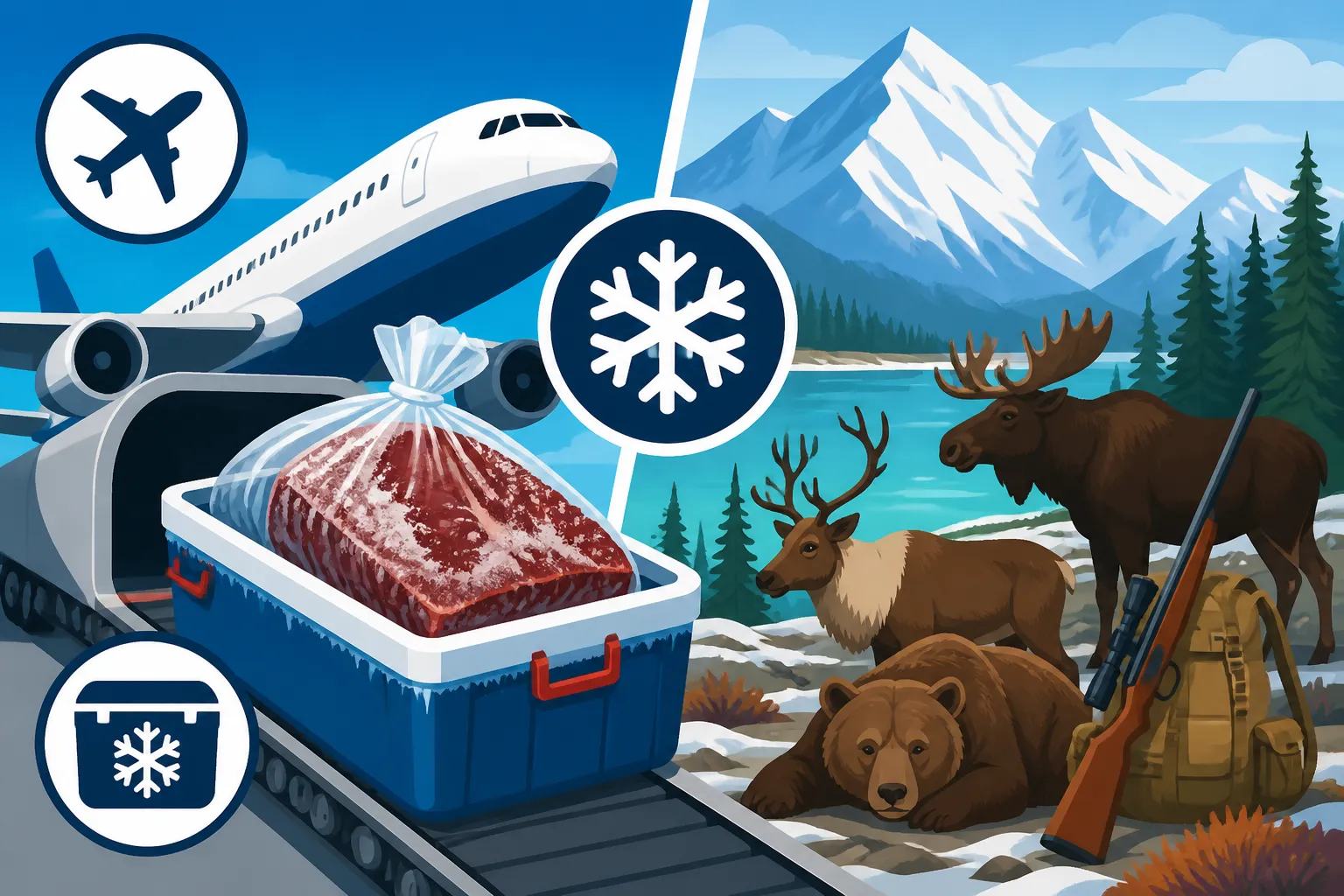
Airline Rules for Frozen Game Meat
After a successful hunt in the Alaskan wilderness, that triumphant feeling of filling your freezer with wild game meat is absolutely unmatched. But then reality sets in: how on earth do you get all that precious, hard-earned meat back home, especially when planes are involved? Dealing with airline regulations for frozen game meat can feel like navigating a maze blindfolded, leaving many hunters anxious about potential issues or even losing their harvest. This guide will walk you through the essential airline rules and best practices to ensure your frozen game meat travels safely and legally from Alaska to your dinner table.
Understanding the Logistics of Flying with Frozen Meat
It’s one thing to haul a moose quarter across the tundra, quite another to get it onto a commercial airliner. The challenges are numerous, from maintaining temperature to navigating often-conflicting carrier policies. Many hunters arrive at the check-in counter full of hope, only to be met with confusing rules or, worse, a refusal to check their carefully packaged meat. It's a frustrating situation that can easily be avoided with a little forethought and preparation.
The "What If" Scenarios on the Tarmac
Picture this: you've just returned from a remote fly-in hunt, perhaps a successful Dall sheep expedition or a moose hunt along a river. You're exhausted but elated. Your meat is perfectly processed and frozen solid, ready for its journey. You get to the commercial airport, bags packed, cooler strapped, only to be told there's an issue. What if your cooler is too heavy? What if it's not the right kind of cooler? What if the airline policy changed since you last checked? These "what if" scenarios plague every hunter preparing for the journey home, and they're not unfounded. Many airlines have specific, sometimes unwritten, rules that only become apparent when you're standing in front of the gate agent, clock ticking down to your flight. Fly-In Hunting: Working With an Alaska Transporter Pilot can get you to the commercial hub, but getting on the commercial flight is another hurdle.
Variable Rules Across Carriers
One of the biggest headaches for hunters is that airline policies aren't universal. What one carrier allows, another might strictly forbid. This variability can be incredibly frustrating, especially if you have connecting flights on different airlines. Some airlines might have specific restrictions on the type of cooler, requiring certain materials or sealing methods. Others might have stringent weight limits that differ from standard checked baggage. It’s not uncommon to find that even within the same airline, agents might interpret rules differently, leading to inconsistent experiences. This is why doing your homework before you even book your flights, and certainly before you pack, is absolutely paramount. Don't assume anything.
Temperature Control Challenges
Keeping your hard-won meat frozen solid for the entire journey is perhaps the most critical challenge. Commercial flights, especially those with layovers, can involve hours of waiting on tarmacs, in cargo holds, and on baggage carousels. A slight thaw can ruin meat quality, especially cuts meant for steaks or roasts. The fear of opening a cooler back home to find partially thawed, compromised meat is a real one, and it drives many hunters to obsess over every detail of their packaging. Warm September weather, for instance, can make this even more difficult, emphasizing the need for robust preparation. Hanging Meat in Warm September Weather and Meat Care in 50-Degree September Weather are critical steps to take long before you even think about the airport.
Preparing Your Meat for Air Travel
Getting your meat home successfully really boils down to impeccable preparation. This isn't just about following rules; it's about safeguarding your harvest. A little extra effort on the front end can save you a world of heartache and expense down the line.
Proper Packaging: Insulated Containers and Liners
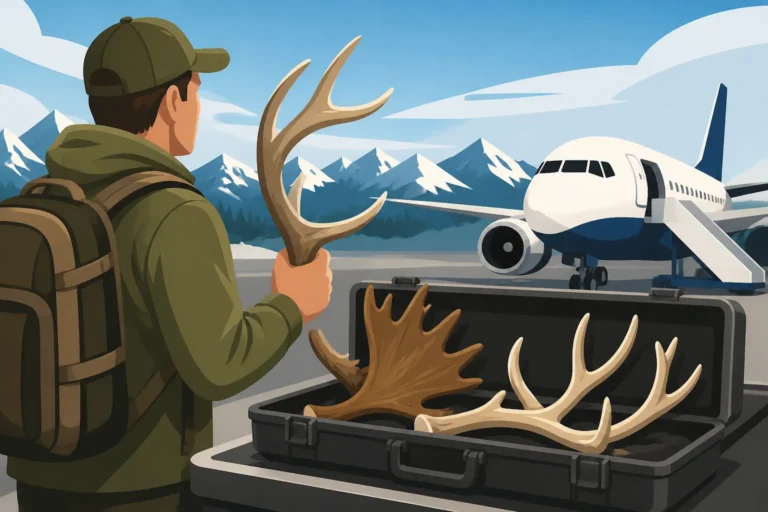
The right container is your first line of defense. Standard coolers are often acceptable, but they need to be sturdy and well-insulated. Many hunters opt for hard-sided coolers, like those from Yeti, Igloo, or Pelican, known for their durability and insulation properties. Soft-sided coolers, while lighter, typically don't offer enough protection for long hauls or rough handling. It's essential that your cooler can be securely latched or taped shut to prevent accidental opening.
Inside the cooler, layering is key. Start with a heavy-duty plastic liner or contractor bag to contain any potential leaks, even if the meat is double-bagged. Then, pack your meat as tightly as possible to minimize air space. Air pockets allow for faster thawing. Many hunters also add a layer of insulation like newspaper, cardboard, or even extra clothing around the meat. While dry ice is ideal for maintaining freezing temperatures, airline regulations on dry ice can be very strict due to its sublimation into CO2 gas, which can cause pressure issues in cargo holds. Always check your specific airline's policy on dry ice quantity and packaging, which usually requires vented containers and specific labeling. If dry ice isn't an option, frozen gel packs can help, but they won't keep meat frozen for as long as dry ice. Game Bags That Breathe in Coastal Rain might be great for the field, but when it comes to the cargo hold, you need something entirely different.
Freezing Solid: The Key to Success
This might sound obvious, but "frozen solid" truly means rock-hard. Partially frozen meat will thaw much faster, leading to a higher risk of spoilage. After processing, ensure your meat is frozen solid for at least 24-48 hours before your flight. This often means planning an extra day or two in an Alaskan town with proper freezer facilities. Many communities offer game processing and freezer services specifically for hunters. Don't try to fly meat that's merely chilled or slushy. It simply won't make it.
If you’re ending your hunt in a remote location and flying into a larger hub before your commercial flight, coordinate with your air taxi or lodge. They often have experience with game meat transport and can advise on local freezer options. The goal is to keep that thermal mass as cold as possible for as long as possible. The larger the block of frozen meat, the longer it will stay frozen. So, resist the urge to separate everything into tiny packets for air travel; keep larger cuts together if possible.
Labeling and Documentation
Clear labeling isn't just a suggestion; it's a necessity. Each cooler should be clearly marked with your name, contact information (phone and email), and your destination address. Consider putting this information both on the outside of the cooler with durable luggage tags and also inside, taped to the lid. This redundancy can be a lifesaver if external tags are torn off.
In Alaska, you'll also have specific harvest tickets or sealing requirements for certain species. While these documents primarily pertain to legality in the field and at check stations, having them accessible can be helpful if any questions arise about the origin or species of your game meat, especially if you've harvested something like a brown bear. While not strictly "airline rules," proof of legal harvest can smooth over questions from airport personnel. Alaska Harvest Ticket Reporting Deadlines are important for the state, but knowing what documents to keep on hand for travel is for your peace of mind.
Navigating the Airport: Check-In and Beyond
The airport itself can be a minefield of regulations. Being prepared and knowing what to expect can alleviate much of the stress.
Declaring Game Meat at the Counter
Always, and I mean always, declare that you are checking frozen game meat when you get to the airline counter. Do not try to sneak it through. Most airlines have specific procedures for handling perishables, and being upfront ensures they can follow protocol. Expect them to ask about the contents (meat), whether it's frozen, and if it contains dry ice. Be ready to explain your packaging and cooling methods.
Some airlines might require you to sign a waiver acknowledging that they are not responsible for spoilage or damage. Read this carefully. It's standard practice, but it underscores why your own diligent preparation is so crucial. A friendly and cooperative attitude with the check-in agent can go a long way, as they are often the gatekeepers to getting your meat on the plane.
Understanding Weight and Size Restrictions
This is where many hunters get caught. The weight of frozen meat, plus a sturdy cooler, can quickly exceed standard baggage allowances. Most airlines have a maximum weight limit for checked bags, often around 50-70 pounds, before incurring overweight fees. For larger coolers, there might also be oversized baggage fees. These fees can add up quickly, especially if you're flying out a significant amount of meat from a successful moose hunt, where a single bull can yield several hundred pounds of edible meat. How Much Meat an Alaska Bull Moose Yields should give you a good idea of what you'll be dealing with.
Before your trip, check your airline's website for their specific checked baggage policy, including maximum weight and dimensions for standard and oversized items. It's often more economical to pack several smaller coolers (each under the weight limit) than one massive, overweight cooler. If you anticipate having a lot of meat, factor in these potential extra baggage fees into your hunting budget. You don't want to be forced to leave meat behind because of unexpected costs.
Dealing with Potential Delays and Reroutes
Alaska weather is famously unpredictable. Flight delays and cancellations are a fact of life, and they pose a significant threat to your frozen cargo. What happens if your flight is delayed overnight, or worse, your bag is routed through another city due to a missed connection?
While you can't control the weather or airline operations, you can prepare. Pack your coolers to withstand at least 24-36 hours of potential delays. If you face a significant delay, politely inquire with the airline about access to your checked bags. In some rare cases, if a delay is prolonged, they might allow you to retrieve your cooler to re-ice or move it to a freezer if available. This is not common, but it's worth asking. Having your contact information clearly labeled ensures that if your cooler gets separated, the airline has the best chance of getting it back to you. Signal Devices and Check-In Plans for Solo Alaska Hunts are critical for your safety, and a similar mindset should be applied to your valuable cargo.
Specialized Considerations: Bush Flights, International, and Shipping Alternatives
Not all meat transport situations are as simple as checking a cooler on a commercial flight. Alaska presents unique challenges and alternatives.
Bush Plane Logistics vs. Commercial Carriers
If your hunt involves a bush plane leg, whether it's a Super Cub dropping you on a gravel bar or a floatplane taking you to a remote lake, the rules change entirely. Bush plane operators are typically much more flexible with game meat, as it's a routine part of their business. They understand the nature of hunting and the need to transport meat. However, they still have strict weight and balance limitations, especially in smaller aircraft.
Always discuss your anticipated meat load with your air taxi pilot in advance. They need to know how much weight to expect to safely plan their loads. They might also have recommendations for packaging for their specific aircraft or for transferring to commercial flights. Often, meat is transported in sturdy game bags or contractor bags on bush planes, then transferred to hard coolers once you reach a road system town or larger airport. Strapping Gear Loads for a Bush Flight applies to meat just as much as your tent.
C.I.T.E.S. and Export Permits
While this guide focuses on domestic air travel for game meat, it's vital to touch on international considerations, even if briefly. If you are a non-resident alien hunter or plan to take your trophy and meat outside the United States, you will enter a whole new realm of regulations, including potential C.I.T.E.S. permits (Convention on International Trade in Endangered Species of Wild Fauna and Flora) for certain species like brown bear, and specific import/export declarations.
These regulations are complex and can take months to navigate. They rarely apply to general game meat like moose or caribou for domestic travel, but if you're traveling internationally or with specific trophies (hides, skulls), you must research these requirements far in advance. Ignorance of these laws is not an excuse and can lead to confiscation. CITES Requirements for an Alaska Brown Bear is an example of one such regulation.
When to Ship Instead of Fly
Sometimes, flying your meat as checked baggage just isn't practical, economical, or even feasible. This is especially true for very large quantities of meat, like from a bull moose that can easily exceed 500 pounds of boned-out product. In these situations, shipping via cargo or freight services becomes an attractive alternative.
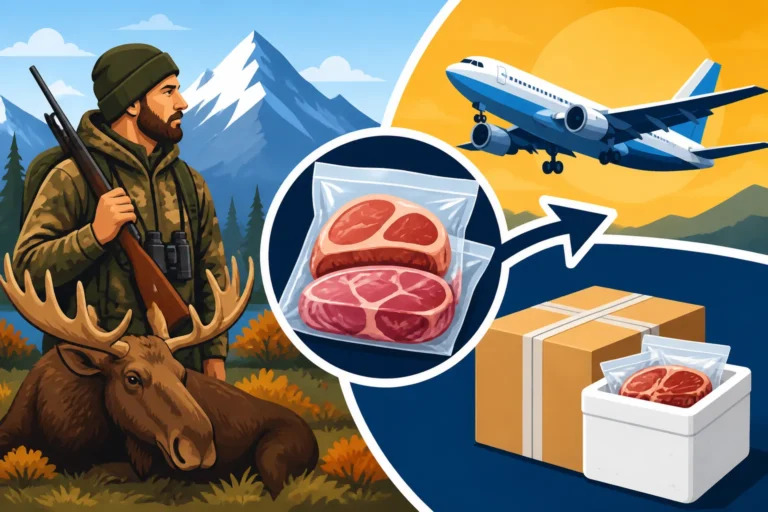
Several freight forwarders and air cargo companies specialize in shipping frozen game meat from Alaska to the Lower 48. These services typically use dedicated temperature-controlled units or expedite shipments to minimize thaw time. They often have more generous weight and size allowances than passenger airlines and can be surprisingly competitive in cost, especially for bulk quantities. You'll still need proper packaging (often custom-built insulated boxes) and clear labeling. Many Alaskan processors or expeditors can help coordinate these shipments. While it might add an extra layer of logistics, it often provides greater peace of mind and flexibility for large harvests. Meat Processing and Freight From Bush Alaska and Freezing and Freighting Alaska Meat Home delve into these options in much greater detail.
Remember, successful meat transport is a critical part of the entire hunting experience. Don't let the excitement of the hunt overshadow the practicalities of getting your harvest home. A little research, diligent preparation, and clear communication can ensure your Alaskan game meat provides delicious meals for months to come.
Comparison of Meat Transport Methods
| Method | Pros | Cons | Ideal For | Key Considerations |
|---|---|---|---|---|
| Commercial Checked Baggage | Direct travel with you, no separate pickup | Strict weight/size limits, potential for delays/thaw | Smaller quantities (deer, caribou), shorter flights | Declare meat, use sturdy coolers, check airline policy |
| Air Cargo/Freight | Higher weight limits, dedicated handling | Separate pickup at destination, potentially slower | Large quantities (moose), longer distances | Advanced booking, specialized packaging, cost analysis |
| Bush Plane (Initial Leg) | Essential for remote access, flexible | Very strict weight limits, not for final destination | Transport from remote camp to commercial hub | Pre-arrange with pilot, rough handling possible |
Disclaimer
This article is for general informational purposes only and does not constitute professional advice. Laws, prices and regulations vary by location and change over time. Consult a qualified professional for guidance on your specific situation.