Packer Tips on a Sheep Hunt
There's nothing quite like the dream of a Dall sheep hunt in Alaska. The stunning alpine vistas, the immense challenge, the sheer physical and mental grind – it's an experience that calls to the soul. But let's be honest, those mountains aren't getting any smaller, and the meat from a full-curl ram, plus the cape and horns, is an incredibly heavy load to get off a mountain. Many hunters, especially those new to sheep country, find themselves wondering exactly how a packer fits into the equation, and more importantly, how to make that critical relationship work seamlessly. This guide isn't just about what a packer does; it’s about understanding their role, knowing how to support them, and ensuring you contribute to a successful, safe, and positive experience for everyone involved in your Alaska sheep hunting adventure.
The Essential Role of a Packer on an Alaska Sheep Hunt
When you book an Alaska sheep hunt, whether it's through a reputable outfitter you found on a platform like BookYourHunt or a private arrangement, you're investing in a team effort. While the guide is the seasoned expert leading the charge and making the critical decisions, the packer is the unsung hero, the backbone of the entire operation. Their role is far more intricate and demanding than simply carrying heavy loads from point A to point B.
More Than Just a Beast of Burden
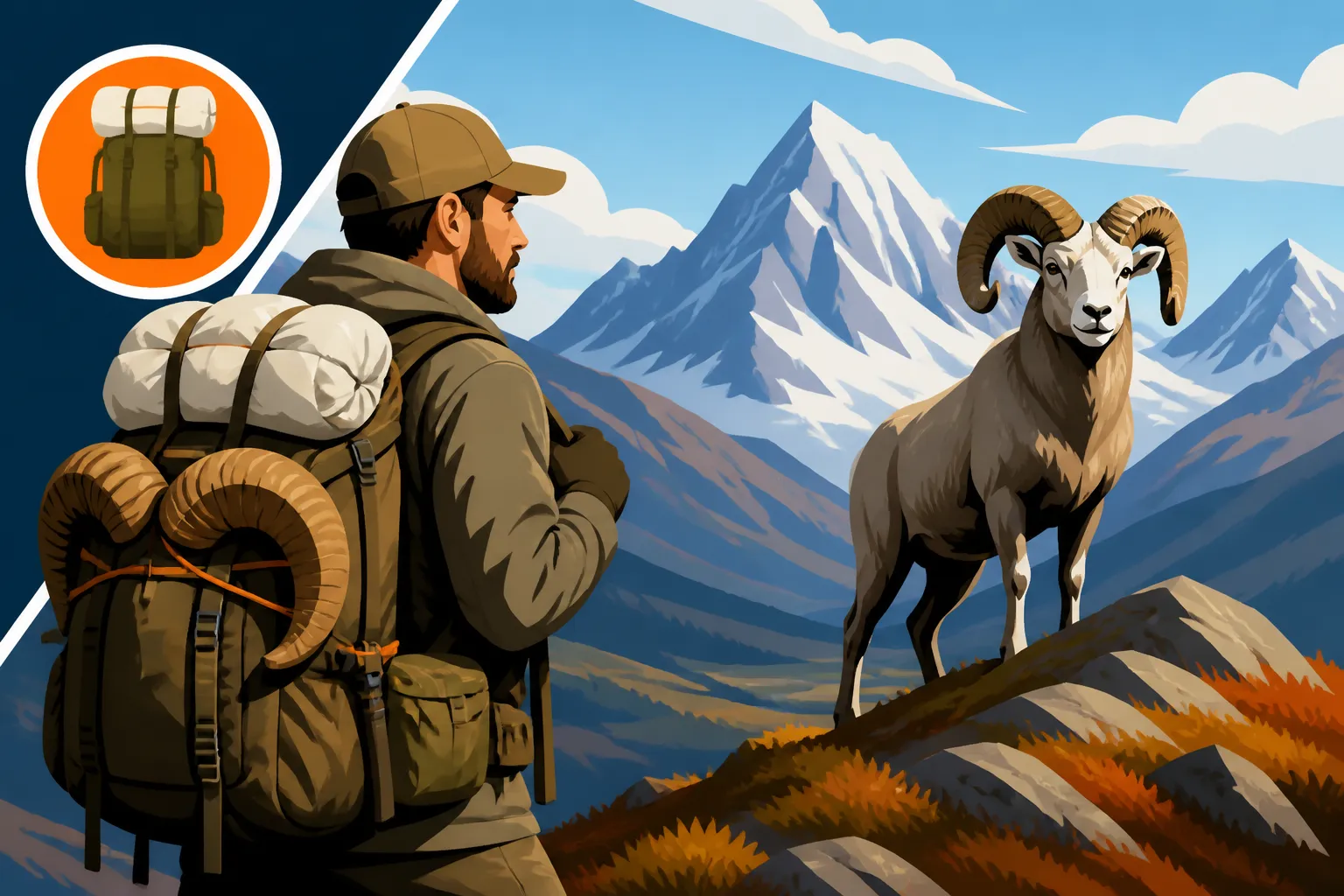
Imagine cresting a ridge after an exhausting climb, finally spotting that ram, making a perfect stalk, and dropping him. The elation is immense, but then the reality sets in: getting that animal off the mountain. This is where your packer shines. They're not just strong bodies; they're integral members of the hunting party, often possessing incredible resilience, bush savvy, and an unwavering work ethic. A good packer is a master of navigating treacherous terrain, from loose shale slides to dense alder thickets, all while carrying a substantial load. They understand the nuances of Reading Sheep Country From a Glassing Knob and can often assist with spotting game, helping set up camp, and performing essential field care tasks.
Their physical prowess is undeniable. They are often the ones breaking trail through snow, crossing icy streams, and tackling vertical ascents with gear that would make most people buckle. But beyond the physical, a packer brings a mental toughness that is crucial when exhaustion sets in or unexpected challenges arise. They are often the ones who keep spirits high, offer a steady hand, and ensure that every piece of meat, hide, and horn is handled with the respect it deserves, minimizing the risk of Horn Damage During the Pack Out.
What to Expect from a Professional Packer
A professional packer working on an Alaska sheep hunt is typically an experienced individual, intimately familiar with the demands of the backcountry. They are an extension of your guide and outfitter, often tasked with ensuring camp logistics run smoothly, from setting up tents and cooking areas to managing water sources. Their expertise might include everything from proper game care in the field—like quartering a ram efficiently and preparing the cape for preservation—to Setting Up a Spike Camp Above a a Sheep Basin in a remote drainage.
You should expect them to be knowledgeable about safety protocols, capable of assisting in emergency situations, and diligent about communication, especially in areas where cell service is non-existent. They are often the ones who will make sure water bottles are filled, fuel is managed, and the general comfort of the camp is maintained after a long day of hunting. In essence, they free up your guide to focus on the hunt itself and allow you, the hunter, to conserve energy for the critical moments, knowing that the logistical burden is being competently managed.
| Packer Responsibility | Hunter Responsibility |
|---|---|
| Carrying heavy loads (meat, camp gear, horns) | Carrying personal daypack, rifle, water, snacks |
| Assisting with camp setup and breakdown | Keeping personal gear organized; helping with small tasks |
| Field dressing and quartering game (as directed) | Learning basic field care; assisting the packer |
| Navigation support, especially on pack out routes | Paying attention to surroundings; maintaining awareness |
| Maintaining camp comfort (water, fire, minor repairs) | Communicating needs clearly; contributing to positive camp morale |
| Ensuring proper care of meat, cape, and horns | Following guide/packer instructions for trophy care |
How You Can Be the Best Client for Your Packer
The relationship between a hunter and their support team—guide, packer, and air taxi—is a symbiotic one. You've hired them for their expertise and strength, but that doesn't mean your role is passive. In fact, being an active and considerate client can significantly enhance the entire hunting experience for everyone, making the packer's job smoother and ultimately more successful for you.
Physical Preparedness and Realistic Expectations
One of the greatest gifts you can give your packer is to show up physically prepared for the demands of a sheep hunt. While the packer is there to carry the bulk of the heavy loads, you will still be expected to carry your personal gear, rifle, daypack, and plenty of water over incredibly tough terrain. This isn't a stroll in the park; it's an arduous climb. Websites like GoHunt offer extensive resources on training for backcountry hunts, emphasizing the importance of cardiovascular fitness and strength. Don't underestimate the mountains. Your ability to keep pace, navigate difficult sections without constant assistance, and even carry a portion of a load if necessary, will be deeply appreciated. When you're strong, you're not a liability, and that allows the packer to focus on their primary tasks more effectively.
Furthermore, set realistic expectations. Weather in Alaska is notoriously unpredictable. What starts as a bluebird day can turn into a raging blizzard in hours. Be mentally prepared for delays, for uncomfortable conditions, and for the fact that success is never guaranteed. A positive attitude, even when faced with adversity, can significantly boost morale for the entire team, including your packer, who is working just as hard, if not harder, in those conditions. They might be dealing with a Weather Days and Who Pays for Them situation, so empathy goes a long way.
Gear Organization and Camp Etiquette
Think about how you pack your gear. Is it a jumbled mess, or is it organized in waterproof bags, clearly labeled, and easily accessible? When a packer is trying to load a plane, a raft, or a backpack, having well-organized gear that packs efficiently makes their job so much easier. Consider items like your tent, sleeping bag, and personal effects. Can they be condensed? Are they protected from the elements? Your guide should provide Gear Lists Alaska Guides Send Before a Hunt, which are invaluable for packing efficiently.
In camp, good etiquette means being tidy with your personal space and communal areas. Don't leave trash lying around. Contribute to basic camp chores if asked, such as gathering firewood, melting snow for water, or helping with dishes. Even small gestures like having your pack ready in the morning, or keeping your rifle accessible but safe, show respect for your packer's time and effort. Remember, they are often working long days, sometimes starting before you wake up and finishing after you've gone to bed, so any way you can lighten their mental load is a huge benefit.
Communicating Effectively and Building Trust in the Field
A successful hunt is built on effective communication and trust between all members of the hunting party. This is especially true in the challenging environment of an Alaska sheep hunt, where split-second decisions and coordinated efforts are paramount. Your packer is a vital link in this chain.
Clear Discussions Before and During the Hunt
Before the hunt even begins, ideally when you're going over the details of your trip with your guide or through a platform like BookYourHunt, ensure you understand the specific duties and expectations for your packer. Will they be carrying all the camp gear and meat, or is some expectation on you for a portion of the load? What are their limitations? Open communication eliminates misunderstandings later.
Once in the field, continue this dialogue. If you have a specific physical limitation, a dietary restriction, or a concern, voice it respectfully. Similarly, be receptive to instructions from your guide and packer. They are the experts in this environment, and their advice regarding terrain, weather, or game handling is crucial. During the pack-out, for instance, they might have specific requirements for how the meat is handled or how the cape is folded to protect the hide and horns. Listen carefully and follow their lead. A great resource for general backcountry knowledge and communication strategies can often be found on platforms like GoHunt, which often features articles on expedition planning.
Handling Challenges and Unexpected Situations
The Alaskan wilderness is beautiful but unforgiving. Challenges are inevitable. It might be sudden bad weather that pins you down, a challenging recovery of an animal, or a simple navigational error. When these situations arise, maintaining a calm demeanor and trusting your team is paramount. Your packer, alongside your guide, will be working to resolve the issue.
Avoid panic or accusatory language. Instead, offer your assistance, ask how you can help, and be patient. They are trained to handle these scenarios, and your cooperation can make a significant difference. For example, if you're experiencing severe weather, your packer might be focused on securing camp or protecting gear. Your understanding and proactive approach, perhaps by helping to gather emergency supplies or securing your own tent, will be invaluable. Having a clear Emergency Evacuation Plans in Remote Alaska discussed beforehand can also alleviate stress in truly critical situations.
Understanding Packer Compensation and Logistics
Beyond the physical and communicative aspects, it's important to understand the practicalities of a packer's compensation and the logistical support they provide, especially in the context of tipping and overall hunt planning.
Tipping Etiquette for Packers and Support Staff
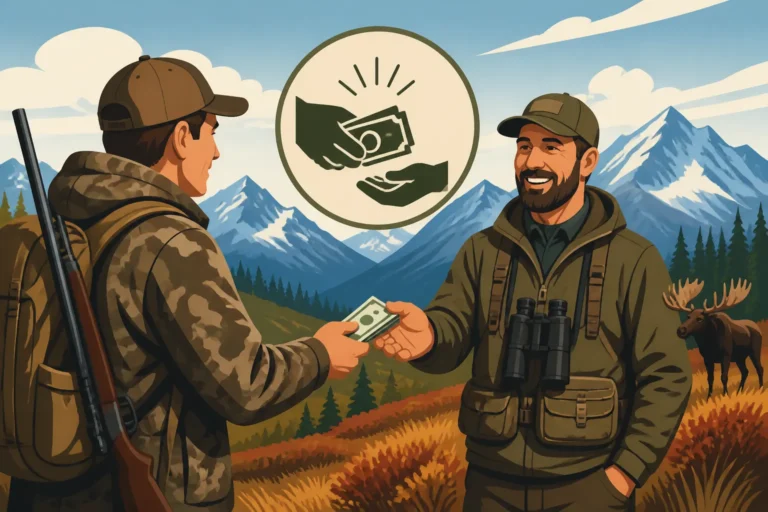
Tipping culture in the hunting world, especially for guided trips, is a common practice and a significant part of a packer's income. Just as you would consider Tipping an Alaska Guide and What Is Customary, packers are also deserving of a gratuity that reflects their hard work, dedication, and the invaluable service they provide. While specific amounts can vary, a general guideline is to consider tipping your packer a percentage of the overall hunt cost, often ranging from 5-10%, or a daily rate.
The best way to determine an appropriate tip is to discuss it discreetly with your guide, or the outfitter beforehand. They can provide insight into typical practices and any established norms. Remember, packers often work for less than guides and endure some of the most grueling physical labor. A generous tip is not just a payment; it's a sincere gesture of appreciation for their efforts, especially when they've gone above and beyond, like handling a difficult Packing a Ram Off a Cliff Face or caring for your trophy in adverse conditions. Present the tip directly to the packer if possible, thanking them personally for their service.
Logistical Support and Safety Considerations
Packers are also vital in the broader logistical framework of an Alaska hunt. They assist with everything from pre-hunt staging to post-hunt breakdown. This might include helping load and unload bush planes, organizing gear at base camp, or preparing supplies for the spike camp. Their organizational skills are key to ensuring that critical items like food, fuel, and first-aid supplies are accounted for and transported safely.
When planning your hunt, consider the impact on the packer. For instance, in terms of Backpack Hunting in Alaska: Gear Weight and Meat Loads, a packer will manage the overall load, but having lightweight, durable gear from your end makes their job easier and safer. Safety is always paramount, and packers are often trained in backcountry first aid and bear safety protocols. They understand the nuances of Alpine Navigation Without Cell Service and often carry satellite communication devices. Being aware of your surroundings, following their lead in dangerous terrain, and maintaining clear communication about your own well-being are ways you contribute to the overall safety of the team. Remember, their job is also to get you, and the trophy, out safely.
Disclaimer
This article is for general informational purposes only and does not constitute professional advice. Laws, prices and regulations vary by location and change over time. Consult a qualified professional for guidance on your specific situation.