Tipping an Alaska Guide and What Is Customary
Alright, let's talk about something that makes even the most seasoned hunters a little antsy: tipping your guide after an Alaska hunt. You've just poured a significant amount of time, money, and personal grit into an epic adventure, and now there's this unspoken expectation of a tip on top of it all. It can feel like navigating a hidden trail with no map, but trust me, understanding the etiquette here is crucial for a smooth and respectful departure from camp. This guide will walk you through the ins and outs of tipping, from figuring out the right amount to knowing when and how to present it.
Why Tipping Your Alaska Guide Is Customary, Not Optional
The idea of tipping, especially for a service that already costs a substantial sum, can feel a bit odd to some. However, in the world of guided hunting in Alaska, a tip isn't just a bonus; it's a deeply ingrained custom, an acknowledgement of the incredible effort, expertise, and often grueling work your guide and their crew put in. It's not unlike tipping a waiter or a fishing charter captain, but with much higher stakes and longer hours.
The Guide's Investment and Effort
Think about what goes into a guided hunt. Your guide isn't just showing up for a few days. They've likely spent weeks, if not months, scouting the area, preparing camps, maintaining gear, and securing the necessary permits and concessions. Then, during the hunt itself, they are constantly working: reading the landscape, making critical decisions about stalks, ensuring your safety in bear country, cooking, cleaning, and sometimes even boosting morale when things get tough. A guided hunt is a full-time, intense commitment, and the guide's income often heavily relies on these seasonal tips. It's part of the financial ecosystem of these remote operations.
Consider a scenario: you're on a Spot-and-Stalk Dall Sheep Hunting Above Alaska Timberline hunt, hiking miles a day in unforgiving terrain. Your guide isn't just pointing out sheep; they're carrying a significant portion of the shared gear, making sure you don't step on loose shale, constantly glassing, and strategizing every move. Even if a legal ram isn't found, the physical and mental exertion from the guide is immense. That effort, dedication, and knowledge are what you're primarily tipping for, not just the animal itself.
Showing Appreciation Beyond the Contract
Your guide contract covers the operational costs, the guide's baseline income, and the use of their equipment and expertise. The tip is your personal expression of gratitude for the exceptional service, the care they took with your safety, the quality of the camp experience, and the memories created. It acknowledges that they went above and beyond, or simply performed their demanding job at a high level. Neglecting to tip, or tipping poorly for good service, can leave a sour taste and impact the guide's reputation, as this community is often quite small and word travels fast.
It’s worth noting that if you're booking through a large outfitter, or utilizing a service like BookYourHunt to find potential guides, the guide's compensation structure might be split in various ways. Sometimes the guide receives a percentage of the hunt cost, but often, the bulk of their individual income comes directly from tips. Asking about this beforehand with potential guides during your Questions to Ask an Alaska Guide Before Booking can provide some clarity, though most guides will defer to general expectations rather than stating a required amount.
Factors Influencing Your Tip Amount
Deciding on the "right" tip can feel subjective, but several factors generally come into play. It's not a one-size-fits-all situation, and being mindful of these considerations will help you arrive at a fair and appropriate amount.
Guide Performance and Effort
This is arguably the most significant factor. Did your guide work tirelessly? Were they knowledgeable, patient, and good company? Did they prioritize your safety above all else? Even if you didn't harvest an animal, if your guide put in 110%, hunted hard from dawn till dusk, and created a memorable experience, that deserves strong recognition. Conversely, if a guide was unprofessional, clearly didn't put in the effort, or compromised your safety, that's a different story.
Imagine a Float Hunting Alaska Rivers for Moose and Caribou trip where high water made finding a bull incredibly difficult. Your guide navigated treacherous rapids safely, cooked fantastic meals over a fire, kept camp morale high despite the rain, and rowed miles every day, calling constantly. Even if no moose was taken, the sheer effort and skill involved in keeping the expedition safe, enjoyable, and continually striving for success is deserving of a generous tip. They were doing their job, and doing it well, even in the face of adversity.
Hunt Success (or Lack Thereof)
While success (harvesting an animal) is often the hoped-for outcome, it shouldn't be the sole determinant of a tip. A good guide can't control the weather, animal migration, or a client's shooting ability. However, if a guide successfully put you on a legal animal, and the recovery and meat care were handled expertly, it’s certainly a factor that leans towards a higher tip.
For example, on a brown bear hunt, where the stakes are incredibly high and opportunities can be rare, a guide who navigates dangerous terrain, gets you within range of a true trophy, and then ensures the Cape and Skull Care for a Brown Bear Hide is meticulous, has provided an exceptional service. This level of success, combined with their expertise, often warrants a tip at the higher end of the customary range. But remember, a true professional prioritizes the quality of the hunt and your experience regardless of whether a bullet flies true or not.
Type of Hunt and Species
Different hunts demand different levels of physical exertion and specialized knowledge. A backpack sheep hunt, like a Backpack Hunting in Alaska: Gear Weight and Meat Loads expedition, is far more physically demanding for both client and guide than, say, a comfortable lodge-based moose hunt with ATV access. Hunts for dangerous game, like brown bear, carry inherent risks that require an even higher level of guide vigilance and skill. Expect to tip more generously for these more arduous or high-risk endeavors.
Consider the physical toll of a Booking an Alaska Sheep Hunt With a Guide. These hunts are brutal, involving relentless climbing and often carrying heavy loads. The guide isn't just leading; they're often spotting game with uncanny skill, setting up spike camps in exposed areas, and ensuring you're safe on steep slopes. The sustained physical and mental effort on such a hunt typically merits a higher tip proportion compared to a less physically demanding hunt, even if both are successful.
Duration and Cost of the Hunt
The longer the hunt, and the higher the overall cost of the trip, generally means a larger total tip amount. A ten-day brown bear hunt costing a premium will naturally involve a larger tip than a three-day black bear hunt. While a percentage (discussed next) helps scale this, it's also about the sustained effort over many days. The overall expense of the hunt, including what you've seen others pay when researching on platforms like GoHunt, can also help inform your expectations.
| Factor | Influence on Tip | Considerations |
|---|---|---|
| Guide Effort & Professionalism | High | Did they work hard, stay positive, prioritize safety, go above and beyond? |
| Hunt Success | Moderate to High | While not the only factor, harvesting a quality animal often increases the tip. |
| Camp Experience | Moderate | Quality of food, comfort, cleanliness, camaraderie. |
| Species/Hunt Type | High | More physically demanding or dangerous hunts (sheep, brown bear) often warrant higher tips. |
| Duration of Hunt | High | Longer hunts mean sustained effort over more days; overall cost scales. |
| Crew Size | Distributive | If there's a packer, cook, or assistant guide, allocate part of the tip to them. |
| Unexpected Challenges | High (if handled well) | How did the guide react to bad weather, lost gear, or difficult animal behavior? |
How to Calculate and Deliver Your Tip
Now for the nuts and bolts: how much to actually give, and how to do it gracefully. There isn't one universal rule, but there are generally accepted ranges and methods.
Typical Tipping Percentages and Ranges
Most hunters base their tip on a percentage of the hunt's base cost (excluding licenses, tags, airfare, or taxidermy). Common ranges for a guide in Alaska are anywhere from 10% to 20%.
- 10-15%: This is generally considered a solid, appreciative tip for a good guide who performed their duties well and provided a safe, enjoyable experience, especially if the hunt was challenging or unsuccessful despite their best efforts.
- 15-20%: This range is for exceptional service, a particularly hard-working guide, or a successful hunt where the guide truly went above and beyond to make it happen and handled every aspect flawlessly, from the initial stalk to Quartering a Bull Moose Alone in the Field.
- Above 20%: Reserved for truly extraordinary experiences, once-in-a-lifetime hunts with unparalleled service, or perhaps a guide who pulled off a miracle under incredibly difficult circumstances.
Let's consider a scenario: you've booked an Alaska moose hunt, and the quoted price for the guided portion is, let's say, in the medium range. If your guide was tireless, called in a massive bull, and then meticulously helped you with Meat Care in 50-Degree September Weather, a tip at the higher end of the 15-20% range would be extremely well-deserved. If, however, the hunt was tough, the weather was horrendous, and you didn't get a shot, but your guide still hunted hard every day, kept your spirits up, and ensured your safety, a tip around 10-15% would still be a strong sign of appreciation for their effort.
Don't Forget the Support Crew
Often, guides don't operate alone. On many hunts, particularly those involving heavy loads or extensive camp duties, you might have assistant guides, packers, or cooks. These individuals work incredibly hard behind the scenes (and sometimes right alongside you on the mountain) to make your hunt possible and comfortable.
It’s customary to tip these individuals separately, or provide a lump sum to the lead guide to distribute among the crew. If tipping separately, a good guideline is a few hundred dollars per support crew member for an average-length hunt, depending on their role and the intensity of their work. For instance, a packer on a strenuous sheep hunt who carried heavy loads and endured tough conditions is certainly worthy of a significant tip. You'll often find specific guidance on Packer Tips on a Sheep Hunt that can help you plan for this. Always ask your lead guide if there's a crew and how they prefer the tips to be distributed.
When and How to Deliver the Tip
The best time to deliver the tip is typically at the very end of the hunt, just before you depart camp or when you return to the outfitter's base. This allows you to fully assess the entire experience.
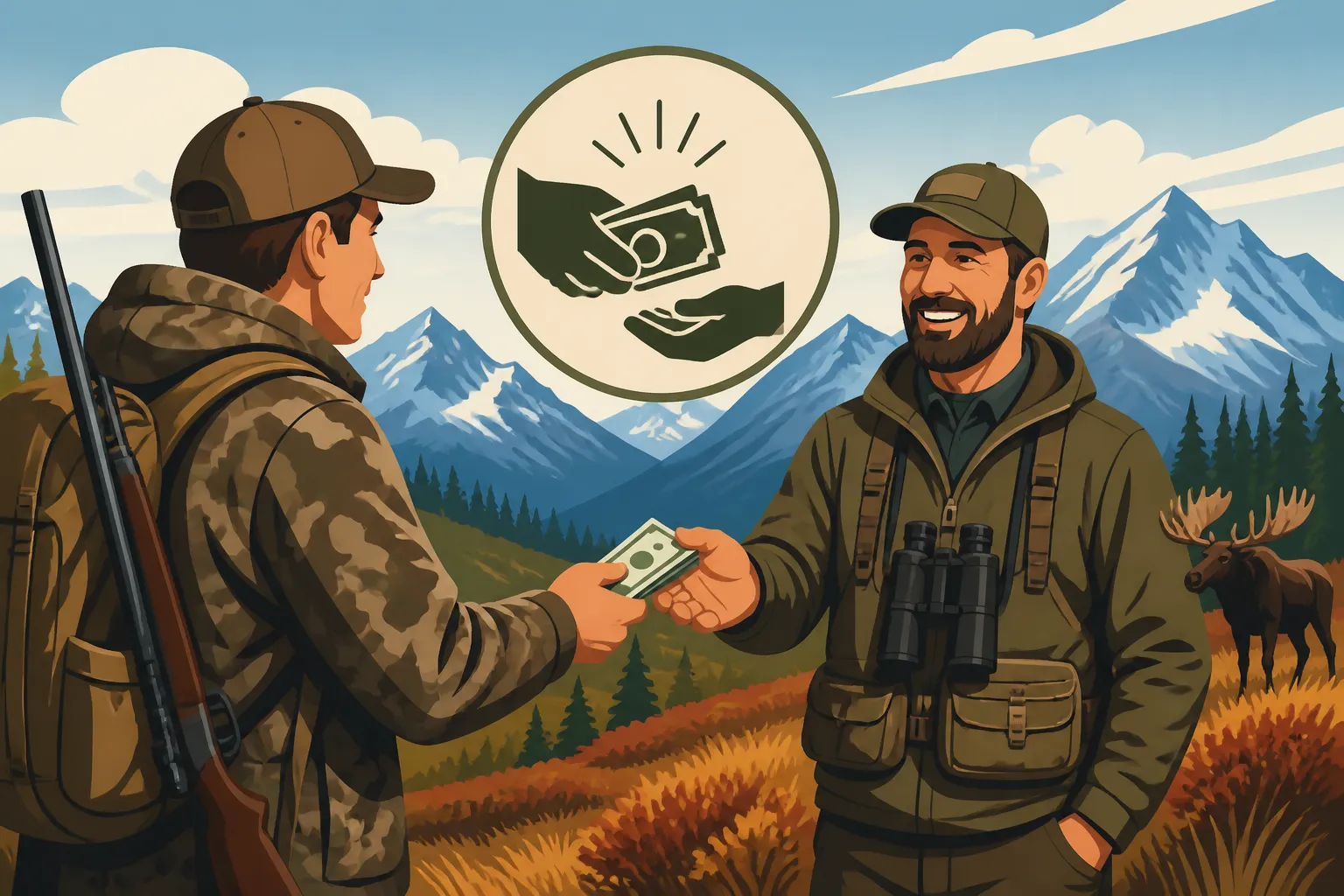
- Cash is King: Cash is almost always preferred. It’s discreet, immediately accessible to the guide, and avoids any processing fees or delays associated with checks or digital payments. Make sure you have the cash in denominations that are easy to give. Many hunters prepare separate envelopes for the guide and any specific crew members.
- Discreetly and Personally: Hand the tip directly to your lead guide, ideally in private, with a heartfelt thank you. A personal conversation, acknowledging their specific efforts or highlights of the hunt, goes a long way. If there's a crew, you can hand separate envelopes to each, or give the total amount for the crew to the lead guide, trusting them to distribute it fairly.
- Don't Feel Pressured: While tipping is customary, it should still feel like a genuine gesture. If you truly had a poor experience due to guide negligence or unprofessionalism, you are not obligated to tip at the customary rate. In such rare instances, have a respectful conversation with the guide or outfitter about your concerns.
Many hunters use hunt consultants or online platforms like BookYourHunt when planning their expeditions. While these services help connect hunters with guides, the tipping aspect remains largely a direct transaction between you and the guiding team. It’s always best to prepare your tip in advance, ensuring you have the necessary cash before heading into the bush, as ATMs are scarce in remote Alaska!
Beyond the Money: Other Ways to Show Gratitude
While financial compensation is the primary way to tip, there are other meaningful ways to show your appreciation that can leave a lasting positive impression.
Positive Reviews and Referrals
A great guide thrives on word-of-mouth and a strong reputation. If you had an excellent experience, take the time to write a detailed, positive review on their website, social media, or any hunting forums you frequent. Better yet, actively refer friends and fellow hunters to them. A new booking for a guide is often worth more than any single tip, and a sincere recommendation means the world. When you're researching potential guides yourself, you likely lean heavily on these reviews, so pay it forward.
For example, after your Fly-In Hunting: Working With an Alaska Transporter Pilot and guide experience, leaving a review that praises their professionalism, their safe flying practices, and their successful navigation of the wilderness can be incredibly impactful for their business. Mention specific instances where they shone.
Good Gear and Small Gifts
Sometimes, a piece of quality gear that you used and found invaluable, and which your guide admired, can be a thoughtful additional gift. Perhaps a high-quality headlamp, a durable set of gloves, or a piece of specialized field equipment. Don't feel obligated, but if the moment feels right and you have something genuinely useful to offer, it can be a nice gesture. Also, leaving behind any unused, non-perishable food, fuel, or camp supplies can be a huge help to a guide who is constantly resupplying remote camps.
This isn't about expensive trinkets, but practical items that truly assist in the harsh Alaska environment. A quality pair of wool socks, a durable knife, or even a good book for downtime in camp can show you were thinking of their well-being and working conditions beyond just the hunt.
Photos and Stories
Share your best photos from the hunt with your guide. They often don't get many opportunities to capture images themselves. High-quality photos of the landscape, the camp, and especially the harvested animal (with the guide in the picture!) are invaluable for their marketing and personal memories. A follow-up email with a selection of your favorite shots, perhaps even a narrative of your hunt experience, can be a cherished gift. Many guides love to see how their clients remember the adventure, and it fosters a continued connection.
It's a small detail, but a great photograph of the Alaska-Yukon Moose Body Size and Antler Spread after a successful hunt, with both you and your guide grinning, can become a cornerstone of their portfolio and a lasting memory for them. This gesture solidifies the bond forged in the wilderness.
Tipping in Alaska's hunting world is more than just a transaction; it's a handshake of respect, a recognition of hard work, and a crucial part of the shared experience. By understanding the customary practices and being prepared, you can ensure your incredible Alaskan adventure ends on a positive and appreciative note for everyone involved.
Disclaimer
This article is for general informational purposes only and does not constitute professional advice. Laws, prices and regulations vary by location and change over time. Consult a qualified professional for guidance on your specific situation.