Second Trip Charges for Meat Hauling
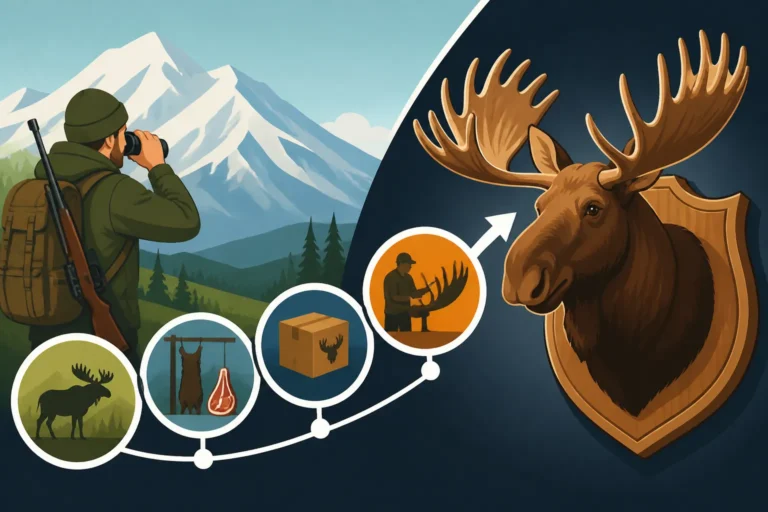
There's nothing quite like the immense satisfaction and utter exhaustion that comes after successfully harvesting a big game animal in Alaska. You've done the hard part: the scouting, the stalk, the shot. But then the real work begins, the part that often catches hunters off guard: getting that animal, all of it, out of the remote Alaskan backcountry. For many, especially those pursuing a massive bull moose or a hefty brown bear, this logistical challenge frequently leads to an unavoidable reality: second trip charges for meat hauling. This guide is here to walk you through why these extra flights happen, what they might cost you, and how you can best plan for them.
Understanding Why Second Trips Happen
You might imagine that once your bush plane drops you off, it's a one-and-done deal until pickup. And for many hunts, particularly for smaller game or when you pack light and get lucky with a modest animal, that's true. But when you connect with a truly large animal in Alaska, the sheer volume and weight of the meat, hide, and antlers can quickly exceed what a single aircraft, already carrying your gear and you, can safely or legally transport in one go.
Overweight Loads and Aircraft Capacity
Alaskan bush planes, while legendary for their ruggedness and ability to get into tight spots, operate under very strict weight limitations. Aircraft like a Super Cub or even a larger Cessna 185 or 206 have a finite payload capacity, which includes everything: fuel, the pilot, your gear, and any game you might take. When you're dreaming of a 60-inch moose, remember that the average bull moose can yield 500-800 pounds of boned-out meat, plus a heavy hide and massive antlers. That’s an incredible amount of weight.
Pilots are legally and ethically bound by these limits. Pushing an aircraft past its maximum gross weight is not only dangerous but illegal. What might seem like a small amount of extra gear to you can make a huge difference to a pilot calculating fuel burn, takeoff distance, and flight stability, especially from a short, unimproved gravel bar or a tight lake. A pilot has to consider the density altitude on a warm day, the length of the runway, and even wind conditions, all of which directly impact the plane's ability to lift weight. Sometimes, even if the plane technically could lift it, safety dictates a lighter load. This often means your initial flight in carried you and your primary gear, and a successful harvest will necessitate a return trip for the meat and cape.
Hunter Success Versus Logistics
The moment you stand over a downed bull moose, an enormous sense of accomplishment washes over you. You've just achieved what countless hunters dream of. But almost immediately, that elation is tempered by the daunting task of Quartering a Bull Moose Alone in the Field. You quickly realize the scale of what needs to be moved. A single hunter or even a pair cannot possibly carry out hundreds of pounds of meat, plus a head and cape, from a remote location. This is where your air taxi comes in.
Your original flight plan likely accounted for your body weight, your camp gear, your rifle, and enough fuel for the round trip. It probably did not account for an extra 800 pounds of game. If you've been dropped deep in the Talkeetnas for a sheep hunt, and you get a ram that requires a substantial hide and skull plate, that might mean your gear needs to stay behind on the first meat flight. For a moose or caribou hunt, the bulk is so immense that splitting it over multiple flights becomes almost a certainty. The reality is that the more successful your hunt, especially for large animals, the higher the likelihood of needing a dedicated "meat flight" or two. Don't forget, too, that Alaska has strict Packing Out Meat in Alaska: The Salvage Law Hunters Must Follow rules, meaning you can't just leave edible portions behind to save on weight. Every edible pound needs to come out.
The Financial Reality of Extra Flights
The thought of an extra flight can certainly feel like a punch to the gut after you've already invested so much into your Alaskan adventure. It's a common frustration, and it's why it's so important to understand how these charges accumulate before you're standing over your trophy in the middle of nowhere.
How Air Taxi Pricing Works for Additional Trips
Air taxi services in Alaska generally charge by the hour, or by a predetermined rate for a specific route, often with minimums. When you book your initial drop-off and pick-up, that's usually priced as a round trip. However, when you call for an additional flight to haul out meat or extra gear, that's a completely separate service. This isn't just a simple one-way trip for the pilot; it's a new round trip from their base camp.
This means you'll be paying for what's known as "deadhead" time. The pilot has to fly from their base to your camp (often empty, or with minimal gear), load your meat, and then fly it back. That round trip, even if you're just sending meat, is typically charged at the same rate as if you were on board. So, if your camp is a 45-minute flight from the base, a single meat flight means paying for 90 minutes of flight time, plus any loading/unloading time. This can add significantly to your total costs. It's not uncommon for these extra flights to be a substantial portion of your initial flight cost. For a more general understanding of these costs, check out Estimating Flight Cost From Base to Camp and How Air Taxi Pricing Works in Alaska. Always, always clarify with your transporter exactly how these additional trips are billed.
Budgeting for the Unexpected
When planning an Alaskan hunt, most people budget meticulously for licenses, tags, gear, and the initial air charter. The thought of adding hundreds or even a thousand dollars more for meat flights can be daunting. But it's a critical component of realistic budgeting. Think of it as insurance for success. Many experienced Alaska hunters will build a specific "contingency fund" into their budget, earmarked for potential extra flights, bad weather delays, or other unforeseen expenses.
A good rule of thumb is to factor in at least one or two additional round-trip flight charges for meat, especially if you're targeting moose, brown bear, or multiple caribou. Don't fall into the trap of choosing an air taxi solely based on the lowest initial drop-off and pickup quote without thoroughly understanding their policy on additional flights. A slightly higher initial quote from a transparent operator who clearly lays out these potential costs can save you a huge headache and even more money down the line. Asking about specific Alaska Transporter Drop Camp Package Price Range and Extra Charges for Overweight Gear during your initial booking conversations is paramount. It's a frustrating but unavoidable aspect of hunting massive animals in remote Alaska. Some air taxi operators, or online services like BookYourHunt or GoHunt, might offer more detailed breakdowns of what to expect, helping you compare options with better transparency.
Minimizing the Need for Extra Meat Flights
While sometimes unavoidable, there are definite strategies you can employ to reduce the chances of needing multiple meat flights, or at least to manage the cost more effectively.
Proactive Planning with Your Transporter
The best defense is a good offense, and in this case, it means clear, upfront communication with your air taxi operator. Before you even book, have an honest conversation about your target animal, your anticipated success, and the maximum amount of meat/trophy you expect to haul. Ask directly about their policy on extra meat flights:
- What is the per-hour or per-trip charge for additional flights?
- What are the typical weight limits for their aircraft, considering your gear load?
- Do they offer any "package deals" that include a certain amount of meat hauling?
- What's their availability for quick turnaround on meat flights, especially during peak season?
Some transporters might even suggest a specific type of aircraft if they know you're targeting a large bull moose, even if it costs a bit more upfront. Having this dialogue well in advance will not only prepare you financially but also set realistic expectations for your hunt logistics. Remember, clear communication prevents misunderstandings.
Field Processing and Meat Management
Once you've made your kill, meticulous and efficient field processing can make a significant difference in total weight and bulk.
- Bone-out everything you can: Removing bones from meat can reduce weight by 30-50%. This is the biggest weight-saving measure you can take. While it requires more time and effort in the field, it pays dividends in transport costs. Remember the rules for Alaska Moose Meat Salvage Requirements – some bones must be left attached to specific cuts for identification in certain areas, so know your regulations.
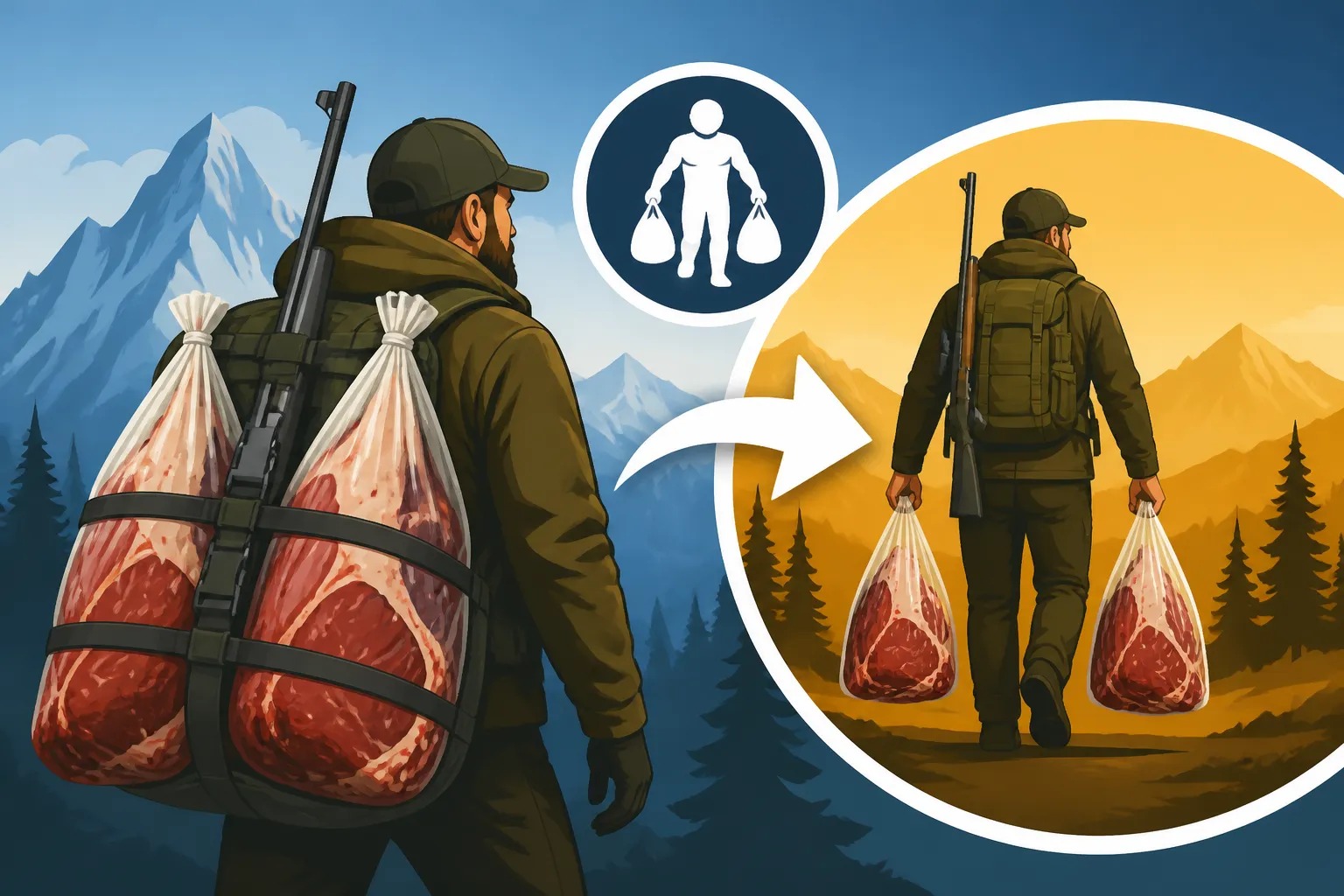
- Reduce bulk: Compress your meat into durable, breathable game bags. Don't just toss it in loose. Removing excess fat and trimming ragged edges also helps.
- Cool and protect: Proper meat care is critical, especially when waiting for a second pickup. Hang meat in the shade, off the ground, and use breathable game bags to allow air circulation. In warm September weather, this is paramount to prevent spoilage. Read up on Hanging Meat in Warm September Weather and Meat Care in 50-Degree September Weather to ensure your hard-earned meat doesn't go to waste while you await pickup.
- Antler considerations: For moose, antlers are often the bulkiest part. Discuss with your air taxi if they have specific requirements or suggestions for transporting antlers. Sometimes they can be strapped externally to certain planes, but this needs to be pre-arranged.
Group Size and Shared Resources
If you're hunting with a partner or a group, this can be a huge advantage in mitigating extra flight costs.
- Distribute weight: With two hunters, you can spread the gear load more evenly. If one hunter gets an animal, the other hunter's space might be used for some of the meat.
- Larger aircraft: If you know your group is likely to harvest multiple large animals, consider chartering a larger aircraft, such as a DeHavilland Beaver or a Cessna Caravan, from the outset. While more expensive upfront, these planes have significantly higher payload capacities and might be able to handle multiple animals in one or two trips, saving you money compared to several small plane flights. Many air taxis that advertise Alaska Transporter Drop Camp Package Price Range might specify a two-hunter minimum precisely for this reason – it optimizes their payload and your costs.
- Shared costs: If an extra flight is needed, the cost can be split among the hunting party, making it less painful for any individual.
What to Expect When Arranging a Second Trip
Even with the best planning, sometimes a second, or even a third, trip is simply unavoidable. When that moment comes, here's what to expect and how to handle it.
Communication is Key from the Field
Modern satellite communication devices like Garmin inReach or an Iridium satellite phone are not just for emergencies; they are absolutely vital for logistics in the Alaskan bush. Once you have an animal down and processed, immediately contact your air taxi.
- Be clear and concise: Provide your exact location (GPS coordinates), the species and estimated weight of the meat, and any critical details like meat condition or immediate weather concerns at your camp.
- Be flexible: Understand that weather can change in an instant in Alaska. Your pilot might not be able to fly immediately due to fog, high winds, or low visibility. Also, you might not be their only client needing a pickup. They’ll fit you in as soon as safely possible. Having a solid Signal Devices and Check-In Plans for Solo Alaska Hunts is crucial for these situations.
- Confirm costs: Double-check the cost of the additional flight so there are no surprises when you get back to civilization.
The ability to communicate effectively and clearly from the field is your most important tool in arranging a smooth meat pickup.
The Trade-Offs: Cost, Time, and Meat Quality
Waiting for a meat flight is a stressful time. You've got delicious, valuable game meat on the ground, and the clock is ticking, especially if the weather is warm.
- Cost vs. spoilage: You'll have to weigh the financial hit of an extra flight against the very real risk of your meat spoiling if left out too long. In most cases, the meat is worth the additional cost.
- Time: Waiting adds days to your hunt. This means more food, more fuel, and more time spent in camp rather than enjoying the wilderness or heading home. This is especially relevant if you are working with Pickup Windows and Late Pickups. Sometimes, Weather Days and Who Pays for Them can further complicate the timeline and add to your overall expenses.
- Stress: The constant worry about weather, pilot availability, and the condition of your meat can significantly detract from the overall enjoyment of a successful hunt. However, knowing you've planned for it, communicated effectively, and done everything possible to preserve your meat will help.
| Factor Leading to Second Trip | Mitigation Strategy | Impact on Hunt |
|---|---|---|
| Massive Animal Harvested | Bone out meat, carry less gear in, use larger plane | Saves weight/space, reduces number of trips |
| Overweight Initial Load | Prioritize gear, shed non-essentials, pack efficiently | Ensures initial flight is safe, leaves room for meat |
| Strict Aircraft Limits | Discuss capacity with air taxi, inquire about larger planes | Aligns expectations with reality, potential for fewer trips |
| Weather Delays | Build contingency days into schedule, have good comms | Reduces stress, allows flexibility for pickups |
| Unforeseen Circumstances | Budget for extra flights, communicate early and clearly | Financial preparedness, quicker resolution |
Ultimately, second trip charges for meat hauling are a common and often necessary part of hunting Alaska's big game. With realistic expectations, thorough planning, and clear communication with your air taxi, you can navigate this logistical hurdle and ensure your hard-earned trophy makes it home.
Disclaimer
This article is for general informational purposes only and does not constitute professional advice. Laws, prices and regulations vary by location and change over time. Consult a qualified professional for guidance on your specific situation.