Extra Charges for Overweight Gear
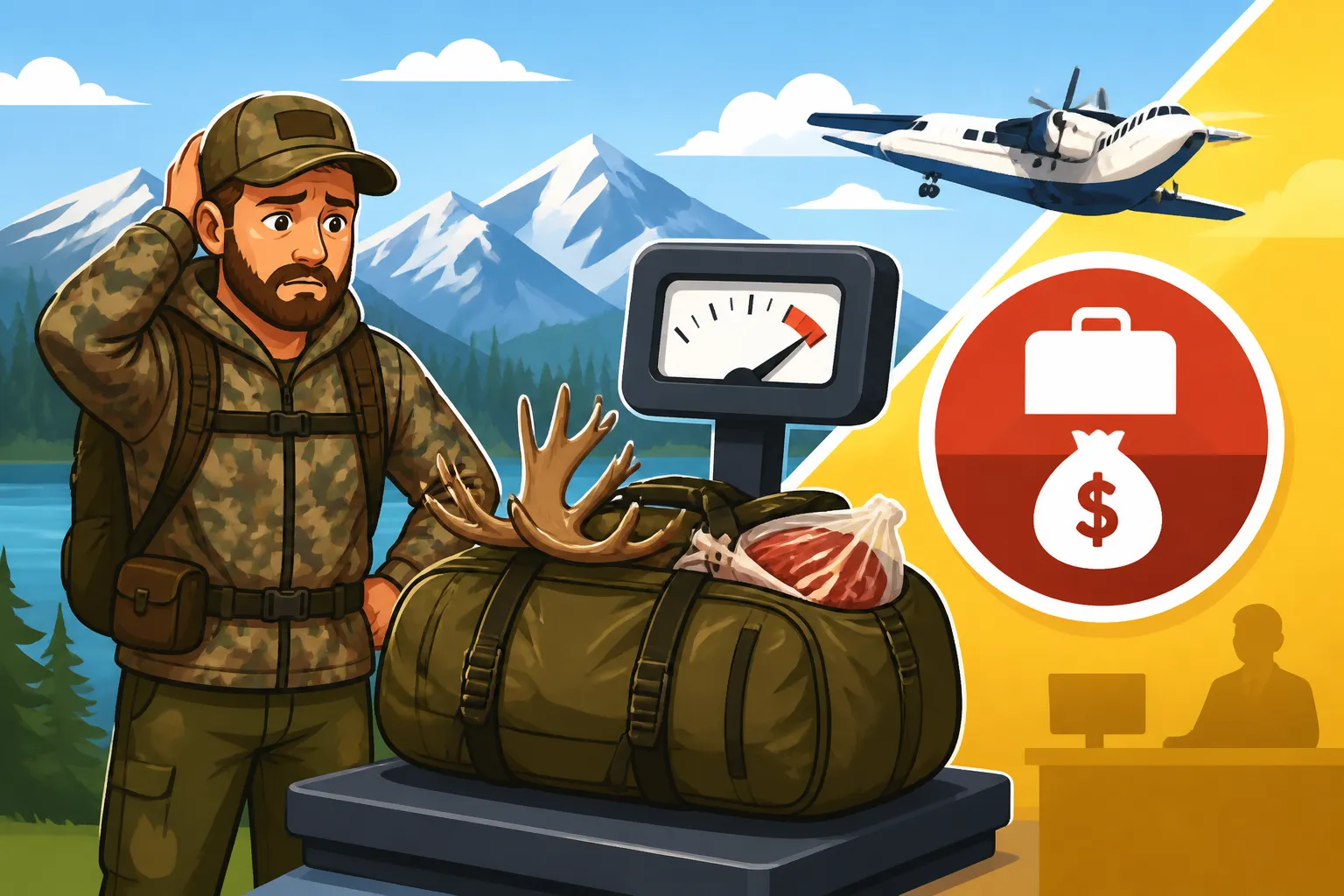
You've packed your bags, your tags are in order, and the excitement for your Alaska hunting adventure is building. Then, the inevitable moment arrives: the weigh-in at the air taxi office. For many hunters, this is where a subtle dread creeps in, because those extra pounds you didn't think twice about can suddenly add up to unexpected, and often hefty, charges for overweight gear. It's a frustrating reality that can throw off even the most carefully planned budget, leaving you scrambling or sacrificing essential items. This guide will walk you through why those weight limits are so critical, what gear typically pushes you over the edge, and practical strategies to avoid those dreaded extra charges on your Alaska bush flight.
The Reality of Weight Limits on Alaska Bush Flights
When you're headed into the remote wilderness of Alaska, bush planes aren't just a convenience; they're your lifeline. Whether it's a nimble Super Cub buzzing you into a mountain strip or a workhorse Beaver splashing down on a lake, these aircraft operate under strict limitations, and understanding why is key to avoiding those unexpected fees.
Why Every Ounce Counts
It's easy to think, "What's an extra twenty pounds of jerky or another pair of boots?" But in the world of bush flying, every single ounce has significant implications for safety and performance. These small planes are designed to operate from incredibly short, unimproved landing strips or small lakes, often in unpredictable weather and rugged terrain. The weight they carry directly impacts their ability to take off, climb over mountain passes, and land safely, especially with a load of fuel and passengers.
Consider a hot day, or flying at higher altitudes in the Alaska Range: the air is thinner, providing less lift for the wings and less power for the engine. An overloaded plane in these conditions might struggle to get airborne, or worse, fail to clear an obstacle at the end of a short runway. Pilots are constantly calculating factors like outside air temperature, elevation, runway length, and wind, all of which dictate the maximum safe weight they can carry. Pushing those limits isn't just a matter of regulations; it's a matter of life and death, both for the pilot and for you. This is why air taxi operators are so stringent about weight; they're prioritizing safety above all else. You can read more about what's allowed in the air in Alaska's Same-Day-Airborne Rule and What It Bans.
How Air Taxis Set Their Limits
Air taxi operators don't just pull weight limits out of thin air; they're bound by the specific certification of their aircraft and the conditions of the flight. Different planes have vastly different payload capacities. A single-engine, two-seater Super Cub, for example, might only carry a couple hundred pounds of gear in addition to the pilot and one passenger. If you're planning a trip into the backcountry with a single pilot, understanding Weight Limits on a Super Cub Drop is critical.
On the other end of the spectrum, larger aircraft like a De Havilland Beaver or a Cessna Caravan can carry significantly more. A Beaver, often configured for floats, can typically accommodate three to four passengers and hundreds of pounds of gear, while a Caravan might take even more people and over a thousand pounds of cargo. However, even these larger planes have limits, especially when factoring in fuel for a long flight. The farther the flight, the more fuel is needed, which directly reduces the available payload for hunters and their gear. This is why your air taxi service will always ask about your party size, the duration of your trip, and your intended destination—all of these variables affect the calculations for a safe and legal load.
Common Culprits: Where Hunters Go Overweight
It's rarely one single item that pushes a hunter over the edge. More often, it's the accumulation of seemingly small things that, when combined, create a significant weight problem. Identifying these common culprits can help you be more mindful during your packing process.
Gear You Might Underestimate
We've all been there: adding "just one more" item to the duffel. But in Alaska, those additions can quickly multiply. One of the biggest offenders is often food. While freeze-dried meals are lightweight, if you're planning a longer hunt, say 10-14 days, the sheer volume of meals, snacks, coffee, and condiments adds up. Bringing too much fresh food or canned goods is almost a guaranteed way to hit overweight status.
Beyond food, consider your shelter system. A heavy canvas tent or a large, multi-room setup, while comfortable, can be exceptionally heavy. Modern lightweight tents and sleeping bags are often worth the investment specifically for bush plane travel. Even items like extra pairs of boots, too many changes of clothes (especially if they're cotton or heavy flannel), a large propane stove with multiple fuel bottles, or excessive camera equipment can secretly inflate your total weight. When selecting gear, think about multi-use items and prioritize lightweight, packable options, especially for longer hunts where every ounce matters. You might find some excellent ideas for cutting down weight in Backpack Hunting in Alaska: Gear Weight and Meat Loads.
The Meat and Trophy Dilemma
This is perhaps the most significant and often overlooked factor in extra weight charges: success. You plan for the gear you take in, but what about the incredible weight you might bring out? A successful moose hunt is a prime example. A mature bull moose can yield anywhere from 500 to over 800 pounds of boned-out meat, plus a substantial hide and antlers. That's a massive amount of weight that almost always requires a separate flight, or even multiple extra flights, beyond your initial drop-off and pickup.
Even smaller animals add considerable weight. A Dall sheep hide and skull plate, while not as heavy as a moose, still add 30-50 pounds. A brown bear hide and skull can easily be 100-200 pounds or more, especially if it’s a big coastal bear. Caribou and Sitka blacktail deer also add significant poundage. These are not "extra charges" in the sense of a penalty, but rather a necessary additional service for which you will absolutely pay. It's crucial to factor these potential costs into your budget from the very beginning. Many hunters underestimate this cost, leading to sticker shock when it's time to haul their hard-earned trophy and meat out of the bush. For a realistic view of how much meat to expect, refer to articles like Quartering a Bull Moose Alone in the Field and remember that Packing Out Meat in Alaska: The Salvage Law Hunters Must Follow means you'll want to take all the legal edible meat.
Navigating Extra Charges: What to Expect and How to Mitigate Them
No one likes unexpected expenses, especially when they're tied to something as hard-earned as an Alaska hunting trip. Understanding how air taxis charge for overweight gear and actively working to reduce your load are your best defenses.
Understanding the Fee Structure
Air taxi operators typically have a clear system for charging excess weight. This often takes one of two forms, or a combination:
- Per-Pound Rate: Many transporters charge a set rate per pound for any weight exceeding your agreed-upon allowance. This rate can vary significantly depending on the air taxi, the type of aircraft, and the remoteness of your drop-off. If you're just a few pounds over, this might be manageable, but it adds up quickly.
- Additional Flight Charges: For significantly overweight loads, especially when you factor in a successful harvest, a per-pound rate might not even be an option. The pilot simply cannot safely take all the weight in one go. In this scenario, you'll be paying for an entirely separate flight, often at the full hourly rate for the plane, including what's called "deadhead" time – the time the plane flies without you or your gear, just to get back to base or reposition. This is where the costs can really escalate. If your meat cache is miles from the main strip, the pilot might need to make multiple short shuttles before returning to base.
It’s important to clarify these details upfront. Some outfitters, especially those offering fully guided hunts you might find through resources like BookYourHunt, will include a generous weight allowance in their overall package price, sometimes even including the cost of flying out a standard trophy and meat. However, for most transporter drop camps, you are responsible for all additional flight costs beyond the initial agreed-upon payload. It's always best to ask for a clear breakdown of potential extra fees. For more insight into these costs, look into Alaska Transporter Drop Camp Package Price Range and Estimating Flight Cost From Base to Camp.
Strategies for Minimizing Your Load
The best way to avoid extra charges is to be ruthlessly efficient with your packing. This isn't just about saving money; it's about making your pilot's job easier and safer.
- Go Lightweight, Always: Invest in quality, lightweight gear for your tent, sleeping bag, backpack, and cooking system. Every ounce saved on these core items frees up weight for necessities or even a few creature comforts.
- Share What You Can: If you're hunting with a partner, coordinate your gear. Do you both need a full cooking kit? Can you share a larger, lightweight tent? Pool your resources for things like first-aid kits, repair items, and satellite communication devices.
- Repackage Everything: Ditch unnecessary packaging. Take food out of cardboard boxes. Consolidate toiletries into small, travel-sized containers. Remove scope caps and rifle slings from your rifle case before the weigh-in if they can be easily reattached at camp.
- Food Planning is Crucial: Be realistic about your caloric needs, but don't overpack. Plan meals that are calorie-dense and lightweight. Focus on dehydrated options, energy bars, and nuts. Avoid canned goods, glass bottles, and excess fresh produce. Consider how much camp meat you might acquire, reducing the need for packed-in food later in the hunt. For instance, ptarmigan or grouse can be excellent camp meat, as discussed in Waterfowl and Ptarmigan as Camp Meat.
- Rent Gear Locally: Many air taxis or sporting goods stores in Alaska offer rentals for bulky items like bear fences, certain tents, or even fuel. This can save significant weight and hassle on your inbound flight. Check out options like Tent and Stove Rentals From an Alaska Transporter.
- Wear Your Heaviest Items: Don't pack your heavy hiking boots or your thickest jacket. Wear them on the plane! This keeps their weight off the scale.
- Consider a Second Trip for Meat: If you anticipate a successful hunt, mentally and financially prepare for a separate meat flight. Discuss this possibility with your transporter beforehand. Sometimes, building in a few extra days to your schedule, as outlined in Building Extra Days Into a Fly-In Schedule, can allow for more flexibility with weather and meat pickup.
Communicating with Your Transporter or Guide
Open and honest communication is paramount. Before you even book your flight or finalize details with your guide, have a frank discussion about weight limits. Don't try to hide gear or sneak extra pounds onto the scale; it's disrespectful to your pilot and potentially dangerous.
When you're researching potential transporters or outfitters, whether through platforms like BookYourHunt or detailed planning sites like GoHunt, make sure to ask specific questions:
- "What is the exact weight allowance per person for our flight?"
- "What is the per-pound charge for overweight gear?"
- "If we harvest a moose, what's the typical cost for a meat flight back to base?"
- "Are there options to rent certain gear items from you or locally?"
- "Can we split our gear into multiple loads if necessary, and what would be the cost implication?"
Get these answers in writing if possible. A reputable air taxi or guide will be transparent about their policies. If they seem vague or dismissive about weight, it might be a red flag. Being upfront yourself about your anticipated gear load (and the possibility of a heavy trophy) allows them to plan accordingly and gives you a realistic expectation of potential costs. This way, the only surprises you encounter are the good kind – like the sight of a magnificent bull or ram!
Here’s a simple table to help you mentally categorize and minimize your load:
| Category | High Weight Risk Items (Consider alternatives) | Low Weight Risk Items (Prioritize lightweight) | Strategy for Reduction |
|---|---|---|---|
| Shelter | Large canvas tents, heavy tarps | Lightweight backpacking tents, ultralight tarp | Share tents, rent locally, go minimalist |
| Sleeping | Heavy synthetic sleeping bags, thick pads | Down bags, inflatable pads, lightweight pillow | Use compact down, share pads if feasible |
| Cooking | Large propane stoves, multiple fuel bottles, cast iron, canned food | Small canister stoves, dehydrated meals, titanium pots | Share stove, repackage food, avoid heavy liquids |
| Clothing | Excess cotton, multiple heavy jackets/pants | Layered synthetics, merino wool, few changes | Wear heaviest clothes, choose quick-drying fabrics |
| Personal | Large toiletries, books, non-essential gadgets | Travel-sized toiletries, e-reader, small power bank | Consolidate, only bring essentials |
| Hunting Gear | Heavy rifle/ammo, extra optics | Lightweight rifle, essential ammo, binos, spotting scope | Carefully choose rifle caliber like Rifle Calibers for Coastal Brown Bear, optimize ammo count, share optics if possible |
| Food & Water | Canned goods, bottled drinks, fresh produce | Freeze-dried, jerky, protein bars, water filter | Dehydrate, plan precise meals, filter water |
| Harvest | Untrimmed hide, full skull, all bones | Boned-out meat, caped hide, skull plate | Plan for separate meat/trophy flight, learn Cape and Skull Care for a Brown Bear Hide |
Practical Tips for the Weigh-In Day
Even with careful planning, the final weigh-in can be stressful.
- Be Prepared to Cull: Have a mental list of items you're willing to leave behind or ship separately if you're over. This might mean extra snacks, a camp chair, or even a second pair of boots.
- Consolidate: Can two smaller bags become one larger, more efficiently packed bag? Sometimes consolidating reduces bulk even if the weight is the same.
- Listen to Your Pilot: They are the ultimate authority on what can safely go in their plane. Respect their decisions. They have your best interest and safety at heart.
By meticulously planning your gear and budgeting for the inevitable "success" flight, you can ensure your Alaska hunt is an incredible adventure, free from the headache of unexpected overweight charges.
Disclaimer
This article is for general informational purposes only and does not constitute professional advice. Laws, prices and regulations vary by location and change over time. Consult a qualified professional for guidance on your specific situation.