Estimating Flight Cost From Base to Camp
Navigating the wilds of Alaska for a dream hunt often means venturing far beyond the road system, and for most of us, that means relying on an air taxi. But let's be honest, the cost of these bush flights can feel like a complete mystery, a black hole in the hunt budget that swallows your hard-earned money without much explanation. Understanding how these vital services calculate their fees is absolutely crucial to budgeting realistically, preventing frustrating surprises, and ultimately, making that remote adventure a reality. This guide is here to shed light on how air taxi services arrive at their flight costs from their base of operations to your remote camp, empowering you to plan your Alaska hunting trip with a much clearer financial picture.
Understanding the Core Components of Air Taxi Fees
When you first start looking into a fly-in hunt, you'll quickly realize that the cost of getting to and from your remote location isn't just a simple flat fee. There are several moving parts that make up the final bill, and knowing what each part means is key to understanding your quote and avoiding sticker shock. It's not just about the distance; it's about the entire operation.
Hourly Rate Calculation
The bedrock of nearly every air taxi service is an hourly rate for the aircraft. This isn't just a number pulled out of thin air; it's a carefully calculated figure that needs to cover a wide array of expenses. Think about it: that rate has to account for the ever-fluctuating cost of aviation fuel, the extensive maintenance required to keep these specialized aircraft airworthy in challenging conditions, the pilot's highly specialized salary and experience, insurance for both the plane and its passengers, and the depreciation of the aircraft itself. These small planes operate in incredibly demanding environments, meaning every part, every inspection, and every hour of mechanic time is more expensive than you might find for a typical commuter plane.
Many hunters, quite understandably, assume that the hourly rate only kicks in for the actual time they are airborne, flying directly to or from their camp. However, in the world of bush flying, this is rarely the case. Air taxis typically charge for what's known as "block time," which is a more comprehensive measure. This often includes everything from the moment the engine starts, through taxiing, the actual flight, and even engine shut-down at the destination. Some operators might even factor in time spent on the ground actively loading or unloading gear at primitive, remote strips, as this also ties up the aircraft and the pilot's time. Always clarify what "hourly rate" truly encompasses in their billing structure.
The Concept of "Deadhead" or "Ferry Time"
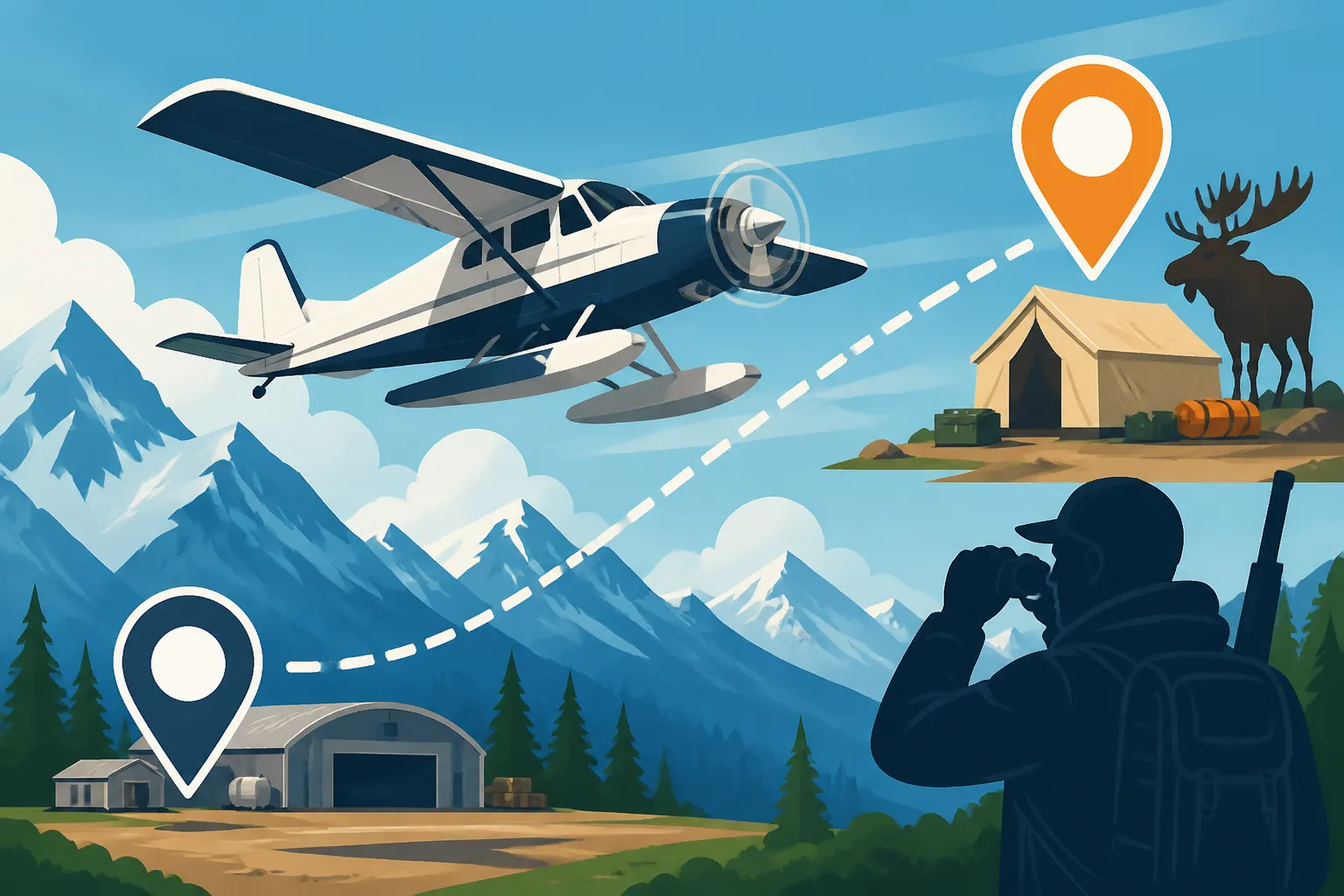
This is often the component of an air taxi bill that catches many hunters by surprise, and it's something you absolutely need to factor into your budget. "Deadhead" or "ferry time" refers to the flight time when the aircraft is flying without paying passengers or cargo. It's the time the plane spends flying empty to reach your pickup point or to return to the air taxi's base after dropping you off. Imagine your hunting camp is tucked away in a remote lake, a two-hour flight from the air taxi's base. If the pilot flies two hours out to drop you, and then has to fly two hours back to base, empty, because there are no other clients flying into that area, you're likely covering the cost of those four "empty" hours in addition to your actual direct flight time. This is a critical detail that can significantly inflate your overall flight expense.
This situation is particularly common if you're chartering a flight for a solo trip or if your chosen hunting area is truly off the beaten path and not a high-traffic destination for the air taxi. The operator needs to cover their costs for all flight hours. So, if the pilot drops you off and doesn't have another immediate pickup or drop-off nearby, that return leg to base, known as the back-haul, will often be billed to you. It's essential to get clarification from your air taxi service on whether deadhead time is explicitly included in their quoted rate or if it's charged as an additional, separate line item. Understanding What Deadhead Time Adds to Your Bill can help prevent any unpleasant financial surprises.
Fixed Versus Variable Costs
Just like any business, air taxi operations have both fixed and variable costs, and understanding the difference helps explain their pricing. Fixed costs are those expenses that remain relatively constant regardless of how many flights they make in a day or week. This includes things like hangar rent, annual pilot salaries, administrative staff wages, and base insurance premiums. These costs are always there, forming the fundamental overhead of running the business.
Variable costs, on the other hand, fluctuate directly with the amount of flying activity. The most obvious variable cost is fuel. In remote Alaska, fuel prices can be notoriously high and volatile due to the logistical challenges of transportation. The more hours a plane flies, the more fuel it burns. The type of aircraft also plays a significant role here. A smaller, more fuel-efficient Super Cub designed for short, rough strips will have different operating costs than a larger Cessna 185 or a DeHavilland Beaver on floats, which can carry much more weight but also burns more fuel and requires more complex, costly maintenance, particularly for its specialized landing gear. This blend of fixed and variable expenses dictates the final hourly rate and, subsequently, your flight cost.
Factors That Drive Up Flight Costs
While the basic hourly rate and deadhead time form the foundation of your air charter bill, several other practical considerations on the ground (and in the air) can significantly escalate the final price. Ignoring these factors in your initial budgeting can lead to unexpected and often substantial additional expenses.
Distance and Remoteness of Your Hunting Camp
It might seem like a no-brainer, but the sheer distance to your chosen hunting area is a primary driver of cost. The further the air taxi has to fly from its base, the more expensive it will be, simply because it means more flight hours. However, it's not always a linear calculation based solely on mileage. A camp located just 50 air miles away but nestled deep within a challenging mountain range, perhaps requiring specialized piloting skills and tricky landing conditions, might end up costing more than a camp 100 miles away that's situated on a well-known, easily accessible gravel bar.
The "remoteness" factor also plays a part beyond just distance. If your desired drop-off point is truly isolated, without other air traffic or nearby clients for the air taxi, the operator might not be able to "stack" flights, meaning they can't minimize deadhead time by combining your trip with others. This means you bear a larger portion of those empty flight legs. If you're looking at hunting areas beyond the established, commonly used flight corridors, be prepared to pay a premium. The pilot might even need to conduct extra scouting flights to assess conditions or use more advanced navigation techniques. Familiarity with potential landing zones, such as River Gravel Bars That Work as Landing Strips or identifying suitable Float Plane Lakes in Interior Alaska, can help you understand the accessibility of an area and gauge its potential cost implications.
Weight, Volume, and Number of Loads
This is where many hunters, especially those new to Alaska bush flying, can run into significant unexpected costs. Bush planes, particularly the smaller, more rugged models like a Super Cub, have very strict weight and balance limitations. These aren't just arbitrary rules; they are critical for safety, fuel efficiency, and the ability to take off and land safely on short, unimproved strips. Every single pound you bring matters. If your combined gear, provisions, and, most importantly, the eventual weight of your meat and cape, exceed the plane's capacity for a single trip, you're looking at needing multiple loads.
Here's a common scenario that can blow a budget: you fly into your camp with your personal gear and food. You're successful and take a large animal, like a moose or a caribou, which can yield hundreds of pounds of bone-in meat, plus the hide and antlers. The air taxi will almost certainly need to make an extra trip, or even two, to haul all that out. Essentially, you're now paying for an additional round trip, complete with its own hourly flight time and deadhead costs. These Second Trip Charges for Meat Hauling are extremely common and can add a substantial amount to your overall bill if not accounted for beforehand. Always discuss potential meat hauling needs with your air taxi operator when getting a quote.
Aircraft Type and Landing Requirements
Not all bush planes are created equal, and the type of aircraft required to access your chosen hunting location will directly impact the cost. A nimble Super Cub on tundra tires might be perfect for reaching tiny, rough strips high in the mountains, but its payload capacity is quite limited. A larger Cessna 206 or 185, while also operating on wheels, offers more payload, making it a better choice for heavier loads or small groups.
However, if your hunting spot necessitates a lake landing, you'll be looking at a float plane, such as a DeHavilland Beaver or a Cessna 185 equipped with floats. These aircraft are specifically designed for water landings and often have higher hourly rates due to increased operating expenses, specialized maintenance requirements for the floats, and often larger fuel consumption. The complexity of the landing site itself can also influence cost; landing on a very short, technically demanding strip requires more pilot skill and can sometimes be reflected in the pricing compared to a landing on a long, well-maintained gravel bar. If you're considering a float hunt, also think about how much gear you need, as items like Raft Size for a Two-Hunter Moose Float could affect the plane's capacity.
Weather Delays and Unforeseen Circumstances
Alaska's weather is famously, and often brutally, unpredictable. You can meticulously plan every single detail of your hunt, but the weather always has the final say. Sudden fog, persistent high winds, torrential rain, or an unexpected early snowfall can ground planes for days, turning a planned five-day hunt into a week-long ordeal. Most air taxis will have a specific clause in their contract addressing weather delays, and it's imperative you understand it. You might be charged for extra days spent in camp waiting for conditions to clear, or for the pilot's time if they are forced to wait at a remote strip to pick you up. This is a crucial point that far too many hunters underestimate. Reading up on Weather Days and Who Pays for Them is not just good advice, it's essential budgeting.
Beyond the direct flight costs, extended stays due to weather delays translate into other expenses. You'll need more food, more fuel for your camp stove, and potentially face missed connections for your return journey home. This contingency should always be built into both your financial budget and your hunt schedule. It’s always a good idea to plan for an extra day or two on either end of your trip as a buffer. In fact, intentionally Building Extra Days Into a Fly-In Schedule is a very smart move for any Alaska bush adventure.
Strategies for Minimizing Your Air Charter Expenses
Given the significant impact air charter costs can have on an Alaska hunt, it makes sense to explore every possible avenue for keeping those expenses in check. A little forethought and strategic planning can go a long way in making a remote hunt more affordable.
Team Up for Group Hunts
One of the most effective and common ways to reduce the individual cost of air taxi services is to organize a group hunt. Air taxi rates are primarily based on flight hours and aircraft capacity, not on the number of passengers (up to the legal limit, of course). This means that splitting the total hourly rate, and especially the deadhead costs, among two, three, or even four hunters can dramatically decrease the per-person expense. Many air taxi operators even structure their "drop camp" packages around a "two-hunter minimum" because it allows them to maximize the plane's load and minimize deadhead costs per client.
When you coordinate a group hunt, you're not just dividing the hourly rate. You're also optimizing the plane's payload capacity. If a single hunter flies in, the plane might only be half full by weight or volume. With two or three hunters, you can maximize that space, potentially reducing the need for multiple trips for gear and especially for meat once an animal is harvested. Careful planning and communication among your hunting partners about shared gear and individual weight limits become absolutely crucial for making this strategy work effectively and keeping Splitting Gear Across Two Air Taxi Loads to a minimum.
Choose More Accessible Hunting Areas
While the romantic allure of the deepest, most untouched wilderness is powerful, selecting a hunting area that is closer to the air taxi's base of operations can shave hundreds, if not thousands, of dollars off your flight bill. Areas situated closer to towns, or those with established, easy-to-access landing strips, will almost invariably be more economical. Less flight time means less hourly cost, and often less deadhead time if the area is frequently visited by the air taxi.
Consider exploring well-known game management units or areas that, while still offering fantastic hunting opportunities, are perhaps less extreme in their remoteness. Some units along major river systems or those with some road system access, even if they still require a short flight, will be considerably cheaper than flying deep into the Brooks Range or the far reaches of the Alaska Peninsula. Resources like GoHunt can be invaluable for researching accessible units and understanding general hunting pressure, helping you balance your desire for wilderness with your budget constraints.
Pack Smart and Light
This piece of advice simply cannot be overstressed for any fly-in Alaska hunt: pack only what is absolutely, unequivocally essential. Every single unnecessary item adds weight, and in the world of bush planes, weight directly translates into dollars. This applies to everything from your personal clothing and gear to your food and camp fuel. Focus on lightweight, multi-purpose items. Consider freeze-dried meals, lightweight technical clothing, and leaving behind anything that isn't critical for survival or success. Many reputable guides and transporters will provide a detailed gear list, and following it closely is a form of financial planning. Reviewing resources like Backpack Hunting in Alaska: Gear Weight and Meat Loads can provide excellent strategies for shedding ounces.
Before your flight, make sure you have a very clear and accurate understanding of your total weight, including all bags, rifles, and any oversized items like hard cases or antlers. Communicate this precisely with your air taxi. They might have specific packing requirements or suggestions to help you consolidate your gear and distribute weight efficiently. Sometimes, paying a small fee for Extra Charges for Overweight Gear for a slightly over-capacity initial load is a far more economical option than requiring an entirely separate flight, which would incur a full round-trip cost.
Clear Communication and Detailed Trip Planning
Assuming anything when booking an air taxi in Alaska is a recipe for frustration and unexpected costs. From your very first inquiry, be as transparent and detailed as possible about your entire hunt plan: the number of hunters, your anticipated total gear weight, the exact location you intend to fly into (GPS coordinates are best), and your desired dates. Always ask for a comprehensive quote that explicitly breaks down all potential costs—the hourly rate, any deadhead time, the protocol and cost for extra loads (especially for meat), and crucially, what their policy is regarding weather delays and who bears the cost for them.
A professional and reliable air taxi service will readily provide a clear, detailed quote and contract. Read every single line carefully. Platforms like BookYourHunt can be helpful in this regard, as they often work with vetted transporters and can facilitate the comprehensive communication needed to get all these critical details upfront. Clarify check-in schedules, expected pickup windows, and what emergency protocols are in place. Having a thorough discussion about all these points upfront, as detailed in guides like Fly-In Hunting: Working With an Alaska Transporter Pilot, will save you immense headaches and potentially significant money down the line.
Deciphering Air Taxi Quotes and Contracts
When you receive an air taxi quote, it can feel like a foreign language, full of jargon and numbers that don't immediately make sense. But taking the time to understand exactly what you're being charged for, and what those charges mean in practical terms, is paramount to a successful and financially sound hunt.
Understanding Quote Terminology
Never simply look at the bottom line of an air taxi quote and assume that's the final price. You need to delve into the terminology used. Look for specific terms like "ferry time," "round trip," "single load," "per hunter," or "per flight hour." A quote that provides just one lump sum like "$X for your drop-off and pickup" might be convenient, but it often hides potential additional costs for deadhead flights, fuel surcharges, or the inevitable meat hauling that will be required later. Always request a detailed breakdown of all potential charges, including any variable fees like fuel surcharges, which can fluctuate with global oil prices.
Some operators might offer a flat rate for a specific route or package. This can offer a sense of security and predictability, but it's vital to confirm precisely what that flat rate includes. Does it cover just your initial drop-off and final pickup? What's the allowance for initial gear weight? What happens if you need an extra trip for meat? If the quote is based on an hourly rate, which is very common, ask the operator for their best estimate of the average total flight time for your specific destination, ensuring that estimate includes any necessary ferry time. This helps you translate that hourly rate into a realistic total.
Questions to Ask Your Air Taxi Operator
Once you have a quote in hand, don't hesitate to ask a barrage of questions. A reputable air taxi operator will welcome your thoroughness. Beyond the direct cost, inquire about their specific experience flying into your chosen hunting area – have they been there before? What kind of aircraft will they typically use for that route, and what are its exact weight and volume limits per load? How do they specifically handle unforeseen delays, whether due to weather or mechanical issues? What is their policy if you are successful and require an extra flight for meat and trophy extraction? Clarify if their rates might change due to fluctuating fuel costs during the season.
Furthermore, it's prudent to inquire about their safety record and their communication protocols. Do they offer satellite phone or inReach check-in services while you're in the field? Who is your emergency contact at their base, and how do they coordinate with emergency services if needed? Understanding their operational procedures and contingency plans will give you valuable peace of mind and allow you to compare services effectively. Don't be shy about asking questions like those found in Signal Devices and Check-In Plans for Solo Alaska Hunts, even if you are not hunting alone. The more information you gather, the better prepared you'll be.
The Importance of a Written Contract
Perhaps the single most critical step in securing your air taxi service is to always, without exception, insist on a written contract. This document serves as a legally binding agreement and should clearly outline every aspect of the services provided, the total agreed-upon cost, the payment schedule (including deposit requirements), the cancellation policy, and the responsibilities of both the air taxi and the hunter. Any reputable air taxi service will have a standard contract they are willing to provide. This document is your primary protection against unexpected charges and ensures that both parties are operating with a clear and mutual understanding of the terms.
Review the cancellation clauses very carefully. What happens to your deposit if you, for unforeseen reasons, have to cancel your hunt? Conversely, what recourse do you have if the air taxi has to cancel due to mechanical failures, pilot availability issues, or other operational problems? A transparent and comprehensive contract, often made easier to navigate by booking through platforms like BookYourHunt which may pre-screen providers, ensures clarity and reduces potential disputes. This level of diligence is an essential part of understanding the crucial distinction and operational realities when working with an Alaska Transporter Services Versus Guide Services.
| Cost Component | Description | Impact on Bill | How to Potentially Reduce |
|---|---|---|---|
| Hourly Rate | Cost per hour the aircraft's engines are running. | Directly proportional to total flight time. | Choose hunting areas closer to the air taxi's base, opt for direct routes. |
| Deadhead/Ferry Time | Time the plane flies empty to/from base or between clients. | Can add significant costs, especially for remote, single-client flights. | Group hunts with partners, coordinate with other hunters heading to the same general area. |
| Extra Loads | Additional flights needed if initial gear or eventual meat/trophy exceeds plane capacity. | Each extra trip adds another full round-trip cost (flight time + deadhead). | Pack meticulously light, quarter game efficiently in the field, coordinate meat hauling with other clients if possible. |
| Fuel Surcharge | Variable fee tied to current aviation fuel prices. | Can fluctuate, making it difficult to predict far in advance. | Ask for current fuel surcharge policies; sometimes included in an overall rate. |
| Wait Time | Pilot and aircraft waiting for weather to clear, for loading/unloading, or for client readiness. | Some operators charge an hourly rate for pilot/plane waiting beyond a set grace period. | Be prepared for pickup/drop-off, monitor weather closely, communicate any delays promptly. |
Disclaimer
This article is for general informational purposes only and does not constitute professional advice. Laws, prices and regulations vary by location and change over time. Consult a qualified professional for guidance on your specific situation.