Booking Timelines for Alaska Sheep Hunts
Dreaming of a Dall sheep hunt in Alaska? You're not alone. It's the pinnacle for many mountain hunters, a true test of grit and endurance in some of the most stunning country on Earth. But before you even think about lacing up your boots, you'll run headfirst into a challenge as steep as any sheep mountain: actually booking the hunt. Unlike many other big game opportunities, securing a guided Alaska sheep hunt requires foresight, patience, and a deep understanding of timelines that can stretch years into the future. This guide will help you navigate those booking timelines, from initial research to the final packing list.
Why Alaska Sheep Hunts Demand Such Long Booking Timelines
It might seem excessive to plan a hunt three, four, or even five years out, but when it comes to Dall sheep in Alaska, it's not just a recommendation—it's often a necessity. The unique combination of limited access, specialized guiding requirements, and intense demand creates a booking landscape unlike almost any other in the hunting world.
The Scarcity of Permits and Guides
First and foremost, Dall sheep are a highly sought-after species, and the state of Alaska manages these populations very carefully to ensure their health and sustainability. This often means a limited number of permits are available, particularly for non-resident hunters. While there are general season hunts, many of the most desirable areas are managed through a draw system, making a successful tag acquisition feel like winning the lottery. You can learn more about these differences in Alaska Sheep Draw Hunts Versus General Season. This inherent scarcity immediately drives up demand for the outfitters who specialize in these hunts.
Beyond the tags themselves, there's the critical factor of guide availability. Alaska mandates that non-residents hunting certain big game species, including Dall sheep, must be accompanied by a registered guide or a resident relative within the second degree of kindred. This isn't just a formality; it ensures ethical hunting practices and client safety in extremely remote and challenging terrain. As you can imagine, the number of truly experienced, reputable guides with the necessary federal and state land concessions to operate in prime sheep country is finite. These aren't just guys with a pickup truck and a rifle; they are professional outfitters who have dedicated their lives to understanding these mountains and their elusive inhabitants. This means their few available slots fill up fast, years in advance, as hunters clamor for the chance to hunt with the best in the business. It’s a classic supply-and-demand squeeze, and the supply of quality guides and permits is definitely on the "squeeze" side.
Peak Season Demand and Limited Operating Windows
Dall sheep hunting isn't a year-round affair. Alaska's sheep seasons are relatively short, typically opening in August and running into September, with some variations depending on the game management unit. This creates an incredibly compressed period when hunts can realistically take place. Imagine trying to book a prime vacation rental for a major holiday weekend, but only having a handful of rentals available in the entire state—that's the kind of bottleneck we're talking about here.
During this brief window, guides are managing complex logistics, from coordinating bush flights and spike camps to monitoring weather patterns and actual hunting efforts. A guide might only be able to run two or three sheep hunts in a season, each requiring significant lead time for planning, scouting, and recovery. Weather delays, which are common in Alaska's high country, can easily eat into a guide's schedule, further limiting their capacity. A week-long hunt might stretch to ten days if fog or storms prevent flying in or out. Because of these factors, outfitters simply cannot accommodate an endless stream of clients. They prioritize quality experiences and client safety, which means strictly controlling the number of hunts they take on. If you're hoping to experience Spot-and-Stalk Dall Sheep Hunting Above Alaska Timberline, you're aiming for a very specific, limited window, and that scarcity drives those long booking timelines.
Understanding the Typical Booking Window for Alaska Sheep Hunts
So, what exactly does "booking years in advance" really mean? It's not a vague concept; it's a concrete timeline that serious sheep hunters need to grasp from the outset. Rushing into this decision too quickly often leads to disappointment or compromises you might not want to make on such a significant adventure.
The Multi-Year Horizon: 2-5 Years Out
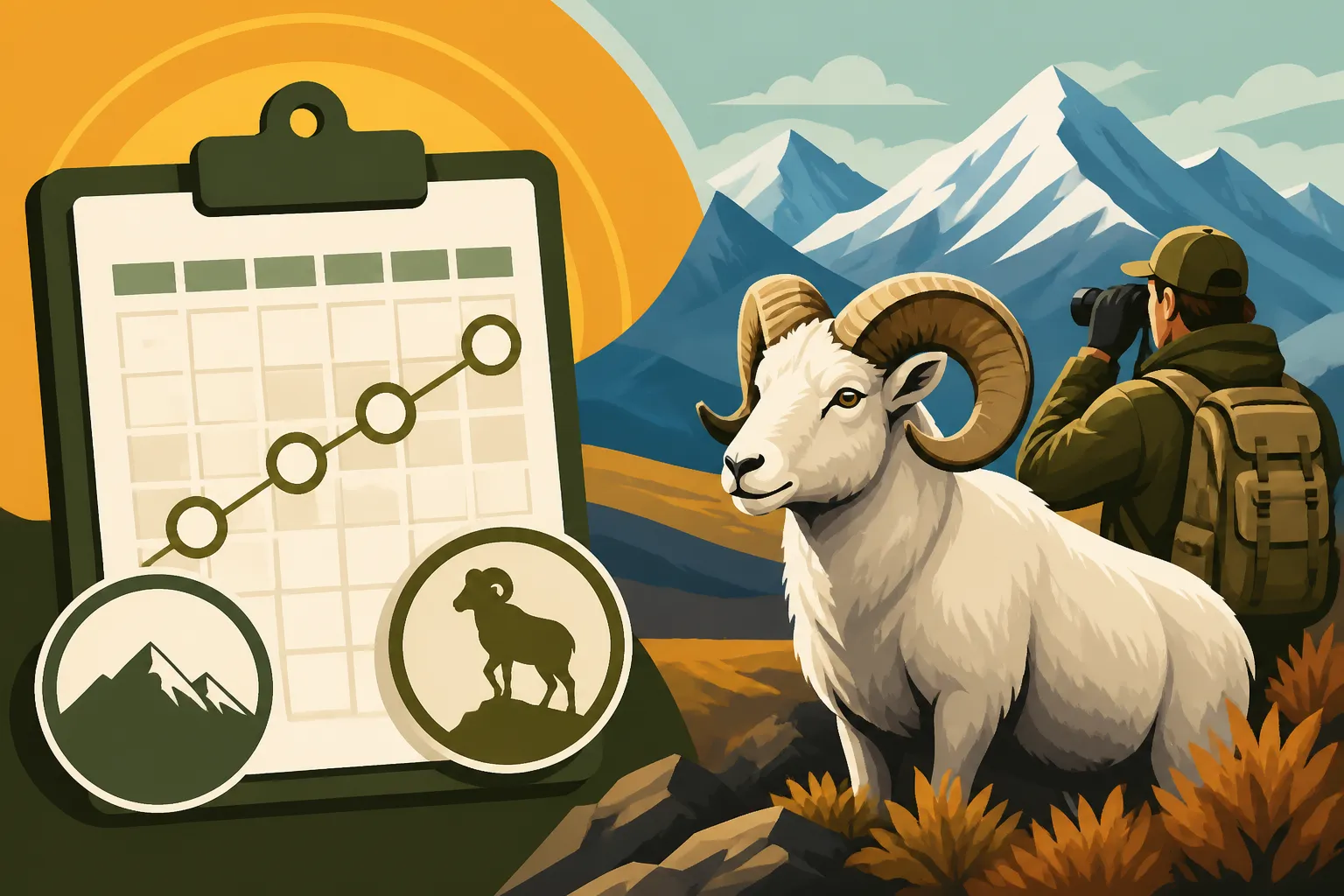
For most highly sought-after Alaska Dall sheep hunts, you should realistically be thinking in terms of a multi-year horizon. Two to three years out is often considered the bare minimum for securing a spot with a reputable outfitter, and honestly, many of the top-tier operations are booked solid for four, five, or even more years in advance. This isn't an exaggeration; it's simply the reality of demand meeting a limited, high-quality supply.
Why such a long lead time? From the hunter's perspective, this gives you ample time to save the significant funds required for such an endeavor. We're talking about a hunt that represents a substantial financial commitment, far beyond just the guide fee. It also provides the necessary window for intense physical preparation, which is non-negotiable for a Dall sheep hunt. These are not easy hunts, often requiring you to carry heavy packs over extremely rugged, steep terrain at high altitudes. Starting a dedicated fitness regimen years in advance is crucial. For the guide, this long lead time allows them to meticulously plan their schedule, coordinate air charters, secure necessary permits and concessions, and maintain their equipment. It's a complex dance of logistics, and they need that runway to ensure everything is perfect for your hunt. If you're just starting to plan, using a platform like GoHunt to research potential guides and their typical booking schedules can be a smart first step.
Last-Minute Openings and Cancellation Lists
Now, while the multi-year booking is the norm, life happens. Cancellations, though rare for such coveted hunts, do occur. A hunter might face an unexpected family emergency, a job change, or a health issue that prevents them from going. When this happens, an outfitter suddenly has an open slot, often with very little lead time. This is where cancellation lists come into play. Many guides maintain a list of eager hunters who are ready to drop everything and go if an opening appears.
Being on a cancellation list requires a specific kind of hunter: one who is financially ready, physically prepared, and flexible enough to pack up and head to Alaska on short notice. If you're hoping to sneak into a Dall sheep hunt this way, you need to have your finances in order, your gear purchased and tested, and your body in peak sheep-hunting condition, all before the call ever comes. You also need to be ready to act immediately, as these spots are usually snatched up within hours. It's a high-stakes game, but for some, it's the only way to get into a prime hunt without waiting half a decade. Some online platforms, like BookYourHunt, occasionally feature last-minute cancellation openings, but again, these are gone almost as soon as they're posted.
Steps to Secure Your Alaska Sheep Hunt Slot
Once you've wrapped your head around the timelines, the next logical step is to start making moves. This isn't a passive waiting game; it's an active process of research, communication, and commitment. The earlier and more thoroughly you tackle these steps, the better your chances of realizing your dream hunt.
Researching and Vetting Potential Guides
This is arguably the most crucial initial phase. You're not just booking a hunt; you're entrusting your safety, your finances, and your dream to a guide. Start by leveraging online resources, reputable hunting forums, and hunting expos where you can meet guides face-to-face. Don't underestimate the power of word-of-mouth and referrals from trusted sources. Talk to hunters who have successfully completed Alaska sheep hunts; their insights are invaluable.
Once you have a list of potential outfitters, dive deep into vetting them. This includes checking their Alaska guide license status with the state, which is easily verifiable. You can also inquire about any past complaints or disciplinary actions. Don't be shy; this is your money and your once-in-a-lifetime experience on the line. I always tell folks to remember Checking an Alaska Guide's Licence Status is a non-negotiable step. When you speak with guides, ask specific questions about their success rates, but also delve into their philosophy on hunting, their safety protocols, and what kind of camp conditions to expect. And perhaps most importantly, ask for References From Past Clients. A good guide will gladly provide a list of recent clients you can call to get an unfiltered perspective on their operation.
Initial Contact, Deposit, and Contract Review
After you've narrowed down your choices, it's time for direct communication. Reach out to your top guide prospects, typically via email or phone call, to discuss their current availability, general pricing structures, and what their booking process entails. Be prepared for frank conversations about costs and what's included. Remember, there's a reason these hunts are expensive; it's the cost of operating in some of the most remote and challenging environments on the planet.
Once you find an outfitter with an opening that aligns with your timeline, the next step will be to commit with a deposit and sign a formal contract. This is where it gets real. Understand that Deposit Amounts on an Alaska Guided Hunt can be substantial, often 50% or more of the total hunt cost, and are typically non-refundable. Before you sign anything, read every single line of the Contracts Alaska Guides Must Provide. Pay close attention to cancellation policies, payment schedules, what is explicitly included (e.g., food, lodging, field transportation) and what is not (e.g., license, tags, tips, taxidermy, meat processing, commercial airfare). Don't hesitate to ask for clarification on any ambiguous clauses. This contract is your legal safeguard, and you need to be fully comfortable with its terms.
Planning Your Application for Draw Permits
For many Alaska sheep hunts, particularly in certain prime units, a drawing permit is required in addition to a general hunting license. This adds another layer of complexity and uncertainty to your booking timeline. It's crucial to coordinate your draw application strategy with your chosen guide. Some guides operate exclusively in draw areas, while others might focus on general harvest ticket units. Your guide can provide invaluable insight into which hunt numbers to apply for, based on their concession areas and past success.
The Alaska big game drawing permit application period typically runs from Alaska's November 1 to December 15 Draw Application Window each year. You'll want to have your hunt booked and your guide selected well before this window opens, so you know exactly which permits to apply for. It's important to understand that successfully drawing a permit does not guarantee a guide slot, nor does booking a guide guarantee you'll draw a permit. These are two separate but interconnected processes. You are essentially booking a guide contingent on drawing a tag, or your guide is helping you strategize where to apply based on your confirmed hunt dates. It can be a nerve-wracking waiting game for draw results, which are usually released in February.
Financial and Physical Preparation During the Waiting Period
You've booked your hunt, signed the contract, and maybe even applied for your draw permit. Now comes the waiting, but this isn't passive time. The years leading up to your hunt are critical for ensuring you're financially solvent and physically capable of handling the demands of an Alaska Dall sheep hunt. This period is just as much a part of the hunt as the actual days in the mountains.
Budgeting for the Full Expense
A guided Alaska sheep hunt is an investment, plain and simple. While the guide fee itself is substantial, it's critical to understand that it's only one piece of a much larger financial puzzle. During your waiting period, establish a detailed budget that accounts for every potential expense. Beyond the guide's fee, you'll need to factor in the cost of your Alaska hunting license and locking tags for sheep. You can quickly get an idea of these costs by checking current regulations or looking into resources like Alaska Licence and Tag Costs on Top of the Guide Fee.
Then there's travel. This includes commercial flights to Alaska, typically Anchorage or Fairbanks, and then often a bush flight or charter to your guide's base camp or directly into the hunting area. These bush flights can add a significant sum to your overall cost. Don't forget pre- and post-hunt lodging and meals in town, potential rental cars, and the myriad of little expenses that pop up. A big one that many first-time guided hunters overlook is the tip for your guide and any packers. It's customary to tip for excellent service, and it's a significant amount. I always advise hunters to budget generously for Tipping an Alaska Guide and What Is Customary. Lastly, consider the cost of shipping your meat and trophy home, and potential taxidermy fees. When you look at the total, it's clear this is a multi-year savings project, similar to planning for What an Alaska Guided Brown Bear Hunt Costs.
Getting in Sheep-Shape and Gear Acquisition
Let me be blunt: if you are not in excellent physical condition, a Dall sheep hunt will break you. The mountains where these animals live are unforgiving. You'll be climbing steep, rocky terrain, often with heavy loads (your gear in, meat out), at elevations that can leave you breathless if you're not acclimatized. This isn't the kind of workout you can cram for in a few weeks. Start your physical training regimen years out. Focus on endurance, strength, and especially leg and core power. Hiking with a weighted pack, stair climbing, and general cardio should become your best friends. There are plenty of resources out there, but seriously consider the Fitness Expectations on an Alaska Sheep Hunt before you even book.
Simultaneously, the waiting period is the ideal time to acquire and test your specialized gear. Quality gear isn't just about comfort; it's about survival and success in the harsh Alaskan wilderness. Invest in top-tier boots and break them in thoroughly—this cannot be overstated. A good pair of boots can make or break your hunt. The same goes for rain gear. Alaska is notorious for its wet weather, even in the mountains. You need gear that will keep you dry through days of persistent rain. Check out articles like Rain Gear Guides Actually Recommend for advice. Optics (spotting scope, binoculars) are critical for glassing those distant white dots. Don't buy everything last minute; use the years leading up to your hunt to acquire gear gradually, test it in various conditions, and become intimately familiar with how it performs.
What to Do in the Final Year Leading Up to Your Hunt
As the calendar pages turn and your hunt draws nearer, the focus shifts from long-term preparation to finalizing details and sharpening your readiness. This final year is about tying up loose ends, confirming logistics, and pushing your physical and mental game to its peak.
Finalizing Logistics and Travel Arrangements
Around six to twelve months before your hunt date, you'll want to reconfirm all the details with your guide. This includes specific meeting points, exact dates, and any last-minute changes to their operational plan. Clear communication is key to avoiding surprises. This is also the time to book your commercial flights to Alaska. Don't wait too long, as prices can escalate rapidly. If your hunt involves bush planes (which most sheep hunts do), coordinate these flights with your guide and the air taxi operator. Remember that weather can cause delays, so it's always wise to build in extra travel days on both ends of your trip. Read up on Building Extra Days Into a Fly-In Schedule to understand the implications of weather.
Don't forget ground transportation once you land in Alaska, and any hotel reservations you might need before flying out to the bush or after you return. Consider purchasing travel insurance or specific hunt cancellation insurance. While no one wants to think about it, life happens, and a significant investment like an Alaska sheep hunt deserves protection. Understanding Hunt Insurance for Cancellations can save you a lot of heartache (and money) if an unforeseen circumstance forces you to cancel.
Physical and Mental Readiness Check
In the final months leading up to your hunt, your physical training should intensify. You should be reaching the peak of your conditioning, capable of sustained effort with a heavy pack over steep terrain. This isn't just about being able to do it; it's about being able to do it day after day, while still being able to shoot accurately when the moment of truth arrives. Practice shooting from various field positions, especially after exertion, so you're not gasping for air and shaking when you look through your scope.
Equally important is mental preparation. Alaska sheep hunts are tough, both physically and emotionally. You'll face unpredictable weather, frustrating days with no sheep sightings, and the sheer challenge of the landscape. Cultivate a mindset of resilience, patience, and adaptability. Understand that plans change, and you'll need to roll with the punches. Have an honest conversation with yourself about the discomfort you're willing to endure and the challenges you're ready to embrace. If you're hunting solo, you'd be reading up on Signal Devices and Check-In Plans for Solo Alaska Hunts, but even on a guided trip, understanding these realities is crucial. Review your gear one last time, ensuring everything is in perfect working order. Make sure you and your guide have discussed Bear Safety While Butchering a Kill in Alaska thoroughly, as you'll be in prime bear country. You've invested years into this dream; now it's time to ensure you're fully ready to live it.
| Booking Timeline Stage | Typical Actions for the Hunter | Guide's Perspective |
|---|---|---|
| 4-5+ Years Out | Research dream hunts, save money, initial guide research, check guide references, contact top guides for availability. Review options on platforms like BookYourHunt or GoHunt. | Books prime slots for preferred clients/species, offers first refusal to repeat clients. Starts general logistics planning. |
| 2-3 Years Out | Secure a guide with a deposit, sign contract, begin physical training, start saving aggressively, apply for drawing permits (if applicable). | Confirms bookings, manages logistics, assists clients with draw permit strategy, provides initial gear lists. |
| 6-12 Months Out | Book flights (commercial & bush), purchase hunting license and tags, finalize gear purchases, intensify physical training. | Finalizes client rosters, shares last-minute details, confirms flight logistics with air taxis. |
| 1-3 Months Out | Final gear shakedown, confirm travel details, pack, ensure physical peak, mental preparation. Review guide instructions and safety protocols. | Confirms camp readiness, checks weather patterns, finalizes supply orders, coordinates with air taxis. |
| Hunt Week | Arrive in Alaska, meet guide, fly to camp, hunt! Experience the culmination of years of planning. | Focus on client safety and success, adapt to changing conditions, ensure legal compliance, guide the hunt. |
Disclaimer
This article is for general informational purposes only and does not constitute professional advice. Laws, prices and regulations vary by location and change over time. Consult a qualified professional for guidance on your specific situation.