Alaska Controlled Use Areas That Ban Aircraft
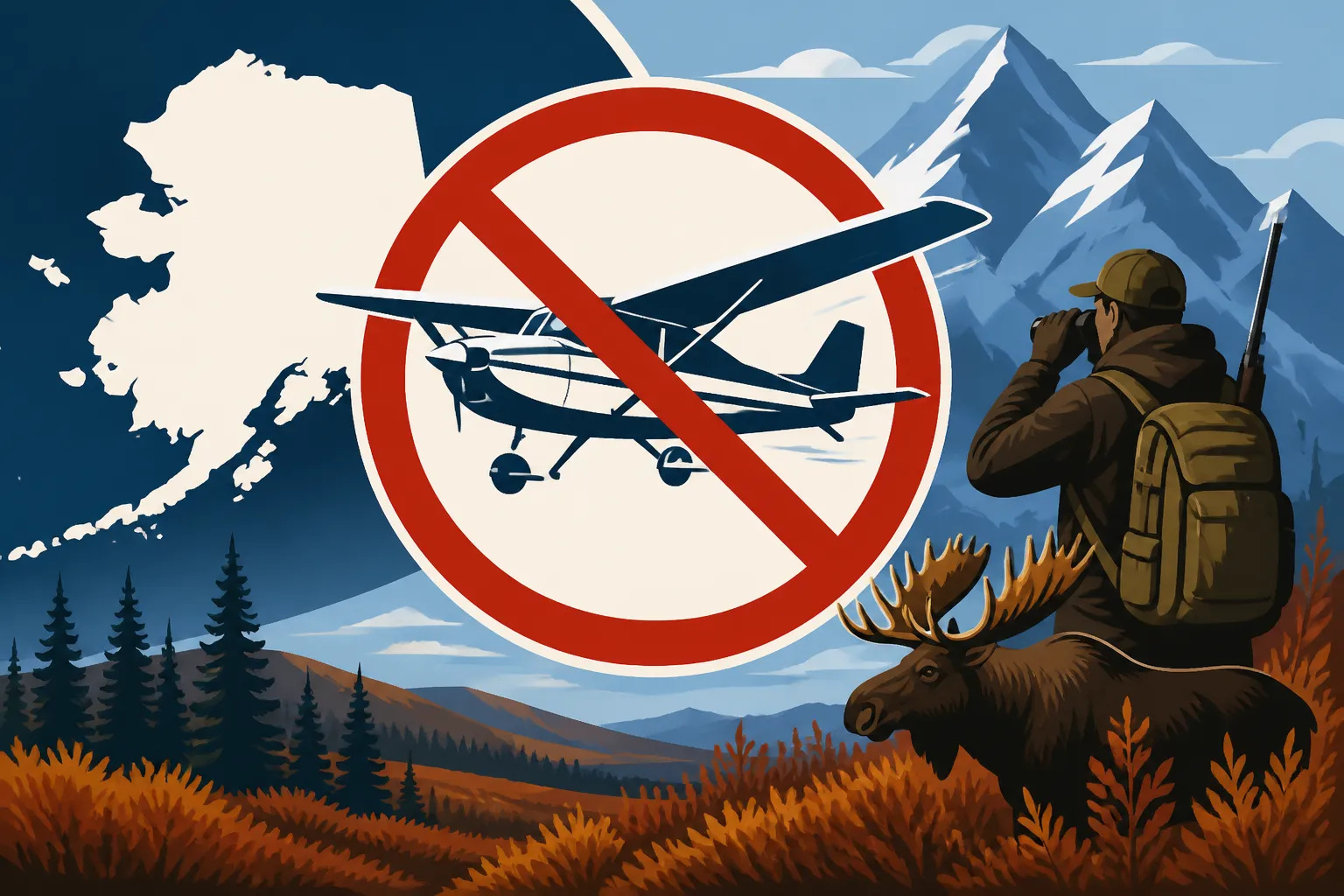
Few things can deflate the excitement of planning an Alaska hunt faster than discovering the unit you're targeting is a "Controlled Use Area" (CUA) with a specific ban on aircraft. You've poured over maps, scouted potential drainages, and maybe even secured a coveted tag, only to realize your bush plane drop-off plan is now a non-starter. This guide is here to unravel the complexities of Alaska's aircraft-restricted CUAs, helping you understand what these regulations mean for your hunt and how to plan a successful trip without relying on air support.
What Exactly is an Alaska Controlled Use Area (CUA) and Why Do They Exist?
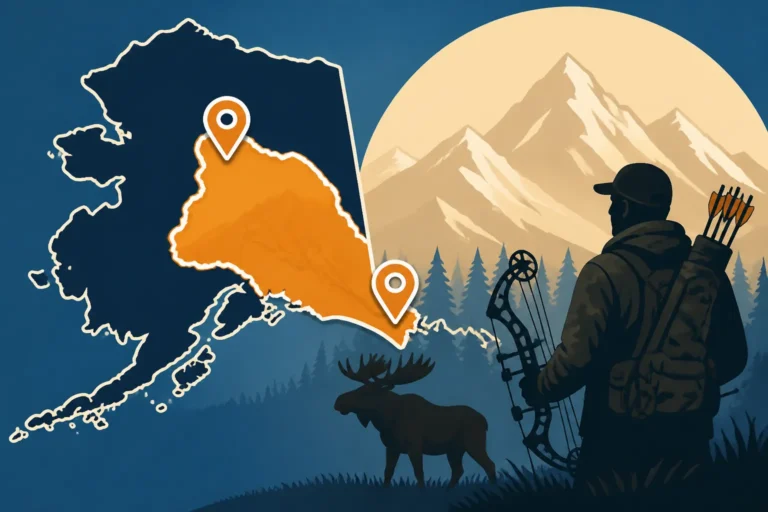
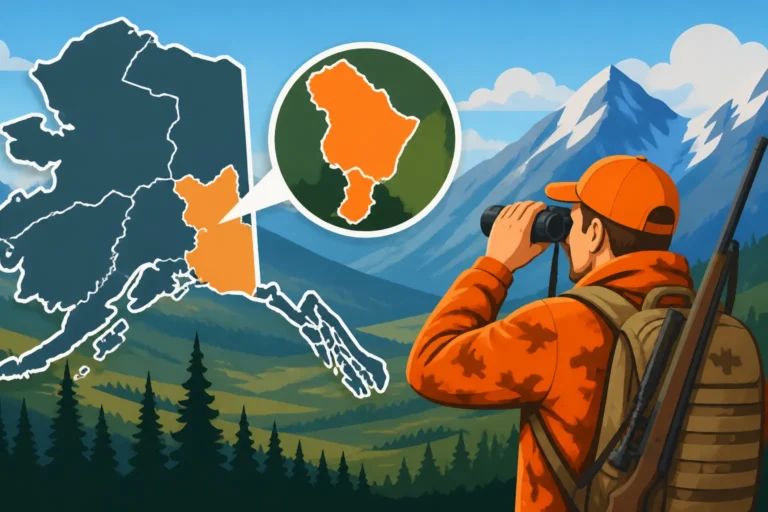
Alaska is vast, and its wild spaces are some of the last true wildernesses left on earth. With such incredible resources comes the critical need for careful management to ensure these areas remain productive for game and accessible for hunters, without being overwhelmed. That's where Controlled Use Areas, or CUAs, come into play. They're designated regions with specific rules aimed at regulating hunter access and methods, and many of them place strict limits on aircraft.
The Purpose Behind Aircraft Restrictions
The primary purpose of aircraft restrictions within certain CUAs is to manage hunting pressure and preserve the quality of the wilderness experience. Imagine a prime moose or caribou area, easily accessible by small aircraft. Without restrictions, countless hunters could be dropped off daily, concentrating pressure, distributing game, and fundamentally changing the wild character of the hunt. These bans are not designed to prevent hunting, but rather to:
- Distribute Hunters More Evenly: By removing the easiest access method, it encourages hunters to spread out, utilize different ingress points, and explore areas further from common landing strips. This helps prevent overcrowding in popular spots.
- Reduce Overall Hunting Pressure: Some areas are simply too sensitive or productive to handle unrestricted access. Limiting aircraft means that hunters must commit more time, effort, and sometimes physical exertion to reach these spots, naturally reducing the total number of people entering the area.
- Maintain a "Wilderness" Experience: For many, the essence of an Alaska hunt is the challenge and solitude. When aircraft are banned, it means fewer planes buzzing overhead, fewer camps within earshot, and a more immersive, traditional backcountry experience. This is especially true for species like Dall sheep or interior moose, where part of the hunt's allure is the remote nature of the pursuit. You might be surprised at how much the absence of aircraft noise enhances the feeling of truly being alone in the wilderness.
It's important to remember that these restrictions are part of a broader management strategy, working in conjunction with other regulations like season dates and bag limits. Understanding the philosophy behind them can help you appreciate their necessity, even if they add a layer of complexity to your planning.
Defining "Aircraft" in CUA Regulations
When a CUA regulation bans "aircraft," what exactly does that encompass? Generally, it refers to any power-driven flying machine, including fixed-wing planes (like bush planes or Super Cubs) and rotary-wing aircraft (helicopters). The intent is to prevent hunters from flying into, landing, and taking off within the designated CUA boundaries.
It's crucial to distinguish this from Alaska's Alaska's Same-Day-Airborne Rule and What It Bans. The "same-day-airborne" rule prohibits hunting the same day you've been airborne and landed anywhere in the state, regardless of whether you're in a CUA or not. CUA aircraft bans, however, specifically target landing within the CUA itself. You might fly over a CUA in a commercial airliner, or even a small plane, and that's usually not the issue. The issue arises when that aircraft delivers a hunter (or gear) to a spot within the CUA's boundaries.
While drone technology is relatively new, the spirit of these laws typically extends to any device used to gain an unfair advantage or disrupt the experience. Generally, flying a drone to spot game or aid in a recovery within a CUA would likely be viewed as circumventing the aircraft ban, even if not explicitly stated in older regulations. Always check the very latest regulations for your specific hunt area, as these details can be updated.
Navigating the Rules: What "Bans Aircraft" Really Means
When you see "aircraft banned" for a CUA, it's not just a suggestion; it's a hard and fast rule that carries significant penalties if violated. Understanding the nuances of this ban is critical for legal and ethical hunting in these areas.
Landing and Taking Off Restrictions
The core of an aircraft ban in a CUA is straightforward: you cannot land or take off with an aircraft within the boundaries of that specific controlled use area for hunting purposes. This means no bush plane drops, no helicopter shuttles, nothing that utilizes air transport directly into your hunting grounds.
However, this doesn't necessarily mean you can't use aircraft at all in your overall travel plan. Many hunters will fly to a staging area or a village just outside the CUA boundary. From there, they will arrange for ground or water transportation, or simply pack their gear and hike into the CUA. The distinction is key: the aircraft service stops at the CUA's edge. This requires meticulous mapping and an absolute understanding of where the boundary lies. Tools like onX Hunt are invaluable here, as they often have CUA boundaries overlaid on detailed topo maps, allowing you to pinpoint legal landing zones.
There are, of course, critical exceptions. Aircraft are generally permitted for emergency situations, search and rescue operations, official administrative purposes (like wildlife surveys or law enforcement), or under specific permits issued by the state. These exceptions are for public safety or management and do not extend to recreational hunting.
For the unguided hunter, this means rethinking your entire logistical approach. You might need to consider overland travel from a road system, a longer float trip, or a more arduous backpacking excursion. This brings us back to the heart of the CUA's purpose: to make these hunts a more challenging, and in many ways, more rewarding experience.
How These CUAs Impact Your Hunt Planning
The presence of an aircraft ban in your chosen CUA profoundly impacts nearly every aspect of your hunt planning. It forces a different mindset and requires a commitment to more traditional, rugged hunting methods.
First and foremost, it means a significant shift in your transportation logistics. Instead of a swift flight into the heart of sheep country or a remote moose drainage, you'll be looking at alternatives. This could involve using a boat on a river system, such as a multi-day float hunt for moose, perhaps requiring a raft sturdy enough to handle Loading a Bull Moose Into a Raft. Or, if there's road access nearby, it might mean utilizing ATVs to get to the edge of the CUA, then packing in the rest of the way. ATV Access Tactics on Alaska's Denali Highway highlights how crucial careful planning is for even motorized ground access. For many, it simply means more time spent on foot, often carrying heavier loads for longer distances. Backpack Hunting in Alaska: Gear Weight and Meat Loads becomes a mantra, as every ounce truly counts when you're humping it in and out.
Secondly, these restrictions often lead to increased physical demand. Hunting without air support frequently translates to longer hikes, more rugged terrain negotiation, and potentially deeper penetration into less-traveled areas. Your physical conditioning will play an even more critical role in these hunts than in fly-in accessible units.
Third, time and cost considerations shift dramatically. While you might save on air taxi fees directly into the CUA, the added time for overland travel, potential for hiring alternative ground/water transport, and the extended duration of the hunt itself can add up. A seven-day fly-in hunt might become a ten-to-twelve-day boat or backpack hunt. This requires careful budgeting not just of money, but of precious vacation time.
Finally, and perhaps most importantly, aircraft-restricted CUAs demand meticulous pre-hunt research and navigation skills. You'll need to know exactly where the boundaries lie, understand the terrain, identify potential access points, and plan your routes with an eye towards efficiency and safety. This is where detailed topographic maps, digital mapping apps like onX Hunt, and resources like GoHunt become invaluable. These tools often provide overlays of CUA boundaries, land ownership, and trails, allowing you to scout a unit from your living room. Having a solid Scouting a Unit From Satellite Imagery Before You Fly strategy is essential to avoid surprises once you're on the ground.
Key Alaska Controlled Use Areas With Aircraft Bans
While specific CUA boundaries and regulations can vary and be updated, certain areas across Alaska are well-known for their aircraft restrictions, primarily to manage access for popular big game species. Understanding the general types of CUAs and their impact can help you prepare for a successful hunt.
Examples of Prominent Aircraft-Restricted CUAs
Alaska has numerous CUAs, each with unique rules, but a common thread in many is the effort to control aerial access. These areas often encompass prime habitat for moose, caribou, or various other species, making them popular destinations for hunters willing to put in the extra effort.
One classic example is the Minto Flats CUA, located west of Fairbanks. This area is renowned for its excellent moose and waterfowl hunting. The aircraft ban here forces hunters to utilize boat access via the Tanana and Tolovana rivers, or other small waterways, often requiring substantial effort with jet boats or airboats. This method effectively limits the number of hunters who can access the prime wetland and timbered areas, preserving the quality of the hunt and allowing moose populations to thrive without constant disturbance from low-flying aircraft.
Another significant example is the Susitna Flats CUA, situated near Anchorage, extending west from the Parks Highway. This area is a huge, relatively flat expanse of wetlands, timber, and tundra, offering hunting opportunities for moose, black bear, and waterfowl. Similar to Minto, the aircraft ban here necessitates boat access (often via the Susitna River or its tributaries) or extensive foot travel from road-accessible points outside the CUA. Without this restriction, the sheer proximity to Alaska's largest city would undoubtedly lead to overwhelming hunting pressure via air.
Certain sections of the vast Fortymile CUA also impose aircraft landing restrictions, though these are often more nuanced, sometimes allowing landings on specific, designated airstrips but prohibiting off-strip landings for hunting purposes. This region is famous for its caribou and moose hunting. Such regulations channel air traffic to established access points, reducing random drops and ensuring that a significant portion of the CUA remains accessible only by strenuous ground travel, particularly within the general hunt area that the massive Fortymile Caribou Herd Range and Migration passes through.
Here's a simplified look at how these types of CUAs often compare:
| CUA Type (Example) | Primary Restriction | Common Hunter Access Methods | Primary Species Hunted | Unique Impact / Goal |
|---|---|---|---|---|
| Minto Flats CUA | Aircraft landing prohibited | Boat, Airboat, Foot | Moose, Waterfowl | Preserves remote wetland/riverine experience; manages access to high-density moose. |
| Susitna Flats CUA | Aircraft landing prohibited | Boat, Airboat, Foot | Moose, Black Bear, Waterfowl | Distributes pressure near population centers; maintains wilderness character. |
| Fortymile CUA (portions) | Aircraft landing restricted to designated strips | ATV, Road system, Foot | Caribou, Moose, Bear | Funnels air access to specific points; encourages vast overland hunting. |
These examples highlight that "aircraft banned" isn't a blanket rule that makes an area unhuntable. Instead, it directs you towards specific, often more challenging, but incredibly rewarding forms of access.
Practical Strategies for Hunting Aircraft-Restricted CUAs
Hunting in an aircraft-restricted CUA demands a robust and adaptable strategy. It's not just about getting in, but also about successfully getting your game and gear out.
1. Detailed Pre-Scouting and Route Planning:
Before you even leave home, immerse yourself in maps. Use high-resolution satellite imagery (available through tools like onX Hunt or various online mapping services) to identify potential boat launches, ATV trails, game trails, and areas with good game habitat. Look for natural barriers or corridors that might funnel game. Pay close attention to terrain features and potential water crossings. You'll need to know the exact CUA boundary and plan your staging area just outside it. Downloading Offline Maps Before a Fly-In is a critical step, even if you're not flying into the CUA, as cell service will be nonexistent in most of these remote locations.
2. Embrace the Power of Water or Wheels:
If the CUA is river-accessible, a float hunt is a phenomenal way to penetrate deep into these areas. Planning a Float Hunting Alaska Rivers for Moose and Caribou requires understanding river conditions, packraft load capacities, and logistics for retrieval at your take-out point. If ATV trails lead near or to the boundary, a carefully planned ATV haul can save your legs for the actual hunt. Remember, even with ATVs, there are often specific trail rules and limits on how far you can go, so always check the latest regulations for your chosen unit.
3. Focus on Ultra-Light Backpacking and Physical Fitness:
If overland foot travel is your primary method, shed every unnecessary ounce from your pack. This means prioritizing lightweight gear, efficient camp setups, and packing nutrient-dense, compact food. Your physical conditioning needs to be top-notch, capable of handling heavy meat loads over difficult terrain. Many hunters specifically train for this, building endurance and strength months in advance. You'll need to consider how you'll manage a potential kill without air support for retrieval. Packing Out Meat in Alaska: The Salvage Law Hunters Must Follow becomes an even more immediate concern, often meaning multiple trips back to pack out all the edible meat. Thinking about Hanging Meat in Warm September Weather and protecting it from bears during those long hauls is also vital.
4. Comprehensive Safety and Communication Plan:
Without a pilot checking in on you, your safety plan is entirely in your hands. This means carrying reliable satellite communication devices (like an InReach or satellite phone), establishing regular check-in schedules with contacts back home, and being proficient in first aid. Signal Devices and Check-In Plans for Solo Alaska Hunts are not just good ideas, they're non-negotiable for these kinds of self-supported ventures. Bear safety is also paramount, especially when working a kill site deep in the backcountry.
Hunting an aircraft-restricted CUA is a true adventure, often defining the "Alaska experience" that so many seek. It demands more effort, more planning, and more self-reliance, but the rewards—a deeper connection to the wild, a greater sense of accomplishment, and often higher quality hunting—are immeasurable.
Disclaimer
This article is for general informational purposes only and does not constitute professional advice. Laws, prices and regulations vary by location and change over time. Consult a qualified professional for guidance on your specific situation.