Hunting Access Inside Togiak National Wildlife Refuge
Thinking about hunting in the Togiak National Wildlife Refuge can feel like staring at a complex puzzle, especially when you're trying to figure out where you can even set foot and what you can legally harvest. This massive expanse of raw Alaskan wilderness offers incredible hunting opportunities, but navigating its unique rules and land designations requires careful planning and a deep understanding of its intricacies. This guide aims to unravel the complexities of hunting access within Togiak, helping you prepare for an unforgettable adventure while staying squarely within the bounds of the law.
Understanding Togiak National Wildlife Refuge
The Togiak National Wildlife Refuge, nestled in southwestern Alaska, isn't just another parcel of public land; it's a vast, diverse ecosystem spanning some 4.7 million acres. From the Bering Sea coastline, with its jagged cliffs and sprawling wetlands, to the majestic Ahklun Mountains in the interior, Togiak offers a breathtaking array of landscapes. This diversity translates directly into a wide range of hunting experiences, from waterfowl in the coastal marshes to caribou and moose on the open tundra, and even brown bear in the river drainages and mountains.
What makes Togiak particularly unique, beyond its sheer scale, is its dual management structure. As a National Wildlife Refuge, it falls under the jurisdiction of the U.S. Fish and Wildlife Service (USFWS), but state hunting regulations from the Alaska Department of Fish and Game (ADF&G) also apply. This means you're often dealing with two layers of rules, which can be a little confusing if you're not used to it. The refuge was established primarily to conserve migratory birds, salmon, and other fish, and wildlife populations and their habitats. Hunting is a recognized and valued recreational activity within the refuge, but it’s managed in a way that aligns with these primary conservation goals. You'll find specific areas designated as "wilderness," which carry additional restrictions on motorized travel and camp setup, emphasizing a truly wild and primitive experience.
Navigating Hunting Regulations and Permits
The first hurdle for any hunter eyeing Togiak is untangling the web of permits and regulations. It’s not simply a matter of buying an Alaska hunting license and heading out. This is where many hunters, especially those new to Alaska or to federal lands, can get tripped up. The refuge's unique status means you'll need to pay close attention to both state and federal requirements, which don't always align perfectly.
State Versus Federal Rules: A Dual System
Alaska's hunting regulations, as laid out by ADF&G, generally apply across the state, including within national wildlife refuges. This means you'll need the appropriate Alaska Hunting Seasons and Tag Rules Explained for the species you intend to hunt, whether it's a moose tag, caribou tag, or a brown bear tag. However, the federal government, through the USFWS, can impose additional or more restrictive rules within the refuge boundaries, especially concerning access, methods of harvest, or specific areas. For instance, while Alaska might have a general statewide season for a certain species, Togiak might have specific hunt numbers or areas with different dates or bag limits. It’s critical to consult both the current ADF&G hunting regulations and the Togiak National Wildlife Refuge's specific hunting regulations, often found on their official USFWS website or in a dedicated refuge brochure. These refuge-specific rules are typically updated annually and are your go-to source for understanding the nuances that apply only to Togiak.
Specific Permit Requirements for Togiak Hunts
Beyond your standard Alaska hunting license and species-specific locking tags, you might encounter other permit requirements. For many hunts in Alaska, you'll need either a harvest ticket, a registration permit, or a draw permit. Alaska Harvest Tickets, Registration Permits and Draw Permits are crucial distinctions. Many caribou hunts, for example, especially for herds like the Mulchatna (which often has closures or tight restrictions due to population concerns), might be on a registration permit basis within the refuge. These often require you to sign in before your hunt and report your harvest within a very specific timeframe.
For those who qualify as rural residents of Alaska, the federal subsistence program comes into play. Federal Subsistence Hunting on Alaska Public Lands operates under different rules and often provides extended seasons or different bag limits for qualifying individuals. It's a complex system, and most non-local hunters will be operating under state (general season) regulations, which are usually more restrictive. It’s vital to understand which regulations apply to you. If you are a nonresident, remember that for certain species like brown bear, Dall sheep, and mountain goat, Alaska law requires you to be accompanied by a licensed Alaska guide or a resident relative within the second degree of kindred. This isn't unique to Togiak, but it's a significant financial and logistical consideration.
The most important takeaway here is: never assume. Always double-check the current year's regulations for both ADF&G and the Togiak National Wildlife Refuge. These regulations can change annually based on game populations, harvest data, and environmental factors.
Access Methods and Restrictions Within the Refuge
Getting into and around Togiak National Wildlife Refuge is an adventure in itself, largely dictated by the remote nature of the area and specific federal land designations. You're not typically driving into these prime hunting spots; rather, you're flying or boating.
Airborne Access: Your Lifeline to Remote Camps
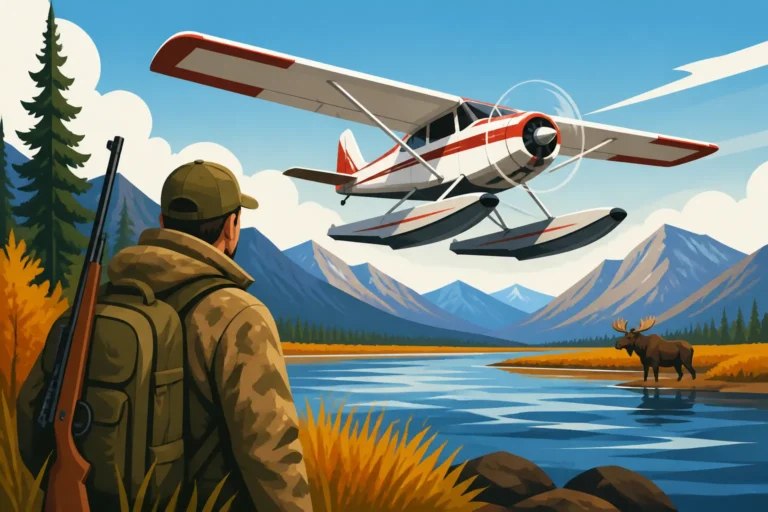
For most hunters venturing deep into Togiak's interior or far reaches of its coastline, air transport is the primary, if not sole, method of access. Floatplanes are incredibly common, landing on the myriad lakes and larger rivers that crisscross the refuge. Wheel planes might utilize gravel bars or pre-approved landing strips. Working with an air taxi is almost a rite of passage for many Alaska hunters, and Togiak is no exception. These pilots are often intimately familiar with the region, its weather patterns, and suitable landing zones. However, there are strict rules to follow regarding aircraft use within the refuge, especially in designated wilderness areas. In these zones, you can typically be dropped off and picked up, but you generally cannot use aircraft to "scout" or pursue game once on the ground, and certain types of motorized activities are banned. Understanding Fly-In Hunting Areas Across Interior Alaska is key.
When arranging an air taxi, be clear about your intentions and hunting area within the refuge. Pilots are responsible for adhering to refuge regulations, and they'll ensure you're dropped off in a legal area. Also, factor in extra time for weather delays. Bush planes operate under visual flight rules (VFR), and inclement weather can ground flights for days, impacting your hunt and pickup schedule.
Water-Based Access: Rivers and Coastlines
Togiak is crisscrossed by numerous rivers, including the Togiak, Kanektok, and Newhalen, which are famous for their salmon runs and, consequently, excellent opportunities for brown bear and moose. Float hunting these rivers by raft or canoe is a popular and effective way to access game, especially moose along the willow-lined banks. Float Hunting Alaska Rivers for Moose and Caribou can be an immersive experience, allowing you to cover significant distances quietly.
Coastal areas also offer unique hunting access, particularly for waterfowl and sometimes black bear or brown bear. Skiffs and larger boats can navigate the bays and estuaries, allowing hunters to access shorelines and river mouths. However, be mindful of tide tables, rapidly changing weather conditions on the Bering Sea, and specific refuge regulations regarding boat launching and landing, especially near sensitive bird nesting areas or designated wilderness shores.
Motorized Vehicle Restrictions: Protecting Fragile Ecosystems
One of the most significant access restrictions within Togiak National Wildlife Refuge concerns motorized ground vehicles, particularly ATVs and snowmachines. Much of Togiak is designated as wilderness or recommended for wilderness, which means it carries the highest level of protection, aiming to preserve its untrammeled character. In these areas, motorized vehicle use is generally prohibited.
This means that once your air taxi drops you off or your boat moors, you are typically reliant on foot power. This demands a different level of physical fitness and gear planning. Packing out a bull moose or a large caribou on foot from deep within the refuge can be an incredibly arduous task. Always verify the specific regulations for your intended hunting unit within the refuge regarding motorized vehicle use, as these can vary slightly in non-wilderness zones or for specific winter access (e.g., snowmachines on designated routes). The general rule of thumb for Togiak, however, is prepare for foot travel.
Navigating Land Status Within the Refuge
Here’s where things get really interesting, and potentially confusing. Togiak National Wildlife Refuge isn't a monolithic block of federal land. Like many areas in Alaska, it's a patchwork of different land ownerships, each with its own set of rules. This is probably the most critical aspect to understand to avoid unintentional trespass or violations.
The Patchwork Quilt: Refuge, Native Allotments, and Native Corporation Lands
Within the exterior boundaries of Togiak NWR, you'll find:
- Federal Refuge Lands: These are the primary lands managed by the USFWS, where the refuge-specific regulations apply.
- Alaska Native Allotments: These are privately owned parcels of land, typically 160 acres, granted to individual Alaska Natives. These are private property, and you cannot hunt or even cross them without explicit permission from the landowner.
- Alaska Native Corporation Lands: Large tracts of land conveyed to regional and village Native corporations under the Alaska Native Claims Settlement Act (ANCSA). These are also private lands, and access for hunting requires obtaining a permit or lease from the respective Native Corporation. These permits often come with a fee and specific rules.
The challenge is that these private lands are often interspersed throughout the refuge, making it difficult to discern boundaries on the ground without good navigational tools. Imagine landing on a lake for a caribou hunt, only to discover that the prime ridge you planned to glass from is actually a Native allotment. Trust me, you don't want to find this out the hard way after a long hike.
Tools for Identifying Land Status
This is where modern technology becomes an indispensable hunting partner. Mapping applications like onX Hunt are absolutely invaluable. You can download satellite imagery and land ownership layers directly to your phone or GPS device, allowing you to see exactly where refuge land ends and private land begins, even without cell service. This allows you to plan your routes, identify legal camping spots, and ensure you're not trespassing. Another excellent resource is GoHunt, which provides detailed draw statistics and hunt information that often includes land status overlays, helping you understand the access challenges of different areas. Both tools provide peace of mind and are essential for responsible hunting in complex areas like Togiak. Always verify the accuracy of your maps with official sources if there's any doubt.
Here's a simplified table comparing land types you might encounter and their general access rules:
| Land Type | Ownership / Management | General Hunting Access Rule | Specific Considerations |
|---|---|---|---|
| Togiak National Wildlife Refuge | U.S. Fish and Wildlife Service | Open to hunting per federal and state regulations (check both). | May have specific refuge closures, weapon restrictions, or seasonal limits. Wilderness areas have stricter motor vehicle rules. |
| Alaska Native Allotments | Private (Individual Native) | NO ACCESS without explicit landowner permission. Trespassing is illegal. | Often small, unmarked parcels. Critical to identify with mapping tools like onX Hunt before setting foot. |
| Alaska Native Corporation Lands | Private (Native Corporation) | NO ACCESS without a permit or lease from the corporation. Fees usually apply. | Corporations like Calista or Bristol Bay Native Corporation manage these. Permits can be costly or limited. |
| State of Alaska Lands | State of Alaska | Open to hunting per state regulations. | Less common within the primary refuge boundary but may exist. |
This fragmented land ownership underscores the importance of pre-hunt research and diligent navigation in the field. Ignoring land status is not only illegal but can also lead to strained relationships with local communities and landowners, jeopardizing future hunting opportunities for everyone.
Hunting Opportunities and Species in Togiak
Togiak National Wildlife Refuge is renowned for its abundant wildlife, making it a prime destination for a variety of species. While regulations for specific units and seasons can change, here’s a general overview of what you might pursue.
Caribou: The Roaming Herds
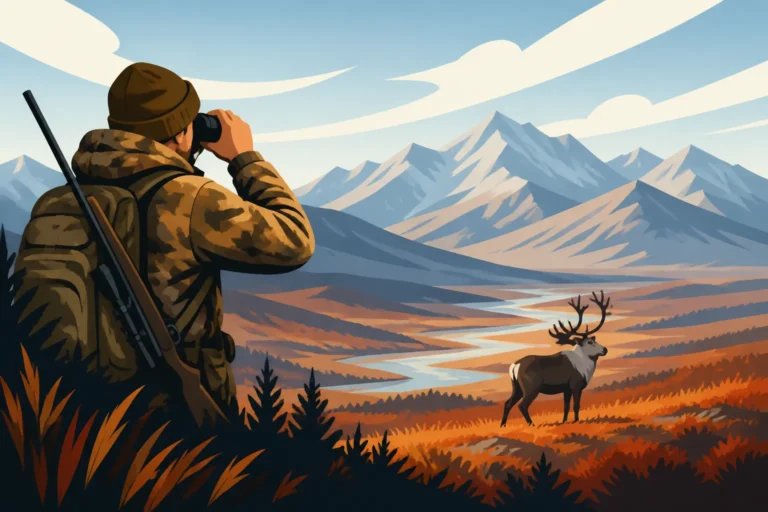
The refuge is often within the range of the Mulchatna Caribou Herd, though herd movements are unpredictable and populations can fluctuate dramatically. Historically, the Mulchatna was a massive herd, but it has faced significant challenges, leading to closures or very restrictive hunts in recent years. When seasons are open, Togiak can offer incredible opportunities for caribou. These animals move across vast stretches of tundra, and locating them often involves flying into remote camps and then glassing large basins. Being prepared for long days of hiking and possibly moving camp to stay with the animals is essential. Always check the current ADF&G regulations for the Mulchatna herd, as they are subject to emergency orders that can close seasons with little notice. Caribou Herds of Alaska and How They Move outlines the general behavior of these iconic animals.
Moose: Giants of the Willow Flats
Moose are found throughout the refuge, particularly in the lower elevations near river systems, lakes, and areas with dense willow growth. The Togiak, Kanektok, and other river drainages provide excellent moose habitat. Hunters often focus on float hunts, drifting down rivers and glassing the banks and adjacent willow flats. Calling moose during the rut can also be highly effective. Moose Habitat in Alaska Burn Scars can be productive, but you'll need to identify any burns within the refuge. Moose in this region are often large, requiring considerable effort to pack out, especially if you're deep in a wilderness area without motorized access. Quartering an animal alone in the field, as many hunters must do, is a monumental task.
Bear: Brown and Black Opportunities
Both brown bears (coastal grizzlies) and black bears reside within Togiak. Brown bears are particularly abundant along the salmon-rich rivers and coastal areas, where they feed heavily during the summer and fall. Hunting brown bear in Togiak is a serious undertaking, requiring robust preparation, a powerful Rifle Choice for Alaska Brown Bear Country, and extreme bear safety awareness. Remember, nonresidents are required to hunt brown bear with a licensed guide or a qualified resident relative. Alaska Brown Bears on the Coast Versus Interior Grizzlies provides crucial information on the differences and challenges of hunting these formidable animals. Black bears are also present, often found in timbered areas or subalpine zones. They tend to be less numerous than brown bears in certain parts of the refuge but offer additional hunting opportunities.
Waterfowl: A Rich Diversity
Togiak National Wildlife Refuge was established in large part to protect migratory birds, and it lives up to that mission. The coastal wetlands, lakes, and rivers host incredible numbers of ducks, geese, and swans during migration and nesting seasons. Waterfowl hunting can be exceptional, particularly for sea ducks along the coast or dabblers and divers in the interior lakes. Access is often by boat or small plane to remote lakes. Hunters must adhere to federal migratory bird regulations, including bag limits, season dates, and specific requirements for non-toxic shot.
Planning Your Togiak Refuge Hunt
A successful hunt in Togiak isn't just about knowing the regulations; it's about meticulous planning, preparation, and self-sufficiency. This is wild country, and rescue can be days away.
Pre-Scouting and Map Study
Before you even book a flight, spend significant time studying maps. Use satellite imagery on tools like onX Hunt or Google Earth to identify potential landing strips, floatplane lakes, river characteristics, likely game migration routes, and, critically, those land ownership boundaries. Look for good glassing knobs, potential camping sites, and water sources. Understanding the terrain from a bird's-eye view can save you immense time and effort in the field. Consider the vegetation: open tundra, brushy hillsides, or dense timber will dictate your hunting strategy and visibility.
Working with Transporters and Air Taxis
Your relationship with your air taxi pilot or boat transporter is paramount. They are your lifeline to the refuge and back. Book well in advance, especially for peak seasons. Clearly communicate your hunting area, estimated gear weight, and desired pickup date. Be realistic about your load and understand that additional flights for meat can incur extra costs. Discuss contingencies for bad weather and potential delays. Always have a backup plan and extra food for a few unexpected days in the field.
Safety and Emergency Preparedness
Remote Alaska hunting, especially in a vast wilderness like Togiak, carries inherent risks. Bear encounters are a real possibility, so carrying bear spray, knowing how to use it, and potentially a firearm is crucial. Bear Safety While Butchering a Kill in Alaska is vital reading. Weather can turn on a dime, bringing heavy rains, strong winds, or sudden drops in temperature. Pack appropriate gear for all conditions, including redundant layers, a bomb-proof tent, and a reliable stove.
Communication is another critical safety component. Cell service is nonexistent in most of the refuge. You'll need a satellite communication device like an inReach or a satellite phone for emergency contact and daily check-ins with your contact person. Signal Devices and Check-In Plans for Solo Alaska Hunts are not just a good idea, they're essential for your safety and peace of mind, as well as for anyone waiting for you back home. Leave a detailed trip plan with someone responsible, including your intended route, hunting area, and expected return date.
Always pack enough extra food and fuel for several unexpected days, and have a comprehensive first-aid kit. Knowing basic wilderness first aid can literally be a lifesaver. This is not the place to skimp on preparation.
Disclaimer
This article is for general informational purposes only and does not constitute professional advice. Laws, prices and regulations vary by location and change over time. Consult a qualified professional for guidance on your specific situation.