Katmai Preserve Brown Bear Hunting
There’s a unique draw to Katmai National Preserve, an allure that calls to the most dedicated Alaska hunters. It’s a place that fires the imagination, often conjuring images of giant brown bears fishing for salmon in rushing rivers, completely oblivious to human presence. But for the serious hunter, Katmai represents one of the ultimate tests and rewards in Alaska hunting: the opportunity to pursue colossal coastal brown bears in their natural, undisturbed habitat. If you've ever felt that deep yearning to experience a true wilderness brown bear hunt, this guide will walk you through the distinct challenges and profound rewards of pursuing these magnificent animals in Katmai.
The Unique Appeal of Katmai Preserve for Brown Bears
When you picture Katmai, you likely envision huge brown bears, their fur glistening in the sun, standing mid-stream or swatting at jumping salmon. This isn't just a postcard image; it's a profound reality in Katmai, making it an almost mythical destination for bear enthusiasts and hunters alike. But what is it about this particular corner of Alaska that creates such an incredible concentration of these apex predators?
Why Katmai Draws So Many Bears
The sheer density of brown bears in Katmai National Preserve isn't just a happy accident; it's a testament to an ecosystem that provides exactly what a large omnivore needs to thrive. Think about it: a bear needs a lot of calories, and Katmai delivers in spades. The most famous draw, of course, is the annual salmon run. Rivers like the Brooks River, the Alagnak River, and countless others that feed into Bristol Bay become teeming highways of protein-rich sockeye, chum, and coho salmon during the summer and fall. These fish provide a critical nutritional boost that allows bears to pack on hundreds of pounds of fat, essential for surviving the long winter denning period.
Beyond the salmon, Katmai offers an incredibly diverse and rich smorgasbord for bears. In the spring, they emerge from their dens, hungry and lean, to feast on new green shoots, roots, and overwintered berries. As summer progresses, the tundra bursts with blueberries, cranberries, and other wild fruits, all of which are eagerly consumed. Coastal areas and tidal flats provide opportunities for bears to scavenge marine mammals, dig for clams, and even hunt small mammals. This year-round bounty ensures that Katmai's bears aren't just plentiful, but also grow to truly impressive sizes, making them a prime target for hunters seeking a trophy of a lifetime. The sheer wildness, combined with abundant food sources, fosters a robust bear population that is truly unlike anywhere else.
Preserve Versus Park: Understanding the Difference for Hunters
This is perhaps the single most important distinction for any hunter considering a trip to Katmai: the difference between a National Park and a National Preserve. Most people hear "Katmai" and immediately think of the National Park, where famous brown bears are protected and viewed from designated platforms, and hunting is absolutely prohibited. It’s easy to get these two confused, and that confusion can lead to a lot of frustration or even legal trouble if you don't understand the rules.
However, a significant portion of Katmai is designated as a National Preserve. This designation, common in Alaska's national park system, specifically allows for traditional activities like sport hunting, trapping, and often, subsistence use, under strict state and federal regulations. While the park is about preservation and observation, the preserve is about conservation through sustainable use. For you, the hunter, this means that within the preserve boundaries, you have a legal opportunity to pursue brown bears. It's vital to study land maps meticulously, perhaps using a tool like onX Hunt, to ensure you are always within the preserve and nowhere near the park. These boundaries are not always intuitive on the ground, especially in remote wilderness, and straying into a no-hunting zone can result in severe penalties, including fines, confiscation of game, and loss of hunting privileges. Understanding these lines on a map isn't just good practice; it's absolutely essential for a lawful and successful hunt.
Planning Your Katmai Brown Bear Hunt
A brown bear hunt in Katmai National Preserve isn't something you decide to do on a whim. This is an expedition that requires months, if not years, of meticulous planning, a significant financial investment, and a deep understanding of the regulatory landscape. It's a journey into true wilderness, and proper preparation is paramount.
Permit Requirements and Application Process
Hunting brown bears in Katmai National Preserve, especially for non-residents, almost always involves a highly sought-after drawing permit. These are not over-the-counter tags; they are limited entry permits designed to manage harvest pressure and ensure a sustainable bear population. The competition for these permits is intense, making the application process itself a significant hurdle. You'll need to pay close attention to the Alaska Department of Fish and Game's (ADF&G) annual drawing permit booklet, typically released in late fall, for specific hunt numbers, application deadlines, and success odds. How Alaska's Big Game Drawing Permits Work outlines the general process, but for Katmai, the details are especially critical due to the prestige and demand.
The application window is usually from November 1st to December 15th for hunts the following year, and missing this deadline means waiting another year. You'll need to choose your hunt numbers carefully, often researching historical draw odds, bear populations in specific subunits, and access points. Many hunters consult resources like GoHunt to analyze past draw data and strategize their application choices. Remember, a successful draw is just the first step; it grants you the opportunity to hunt, but not a guaranteed bear. It's a humbling process that teaches patience long before you ever set foot in bear country. Don't underestimate the importance of this initial step – it dictates whether your dream hunt even has a chance to begin.
Accessing Remote Katmai: Air Taxis and Logistics
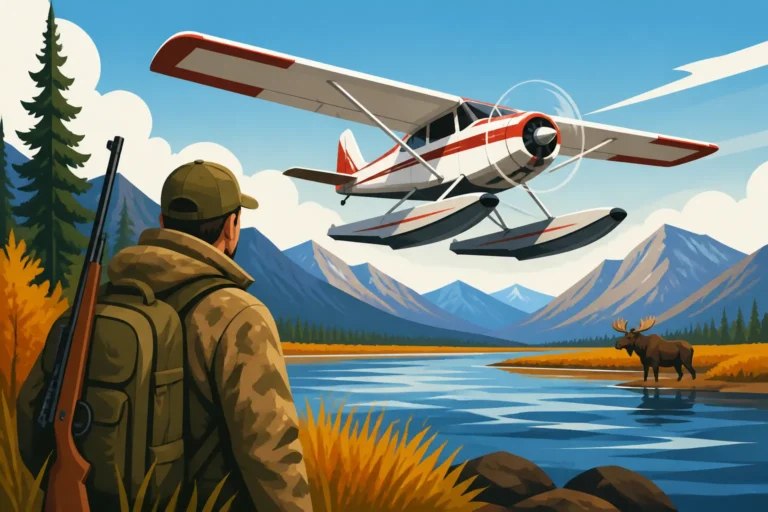
Once you've secured that coveted draw permit, the next monumental challenge is figuring out how to actually get into the vast, roadless wilderness of Katmai National Preserve. Unlike many hunting areas with road access, Katmai is a true fly-in destination. This means relying heavily on air taxis and understanding the intricate logistics of bush flights. Fly-In Hunting Areas Across Interior Alaska shares many commonalities with accessing Katmai, even though Katmai is coastal. You’ll be looking at floatplanes for landing on lakes and rivers, or wheel planes for gravel bars and remote strips, depending on your chosen hunting area within the preserve.
Booking an air taxi isn't like booking a commercial flight. These are specialized services, and their schedules are dictated by weather, aircraft availability, and the needs of multiple clients. You'll need to communicate clearly about your gear, group size, and desired drop-off and pick-up locations. Remember that weather in coastal Alaska can change in an instant, leading to delays that can stretch for days. Always build extra buffer days into your travel plans on both ends of the hunt, because getting stuck in camp or missing your connecting flight is a very real possibility. Alaska Transporters and What They Legally Provide will give you a good overview of what services these vital partners can offer, and more importantly, what they cannot do, which helps manage expectations. Factor in not just the cost of the flights, but also the potential for extra charges due to adverse weather or additional meat hauling. This is where a reliable air transporter becomes your lifeline, and establishing clear communication upfront is key to a successful expedition.
What to Expect on a Katmai Brown Bear Hunt
So, you've drawn a permit, booked your air taxi, and are finally on your way to Katmai. What does the actual hunt look like on the ground? It's often a far cry from the serene images of bears fishing at Brooks Falls. This is a rigorous, demanding endeavor that tests your resolve, physical endurance, and hunting skills in some of Alaska's most wild country.
The Hunt Experience: Spot-and-Stalk in Prime Bear Country
Katmai National Preserve is synonymous with incredible brown bear numbers, and the primary hunting method here is spot-and-stalk. This isn't a stand hunt or a bait hunt; it's an active pursuit that requires covering ground, meticulous glassing, and strategic movement. You'll likely be dropped off in a remote area, setting up a spike camp, and then venturing out daily to scan vast landscapes. Picture expansive tundra flats, willow thickets, alder patches, and the winding courses of salmon-choked rivers. Bear activity is dictated by food sources, so focusing your efforts on these areas—river systems, berry patches, and high-quality browse—is crucial.
The weather will be a constant companion, often a challenging one. Expect everything from bright sunshine to dense fog, persistent drizzle, and even driving rain. Patience is key. You might spend hours, or even days, glassing a distant hillside, a river bend, or a patch of berries before spotting a bear. Once you do, the real work begins: careful evaluation of the animal to ensure it's legal and desirable, followed by a quiet, deliberate stalk that can take hours over incredibly challenging terrain. This is where your skills as a hunter, your ability to read the wind, and your knowledge of bear behavior truly come into play. It's physically demanding, mentally taxing, and incredibly rewarding when all the pieces finally align.
Bear Identification and Ethical Considerations
In a place renowned for its bears, identifying your target accurately is not just good hunting practice; it's an ethical imperative and a legal requirement. You absolutely must be confident in your identification before you ever think about pulling the trigger. The most critical distinction in brown bear hunting is often between a sow (female) and a boar (male), and ensuring there are no cubs present. Shooting a sow with cubs, or mistakenly shooting a sub-legal bear (if antler restrictions or size minimums apply, though less common for brown bears, specific regulations always need checking), can lead to severe legal repercussions.
Judging bear size and sex in the field, especially at a distance or in varying light, is incredibly difficult. Look for physical characteristics like the overall bulk of the body, the size and shape of the head (boars tend to have broader heads and smaller-looking ears relative to their head size), and behavior. Boars are typically more solitary, while sows will often be accompanied by cubs, even if those cubs are a year or two old and quite large. Spending ample time observing the bear through good optics, such as a high-powered spotting scope, is non-negotiable. Coastal Brown Bear Size provides some insights into the impressive growth of these animals. Remember, the goal is not just to kill a bear, but to ethically and legally harvest a mature animal, respecting the incredible resource that Katmai represents. This careful deliberation contributes to the sustainable management of these magnificent creatures and upholds the integrity of your hunt.
Essential Gear and Safety in Katmai's Wilderness
A trip to Katmai National Preserve is an immersion into true wilderness. There are no convenience stores, no paved roads, and often no cell service. Your life, and the success of your hunt, will depend almost entirely on the gear you pack and your preparedness for the challenges that Alaska’s elements and its wildlife present. Every item must earn its place in your pack.
Packing for Alaska's Coastal Weather
Katmai's coastal location means one thing: variable and often wet weather. Don't just pack for rain; pack for persistent rain, bone-chilling wind, and temperatures that can swing dramatically even in the same day. Layering is your best friend. Start with good synthetic or merino wool base layers that wick moisture away from your skin. Mid-layers should provide insulation without excessive bulk, allowing you to add or shed as conditions change. Your outer shell system – jacket and pants – absolutely must be waterproof and windproof, not just water-resistant. Think durable, breathable Gore-Tex or similar high-performance materials. Wet gear is cold gear, and cold gear can be dangerous in remote Alaska.
Beyond clothing, invest in high-quality, broken-in waterproof boots that offer excellent ankle support for traversing uneven terrain. Pack multiple pairs of gloves, a warm hat, and a neck gaiter. A heavy-duty tent capable of withstanding strong winds and torrential rain is essential, along with a reliable stove and plenty of fuel. Even in late summer or early fall, snow is not out of the question in higher elevations. Think through every possible weather scenario and pack accordingly, because waiting out a storm in a remote camp can become miserable quickly if you're not properly equipped. Remember, the bush plane has weight limits, so every item must be a calculated choice, but never at the expense of safety or comfort.
Bear Safety and Encounter Preparedness
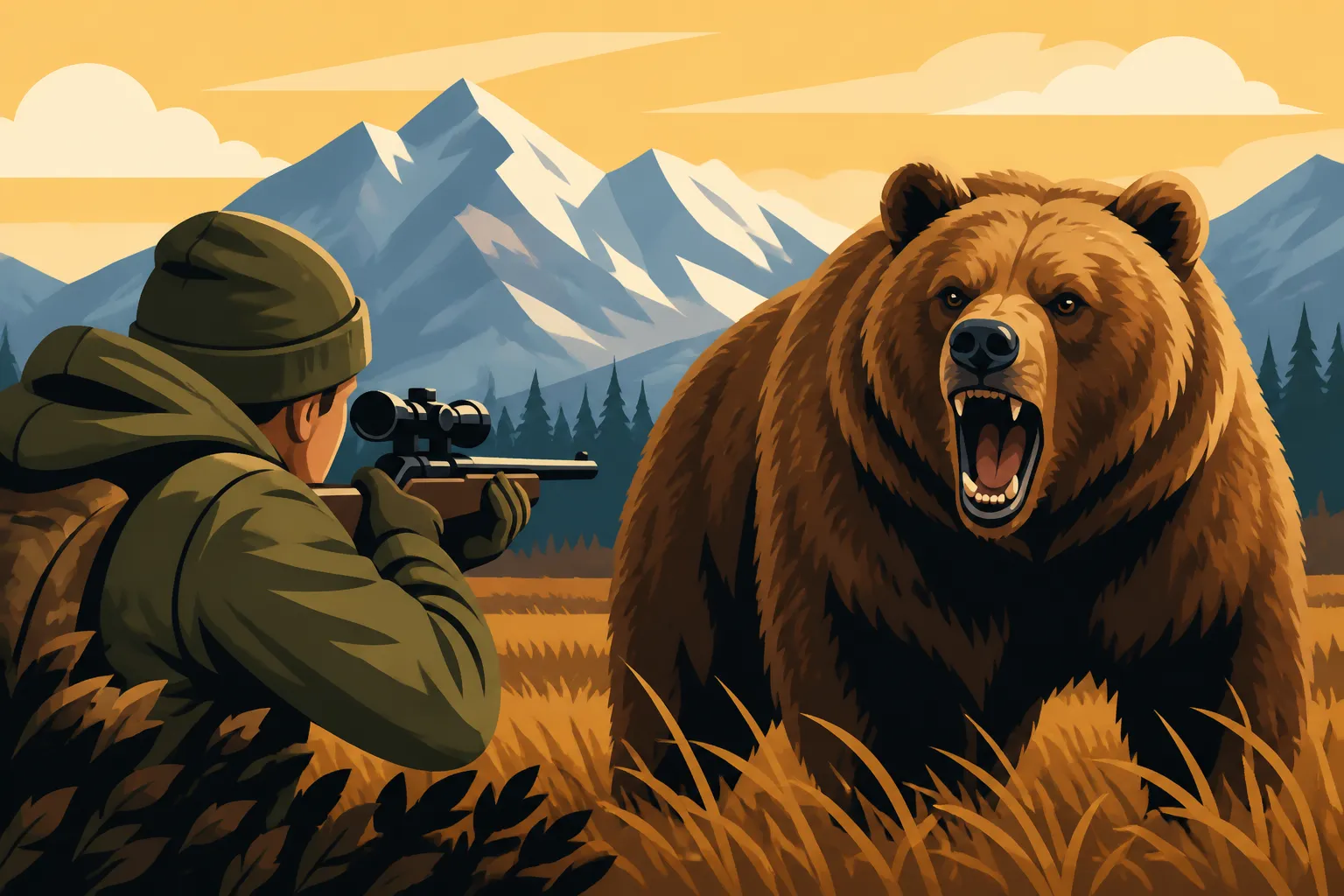
Hunting brown bears in Katmai means you are sharing their home, and with a high population density, encounters are not just possible, but probable. This isn't just about hunting them; it's about coexisting safely in their territory. Your number one priority, even before the hunt begins, is comprehensive bear safety. This includes carrying both a firearm suitable for defense and bear spray. Your hunting rifle, if it's chambered for Rifle Choice for Alaska Brown Bear Country (think .338 Win Mag, .375 H&H, or larger), can certainly serve as a defense weapon, but many hunters also carry a powerful handgun as a backup or for quick deployment.
Crucially, you need to know how to use both effectively under stress. Practice drawing your sidearm, deploying your bear spray, and executing quick, accurate shots with your rifle. Beyond weaponry, bear safety is also about smart camp management. Keep a clean camp, store all food and scented items securely in bear-resistant containers or hung from trees, and avoid cooking or eating near your tent. When traveling, make noise to avoid surprising bears, especially in dense brush or near running water. If you make a kill, the process of Bear Safety While Butchering a Kill in Alaska becomes incredibly important, as the smell of fresh meat can attract other bears from miles around. Always have a partner watching your back, and be prepared for a close encounter. Proactive prevention and readiness are your best defense.
Post-Harvest Responsibilities and Trophy Care
The shot is made, the bear is down, and the adrenaline is slowly subsiding. This isn't the end of your hunt; it's the beginning of a whole new phase of intense work and crucial responsibilities. Ethical hunting extends far beyond the moment of the kill, especially with a magnificent animal like a brown bear in a sensitive area like Katmai.
Meat Salvage and Hide Care in the Field
In Alaska, all edible meat from big game animals must be salvaged, and brown bears are no exception. This means a thorough butchering job, even for a species often primarily hunted for its hide and skull. You'll need to know which cuts count as edible meat and ensure you take everything required by law. This can be a monumental task for an animal as large as a Katmai brown bear, often requiring hours of intense labor. But it's part of the commitment we make as hunters.
Equally important, and perhaps even more specialized for a bear, is proper hide and skull care. If you want a life-size mount or a rug, the hide needs meticulous attention in the field to prevent slippage and spoilage, especially in wet coastal conditions. This includes skinning the hide completely, turning the ears, splitting the lips, and fleshing out excess meat and fat. Then, you'll need to liberally salt the hide – a lot of salt – to begin the preservation process. Cape Care for a Life-Size Bear Mount details this process extensively. The skull also needs to be cleaned of as much flesh as possible. All these tasks are done in conditions that are often less than ideal, under the constant threat of other bears, and with the clock ticking due to spoilage. It's tough, dirty work, but essential for honoring the animal and preserving your trophy.
Transporting Your Trophy Out of Katmai
Getting a massive brown bear hide and skull out of Katmai National Preserve and eventually home is an expedition in itself. After the field care is complete, you'll need sturdy game bags to protect the hide and skull during transport back to your base camp, and then onto the air taxi. Bear hides, especially wet ones, are incredibly heavy. You and your hunting partners will likely be making multiple trips from the kill site to your camp, and then loading everything carefully onto the small bush plane. Weight limits are always a concern for air taxis, so be prepared for potential extra flights or additional costs if your trophy pushes the limits.
Once back at the air taxi's base, which might be a small village or a larger hub like King Salmon, you'll need to find facilities to properly freeze or further salt your hide and skull, and arrange for official sealing. All brown bear hides must be presented to an authorized Alaska Department of Fish and Game representative for sealing within a specific timeframe after harvest. This usually involves presenting the skull and hide and providing details about the hunt. After sealing, the logistics shift to freighting your trophy. This often means working with a specialized expediting service that can freeze, crate, and ship your hide and skull to a taxidermist or directly to your home. Shipping an Alaska Bear Hide to a Taxidermist is a great resource. This final stage requires careful coordination, robust packing, and patience, as bush freight can be slow and expensive, but it's the last step in a truly unforgettable journey.
| Aspect of Hunt | Description | Key Considerations |
|---|---|---|
| Location | Katmai National Preserve (not the National Park) | Strict boundaries; use mapping tools like onX Hunt. |
| Target Species | Coastal Brown Bear | Renowned for large bears due to salmon runs. |
| Permit Type | Drawing Permit (highly competitive) | Apply Nov 1 – Dec 15; research odds via resources like GoHunt. |
| Access | Fly-in only (float plane, wheel plane) | Book air taxi well in advance; account for weather delays. |
| Hunting Method | Spot-and-Stalk | Physically demanding; requires excellent optics and patience. |
| Bear Safety | Critical due to high bear density | Carry powerful firearm and bear spray; clean camp practices. |
| Post-Harvest | Meat salvage and meticulous hide/skull care | Mandatory salvage; careful skinning, fleshing, salting for trophy. |
| Trophy Transport | Complex logistics via air taxi and freight | Weight limits; state sealing requirements; specialized shipping. |
Disclaimer
This article is for general informational purposes only and does not constitute professional advice. Laws, prices and regulations vary by location and change over time. Consult a qualified professional for guidance on your specific situation.